Best Dogs For Apartments
Apartment suitability is often reduced to size alone, and that's the single most common mistake in how people shop for a small-space dog. A 70-pound Greyhound that sleeps most of the day is frequently a better apartment fit than a 12-pound terrier bred to bark at every hallway noise and dig at baseboards from pent-up energy. What actually determines whether a dog thrives in an apartment is a combination of energy level, noise tendency, and how the breed was historically bred to behave when under-stimulated — size affects how much floor space a dog physically needs to stretch out, but it says nothing about whether the neighbors will file noise complaints. Energy level matters because apartments offer no yard for a dog to self-exercise in between walks, so a breed with genuinely low-to-moderate daily exercise needs — thirty minutes or so of real activity rather than sixty-plus — is going to settle indoors far more easily than a working or sporting breed bred for hours of activity. Vocalization matters just as much in shared-wall living: some breeds, including several small companion breeds people assume are automatically apartment-friendly because of their size, are genetically predisposed to alert-bark at hallway footsteps, elevator dings, and other units' dogs. Breeds that were developed as quiet companions or lap dogs rather than watchdogs or vermin-hunters tend to score much better here, even when they're not the smallest option available. The other underrated factor is destructive potential when bored. Breeds bred for jobs — herding, retrieving, guarding — tend to redirect unused energy into chewing, digging at carpet, or pacing when confined to a smaller space without enough mental stimulation, and this shows up regardless of the dog's physical size. Breeds bred purely as companions, by contrast, generally tolerate confinement and routine better because that's closer to the role they were originally selected for over generations. This is why several toy and companion breeds with moderate energy but strong independent streaks or vocal tendencies still don't make ideal apartment lists, while a few larger, lower-drive breeds do. Building access matters in ways breed lists can't fully capture: a dog that needs to be carried or walked down several flights multiple times a day, or that struggles with stairs due to a long back or short legs, adds friction that a ground-floor or elevator building wouldn't create. Building noise policies and breed restrictions in leases also commonly target specific large or guarding breeds regardless of that individual dog's actual temperament, which is worth checking before falling for a particular breed on this list. The honest bottom line: apartment living is very workable for a wide range of breeds and sizes as long as an owner is realistic about that specific breed's exercise needs and matches their own schedule to it, walking the dog enough that its home time is genuinely restful rather than a holding pattern before the next release of energy. A tired dog of nearly any size settles well indoors; an under-exercised one of any size becomes a management problem no square footage will fix. Past the breeds this site's small-dog apartment list already covers, a handful of mid-sized and larger dogs round out a fuller apartment shortlist: the Basset Hound's low energy and famously laid-back demeanor suit apartment living despite its longer body, the Whippet's sighthound "couch potato" temperament makes it a surprisingly good fit for a calm household with occasional sprint-length exercise, and the Bulldog's low activity needs pair with apartment life well provided the climate-control and warm-weather health considerations covered on this site's hot-climates page are genuinely taken seriously. It's worth adding a note on noise beyond barking specifically: nail clicking on hard flooring, jumping on and off furniture, and general movement noise can also matter in a building with sensitive downstairs neighbors, and a rug or carpet runner in high-traffic areas of an apartment can meaningfully reduce this kind of secondary noise regardless of which breed ends up living there. Building management and lease terms are worth checking early rather than after falling in love with a specific breed or individual dog — some buildings cap adult weight regardless of temperament, and a handful maintain breed-specific restrictions that can rule out an otherwise perfect apartment match on paper. It's worth naming a specific consideration for apartment dogs around elevator use, relevant in taller buildings specifically: some dogs develop genuine anxiety around elevator rides (the enclosed space, sudden floor-number sounds, unfamiliar people in tight quarters), and gradual, positive-reinforcement-based elevator desensitization during puppyhood or shortly after move-in — short rides paired with treats and calm praise — heads off a problem that can otherwise become a daily source of stress for a dog that has no choice but to use the elevator multiple times a day.
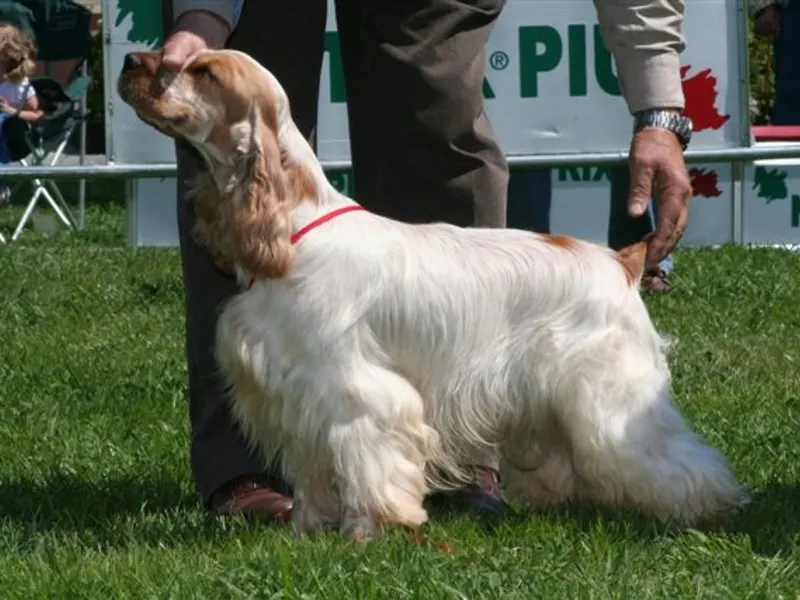
Cocker Spaniel
Sporting
20–30 lbs · 12–15 yrs
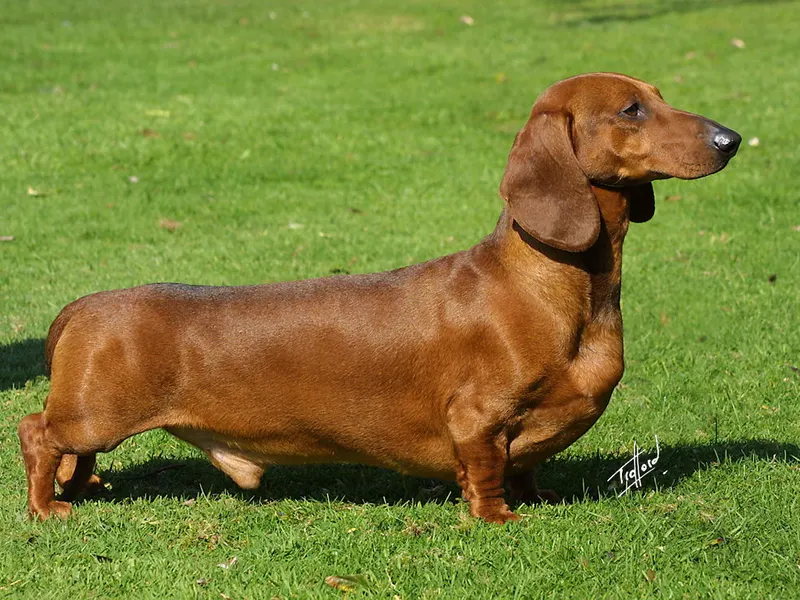
Dachshund
Hound
11–32 lbs · 12–16 yrs
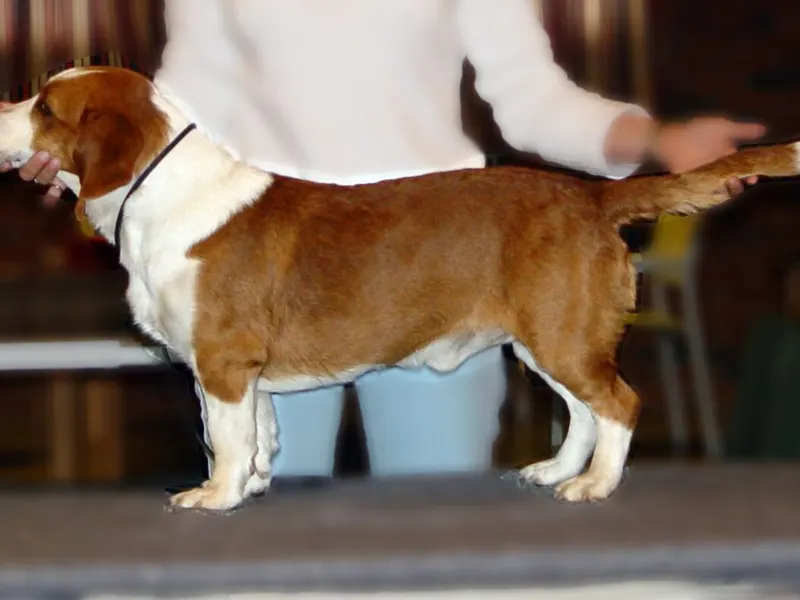
Drever
Hound
30–35 lbs · 12–14 yrs
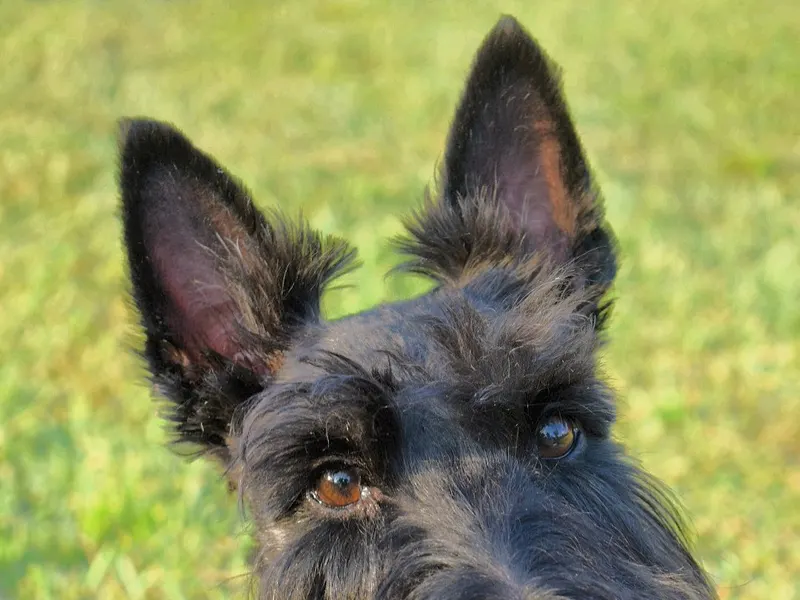
Scottish Terrier
Terrier
18–22 lbs · 11–13 yrs
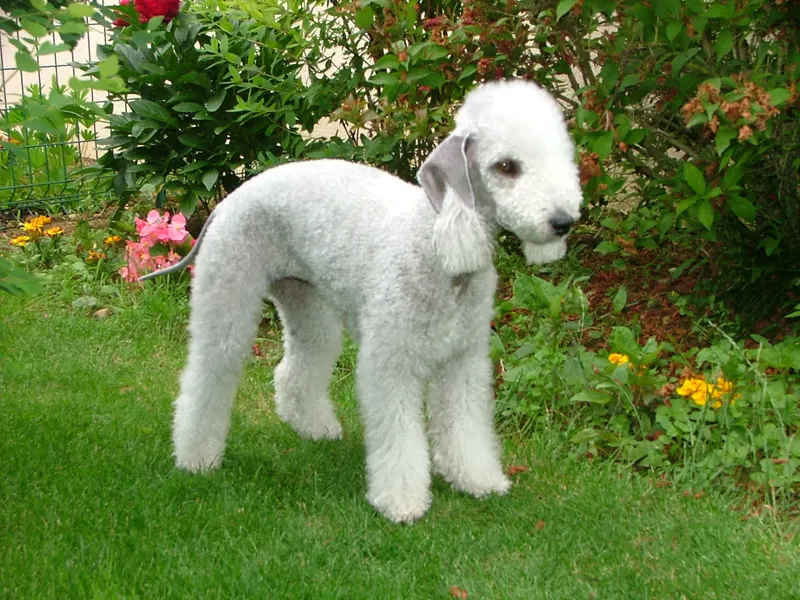
Bedlington Terrier
Terrier
17–23 lbs · 11–16 yrs
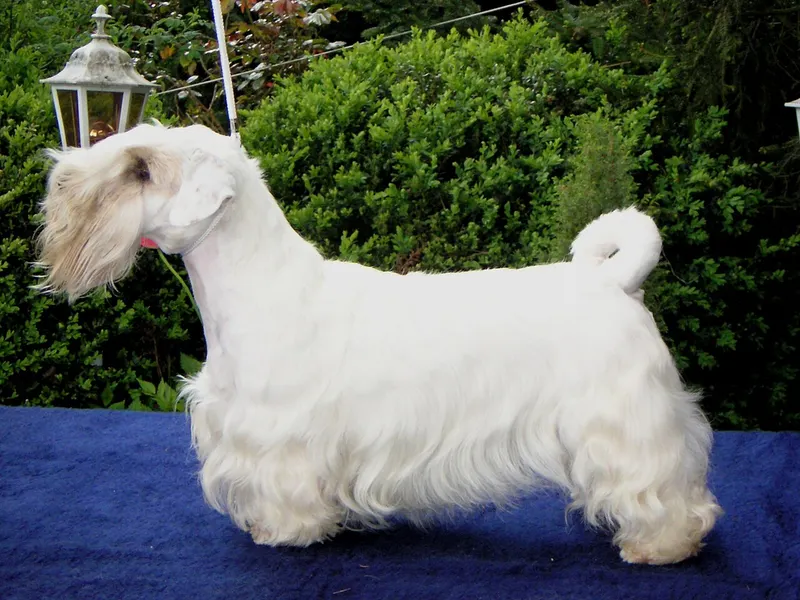
Sealyham Terrier
Terrier
23–24 lbs · 12–14 yrs
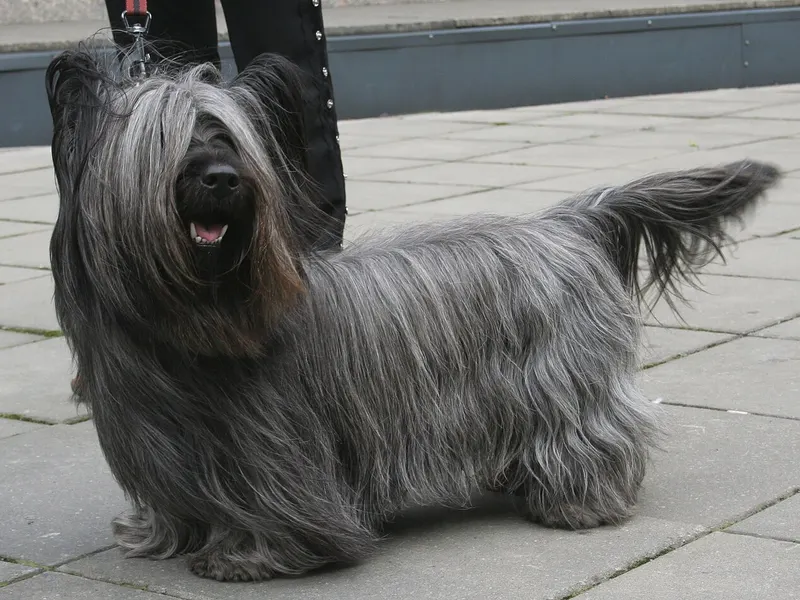
Skye Terrier
Terrier
25–40 lbs · 12–14 yrs
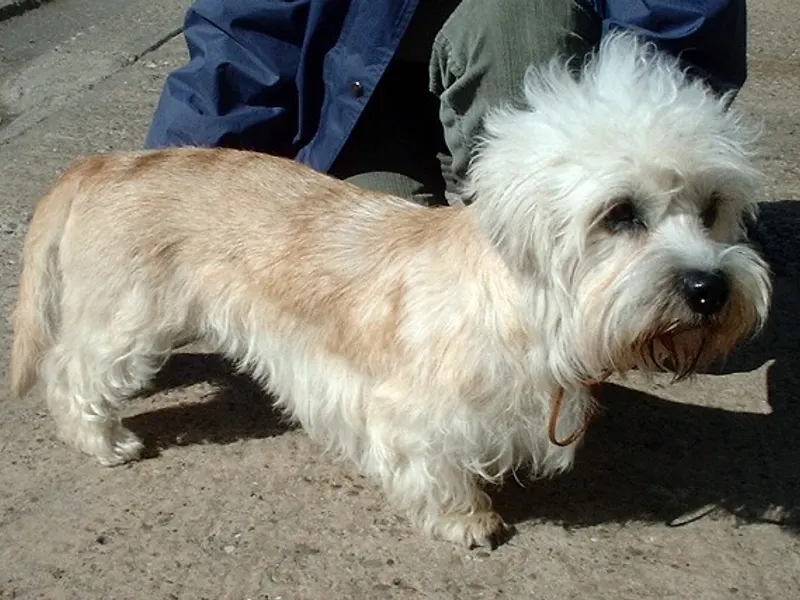
Dandie Dinmont Terrier
Terrier
18–24 lbs · 12–15 yrs
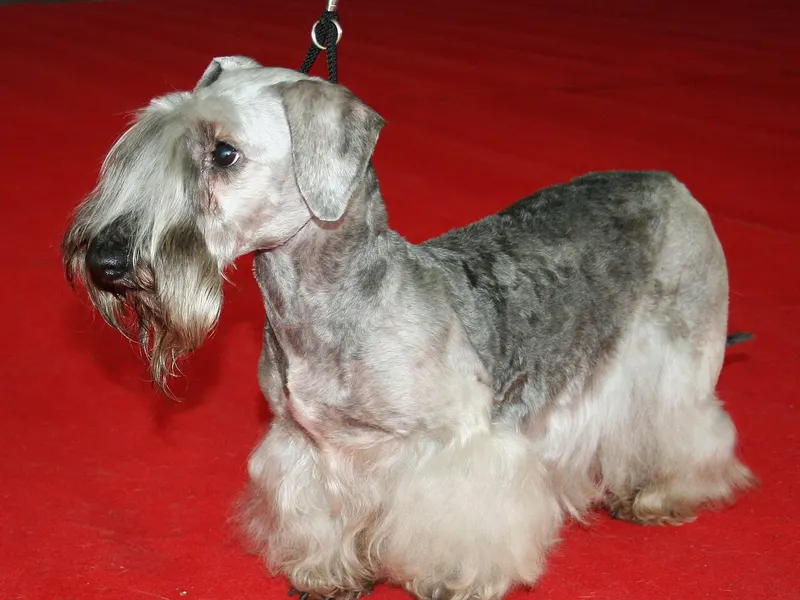
Cesky Terrier
Terrier
13–24 lbs · 12–15 yrs

Glen of Imaal Terrier
Terrier
32–40 lbs · 10–15 yrs

Chihuahua
Toy
2–6 lbs · 14–16 yrs
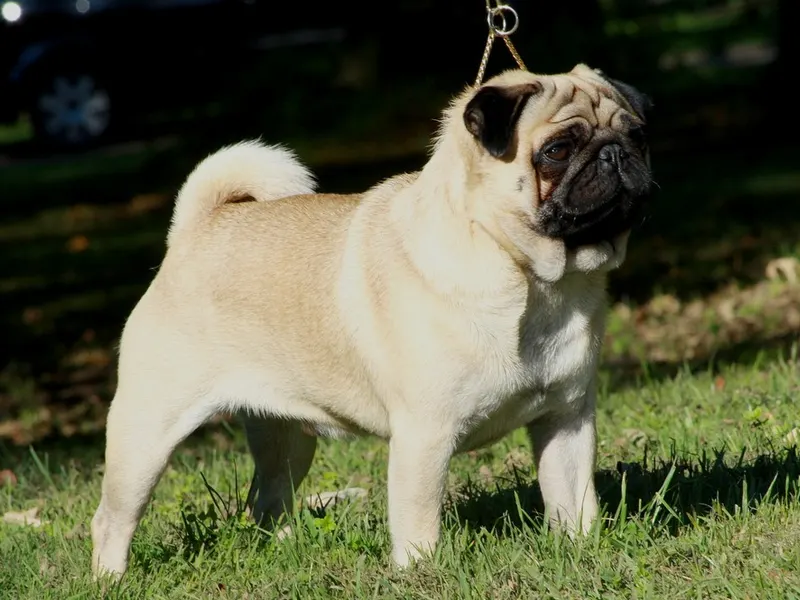
Pug
Toy
14–18 lbs · 13–15 yrs

Shih Tzu
Toy
9–16 lbs · 10–16 yrs

Maltese
Toy
4–7 lbs · 12–15 yrs

Yorkshire Terrier
Toy
4–7 lbs · 11–15 yrs
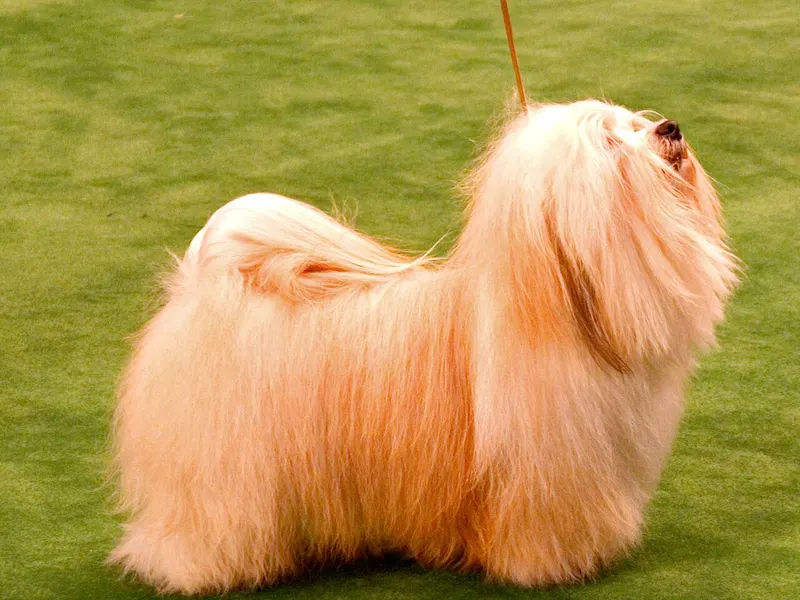
Havanese
Toy
7–13 lbs · 14–16 yrs
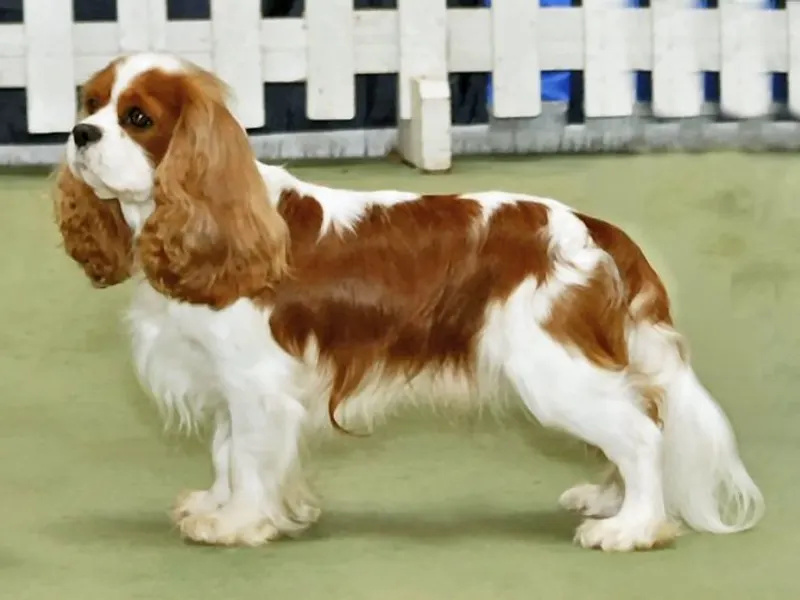
Cavalier King Charles Spaniel
Toy
13–18 lbs · 9–14 yrs
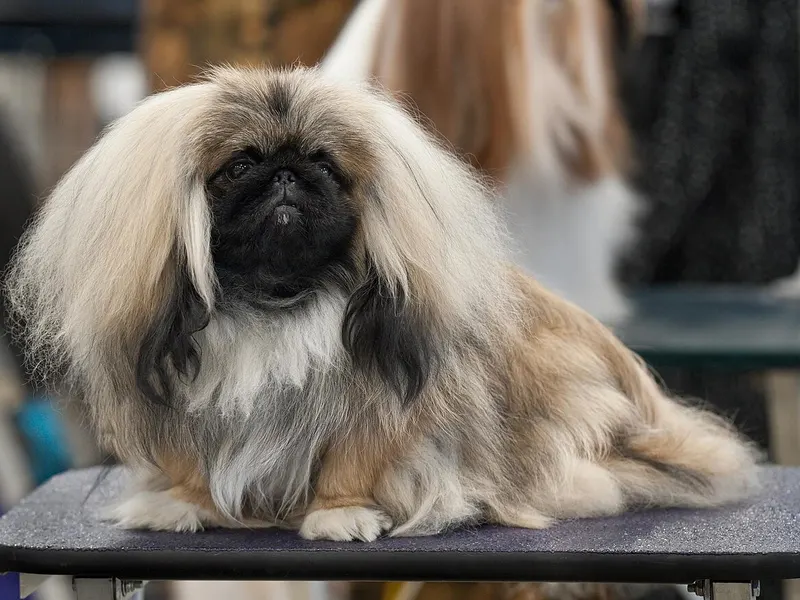
Pekingese
Toy
7–14 lbs · 12–14 yrs
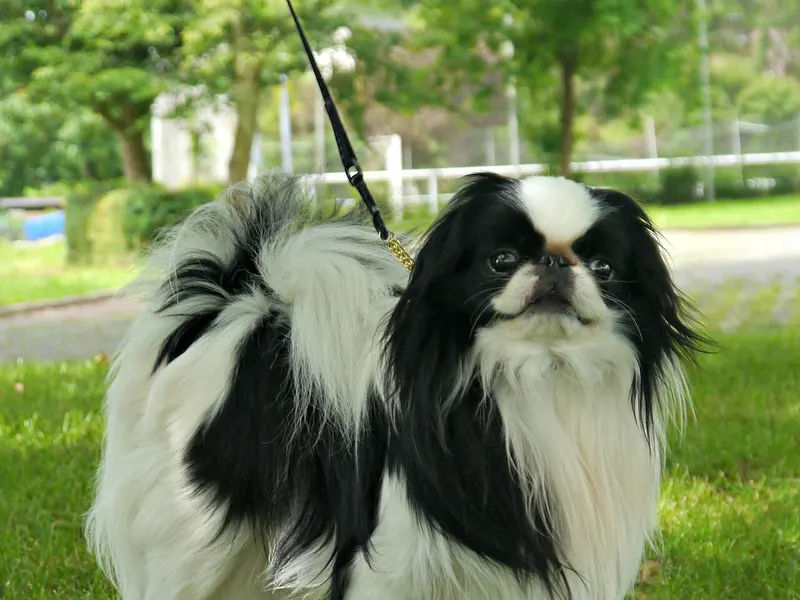
Japanese Chin
Toy
7–11 lbs · 10–12 yrs

Brussels Griffon
Toy
6–12 lbs · 12–15 yrs
Affenpinscher
Toy
7–10 lbs · 12–15 yrs

Chinese Crested
Toy
8–12 lbs · 13–15 yrs

English Toy Spaniel
Toy
8–14 lbs · 10–12 yrs
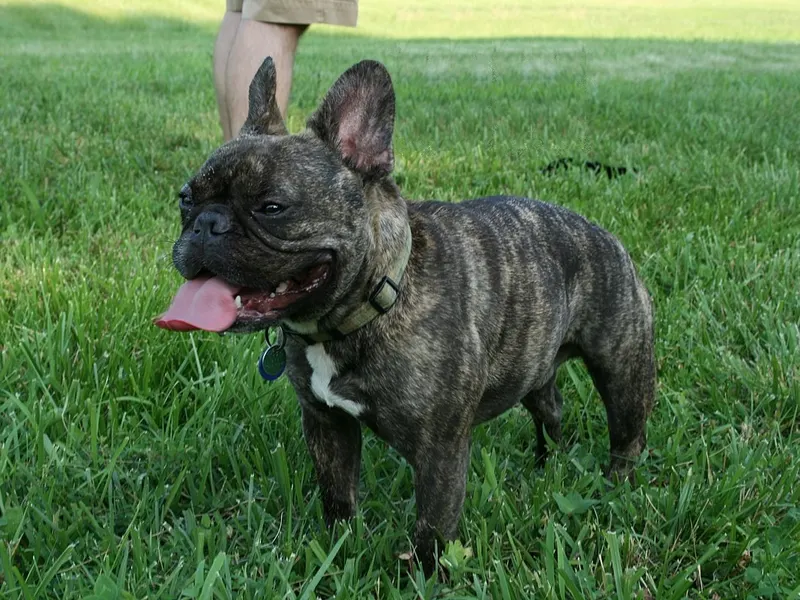
French Bulldog
Non-Sporting
16–28 lbs · 10–14 yrs
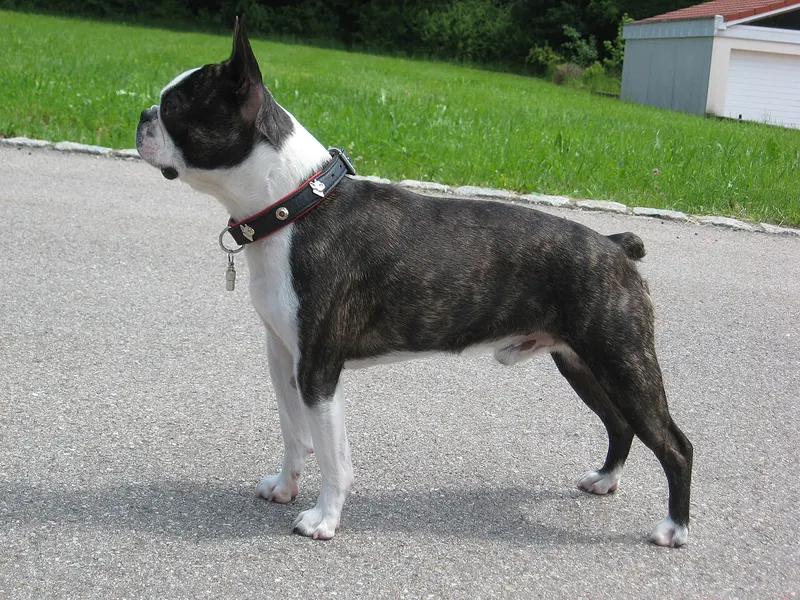
Boston Terrier
Non-Sporting
12–25 lbs · 11–13 yrs

Lhasa Apso
Non-Sporting
12–18 lbs · 12–15 yrs

Bichon Frise
Non-Sporting
12–18 lbs · 14–15 yrs

Tibetan Spaniel
Non-Sporting
9–15 lbs · 12–15 yrs
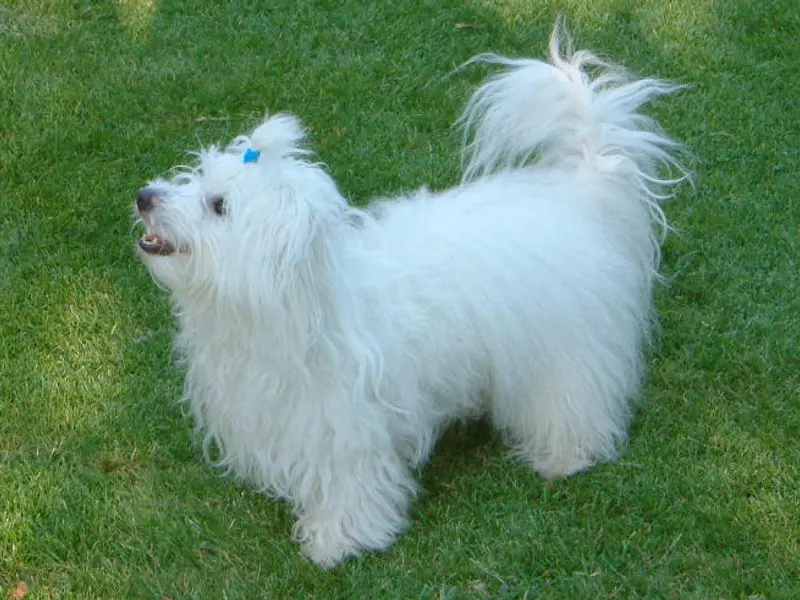
Coton de Tulear
Non-Sporting
8–15 lbs · 14–16 yrs
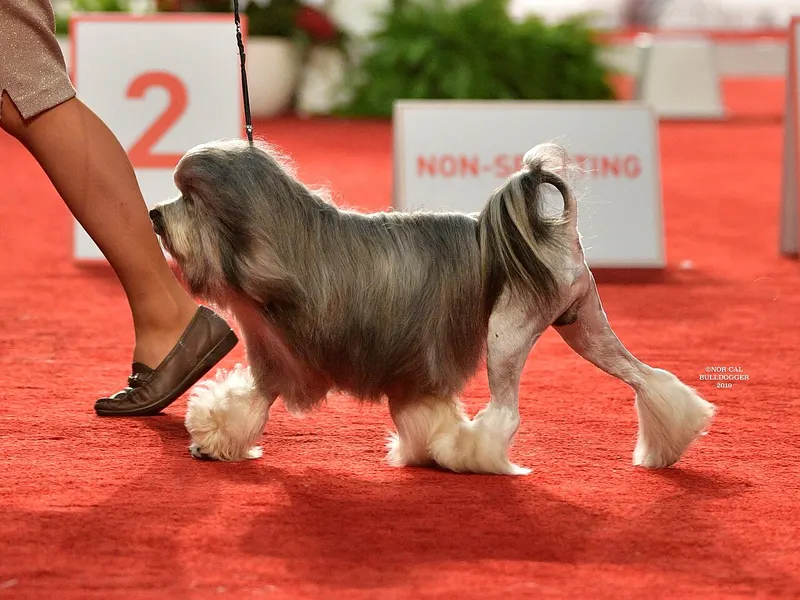
Löwchen
Non-Sporting
9–18 lbs · 13–15 yrs

Cockapoo
Crossbreed
12–24 lbs · 13–15 yrs

Puggle
Crossbreed
18–30 lbs · 10–13 yrs
Maltipoo
Crossbreed
5–20 lbs · 12–15 yrs

Cavapoo
Crossbreed
9–25 lbs · 12–15 yrs
Yorkipoo
Crossbreed
3–14 lbs · 12–15 yrs
Chiweenie
Crossbreed
5–12 lbs · 13–16 yrs
Shorkie
Crossbreed
8–16 lbs · 11–16 yrs
Morkie
Crossbreed
4–8 lbs · 10–13 yrs