Most Affectionate Cat Breeds
Affection in cats manifests differently than the more universally recognized, dog-style affection most people default to expecting, and understanding that difference matters for accurately reading this list: a highly affectionate cat breed might express that affection through constant proximity-seeking and following an owner room to room, through vocal "conversation," through headbutting and cheek-rubbing (a scent-marking behavior that also signals trust and bonding), or through the more dog-like direct physical affection like lap-sitting and cuddling — and different breeds lean toward different expressions of the same underlying trait rather than all affectionate breeds looking identical in behavior. The Sphynx is a somewhat counterintuitive but consistent entry on affectionate-breed lists specifically because the breed's lack of a coat leaves it more dependent on external warmth, which shows up behaviorally as an unusually strong drive to seek out physical contact with people (and often other pets) for warmth and closeness, resulting in a breed widely described by owners and breeders as exceptionally clingy and people-oriented — a case where a physical trait (hairlessness) plausibly reinforces a behavioral one (affection-seeking) rather than the two being unrelated. Burmese and Siamese cats, along with several other breeds developed with a strong emphasis on close human bonding through their breeding history, tend to show affection through highly interactive, sometimes demanding attention-seeking behavior — vocal communication, following owners around the house, actively inserting themselves into daily activities — a more assertive style of affection than the quieter, presence-based bonding some other breeds show, and worth understanding as a genuinely different (not lesser) style of affection for anyone whose mental image of "affectionate cat" defaults to the quieter lap-cat model instead. It's worth directly correcting a persistent stereotype this list runs against: cats broadly, and certainly the specific breeds on this list, are capable of deep, consistent attachment to their owners, comparable in documented behavioral-science terms to attachment patterns seen in dogs and even human infants in some comparative research — the old "aloof cat" stereotype doesn't hold up well against either individual breed data or the growing body of feline attachment research from the past decade, and breeds on this list in particular actively contradict that stereotype through consistently documented high-affection behavior across breed surveys and owner reporting. Individual cat personality, early socialization, and the specific bond formed with an individual owner still shape real-world affection level as much as breed tendency, and a cat from a breed known for high affection can still be reserved with an unfamiliar handler or in a new environment before settling in, just as a cat from a more independent breed can form an intensely close bond with a particular person through consistent, patient relationship-building over time. This ranking rests on a documented breed history of close human bonding plus consistent owner-survey and breed-club reporting of high affection-seeking behavior — a strong statistical starting point, not a guarantee that overrides individual cat personality. A few more breeds worth naming for high affection: the Ragdoll's combination of physical relaxation and genuine attachment covered on this site's lap-cat page also earns it a place on affection-focused lists specifically; the Tonkinese, a cross between Siamese and Burmese lines, combines both parent breeds' documented high sociability into an especially people-oriented temperament; and the American Bobtail is frequently described by owners as unusually dog-like in its enthusiastic, demonstrative affection toward its household. It's worth naming a specific behavioral signal worth understanding as a genuine expression of feline affection, since it often gets misread: slow blinking — a deliberate, unhurried closing and reopening of the eyes while looking at a person — is documented in feline behavior research as a trust and affection signal, sometimes informally called a "cat kiss," and returning a slow blink to a cat (rather than staring directly, which cats generally read as more confrontational) is a simple, low-effort way to build rapport and communicate calm intent, useful for bonding with any cat regardless of how demonstratively affectionate its breed reputation suggests it should be. It's worth naming a distinction worth understanding for anyone specifically drawn to this list: affection level and independence aren't strictly opposite ends of one spectrum, and a cat can be both highly affectionate and comfortable with solo time, seeking out intense bonding during shared time while still tolerating an owner's absence reasonably well — meaning a highly affectionate breed doesn't automatically carry the higher separation-anxiety risk some owners assume, since the two traits, while related, are genuinely separable in practice. Physical affection styles vary even within these breeds, worth noting directly: some cats prefer being held, others prefer sitting nearby without direct contact, and learning a specific cat's actual preferred style of closeness tends to deepen the bond faster than assuming one universal affection style fits every cat.
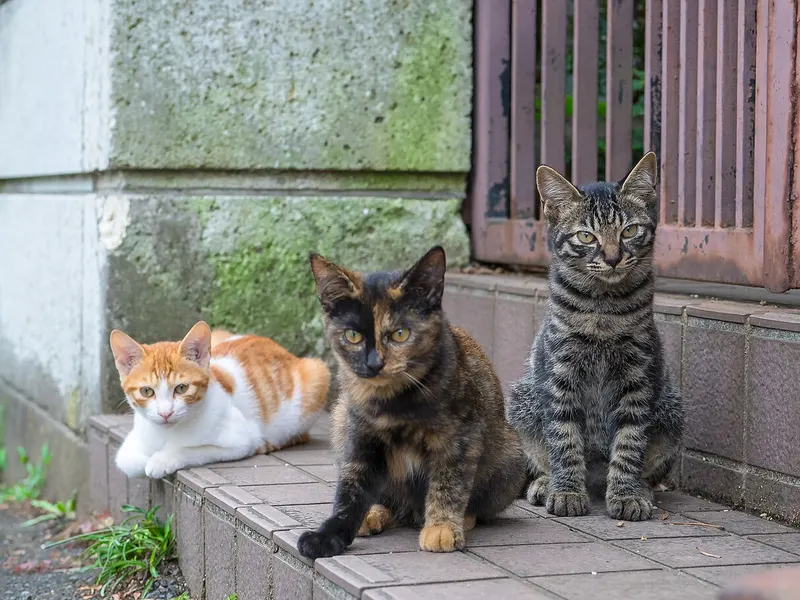
Domestic Shorthair
Semi-foreign
8–12 lbs · 12–18 yrs
Domestic Longhair
Semi-foreign
8–15 lbs · 12–18 yrs
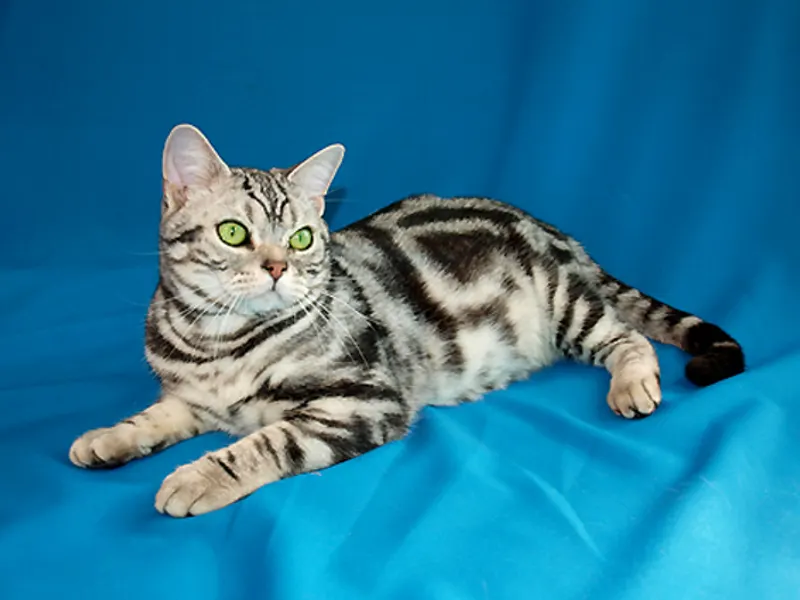
American Shorthair
Cobby
8–15 lbs · 15–20 yrs
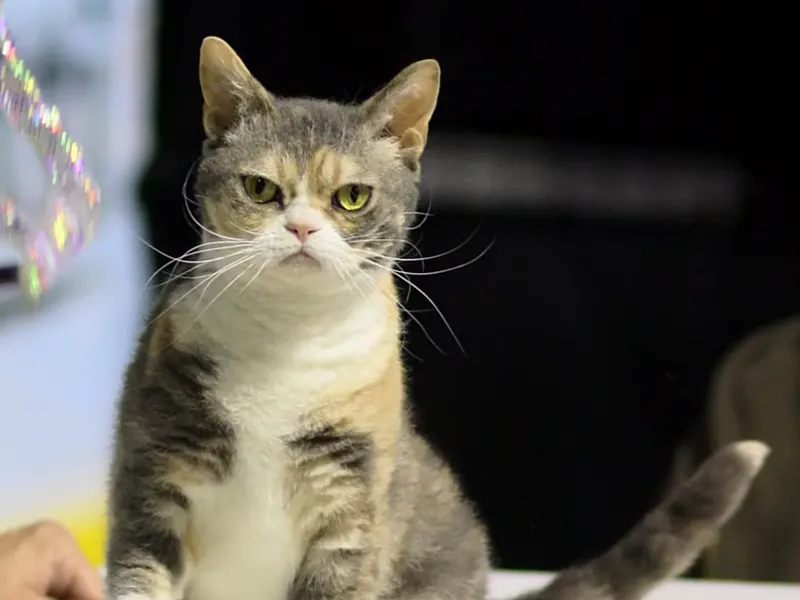
American Wirehair
Cobby
8–15 lbs · 14–18 yrs
Birman
Semi-cobby
8–12 lbs · 12–16 yrs
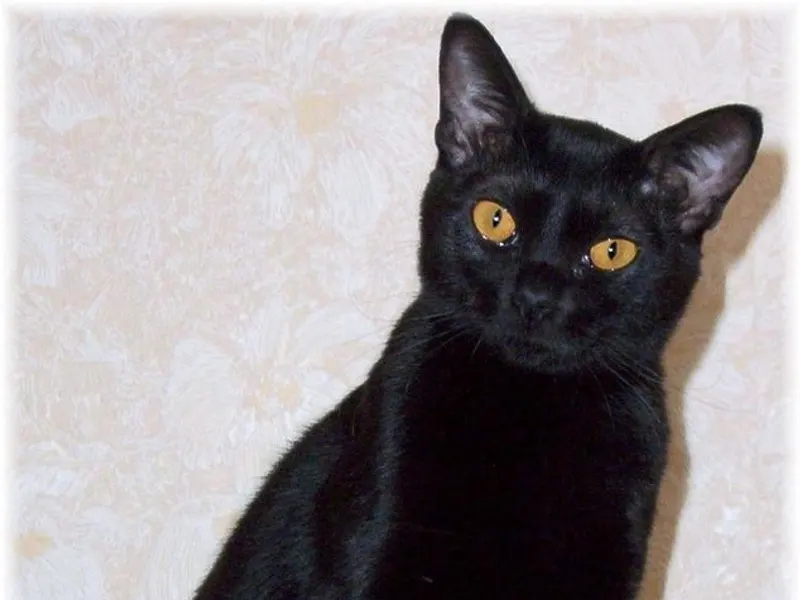
Bombay
Semi-cobby
6–11 lbs · 12–16 yrs
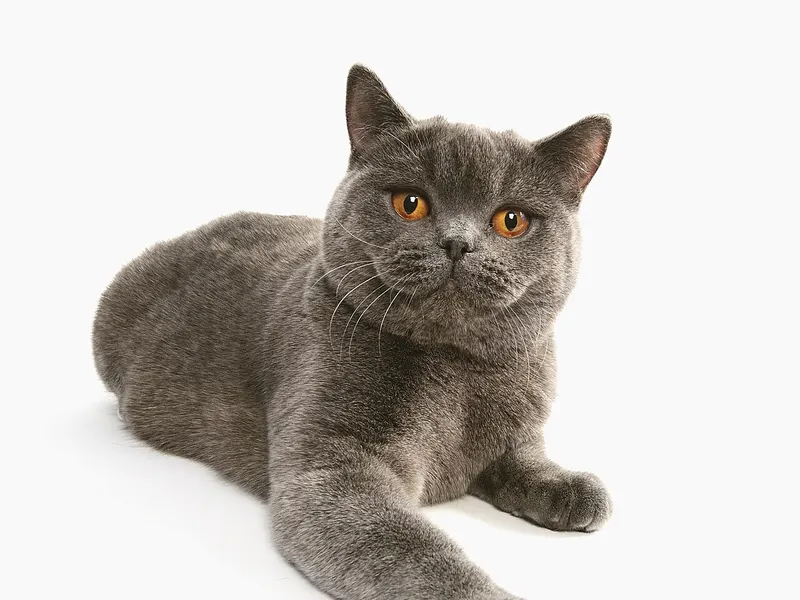
British Shorthair
Cobby
9–18 lbs · 12–17 yrs
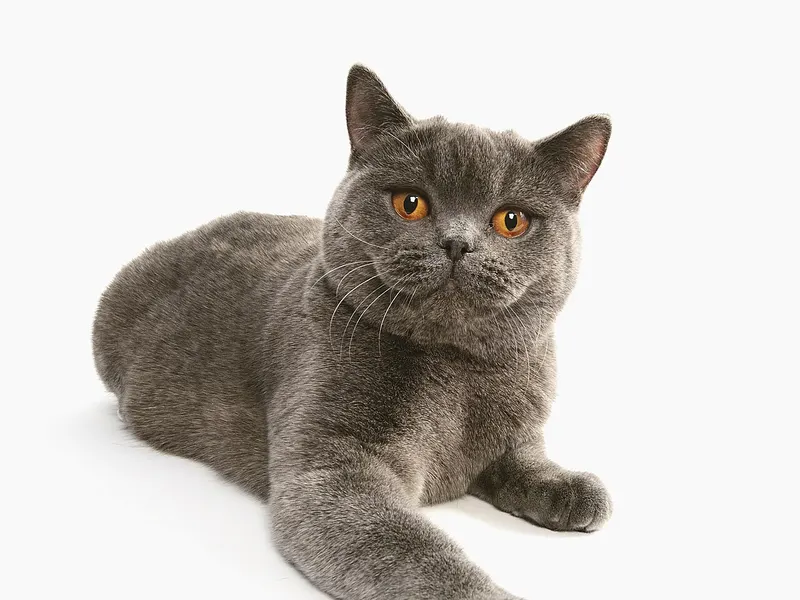
British Longhair
Cobby
9–17 lbs · 12–17 yrs
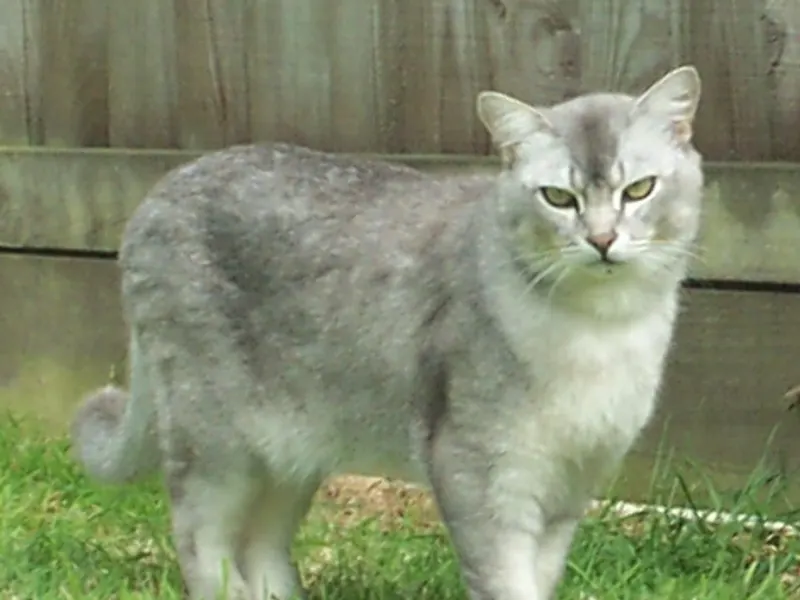
Burmilla
Semi-cobby
6–12 lbs · 10–15 yrs
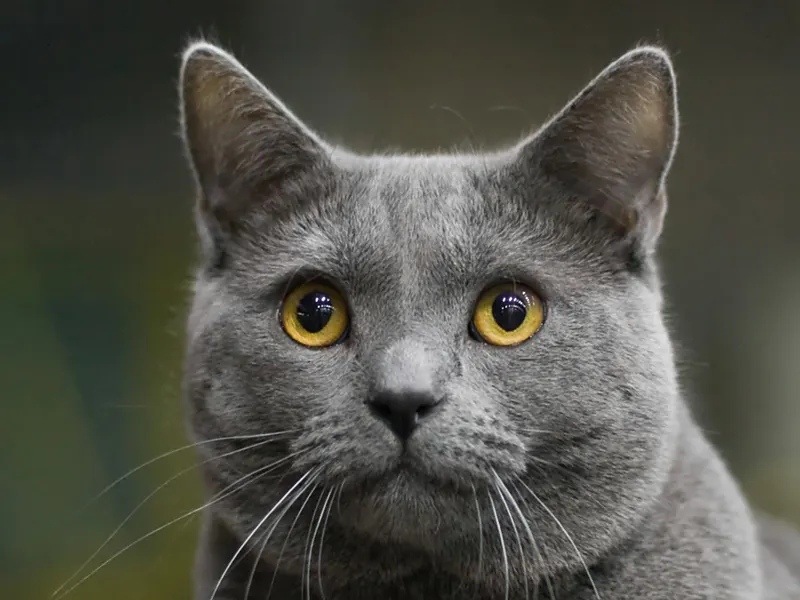
Chartreux
Semi-cobby
7–16 lbs · 12–15 yrs
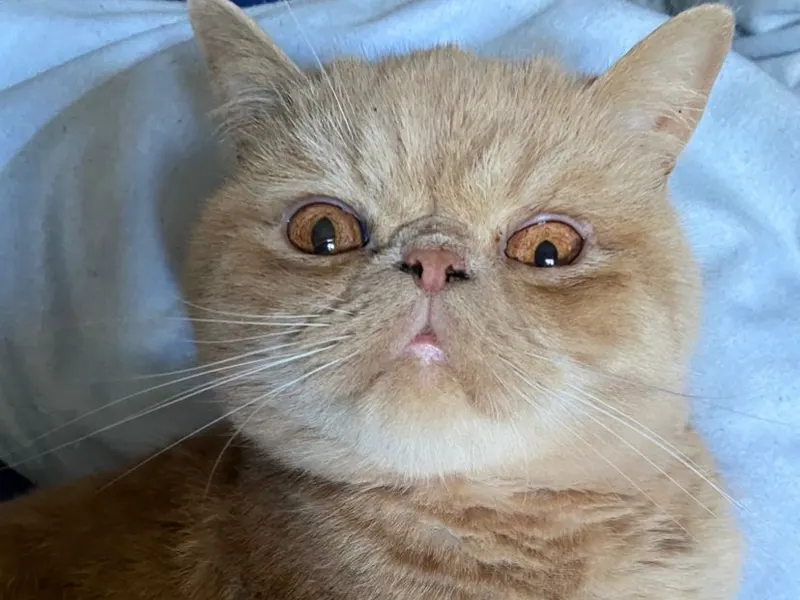
Exotic Shorthair
Cobby
7–14 lbs · 12–15 yrs
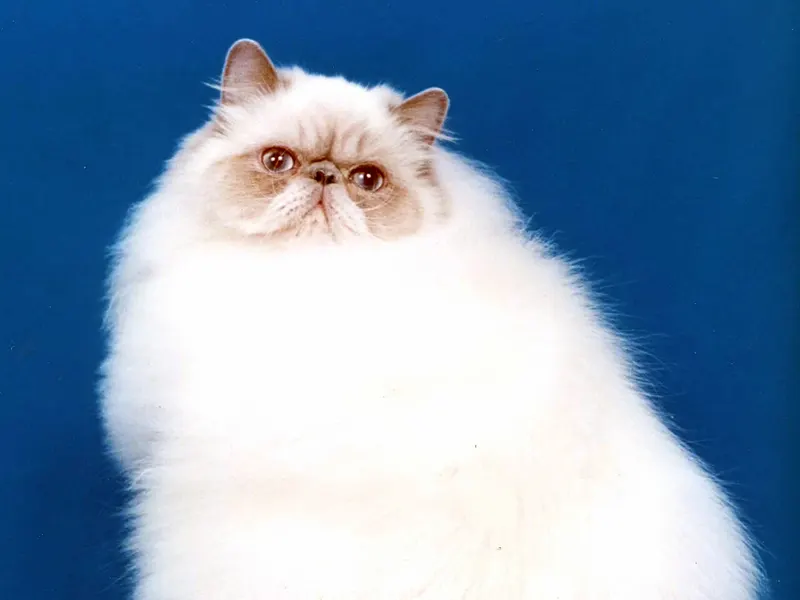
Himalayan
Cobby
7–12 lbs · 9–15 yrs
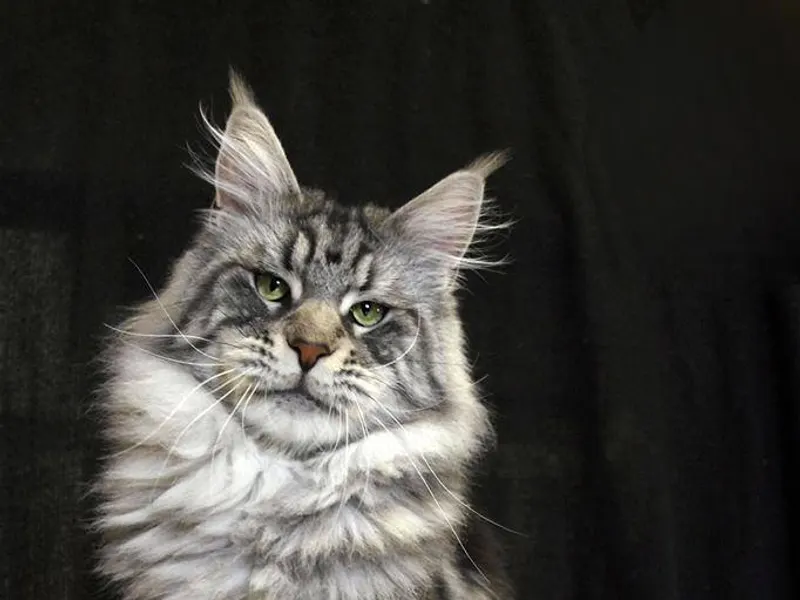
Maine Coon
Long & Substantial
10–25 lbs · 12–15 yrs
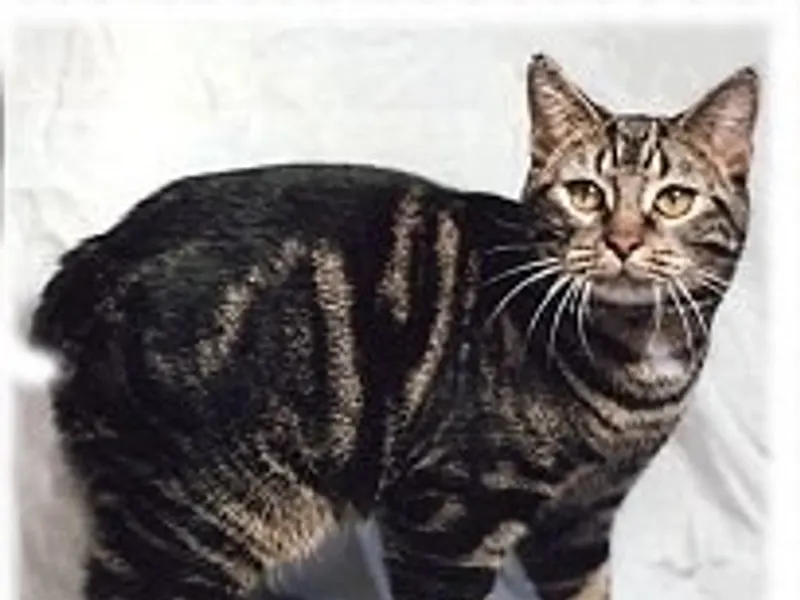
Manx
Cobby
8–12 lbs · 8–14 yrs
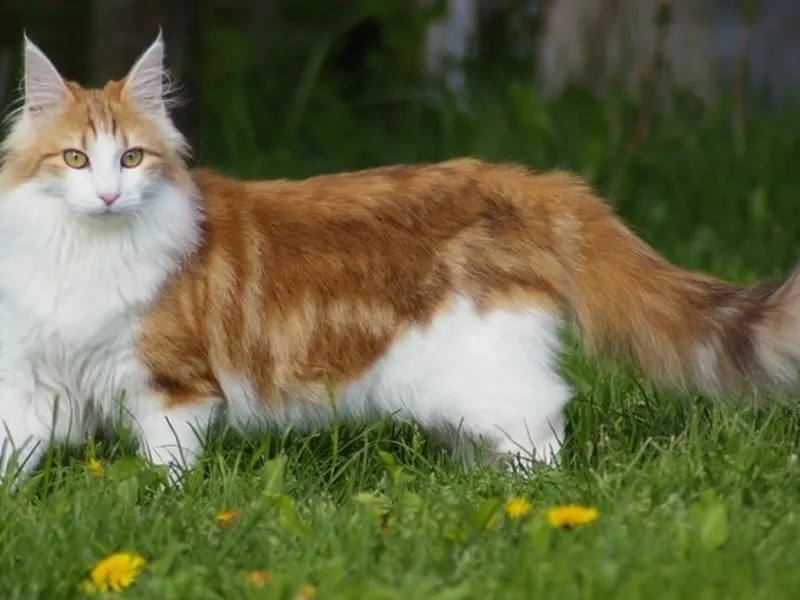
Norwegian Forest Cat
Long & Substantial
10–22 lbs · 14–16 yrs
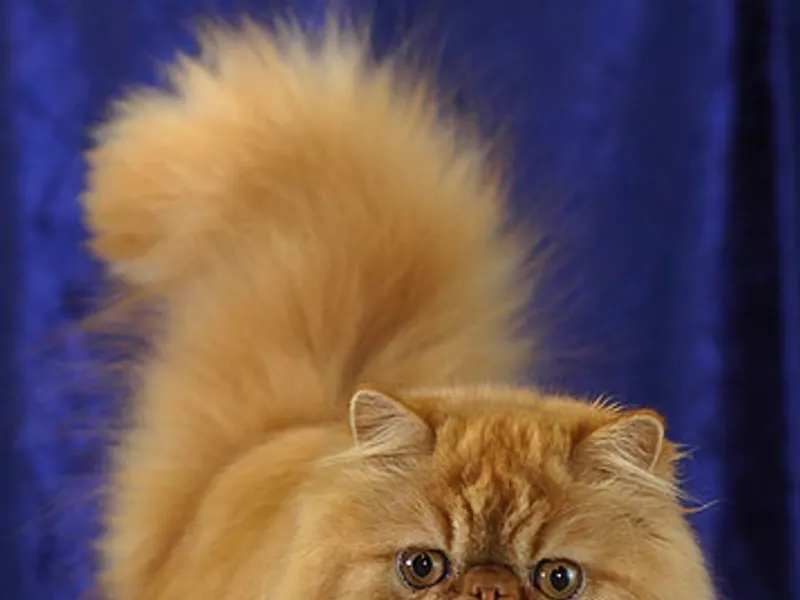
Persian
Cobby
7–12 lbs · 10–17 yrs
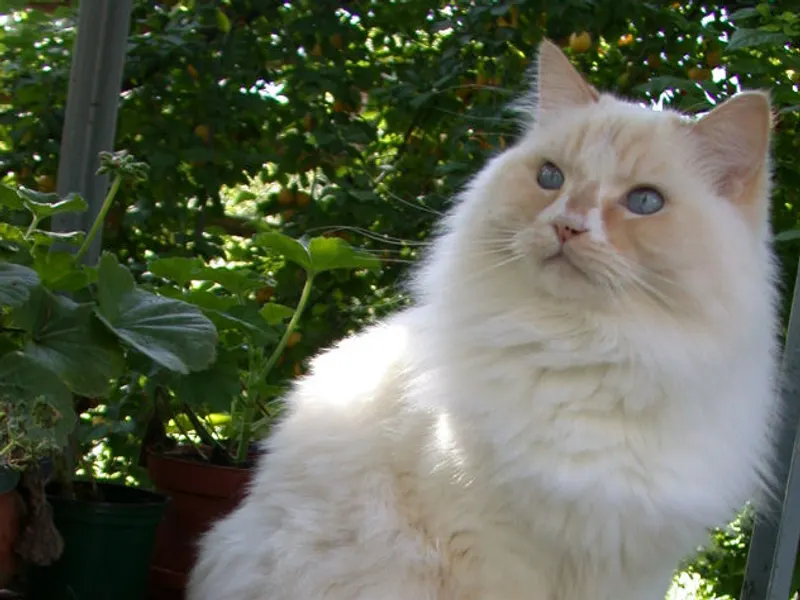
Ragamuffin
Semi-cobby
8–20 lbs · 12–16 yrs
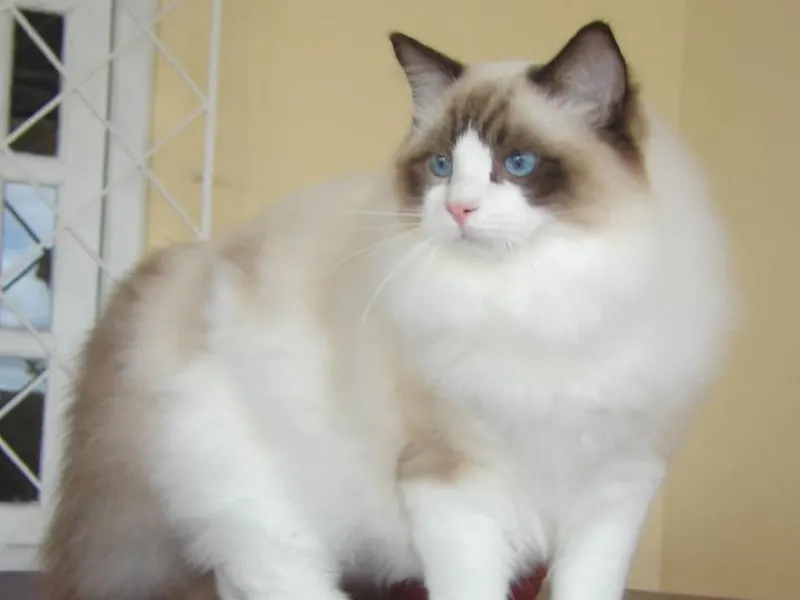
Ragdoll
Semi-cobby
10–20 lbs · 12–17 yrs
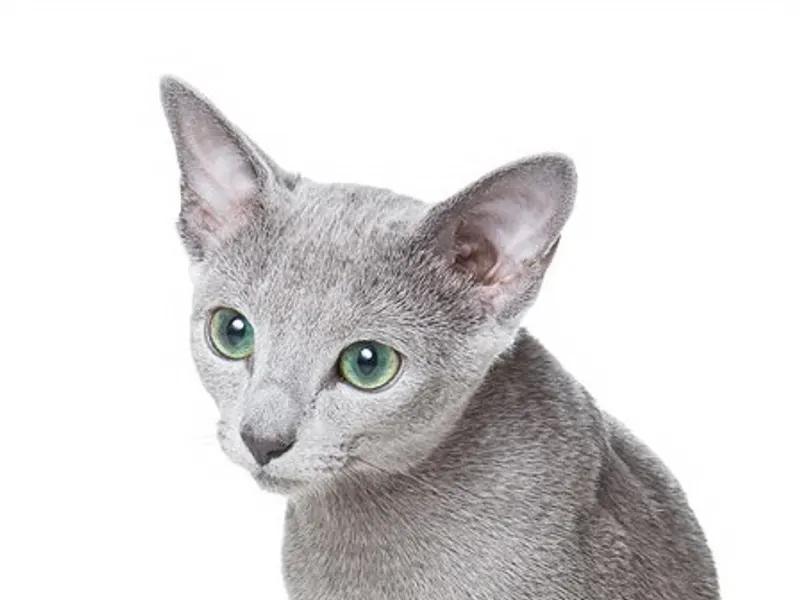
Russian Blue
Foreign
7–12 lbs · 15–20 yrs
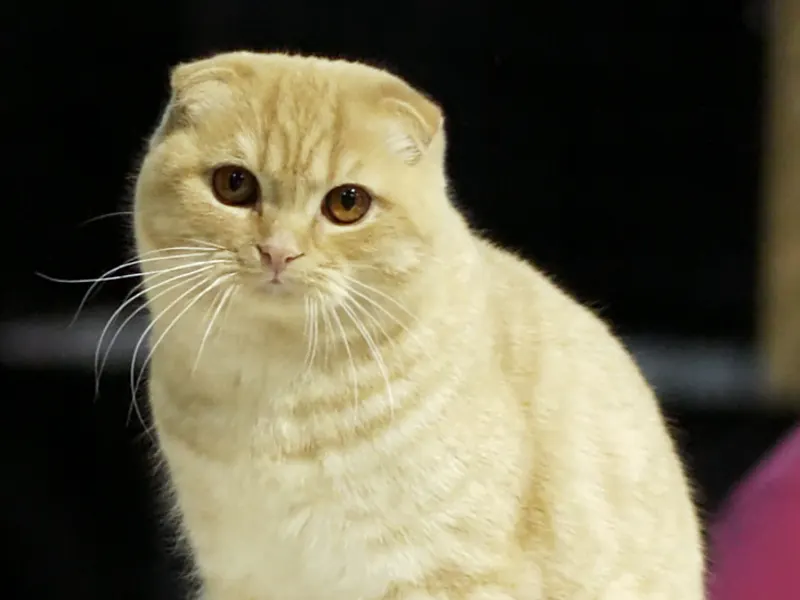
Scottish Fold
Semi-cobby
6–13 lbs · 11–15 yrs
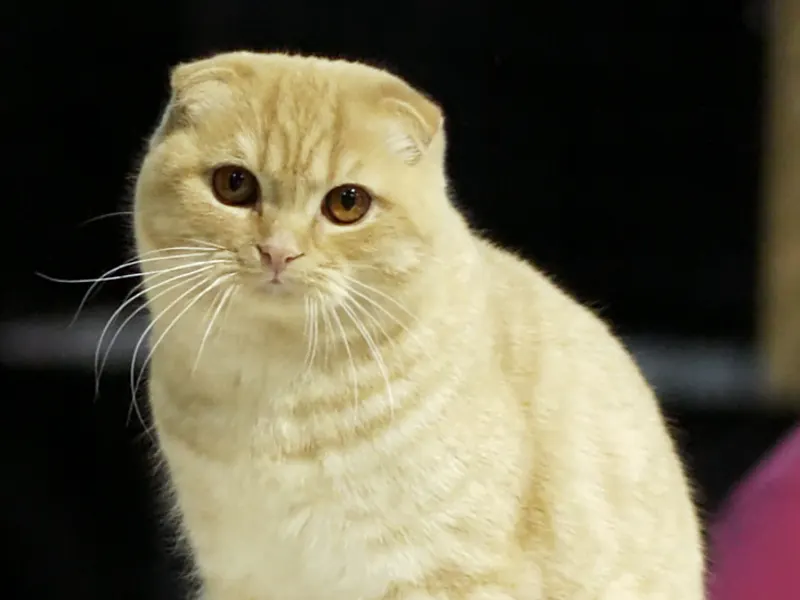
Scottish Straight
Semi-cobby
6–13 lbs · 11–15 yrs
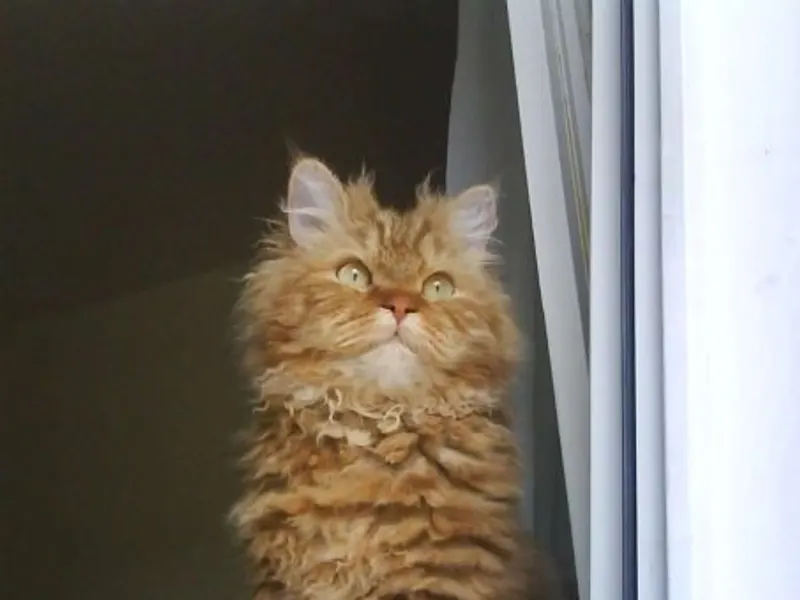
Selkirk Rex
Cobby
7–15 lbs · 10–15 yrs
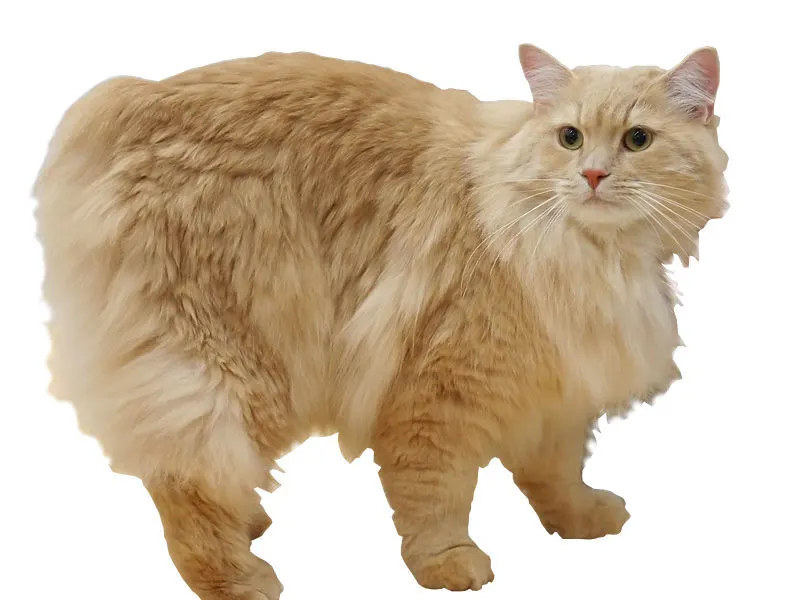
Cymric
Cobby
8–12 lbs · 8–14 yrs
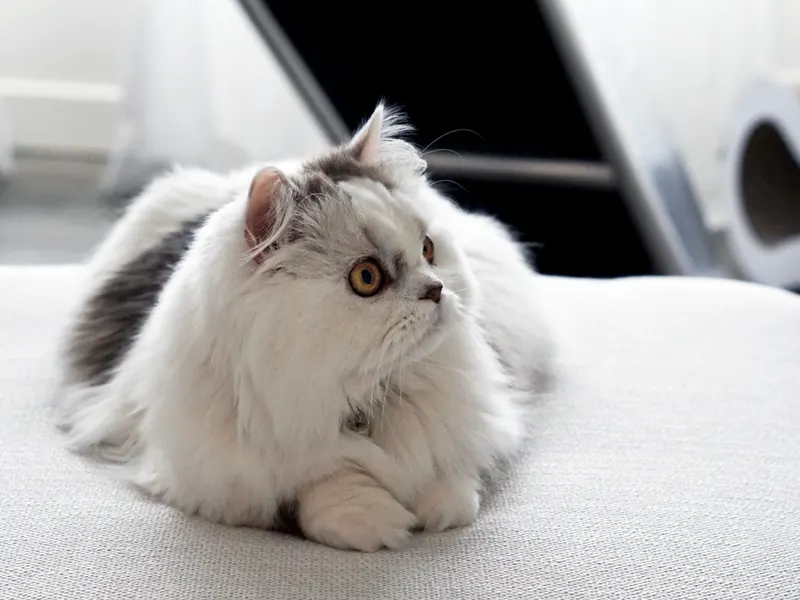
Napoleon (Minuet)
Semi-cobby
5–9 lbs · 12–14 yrs
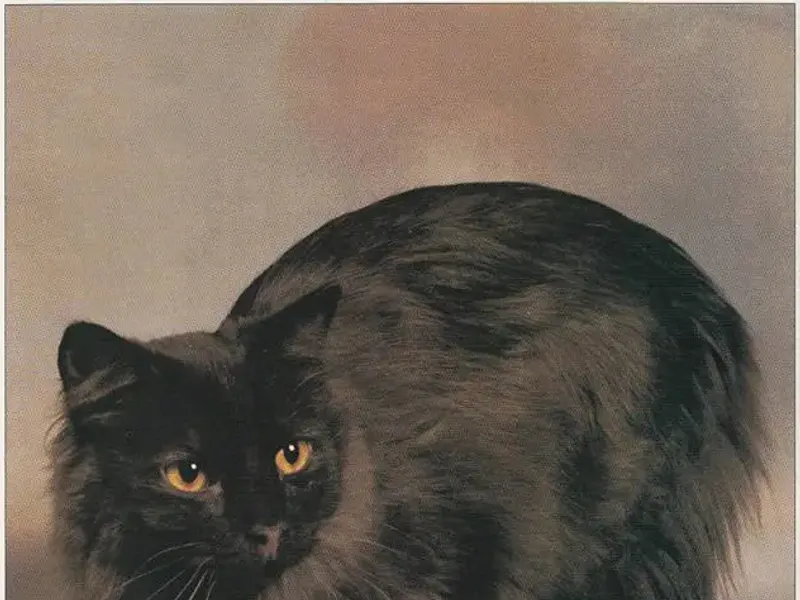
Chantilly-Tiffany
Semi-foreign
7–12 lbs · 12–16 yrs