Low Maintenance Dogs
"Low maintenance" gets used loosely in casual dog conversation, but for a breed to genuinely qualify, it needs to score low across several independent categories at once — grooming needs (coat type, shedding, professional grooming frequency), exercise requirements, training difficulty, and general health/veterinary cost — because a dog that's easy in one category but demanding in another (a short-coated breed that needs an hour of vigorous exercise daily, say) doesn't actually deliver the lower day-to-day time and cost commitment people are looking for when they search for this list specifically. Short, smooth coats that shed lightly and need only occasional brushing rule out the recurring grooming-bill and matting-risk burden that curly or continuously-growing coats carry, which is one reason several breeds here overlap with — but aren't identical to — the low-shedding list; a dog can shed moderately but still qualify as low-maintenance overall if its exercise and training needs are modest enough to offset the extra vacuuming. Moderate rather than extreme energy matters just as much: a breed needing thirty minutes or so of daily activity rather than sixty-plus fits more easily into an average working schedule without requiring a dog walker, doggy daycare, or a securely fenced yard as a practical necessity. Health profile is the most consequential and least visible factor in genuine low-maintenance status, since a breed with documented lower rates of hereditary conditions requiring ongoing management — chronic skin issues, breathing restriction, joint disease requiring surgery — saves an owner not just money over the dog's lifetime but the significant time cost of managing chronic veterinary care, medication schedules, and specialist visits. Breeds bred with a wider genetic base, or without exaggerated body proportions that have become more fashionable in some show lines over recent decades, tend to score better here, which is part of why genuine low-maintenance rankings lean away from breeds carrying those extreme structural traits. Temperament plays a real role too, distinct from the more physical categories above: a breed with an independent, even-keeled temperament that tolerates being left alone for a workday without developing separation anxiety, and that doesn't require extensive daily mental enrichment to avoid boredom-driven destructiveness, genuinely reduces the ongoing time investment needed compared with a breed that needs active daily training or puzzle-toy engagement to stay behaviorally settled — even if that second breed is otherwise easy in every other category. It's worth being honest that "low maintenance" is always relative, not absolute — every dog needs daily food, water, exercise, veterinary care, and companionship, and none of that disappears with breed choice. What breeds on this list genuinely offer is a lower floor across the combined categories that most commonly overwhelm new or busy owners, making them a stronger match for someone balancing a full-time job, limited grooming budget, or a first dog they want to succeed with rather than struggle against — not a dog that requires no ongoing care at all. Rounding out the genuinely low-maintenance picture: the Boxer combines a short, easy-care coat with generally good health for a purebred and a moderate rather than extreme exercise requirement; the Beagle offers similarly simple grooming alongside a sturdy, generally healthy constitution; and the Whippet's short coat and naturally low indoor activity level, once past puppyhood, make it a genuinely easy-care breed despite its athletic sighthound heritage. One hidden cost category catches new owners off guard more than any other: dental care. Small and toy breeds in particular carry documented higher rates of periodontal disease due to dental crowding in a smaller jaw, and untreated dental disease can lead to costly extractions and broader health complications later in life — regular tooth brushing (ideally daily, though a few times a week still helps meaningfully), dental chews with veterinary-approved effectiveness claims, and routine professional dental cleanings are a genuine ongoing cost and time commitment worth factoring into any breed's true low-maintenance status, regardless of how easy that breed otherwise is to groom and exercise. Climate plays a real, underappreciated role in genuine low-maintenance status worth naming directly: a short-coated breed that's otherwise easy-care can still face real seasonal grooming or health-management needs in a climate mismatched to its coat — sunburn risk on thin-coated breeds in intense sun, or added coat care in humid climates prone to hot-spot skin issues — meaning "low maintenance" is partly climate-dependent rather than a fixed universal breed trait, and it's worth weighing a specific region's climate alongside the breed traits already covered on this page before assuming any breed is uniformly easy everywhere.
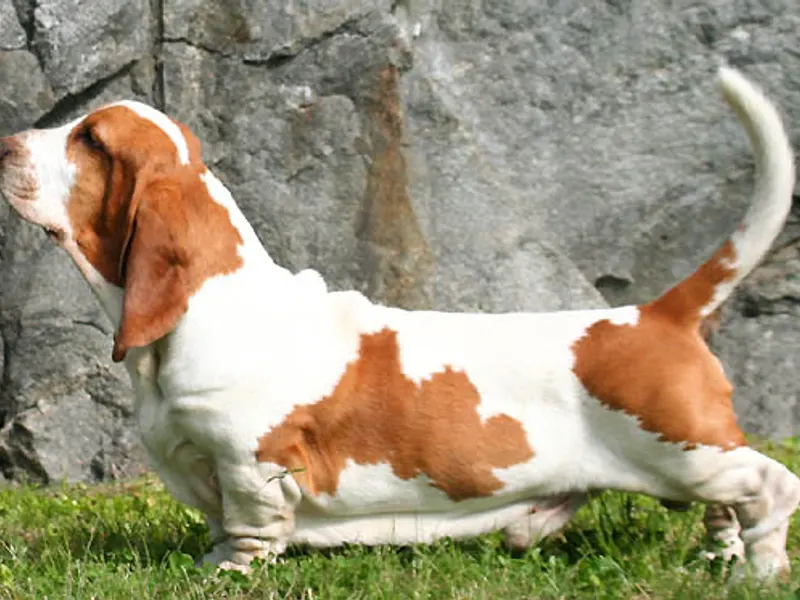
Basset Hound
Hound
40–65 lbs · 12–13 yrs
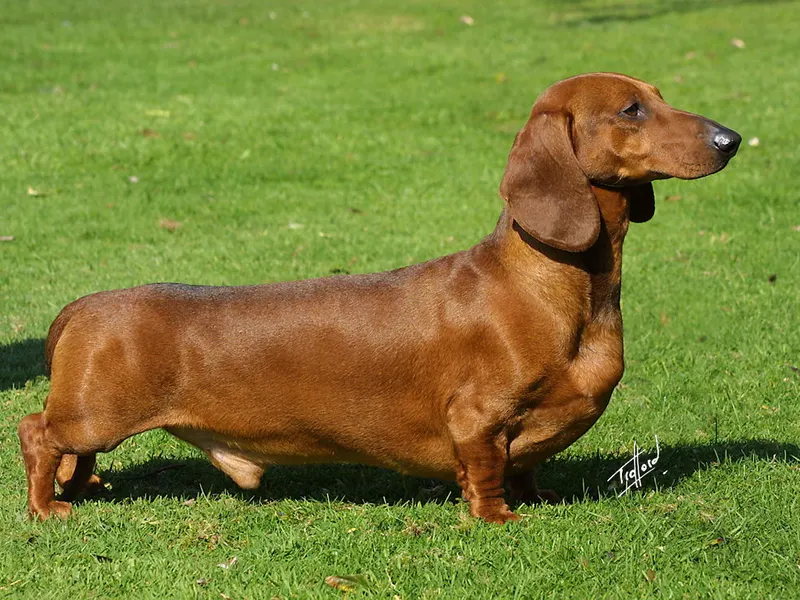
Dachshund
Hound
11–32 lbs · 12–16 yrs
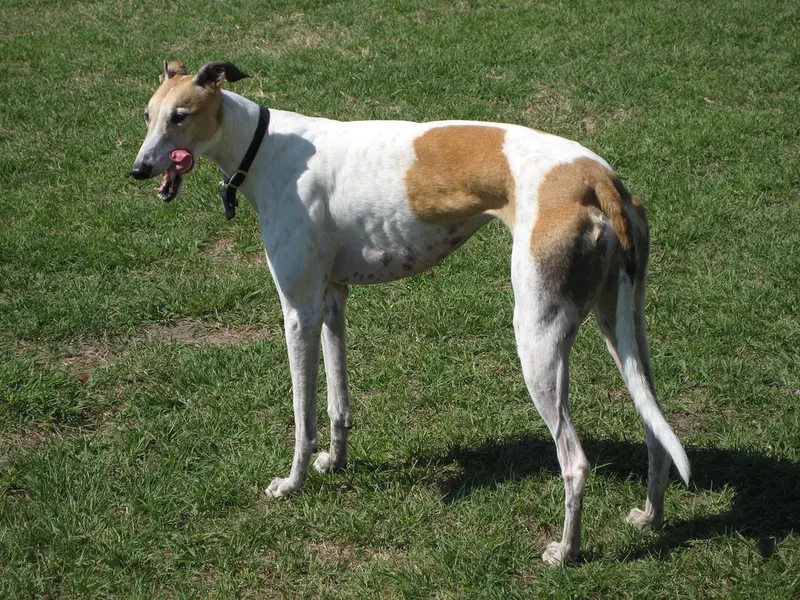
Greyhound
Hound
60–88 lbs · 10–14 yrs
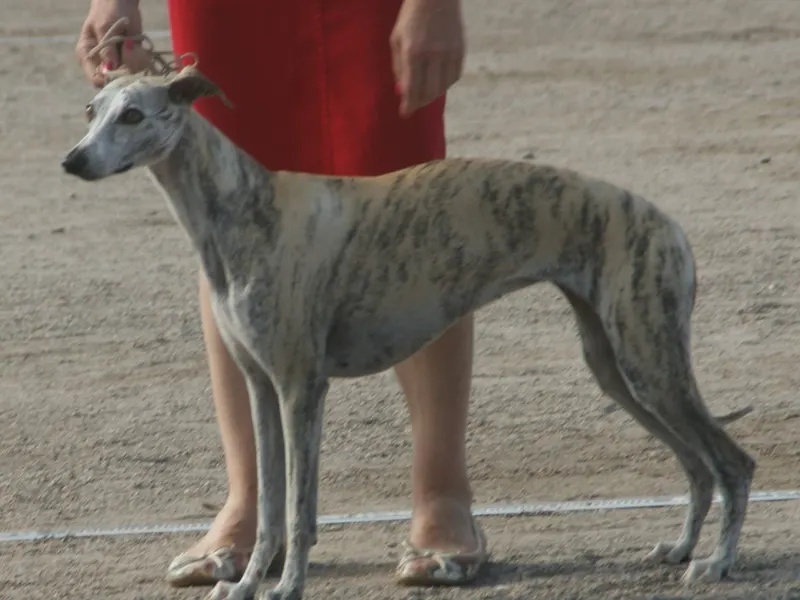
Whippet
Hound
25–40 lbs · 12–15 yrs
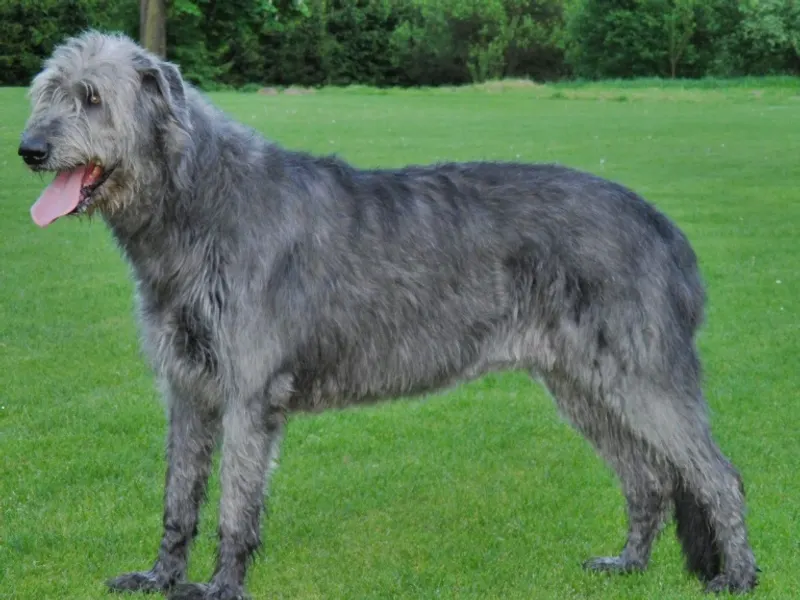
Irish Wolfhound
Hound
105–180 lbs · 6–8 yrs
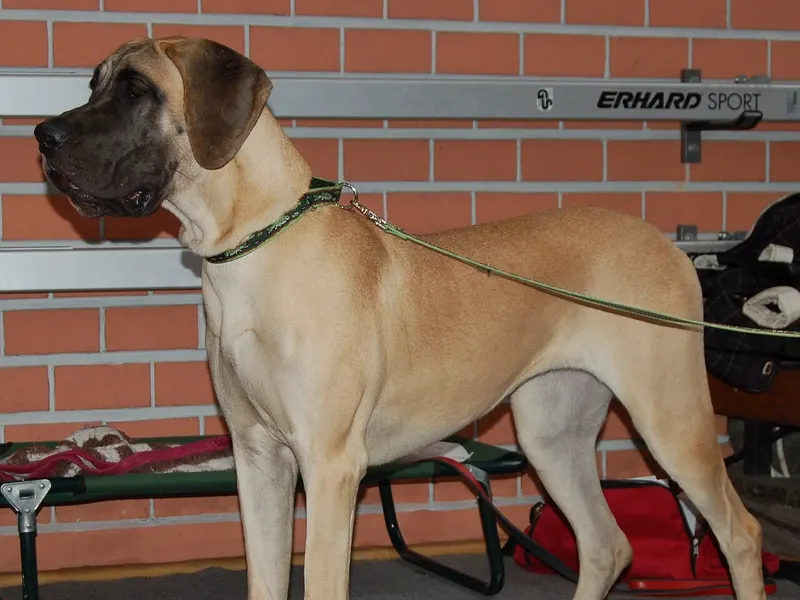
Great Dane
Working
110–175 lbs · 7–10 yrs
Mastiff
Working
120–230 lbs · 6–10 yrs
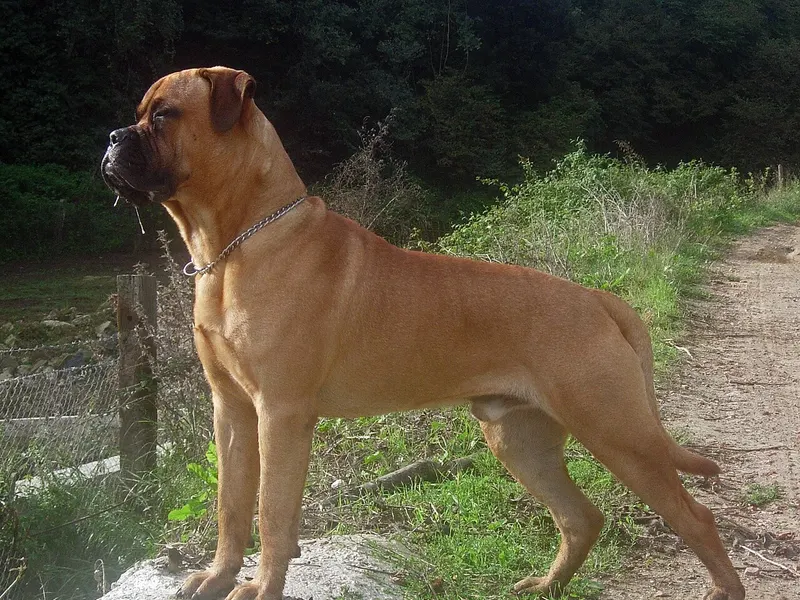
Bullmastiff
Working
100–130 lbs · 7–9 yrs
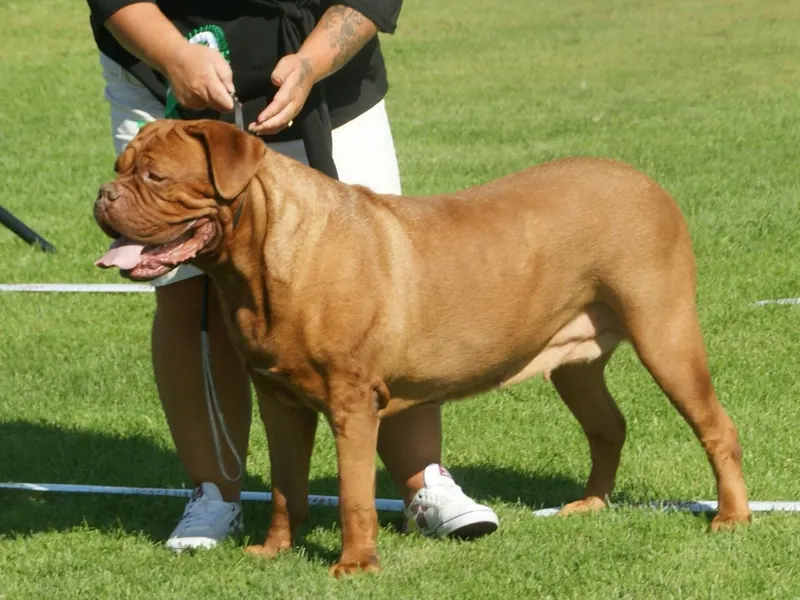
Dogue de Bordeaux
Working
99–110 lbs · 5–8 yrs
Neapolitan Mastiff
Working
110–150 lbs · 7–9 yrs
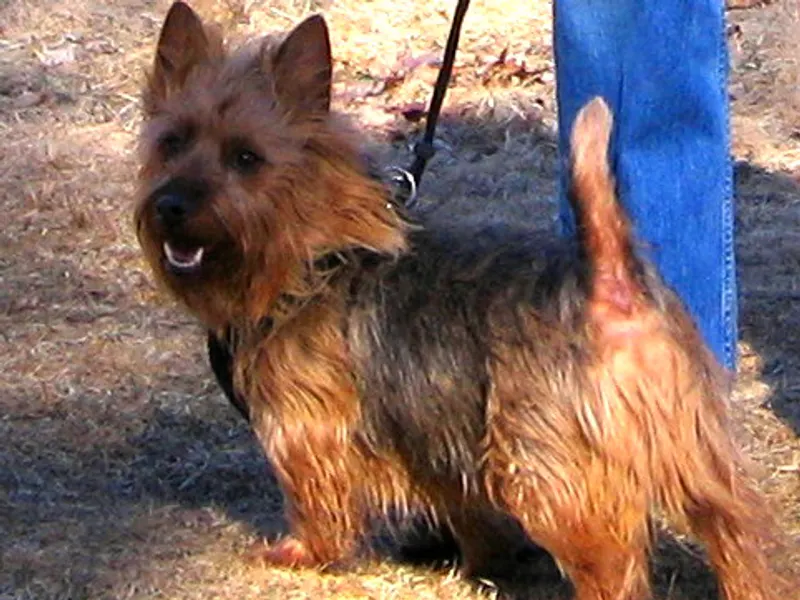
Australian Terrier
Terrier
14–16 lbs · 11–15 yrs
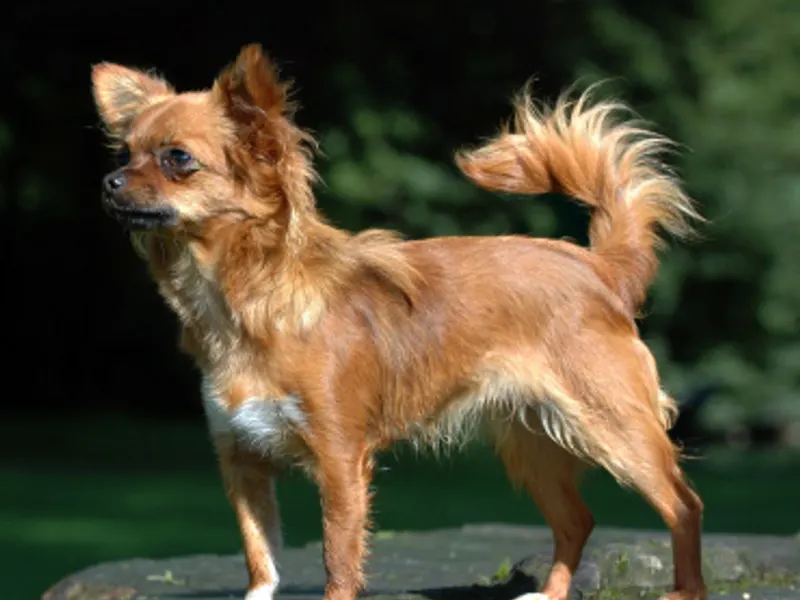
Chihuahua
Toy
2–6 lbs · 14–16 yrs
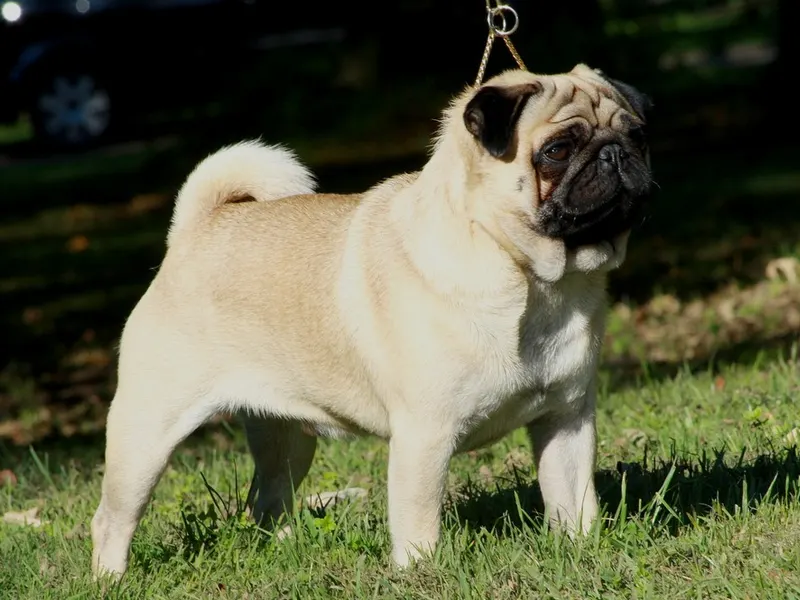
Pug
Toy
14–18 lbs · 13–15 yrs
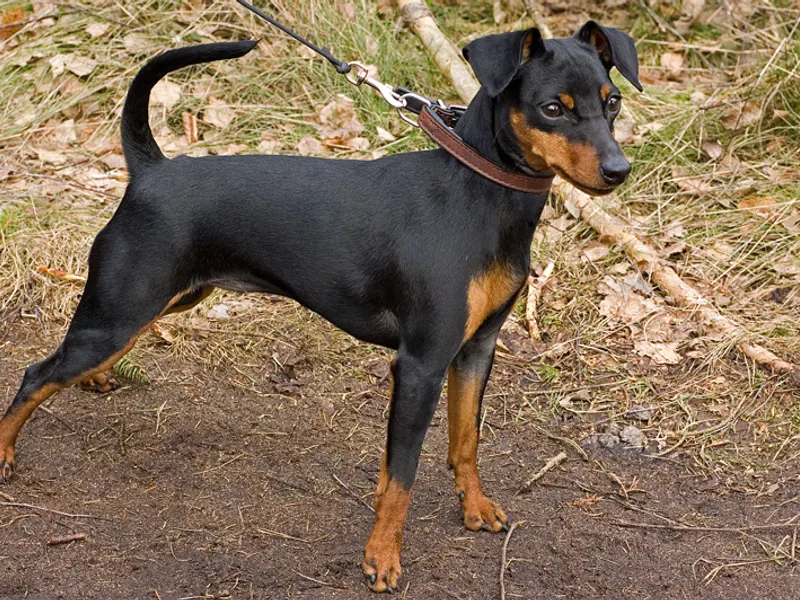
Miniature Pinscher
Toy
8–11 lbs · 12–16 yrs
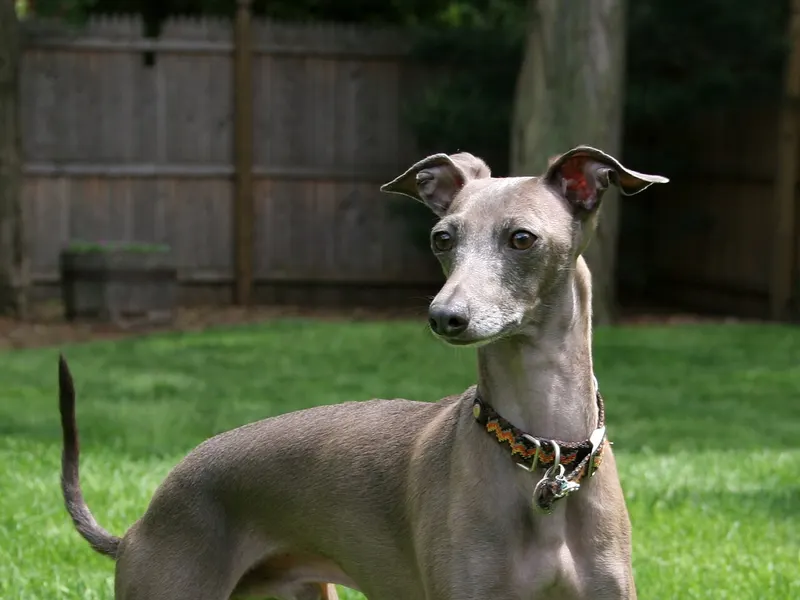
Italian Greyhound
Toy
7–14 lbs · 14–15 yrs
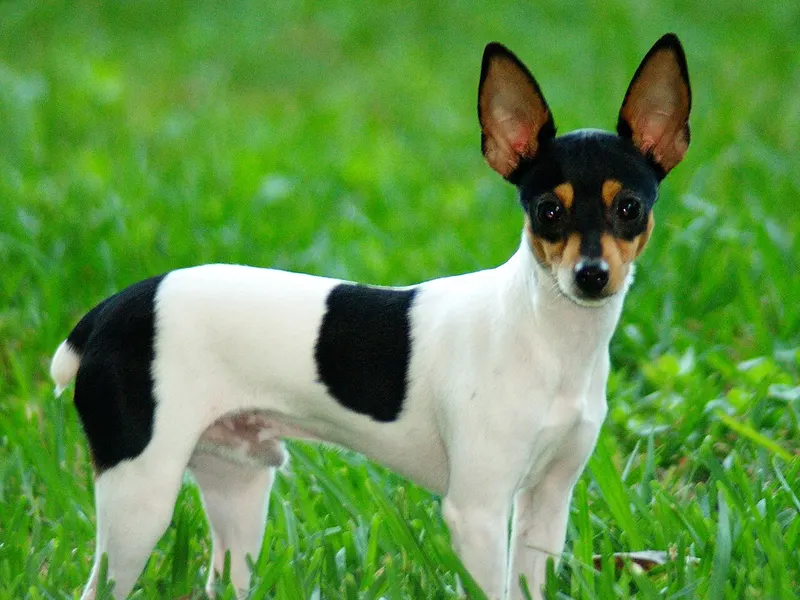
Toy Fox Terrier
Toy
3.5–7 lbs · 13–15 yrs
Bulldog
Non-Sporting
40–55 lbs · 8–10 yrs
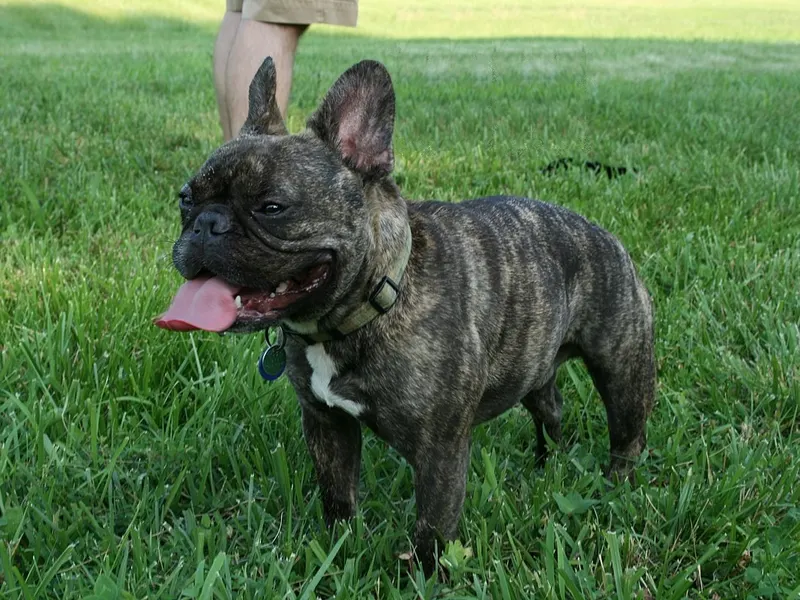
French Bulldog
Non-Sporting
16–28 lbs · 10–14 yrs
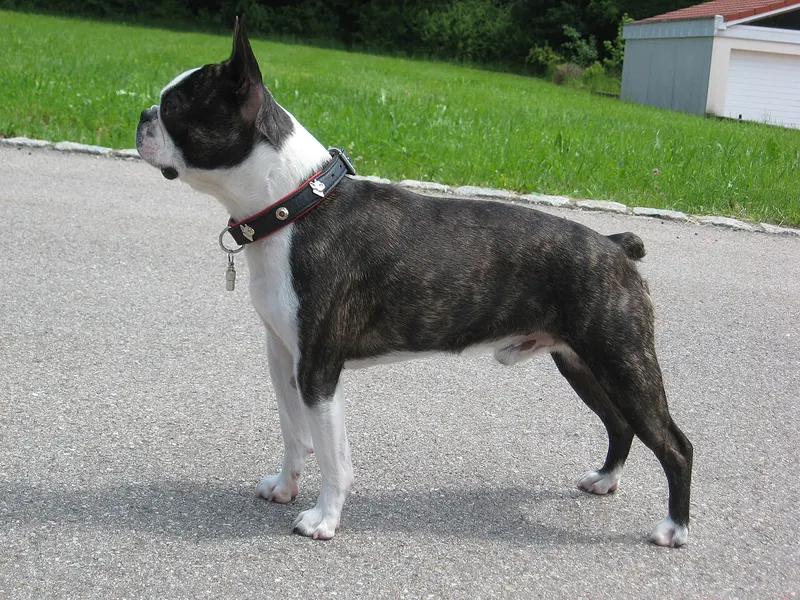
Boston Terrier
Non-Sporting
12–25 lbs · 11–13 yrs
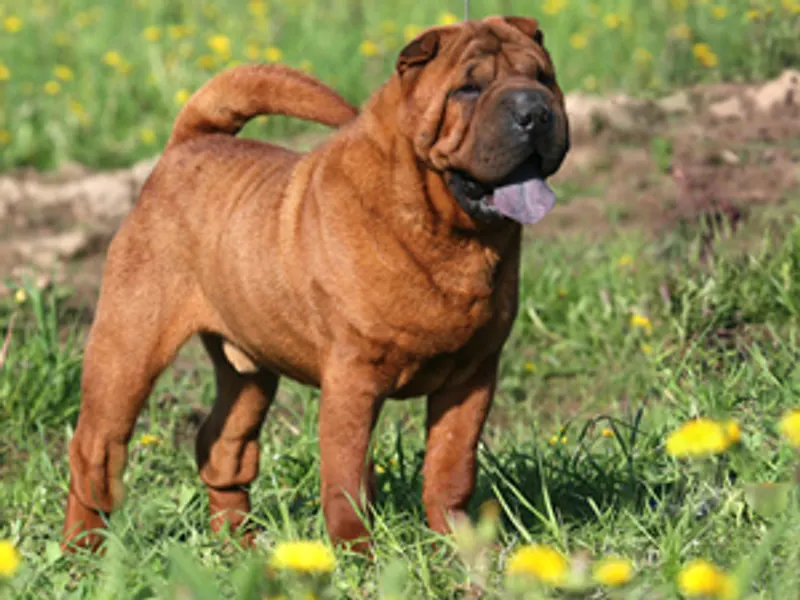
Shar-Pei
Non-Sporting
45–60 lbs · 8–12 yrs
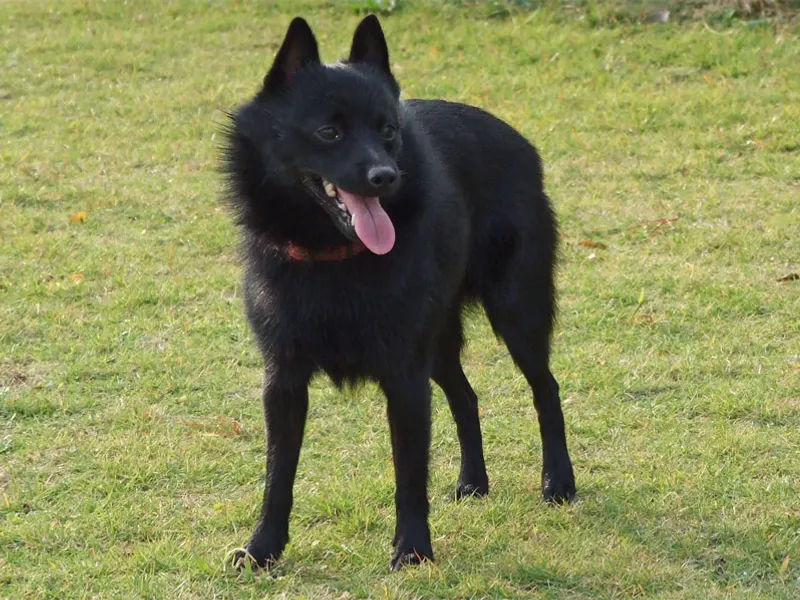
Schipperke
Non-Sporting
10–16 lbs · 12–14 yrs
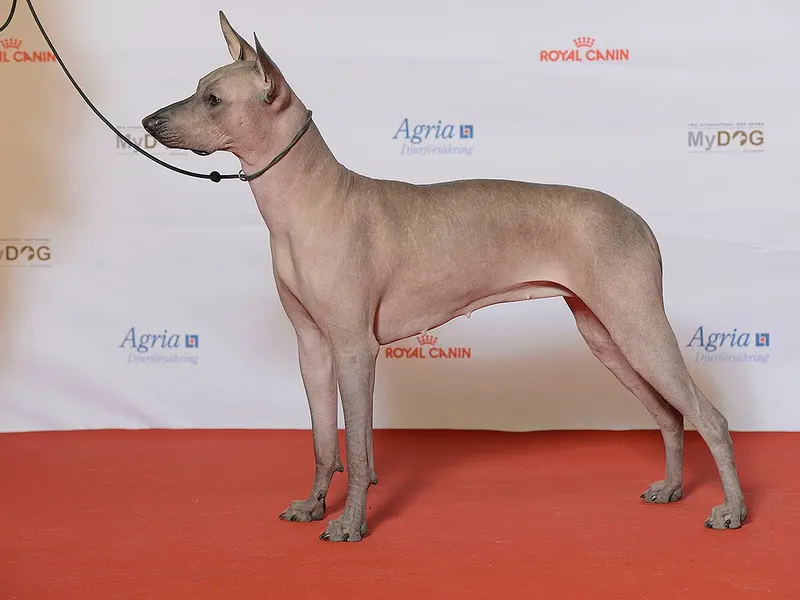
Xoloitzcuintli
Non-Sporting
10–50 lbs · 13–18 yrs
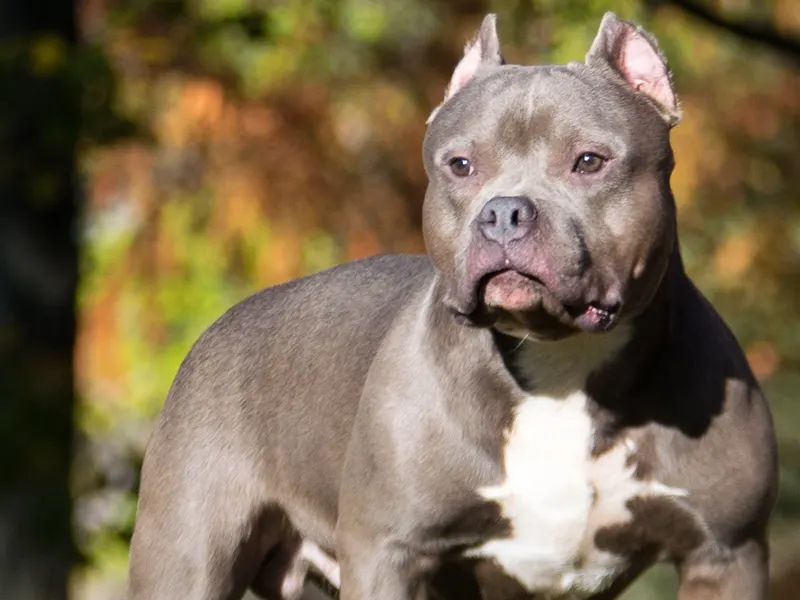
American Bully
Foundation Stock
30–150 lbs · 10–13 yrs
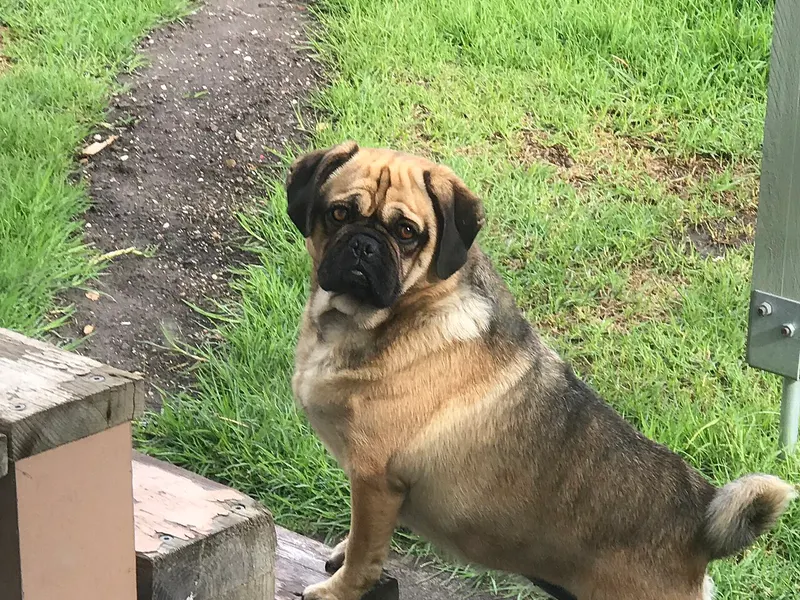
Puggle
Crossbreed
18–30 lbs · 10–13 yrs
Chiweenie
Crossbreed
5–12 lbs · 13–16 yrs
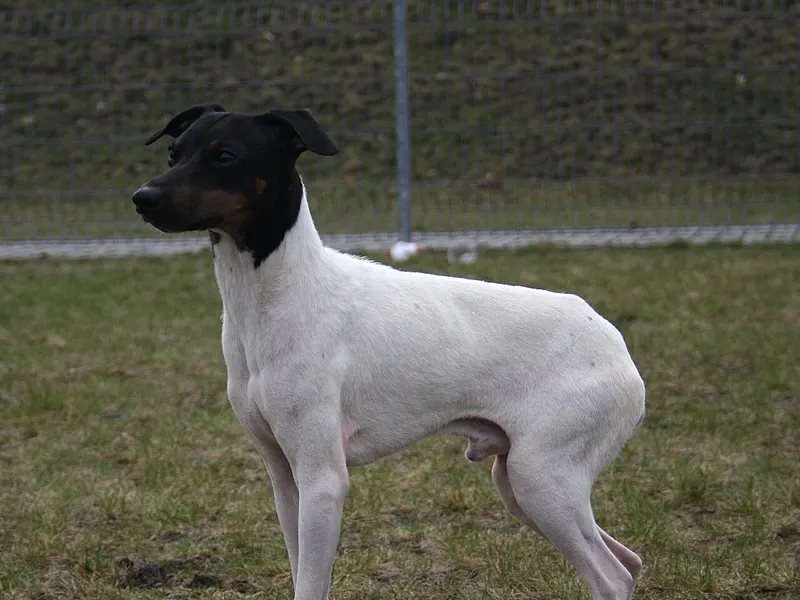
Japanese Terrier
Terrier
5–9 lbs · 12–15 yrs
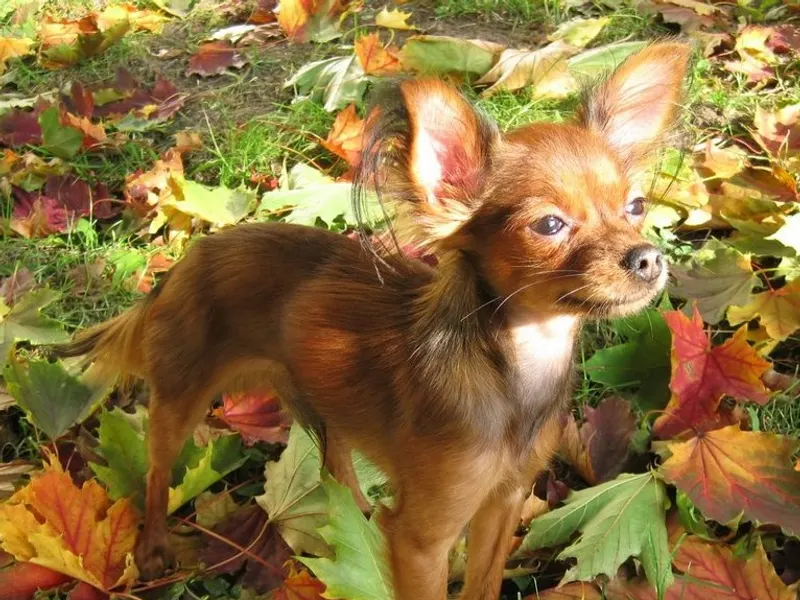
Russian Toy
Toy
3–6 lbs · 10–14 yrs
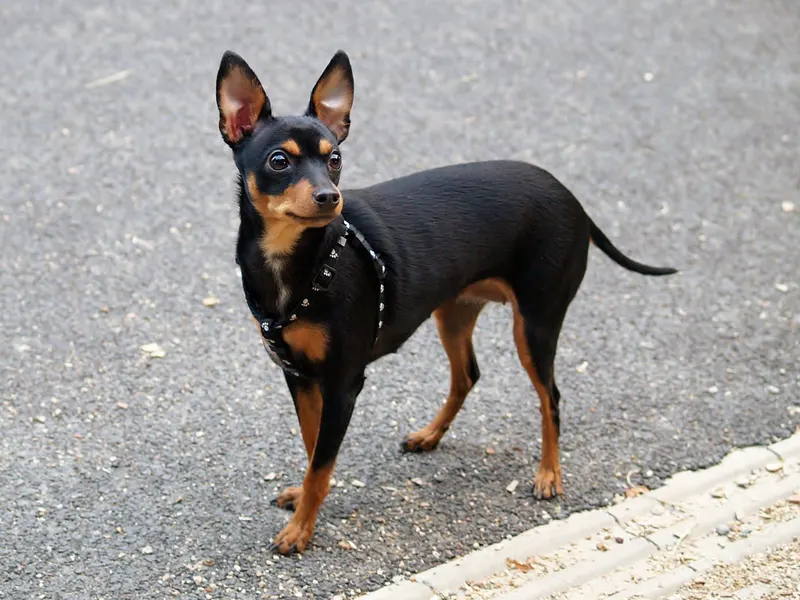
Prague Ratter
Toy
2–6 lbs · 12–15 yrs