Best Lap Cat Breeds
A genuine lap cat combines two traits that don't automatically travel together in every affectionate breed: a strong physical desire for close bodily contact specifically (rather than just general friendliness or proximity-seeking without actual lap-sitting) and a temperament calm and still enough to settle for extended periods rather than a more restless, activity-driven personality that seeks attention through play rather than stillness — meaning some breeds that rank as highly affectionate overall still don't necessarily rank as strong lap cats specifically, since affection and stillness are related but genuinely separate traits. Ragdolls again lead this category, consistent with their documented relaxed, handling-tolerant temperament covered on this site's kid-friendly list, and their tendency to go notably limp and settled when held or seated on a lap is close to the breed's defining characteristic rather than an incidental trait — Ragdoll breed history traces to deliberate mid-20th-century selection specifically for a calm, docile temperament, making the breed close to a textbook case of a trait bred intentionally into a cat population within living memory, unlike most feline temperament traits, which trace back further and less deliberately. Persians round out most lap-cat lists for a related but distinct reason tied to their physical build as much as temperament: a naturally low-energy, sedentary disposition combined with the breed's characteristically calm, undemanding personality makes settling into a lap a comfortable default state rather than an occasional behavior, though it's worth noting Persians' extensive daily grooming needs mean a Persian lap cat comes with a real ongoing coat-care commitment that should factor into the decision alongside the cuddliness that draws people to the breed in the first place. It's a genuine misconception that lap-cat tendency correlates reliably with any single physical trait like size or coat length — some notably large breeds are enthusiastic lap cats despite their size simply flowing over an owner's lap rather than fitting neatly into it, while some small breeds are more independent and standoffish than their size might suggest, meaning temperament assessment through breed history and documented behavior matters far more here than any visual shortcut based on size or coat. Individual cat personality and early handling history matter as much as breed for lap-sitting behavior specifically, arguably more so than for some other traits on this list, since a cat's comfort with prolonged physical contact develops substantially through kittenhood experience with gentle handling — a kitten regularly and gently held, petted, and allowed to settle on a person's lap during its early weeks is considerably more likely to become a reliable adult lap cat regardless of breed than a kitten with limited early handling, even from a breed with a strong lap-cat reputation. The cats included here carry a documented calm, contact-seeking temperament reported by breed clubs and consistent owner accounts, though anyone specifically wanting a lap cat should prioritize meeting an individual kitten or adult cat's actual behavior over breed assumption wherever possible. Rounding out the lap-sitting picture: the Exotic Shorthair, sharing the Persian's calm, settled temperament in a lower-maintenance coat; the Birman combines a gentle, people-oriented personality with a documented preference for close physical contact; and the Scottish Fold, alongside the joint-health considerations worth researching separately, is frequently described by owners as an unusually cuddly, lap-seeking companion. There's a practical technique for encouraging lap-sitting in a cat that hasn't developed the habit naturally on its own, useful across any breed: sitting quietly with a soft blanket on the lap, using calm, low-pitched talking or gentle petting only once the cat approaches on its own rather than picking the cat up and placing it there, and rewarding calm settling behavior with a favorite treat can gradually build a positive association with lap time even in a cat whose breed reputation or individual personality leans less naturally toward it — patience and letting the cat initiate matters more than any specific technique, since a cat placed on a lap against its will typically learns to avoid the lap rather than seek it out. It's worth naming a seasonal pattern lap-cat owners often notice: many cats seek out laps more actively during colder months, likely tied to simple warmth-seeking behavior layered on top of any underlying breed-level affection tendency, meaning a cat's lap-sitting frequency can genuinely fluctuate somewhat by season even within a consistently affectionate breed — worth knowing so a temporary seasonal dip in lap time isn't mistaken for a change in the cat's actual bond or personality. Keeping a soft blanket specifically designated for lap time, used consistently in the same spot, gives a cat a reliable cue that helps build the habit faster than an inconsistent setup that changes location or texture from one attempt to the next.
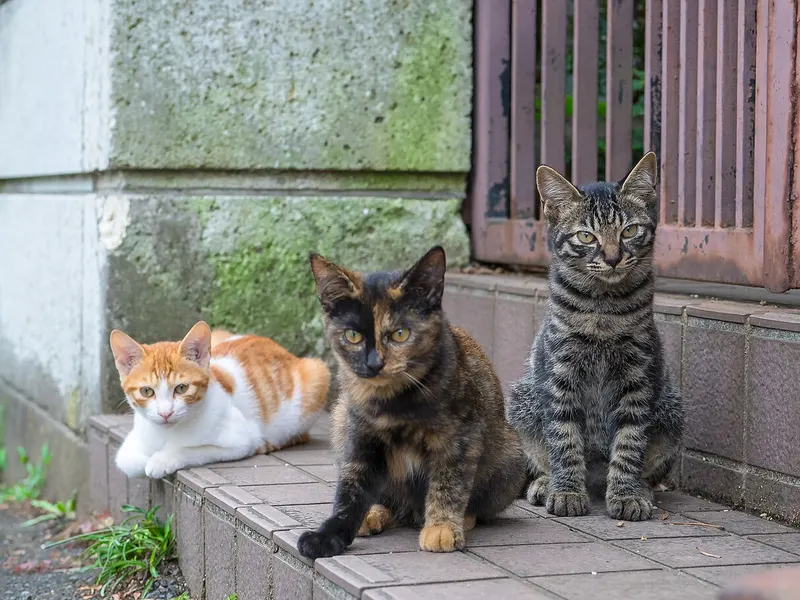
Domestic Shorthair
Semi-foreign
8–12 lbs · 12–18 yrs
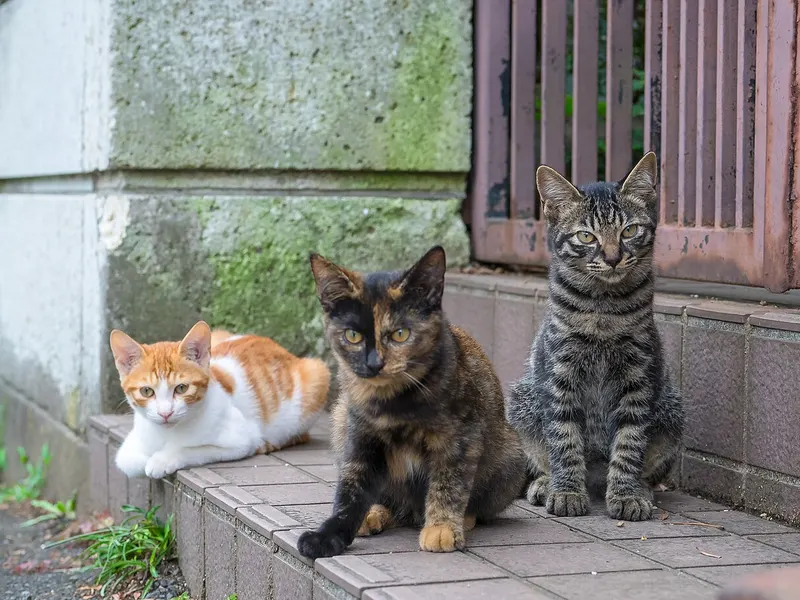
Domestic Longhair
Semi-foreign
8–15 lbs · 12–18 yrs
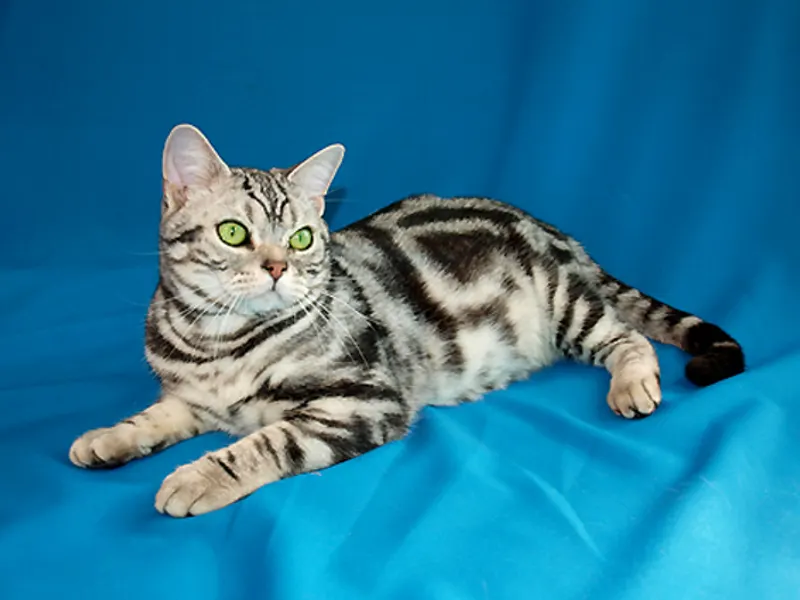
American Shorthair
Cobby
8–15 lbs · 15–20 yrs
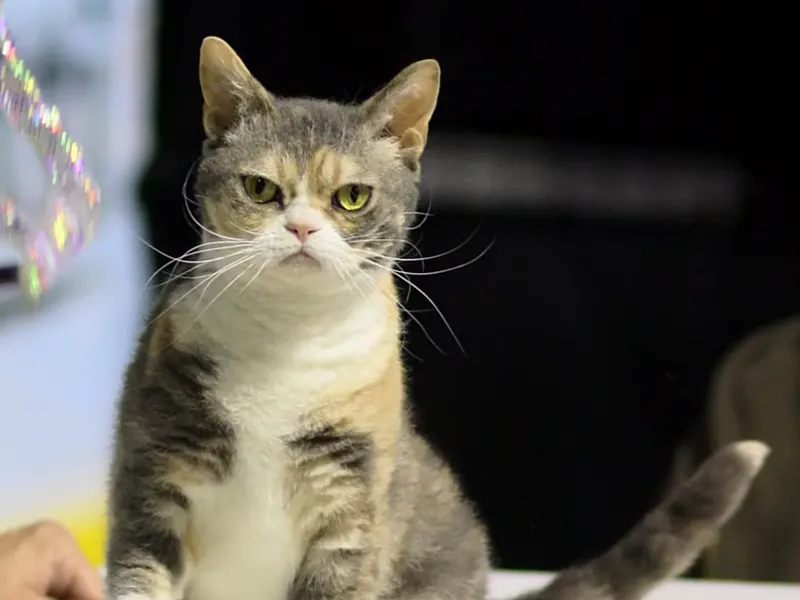
American Wirehair
Cobby
8–15 lbs · 14–18 yrs
Birman
Semi-cobby
8–12 lbs · 12–16 yrs
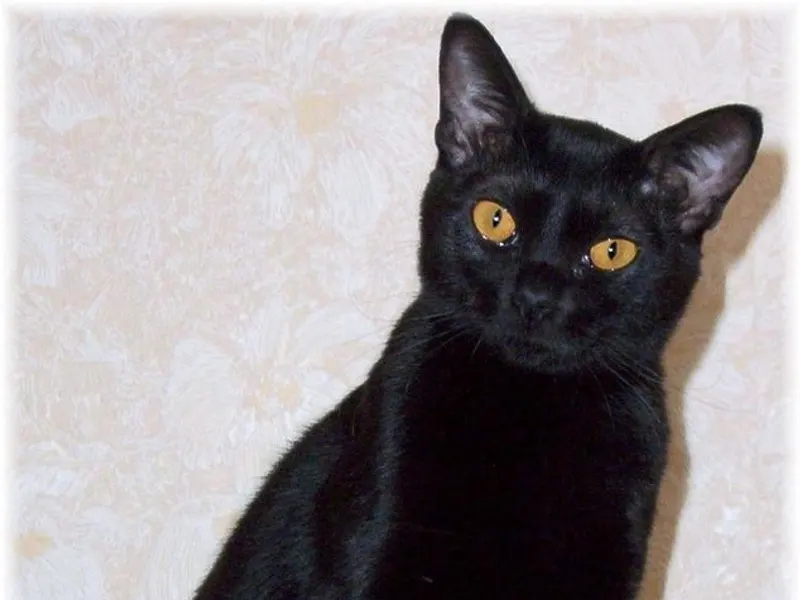
Bombay
Semi-cobby
6–11 lbs · 12–16 yrs
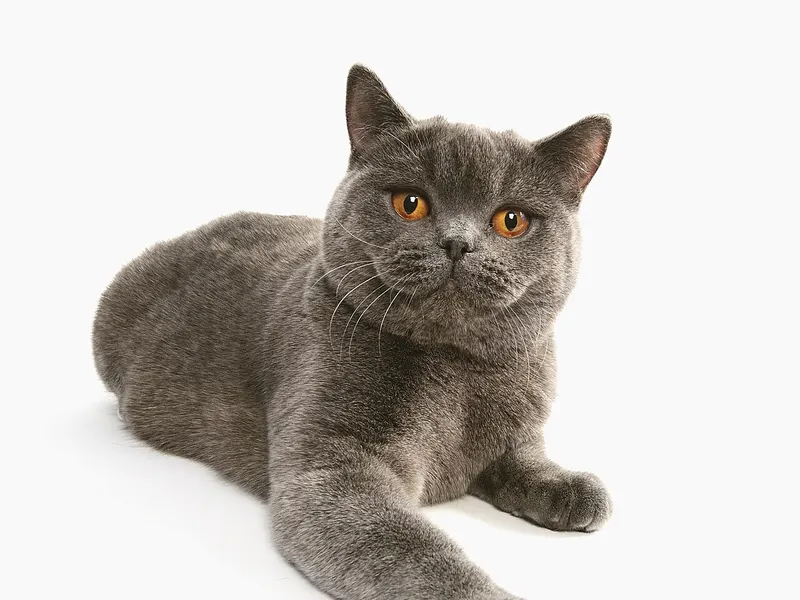
British Shorthair
Cobby
9–18 lbs · 12–17 yrs
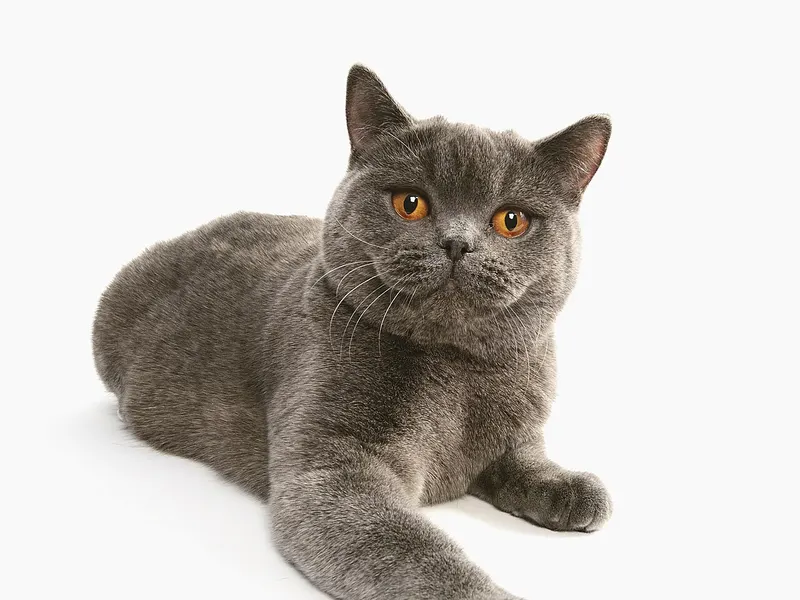
British Longhair
Cobby
9–17 lbs · 12–17 yrs
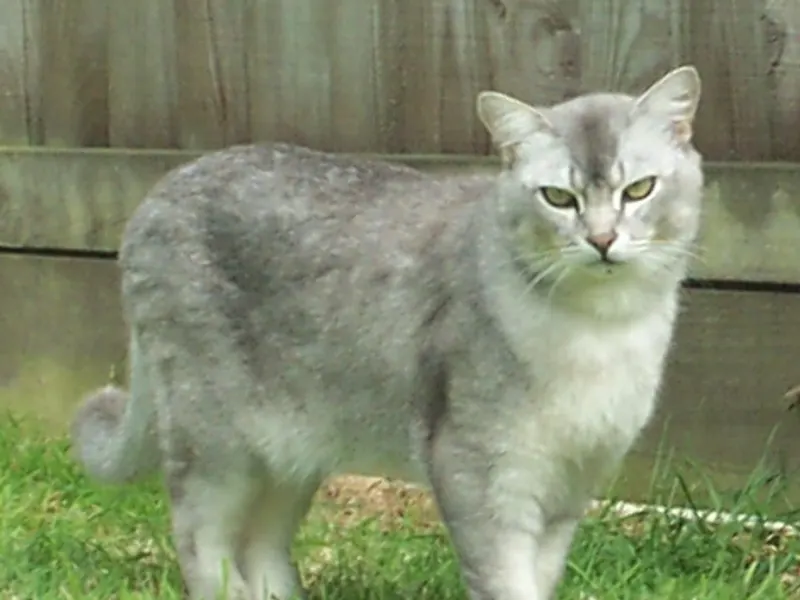
Burmilla
Semi-cobby
6–12 lbs · 10–15 yrs
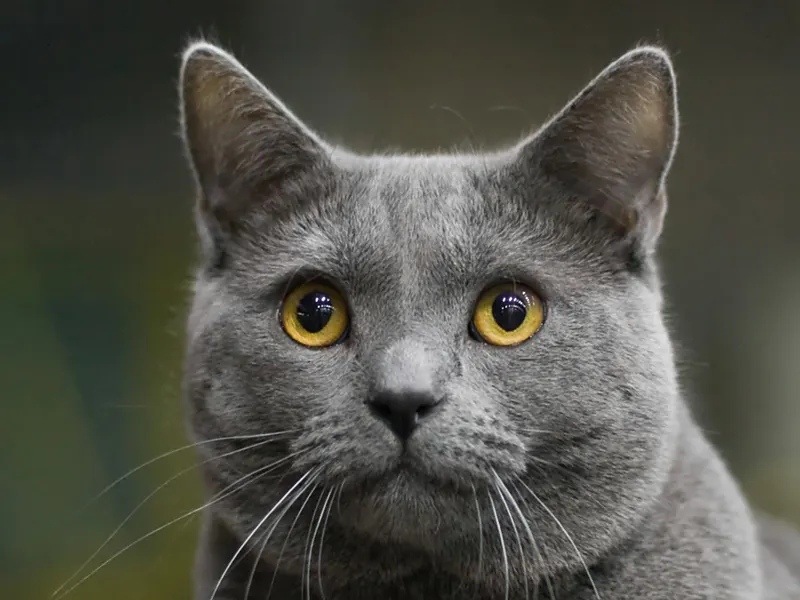
Chartreux
Semi-cobby
7–16 lbs · 12–15 yrs
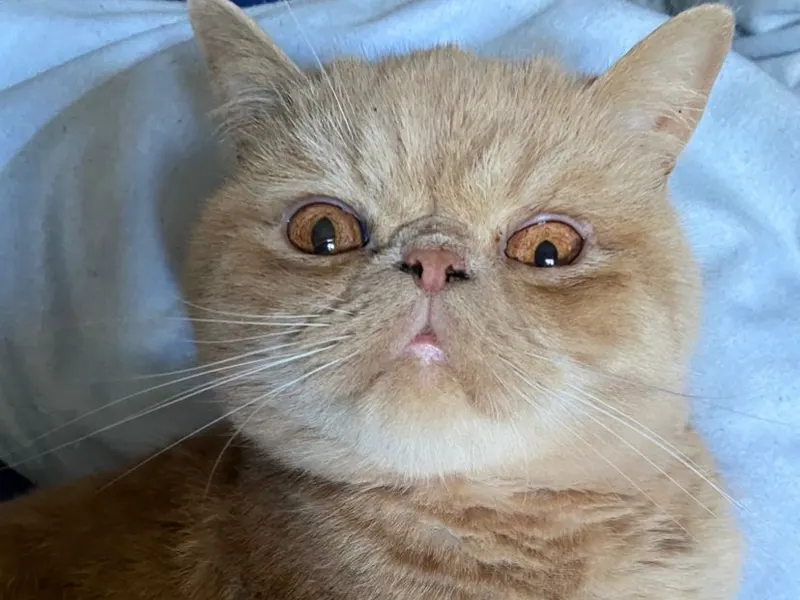
Exotic Shorthair
Cobby
7–14 lbs · 12–15 yrs
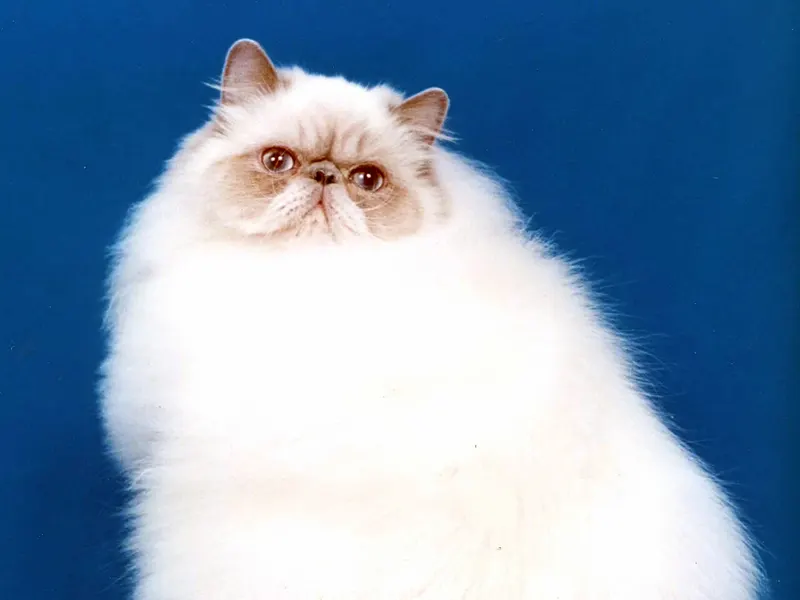
Himalayan
Cobby
7–12 lbs · 9–15 yrs
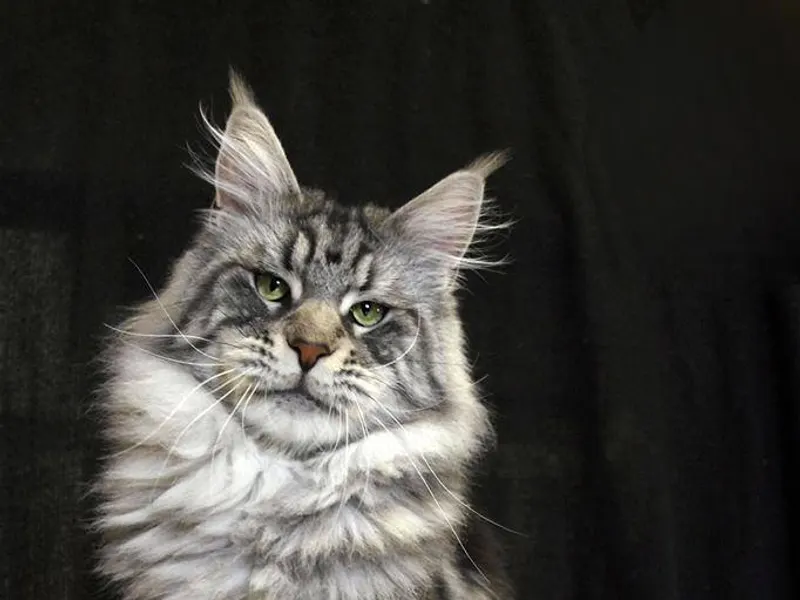
Maine Coon
Long & Substantial
10–25 lbs · 12–15 yrs
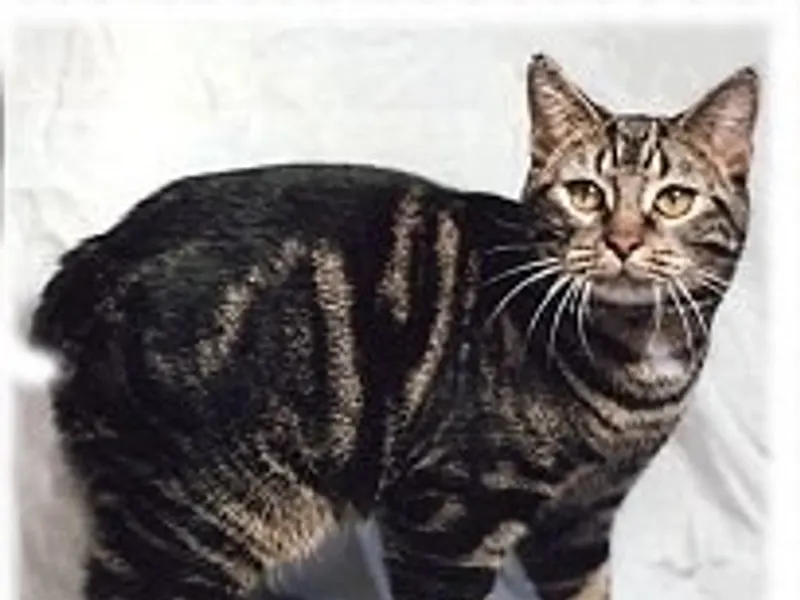
Manx
Cobby
8–12 lbs · 8–14 yrs
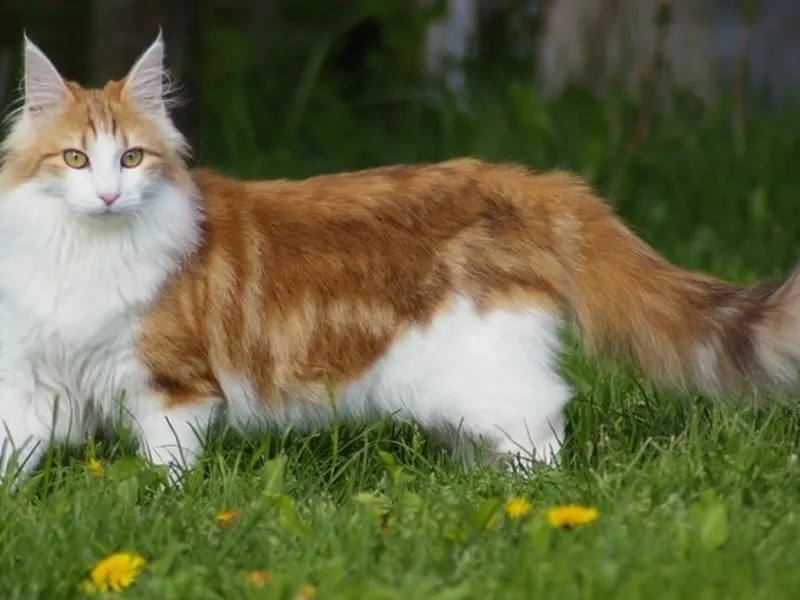
Norwegian Forest Cat
Long & Substantial
10–22 lbs · 14–16 yrs
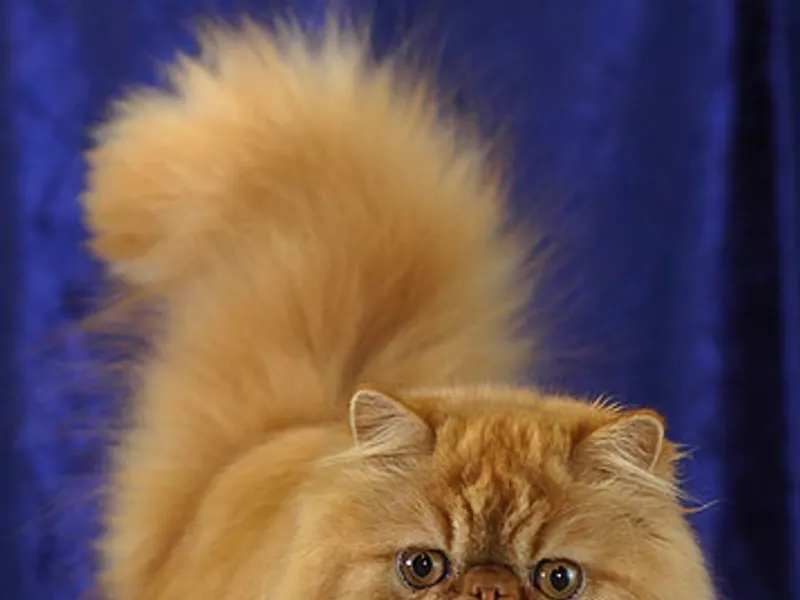
Persian
Cobby
7–12 lbs · 10–17 yrs
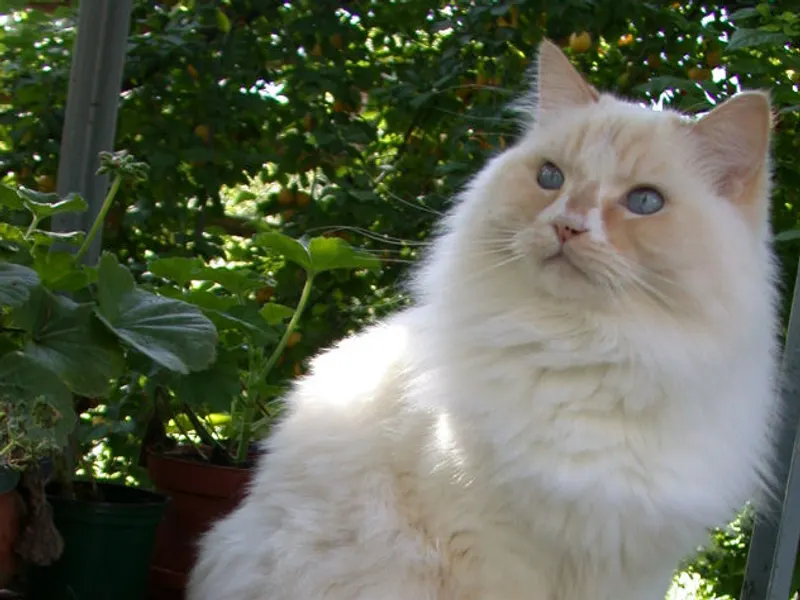
Ragamuffin
Semi-cobby
8–20 lbs · 12–16 yrs
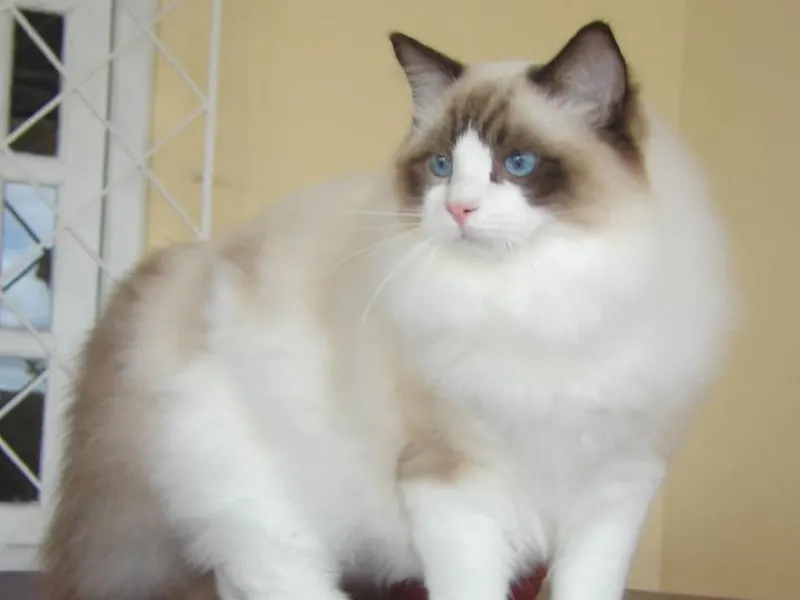
Ragdoll
Semi-cobby
10–20 lbs · 12–17 yrs
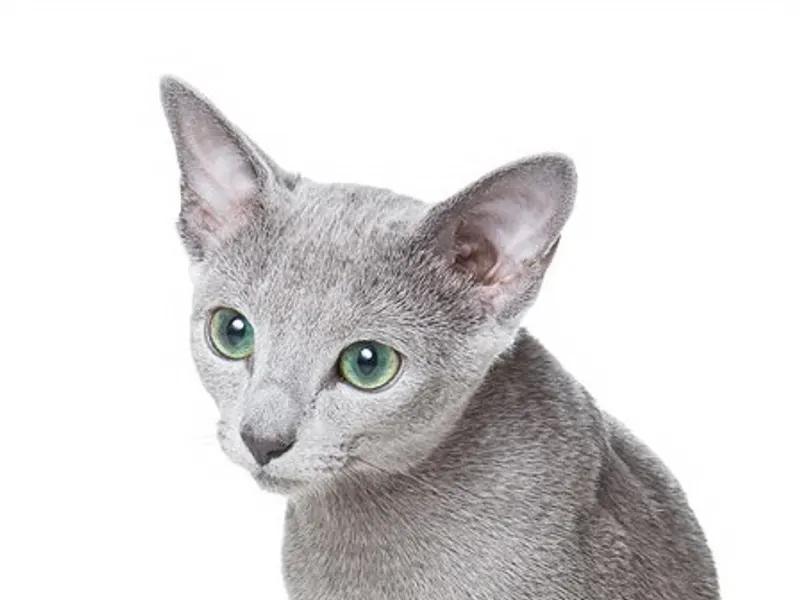
Russian Blue
Foreign
7–12 lbs · 15–20 yrs
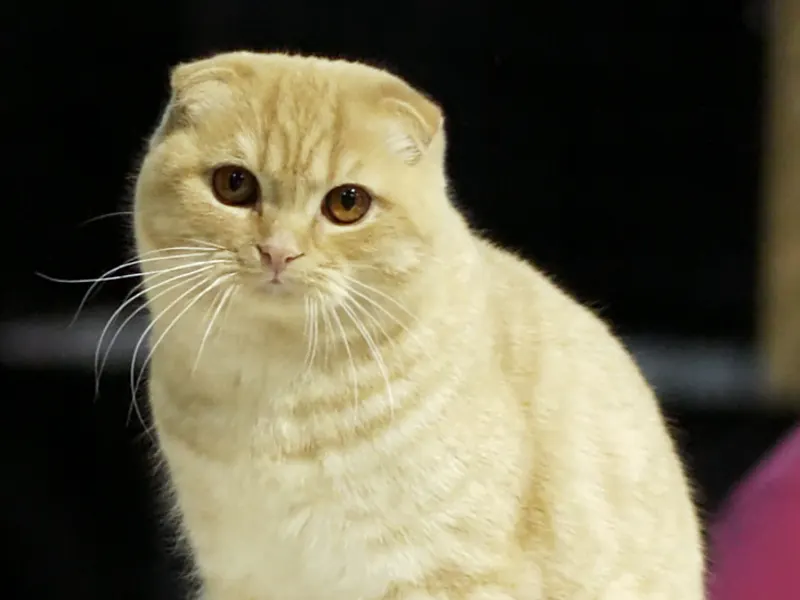
Scottish Fold
Semi-cobby
6–13 lbs · 11–15 yrs
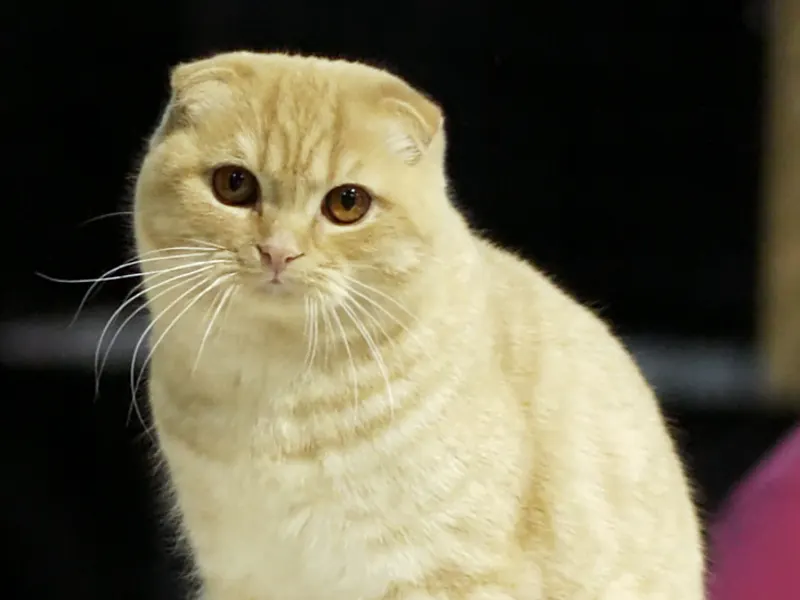
Scottish Straight
Semi-cobby
6–13 lbs · 11–15 yrs
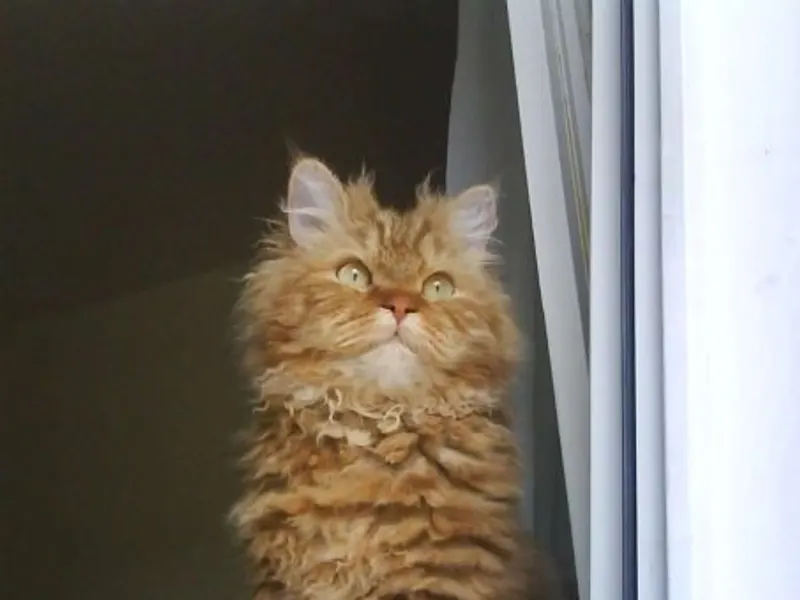
Selkirk Rex
Cobby
7–15 lbs · 10–15 yrs
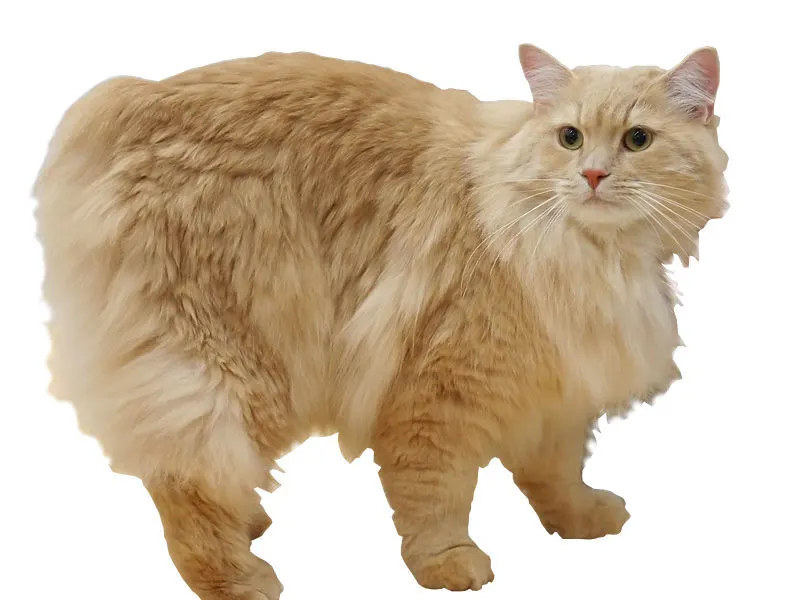
Cymric
Cobby
8–12 lbs · 8–14 yrs
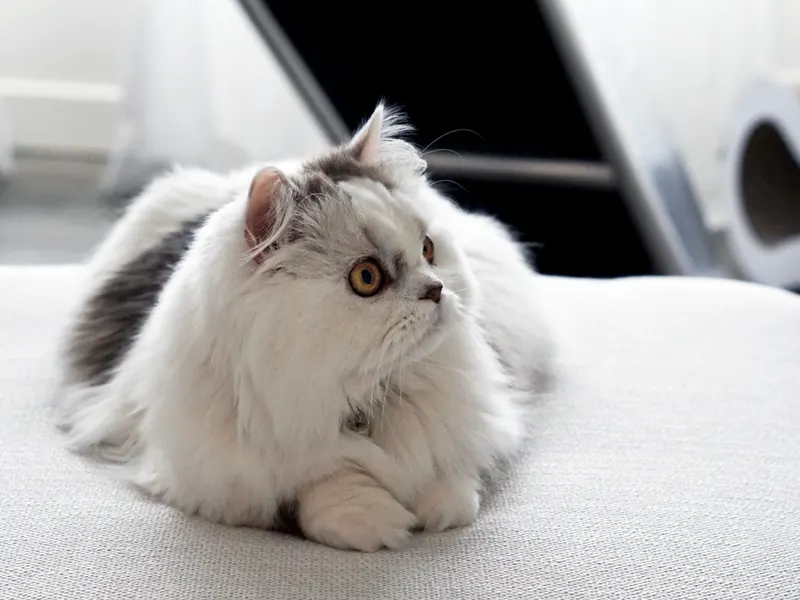
Napoleon (Minuet)
Semi-cobby
5–9 lbs · 12–14 yrs
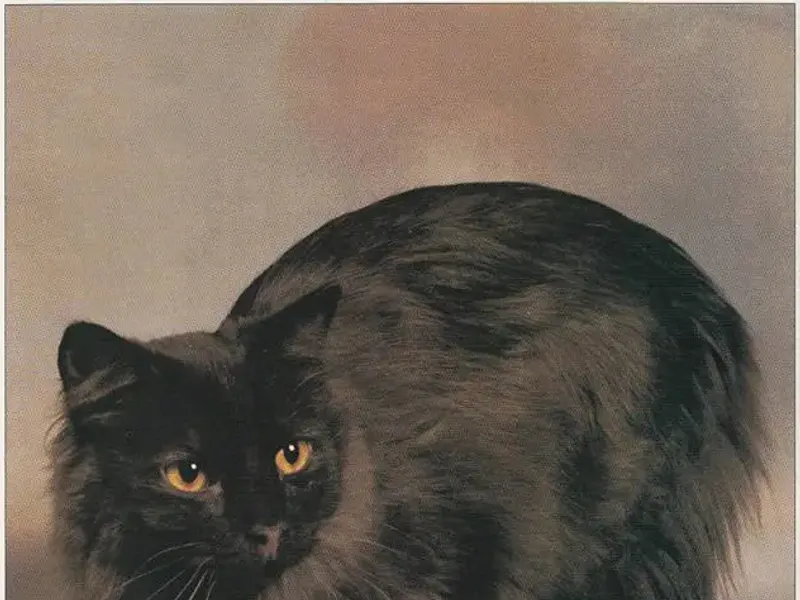
Chantilly-Tiffany
Semi-foreign
7–12 lbs · 12–16 yrs