Giant Dog Breeds
25 breeds in this group.
Giant breeds — generally starting around 90 pounds and running up past 150 for the largest members — represent the size extreme of the domestic dog, and living with one means genuinely planning around a specific, well-documented set of tradeoffs that don't apply, or apply far less severely, to any smaller size bracket on this site: a shorter average lifespan, materially higher feeding and veterinary costs, and an elevated risk of gastric dilatation-volvulus (bloat), a sudden, life-threatening twisting of the stomach that occurs disproportionately in large, deep-chested breeds and requires emergency surgery to survive. Many veterinarians now recommend a prophylactic gastropexy — a procedure that tacks the stomach in place to prevent it from twisting — for giant breeds at the time of spay or neuter specifically because of how quickly bloat can turn fatal without intervention, a preventive step rarely discussed for smaller dogs at all. The sighthound branch of this bracket — Irish Wolfhound, Scottish Deerhound, Borzoi — represents some of the tallest dogs in the registry, built not for pure speed alone but for the size and reach needed to bring down large game like wolves and deer historically, and despite their imposing size, all three tend toward a notably gentle, even reserved temperament and comparatively low at-home energy once past puppyhood, following the same "sprint then rest" pattern documented across sighthounds generally regardless of size. The giant guardian and mastiff-type breeds — Great Dane, Mastiff, Bullmastiff, Cane Corso, Neapolitan Mastiff, Dogue de Bordeaux, Presa Canario, Tibetan Mastiff, Black Russian Terrier — carry real protective instinct alongside their size, which makes early, structured socialization and obedience work genuinely higher-stakes than for a smaller breed with a similar temperament, since the physical consequences of an undersocialized giant guardian's poor decision scale directly with its size and strength. The livestock guardian breeds in this bracket — Great Pyrenees, Anatolian Shepherd Dog, Komondor, Kuvasz, Greater Swiss Mountain Dog (technically a draft breed but comparable in size), Estrela Mountain Dog, Pyrenean Mastiff — were bred over centuries to make independent protective decisions while living largely unsupervised among livestock, and that history produces a giant dog that's typically calm and affectionate at home but naturally cautious around unfamiliar people and slower to defer to the kind of constant, repetition-heavy obedience training that suits a more handler-focused breed; this is a real behavioral difference worth understanding before assuming every giant, gentle-looking breed will behave identically to a Newfoundland or Saint Bernard. The genuinely "gentle giant" cluster — Newfoundland, Saint Bernard, Bernese Mountain Dog, Leonberger — was bred instead for draft work, water rescue, and Alpine farm labor rather than protection, and this cluster is generally the most reliably biddable and family-oriented of the giant breeds, though the Bernese Mountain Dog in particular carries a documented, unusually short average lifespan for its size (commonly cited around 7 to 8 years) tied to a notably elevated rate of certain cancers within the breed, a health reality worth researching honestly rather than glossing over given how emotionally difficult that shortened timeline can be for a family. Feeding and housing a giant breed carries practical costs worth planning for realistically before committing: food costs scale roughly with body weight, giant-breed puppy growth needs careful management (feeding a large-breed-formula food that controls growth rate is now standard veterinary advice specifically because too-rapid growth in a giant-breed puppy is linked to higher rates of orthopedic problems later in life), and even routine veterinary costs like medication dosing, boarding, and grooming supplies tend to run higher simply because everything from a flea preventive to a dog bed scales with size. Giant breeds also mature more slowly than smaller dogs both physically and behaviorally, often not reaching full adult size or full emotional maturity until two to three years of age, meaning the exuberant, clumsy adolescent phase — already a challenge in any breed — persists considerably longer in a dog that may already weigh 100-plus pounds well before its temperament has fully settled. This bracket suits households with the space, budget, and physical strength to manage a genuinely large animal comfortably, and prospective owners should weigh the emotionally difficult reality of a shortened average lifespan honestly against the very real rewards these breeds offer — most giant breeds bring a calm, dignified presence and, in the gentle-giant cluster especially, a remarkably patient temperament with children that smaller, higher-strung breeds don't always match, but that tradeoff is worth entering into with eyes open rather than discovered only once the bloat risk, shortened lifespan, or sheer cost of care becomes apparent after the fact. Because cost is one of the most underestimated aspects of giant-breed ownership, it's worth being concrete about where the expense actually shows up. Food costs scale roughly linearly with body weight, so a 150-pound Mastiff eating a proportionally similar diet to a 50-pound dog can easily cost two to three times as much monthly in food alone. Medication dosing for anything prescribed by weight follows the same scaling, and some medications, particularly for chronic conditions, can become a genuinely significant recurring cost at giant-breed doses. Routine supplies — a bed large enough to fit the dog comfortably, a crate sized appropriately, a vehicle able to transport the dog safely — all cost meaningfully more than equivalent gear for a smaller breed, and boarding facilities sometimes charge a size-based premium as well. None of this is a reason to avoid a giant breed, but it's worth budgeting honestly before committing rather than discovering the real monthly cost only after bringing a puppy home. Training a giant breed puppy carries its own specific timeline worth understanding. Because these breeds mature more slowly than smaller dogs both physically and behaviorally, the exuberant, poorly-coordinated adolescent phase — a challenge in any breed — persists longer here, often well into the second year, in a dog that may already weigh close to its adult size well before its judgment and impulse control have caught up. This mismatch between physical size and emotional maturity is a common source of frustration for first-time giant-breed owners expecting a large, calm adult dog to show up considerably sooner than it actually does, and most breeders and trainers specifically counsel patience through an adolescent period that can genuinely run a year or more longer than what a medium-breed owner experiences. Grief and end-of-life planning deserve honest mention too, given how much shorter giant-breed lifespans run on average compared with smaller dogs — many giant breeds live 7 to 10 years against the 12-to-14-year average common in mid-sized dogs, and some, like the Bernese Mountain Dog, run shorter still due to elevated cancer rates within the breed. This is a genuinely difficult tradeoff some prospective owners underweight against the appeal of a large, dignified companion, and it's worth entering into with clear eyes rather than treating the eventual loss as a distant abstraction. Home modifications are worth planning for directly with this bracket in mind, since ramps for older or joint-sensitive giant dogs unable to comfortably use stairs, reinforced furniture able to support genuinely substantial weight, and wider doorways or hallways for easier navigation all become practical realities well before old age for some of the largest breeds here, and building these accommodations in early tends to work out better than retrofitting them once mobility issues have already set in. Puppy socialization windows matter with particular urgency in this bracket, since the standard critical socialization period (roughly the first three to four months of a puppy's life) still applies at giant-breed scale, but a giant-breed puppy is growing rapidly enough during that same window that many owners underestimate how large and physically imposing the puppy already is by the time formal socialization classes typically begin, making early, deliberate exposure even more of a priority than the already-high standard set for other size brackets. Insurance underwriting for giant breeds sometimes differs from other size brackets in ways worth checking directly, since some homeowner's and renter's insurance policies apply weight-based restrictions independent of any specific breed-name restriction, meaning even a giant breed with an excellent individual temperament and no breed-specific restriction can still trigger a policy's general large-dog weight threshold, a detail worth confirming with an insurance provider before finalizing an adoption or purchase. Breed-specific rescue organizations for giant breeds frequently note that adult and senior giant dogs are disproportionately represented in their intake relative to puppies, often surrendered by owners who underestimated the size, cost, or shortened companionship timeline discussed throughout this hub, making adoption of an adult giant breed a genuinely well-informed and often overlooked option. An adult giant-breed rescue dog also sidesteps the demanding, injury-prone growth-management period discussed earlier entirely, since its skeletal development is already complete, a genuine practical advantage for anyone specifically wary of the giant-breed puppy growth-rate risks covered above. Because several giant breeds were bred for cold climates specifically, prospective owners in consistently hot regions should research a candidate breed's actual heat tolerance directly rather than assuming size alone predicts climate suitability, since a heavily coated northern giant breed can struggle considerably more in sustained heat than an equally large but more heat-tolerant Mediterranean or warm-climate guardian breed within the same weight bracket. Because giant breeds are less commonly kept than small or medium dogs in most urban and suburban areas, specialized veterinary practices with genuine hands-on giant-breed experience aren't universally available in every region, and it's worth confirming a prospective veterinarian's direct experience with large-breed orthopedic and cardiac concerns specifically before committing to a giant breed in an area without an obviously well-established large-dog veterinary community.
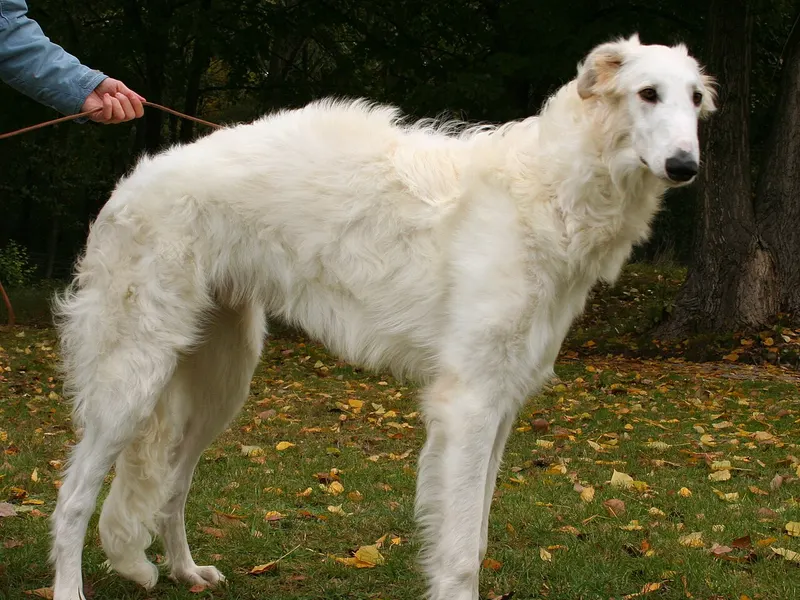
Borzoi
Hound
60–105 lbs · 9–14 yrs
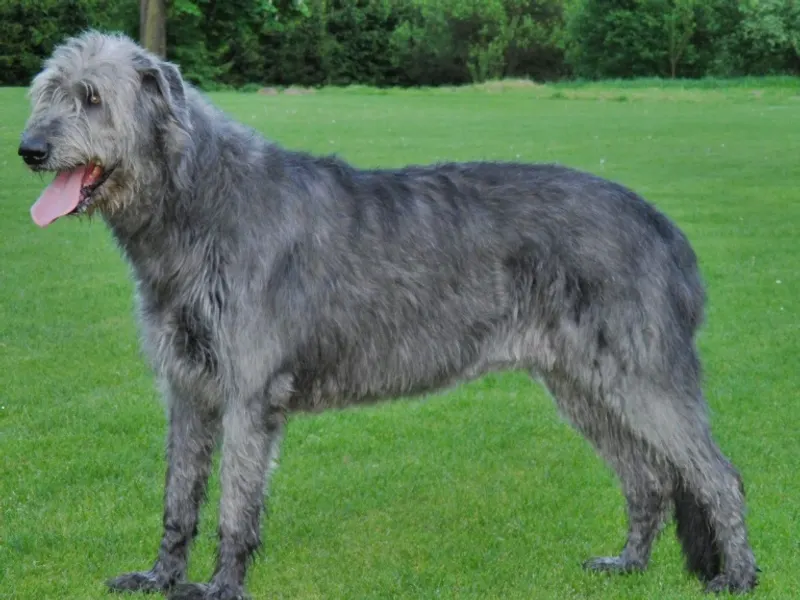
Irish Wolfhound
Hound
105–180 lbs · 6–8 yrs
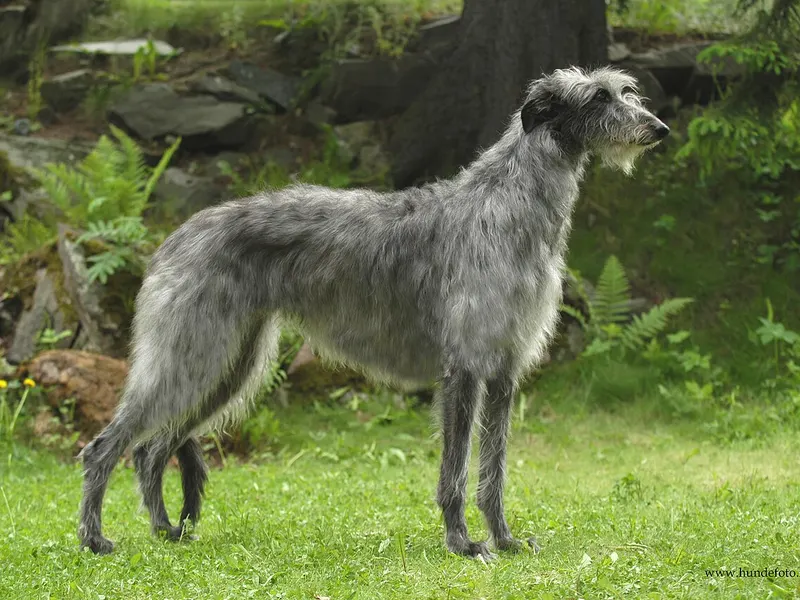
Scottish Deerhound
Hound
75–110 lbs · 8–11 yrs
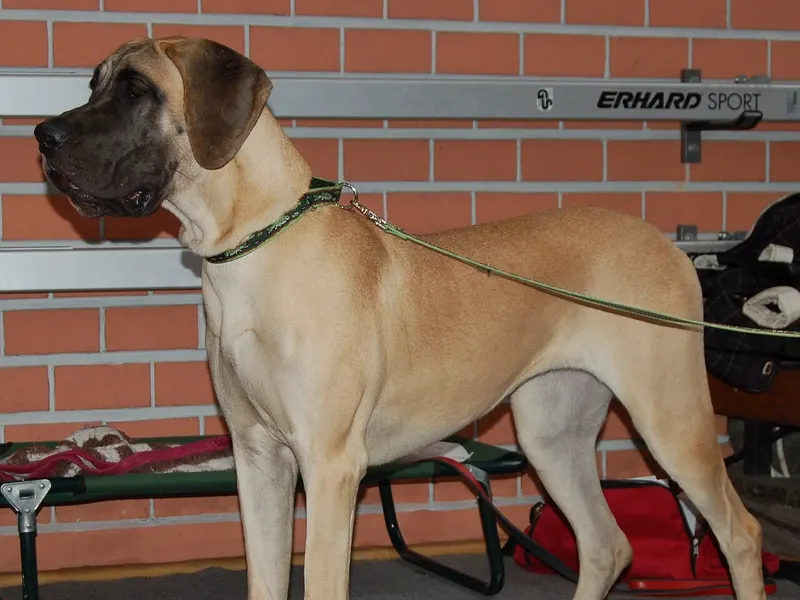
Great Dane
Working
110–175 lbs · 7–10 yrs
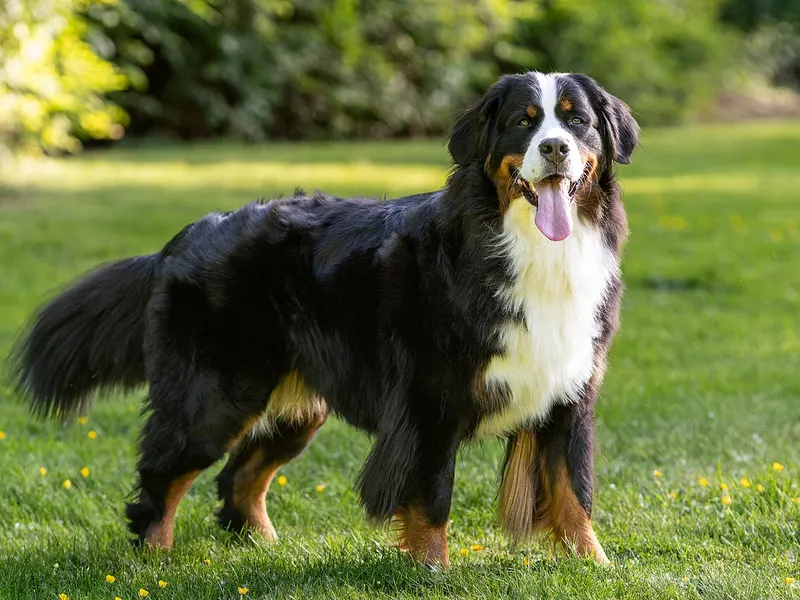
Bernese Mountain Dog
Working
70–115 lbs · 7–10 yrs
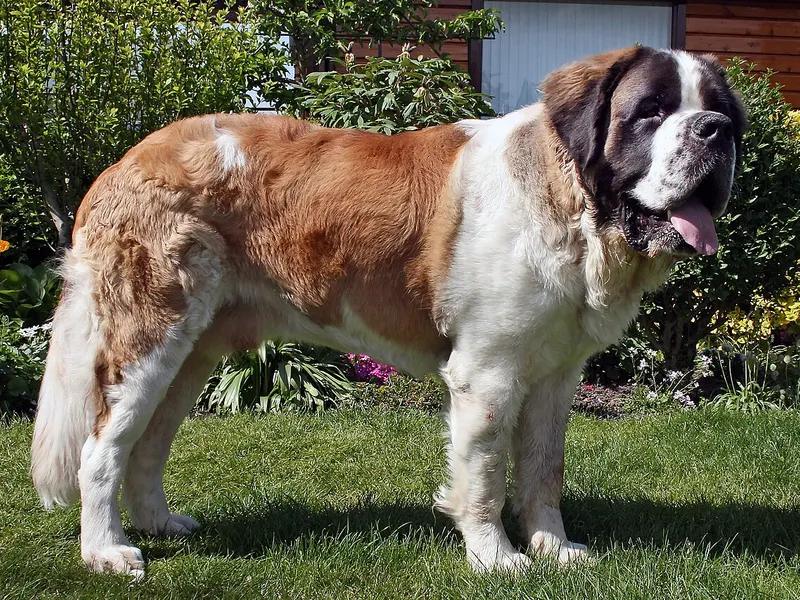
Saint Bernard
Working
120–180 lbs · 8–10 yrs
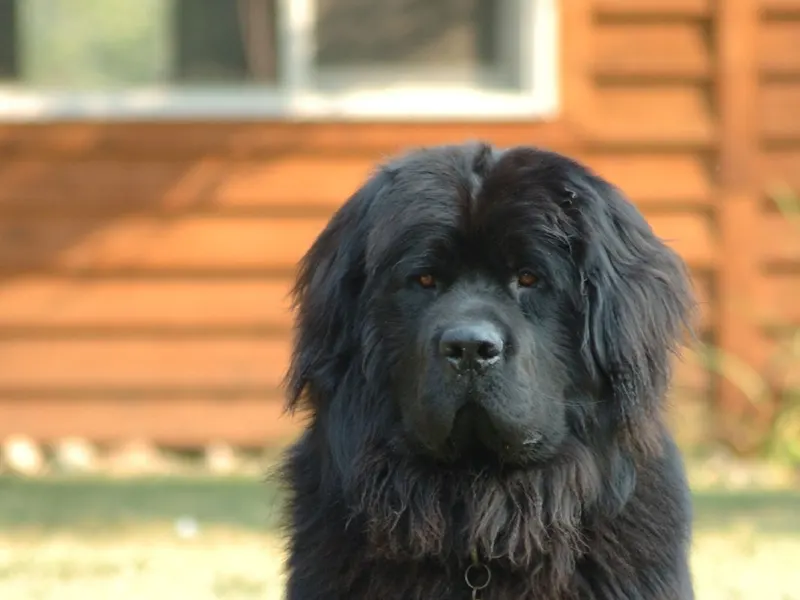
Newfoundland
Working
100–150 lbs · 9–10 yrs
Mastiff
Working
120–230 lbs · 6–10 yrs
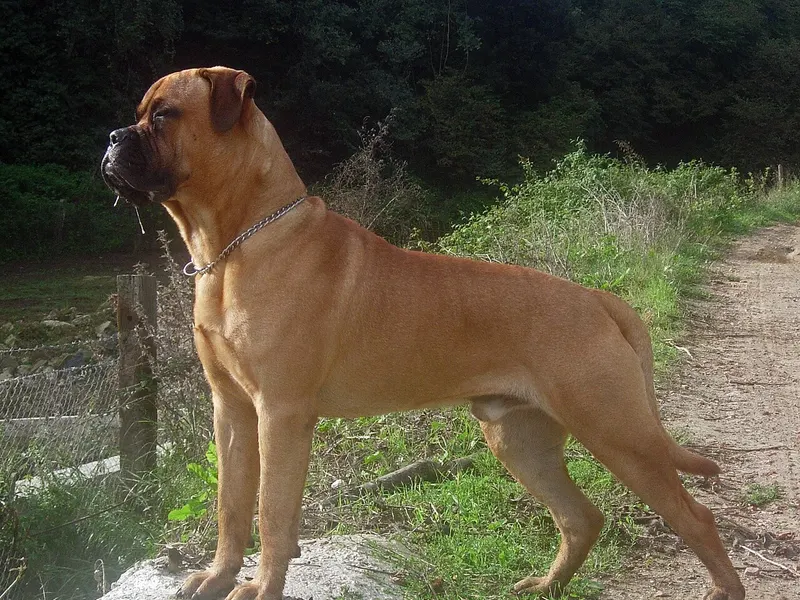
Bullmastiff
Working
100–130 lbs · 7–9 yrs
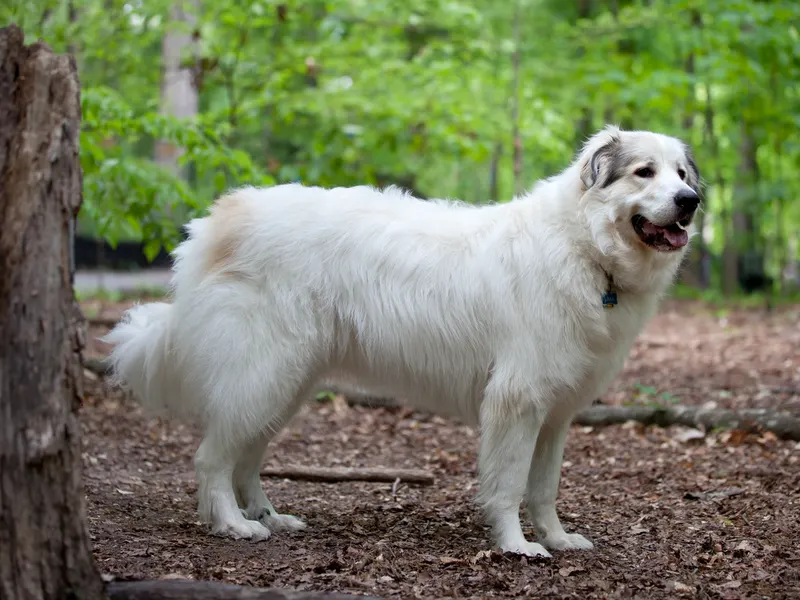
Great Pyrenees
Working
85–115 lbs · 10–12 yrs
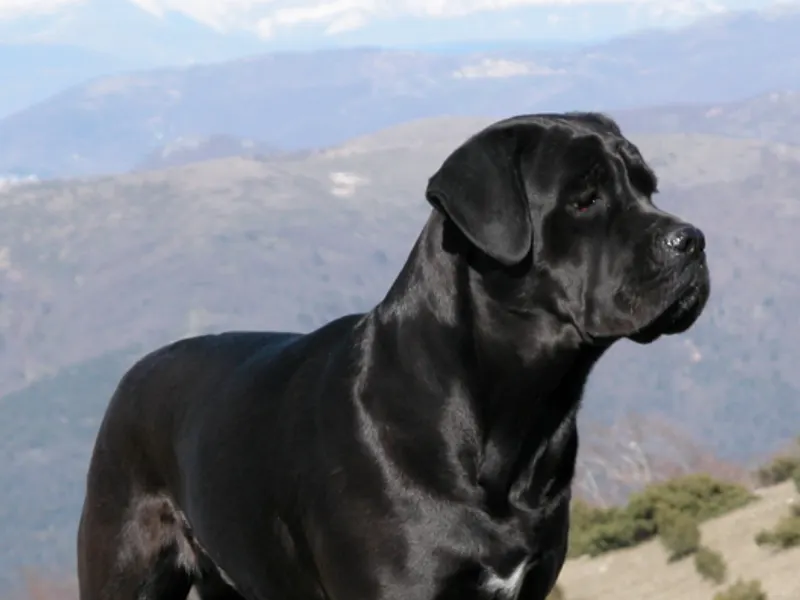
Cane Corso
Working
88–120 lbs · 9–12 yrs
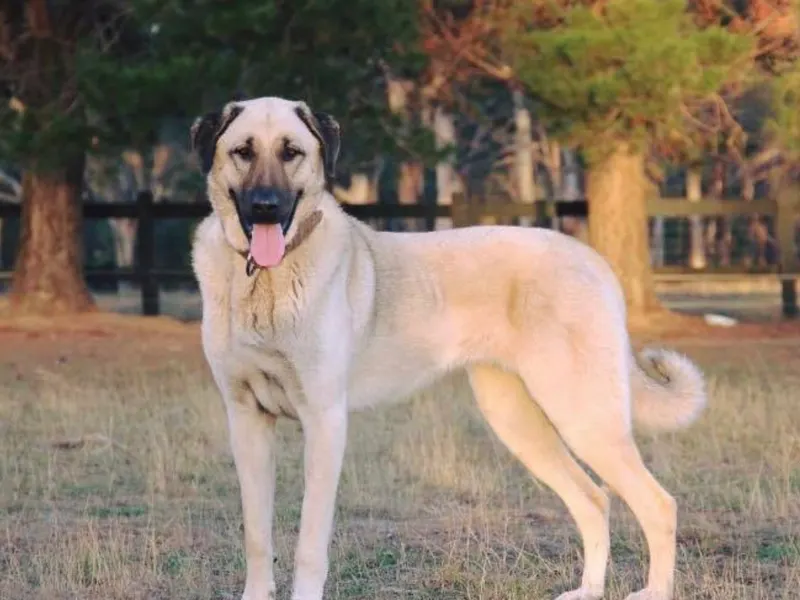
Anatolian Shepherd Dog
Working
80–150 lbs · 11–13 yrs
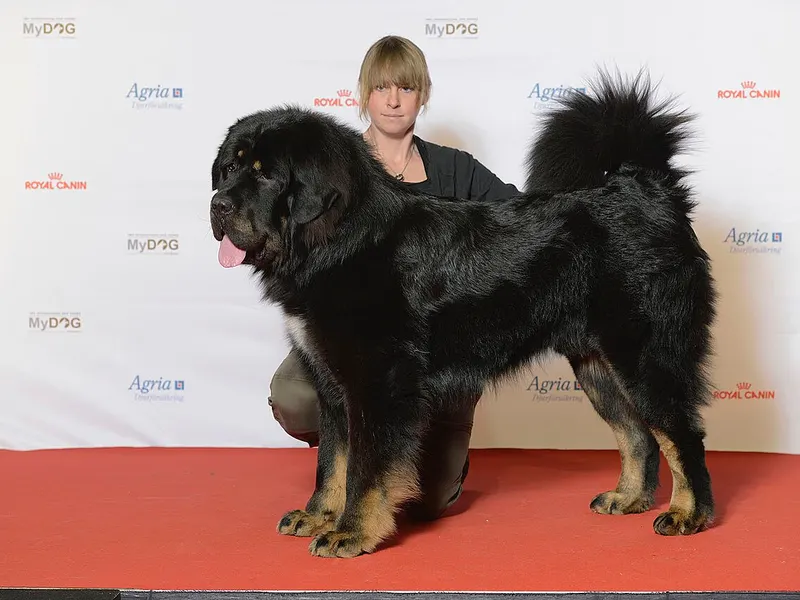
Tibetan Mastiff
Working
70–150 lbs · 10–12 yrs
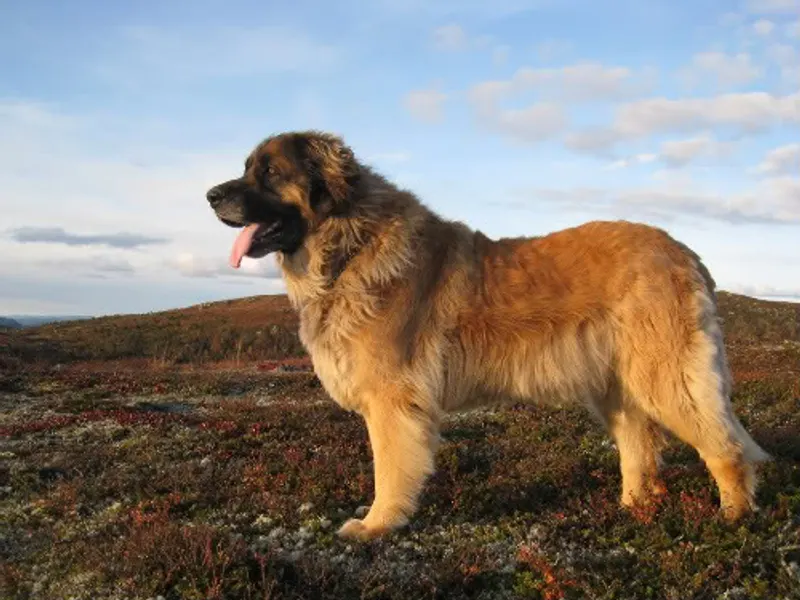
Leonberger
Working
90–170 lbs · 7–9 yrs
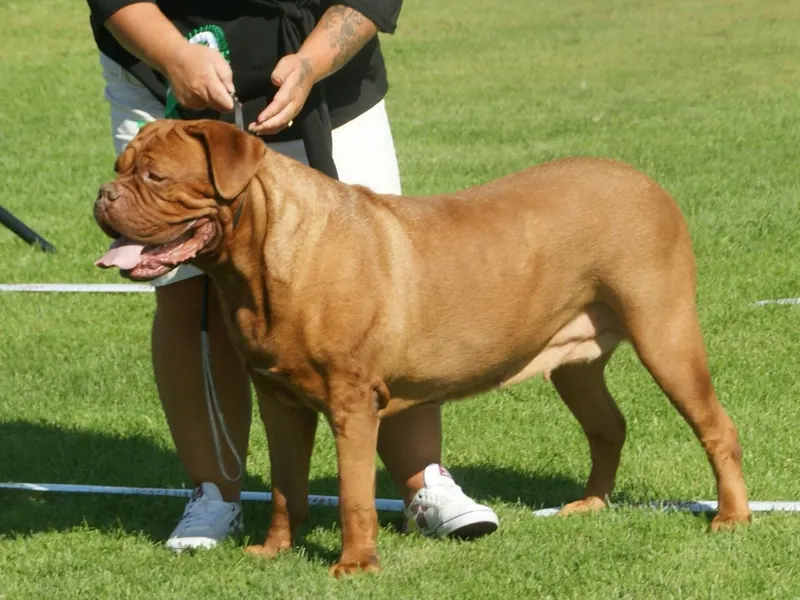
Dogue de Bordeaux
Working
99–110 lbs · 5–8 yrs
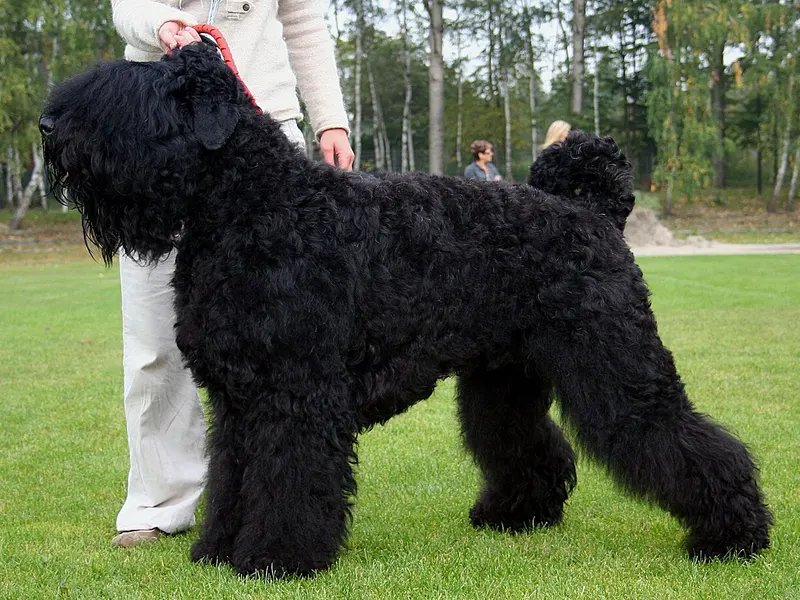
Black Russian Terrier
Working
80–140 lbs · 10–12 yrs
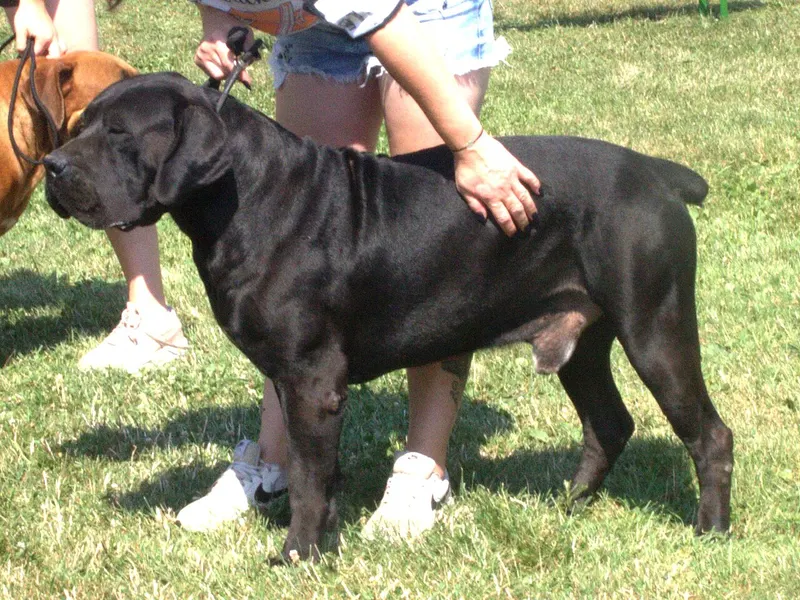
Boerboel
Working
150–200 lbs · 9–11 yrs
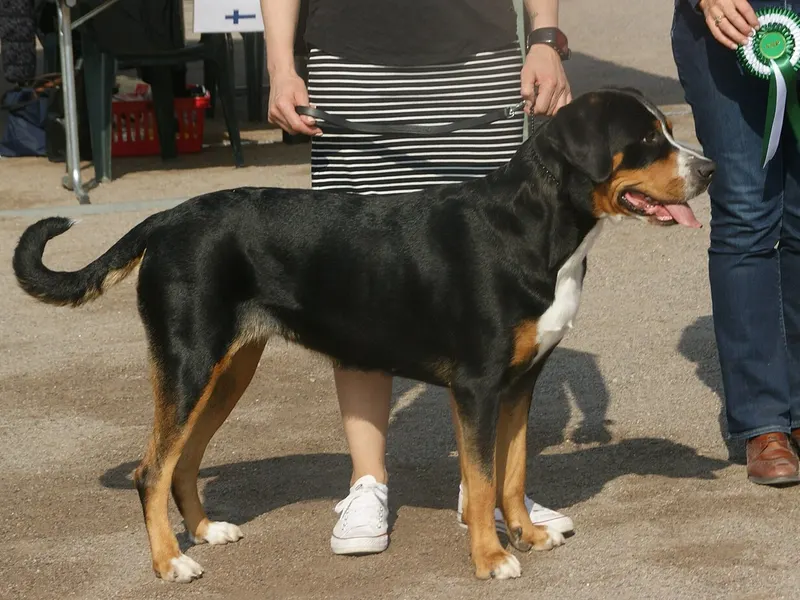
Greater Swiss Mountain Dog
Working
85–140 lbs · 8–11 yrs
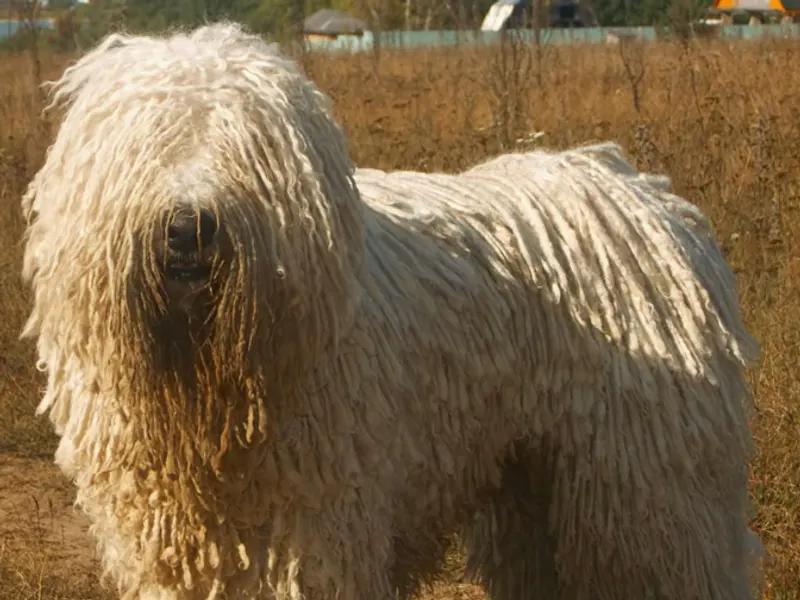
Komondor
Working
80–100 lbs · 10–12 yrs
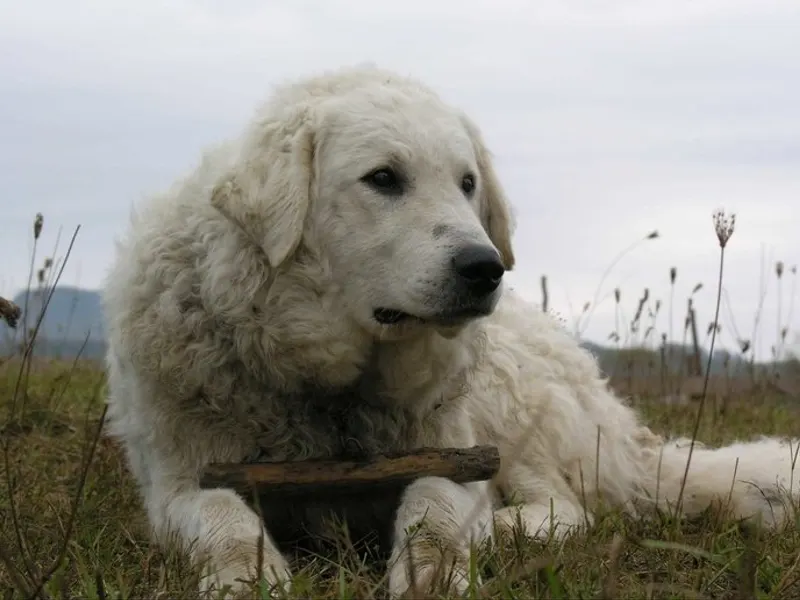
Kuvasz
Working
70–115 lbs · 10–12 yrs
Neapolitan Mastiff
Working
110–150 lbs · 7–9 yrs
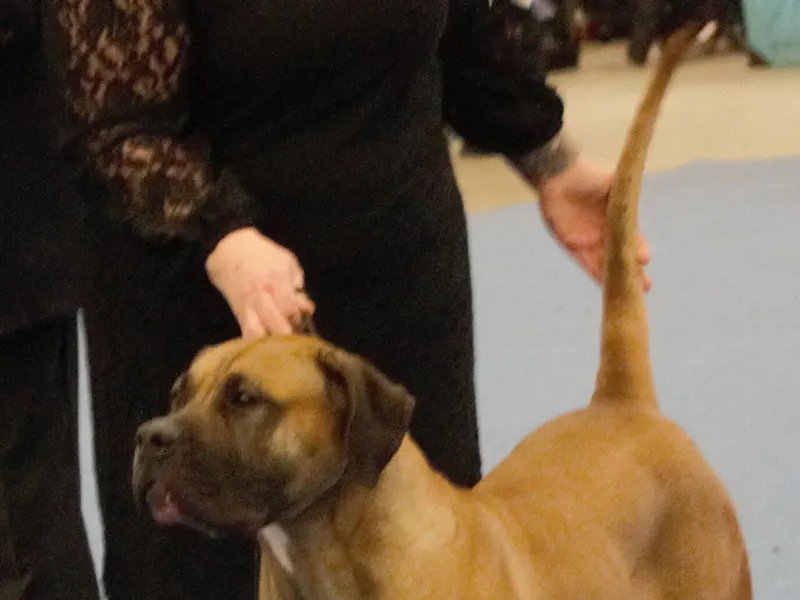
Presa Canario
Working
80–130 lbs · 9–11 yrs
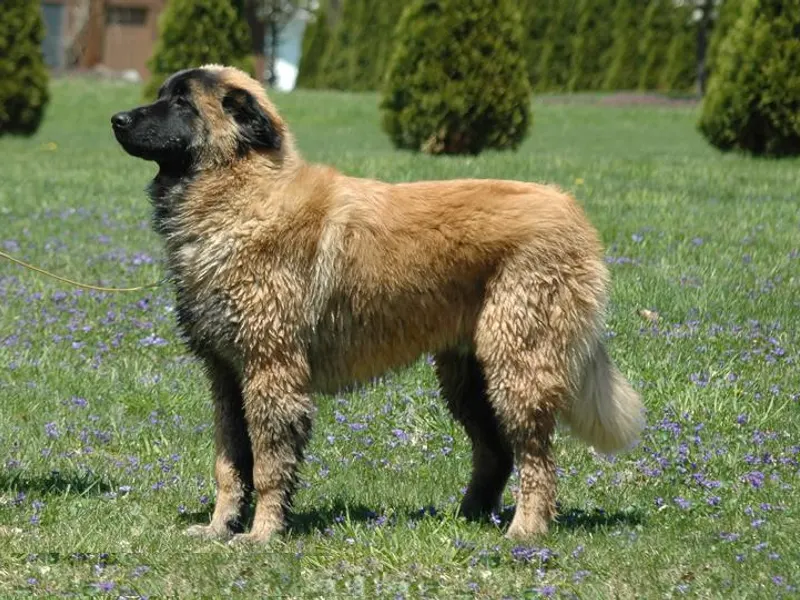
Estrela Mountain Dog
Working
66–110 lbs · 10–12 yrs
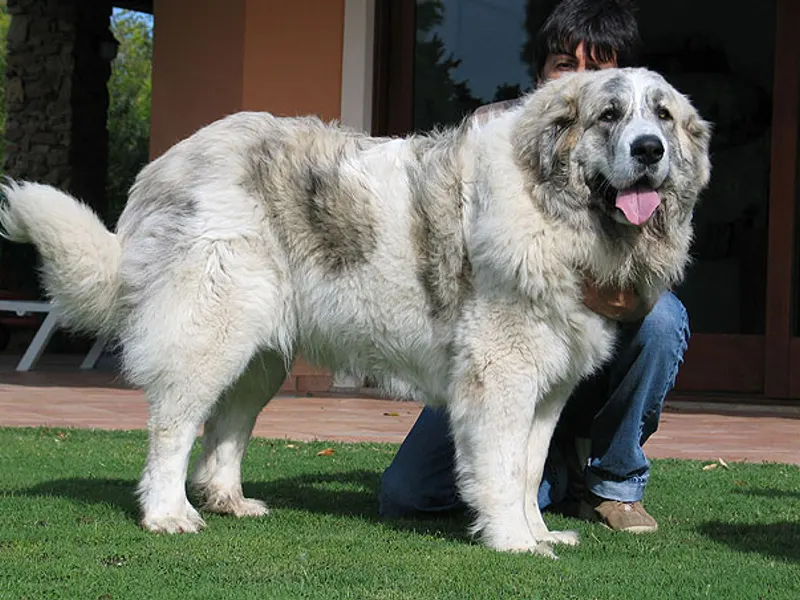
Pyrenean Mastiff
Working
120–240 lbs · 10–11 yrs
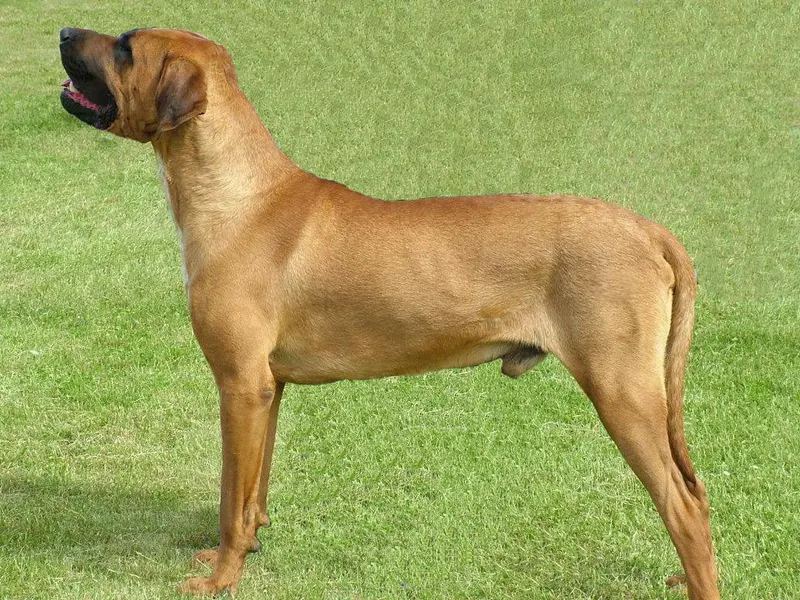
Tosa Inu
Foundation Stock
90–200 lbs · 9–11 yrs