Sporting Group Dogs
31 breeds in this group.
The Sporting Group is the American Kennel Club's collection of pointers, setters, retrievers, and spaniels bred to work alongside a hunter in the field, flushing or pointing upland birds, marking their fall, and bringing them back without damaging the meat. That last requirement — a "soft mouth" — is one of the few traits shared across every breed in this group, from a Labrador Retriever plucking a duck out of icy water to a Sussex Spaniel pushing through briar to flush a pheasant. The group's roots run through eighteenth- and nineteenth-century Britain and continental Europe, where landed hunters selectively bred dogs for specific jobs within a day's shoot: pointers and setters to freeze on scent and indicate a bird's location before the gun arrived, spaniels to flush game within range, and retrievers to mark a downed bird's fall and carry it back to hand. The word "spaniel" itself is thought to derive from "Espaigneul," old French for "Spanish dog," reflecting a belief (not fully confirmed by genetics) that the type entered Britain via Spain centuries before formal breed standards existed. What unites these breeds today is less appearance — a five-pound Cocker Spaniel and an eighty-pound Chesapeake Bay Retriever look nothing alike — than temperament and drive. Sporting dogs are bred to work cooperatively with a handler at close range, watching for a hand signal or whistle command, which is why the group produces some of the most consistently trainable family dogs in any registry. The Labrador Retriever and Golden Retriever, the two most visible members, built their reputations as guide dogs, therapy dogs, and family pets on exactly this cooperative, biddable temperament, but it is worth remembering that both were purpose-built gundogs first, and an under-exercised Sporting dog of any breed tends toward destructive boredom rather than settling quietly. The pointing breeds — German Shorthaired and Wirehaired Pointers, the Vizsla, Weimaraner, and the various setters (Irish, Irish Red and White, Gordon, English) — carry an even higher stamina ceiling than the retrievers, often bred from field-trial lines that expect miles of covering ground daily; a Vizsla or Weimaraner kept as a purely sedentary house pet is one of the more common mismatch stories in shelter intake data. The retriever branch splits into distinct working lineages worth knowing if you're choosing among them. The Labrador descends from the St. John's water dog of Newfoundland, refined by English sportsmen for upland and waterfowl work. The Golden Retriever was developed in the Scottish Highlands in the mid-1800s specifically to retrieve shot game over both land and water in difficult terrain, with a coat built to shed water and brambles alike. The Chesapeake Bay Retriever is a genuinely American breed, developed along the Chesapeake's icy tidal waters from two Newfoundland-type survivors of an 1807 shipwreck, and it carries a harsher, oilier coat and a more independent, watchful temperament than its Labrador and Golden cousins — Chessies are typically less universally friendly with strangers, a trait deliberately selected for by watermen who wanted a dog that would also guard the boat. The Flat-Coated and Curly-Coated Retrievers and the Nova Scotia Duck Tolling Retriever fill narrower working niches: the "Toller" is unusual in that it doesn't retrieve first — it lures ducks within gun range by playing at the water's edge, a hunting method unique to that breed and to a small stretch of Nova Scotia coastline where it was developed. The spaniel branch is the group's largest and most varied by size and coat, running from the diminutive English Cocker and American Cocker Spaniel through mid-sized flushing specialists like the English Springer Spaniel, Welsh Springer Spaniel, and Field Spaniel, to rarer working lines such as the Sussex Spaniel (bred for a slower, more methodical flush suited to dense British undergrowth) and the Boykin Spaniel, developed in early-1900s South Carolina specifically to fit into a small turkey-hunting boat. The pointing-griffon type breeds — the Wirehaired Pointing Griffon, Spinone Italiano, and the increasingly popular water-retrieving specialists like the Lagotto Romagnolo and Barbet — round out a group that, taken as a whole, represents nearly every continental European hunting tradition condensed into a single AKC category. Because these breeds were built for stamina rather than sprint, most Sporting dogs need somewhere between 60 and 90 minutes of genuine daily activity — not a walk around the block, but a run, swim, or structured retrieving session — and they tend to carry weight easily if that exercise lapses, since food drive was often selectively reinforced alongside retrieving drive. Coat care varies enormously across the group: the short, dense coats of the Labrador, Vizsla, and Pointer need only weekly brushing, while the silky feathering of a Cocker Spaniel or Irish Setter mats without regular attention and often benefits from professional grooming every six to eight weeks. Health themes recur across the group more than they differ: hip and elbow dysplasia show up in nearly every mid-to-large Sporting breed, ear infections are common in the long-eared spaniels because their ear canals trap moisture after swimming, and exercise-induced collapse is a documented, DNA-testable condition specifically in Labradors and a few related retriever lines. Sporting dogs suit households that can genuinely commit to daily vigorous activity and that want a dog eager to be included in whatever the family is doing, whether that's a literal hunt, a dock-diving competition, or a long weekend hike. They are a poor match for anyone hoping for a low-key, independent dog that's content to nap all day — that mismatch, more than any inherent behavioral problem, is what drives most Sporting-breed surrenders. Within the group, prospective owners should weigh working-line versus show-line breeding carefully: a Springer Spaniel or Pointer from field-trial stock will have meaningfully higher drive and a lower boredom threshold than one bred primarily for the conformation ring, and that distinction matters more for day-to-day livability than the difference between breeds. Training and sport give the group a second life beyond the field. Field trials and hunt tests remain the group's original proving ground, judging dogs on marking downed birds, steadiness, and retrieving under distraction, and many breeders still select breeding stock partly on trial results rather than conformation wins alone. Dock diving, a sport built almost entirely around a Labrador's or retriever's willingness to launch off a dock after a thrown toy, has become one of the fastest-growing dog sports in North America precisely because it channels an instinct these breeds already have rather than asking them to learn something foreign. Rally and traditional obedience also draw disproportionately from this group, since a dog bred to watch a handler for the next command adapts naturally to structured exercises built around exactly that kind of attentiveness. The rarer members of the group deserve a closer look than they usually get. The Clumber Spaniel, the heaviest and slowest of the spaniels, was bred for a deliberate, methodical hunting style suited to dense British cover rather than speed, and its low-slung, substantial build sets it apart visually from the leggier springer and cocker types. The American Water Spaniel, one of the few sporting breeds developed specifically in the American Midwest, was bred by Wisconsin hunters who needed a compact retriever able to work from a small skiff on the state's rivers and lakes, small enough not to swamp the boat. The Barbet and Lagotto Romagnolo, both European water-retrieving specialists with curly, low-shedding coats, have seen a recent surge in American popularity, the Lagotto in particular now valued as much for truffle-hunting work in Italy as for waterfowl retrieving, since its scenting ability transferred naturally to the job once truffle hunters started using dogs instead of pigs. Choosing among Sporting breeds ultimately comes down to matching a specific hunting style, and by extension a specific energy and independence profile, to a household's actual activities. A pointing breed that freezes on scent and waits for a handler to flush the bird requires a different kind of patience and handler-focus than a flushing spaniel bred to work close and fast, and a retriever's singular focus on marking a fall and fetching it back is a different skill entirely from either. None of that nuance matters much to a family simply wanting an active, people-oriented companion, but it matters considerably to anyone hoping to actually hunt over the dog, or to channel the breed's original drive through a structured sport rather than leaving it with no outlet at all. Puppy selection within this group deserves its own word of caution, since demand for popular Sporting breeds — Labradors and Goldens especially — has produced a real split between conscientious breeders who health-test for hip and elbow dysplasia, EIC, and inherited eye conditions, and high-volume breeders selling purely on the breed's popularity without that screening. A puppy from unscreened parents can carry the same silhouette and price tag as a health-tested one while carrying meaningfully higher odds of joint or metabolic problems later in life, and asking directly for OFA or PennHIP hip scores, elbow certification, and any breed-specific DNA panel results is standard, reasonable due diligence rather than an imposition on a reputable breeder. Registration and popularity data tell part of this group's story too: the Labrador Retriever's 31-year run as the AKC's most-registered breed only ended in 2022 when the French Bulldog took the top spot, and even then the Labrador and Golden Retriever have remained fixtures in the top ten every year the AKC has published rankings, a level of sustained mainstream popularity no other single group in the registry can match across so many decades running.
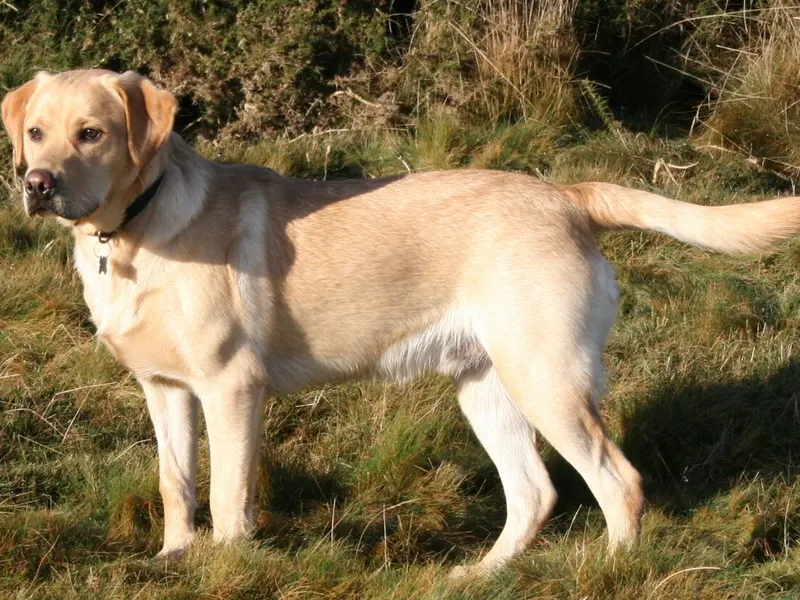
Labrador Retriever
Sporting
55–80 lbs · 10–12 yrs
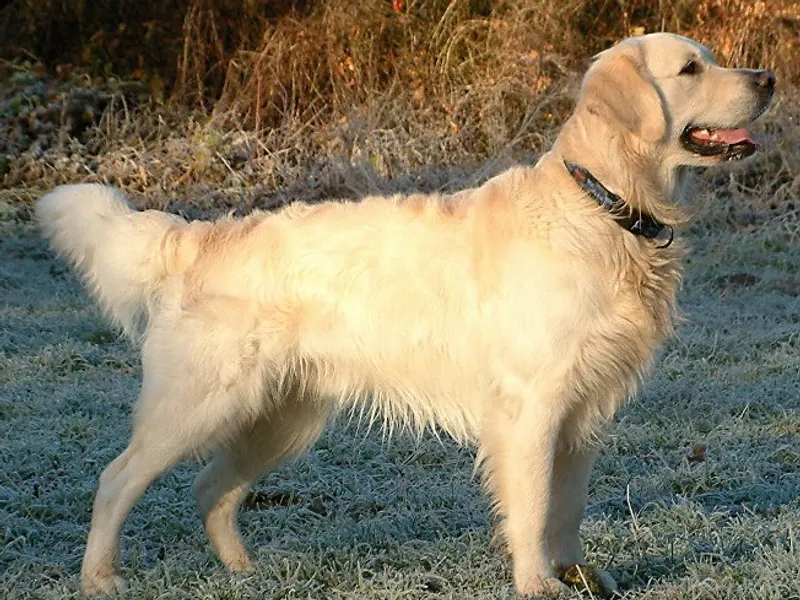
Golden Retriever
Sporting
55–75 lbs · 10–12 yrs
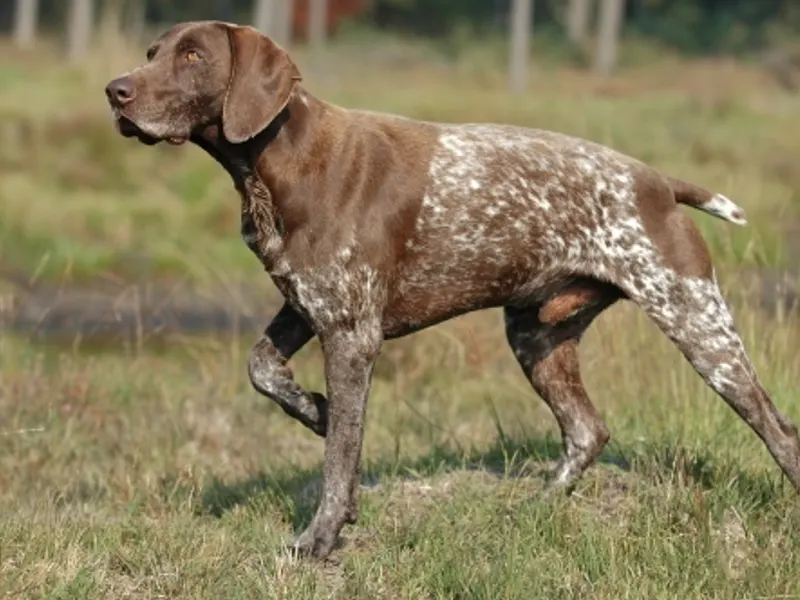
German Shorthaired Pointer
Sporting
45–70 lbs · 10–12 yrs
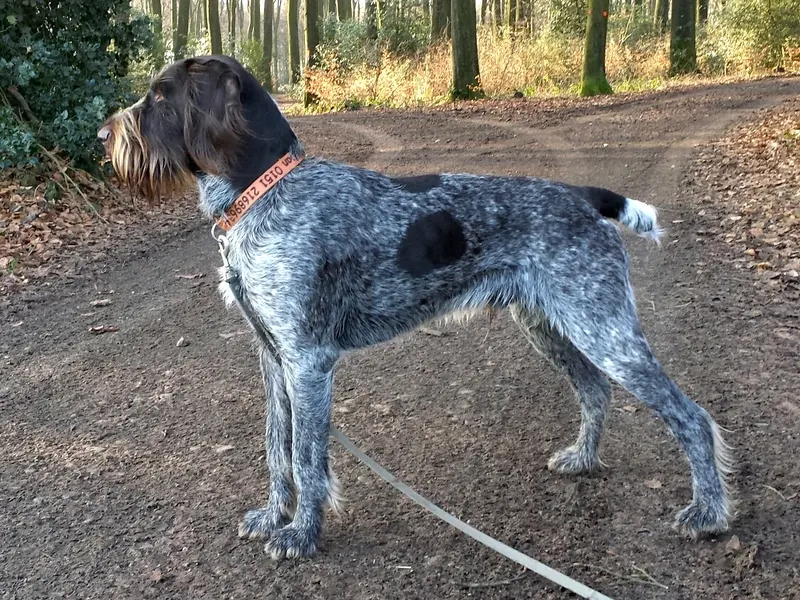
German Wirehaired Pointer
Sporting
50–70 lbs · 12–14 yrs
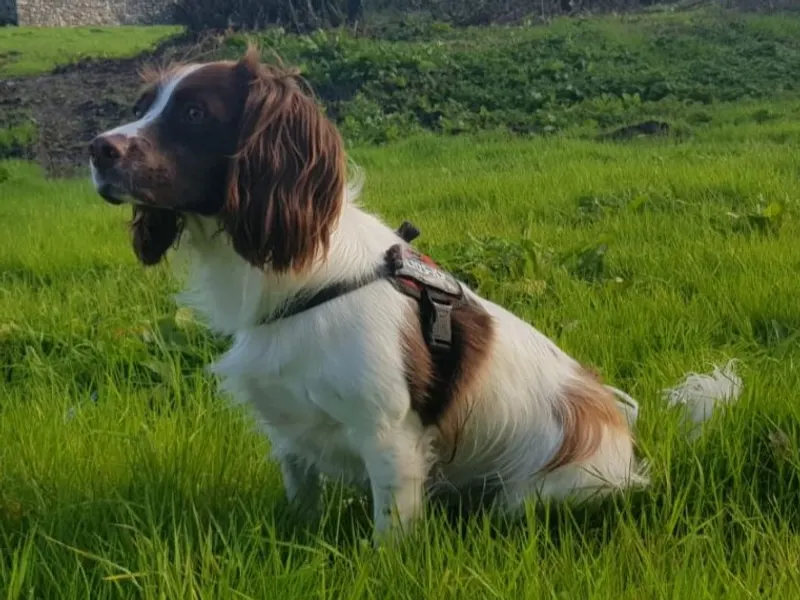
English Springer Spaniel
Sporting
40–50 lbs · 12–14 yrs
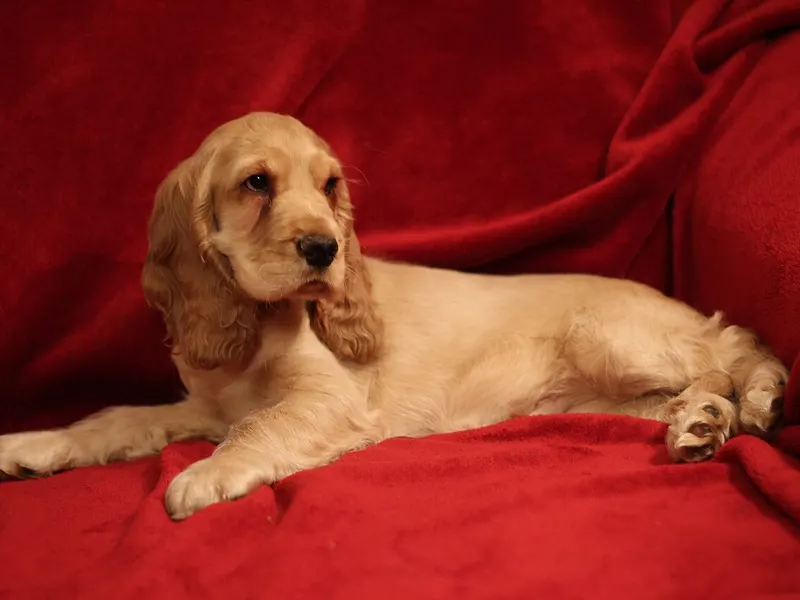
English Cocker Spaniel
Sporting
26–34 lbs · 12–14 yrs
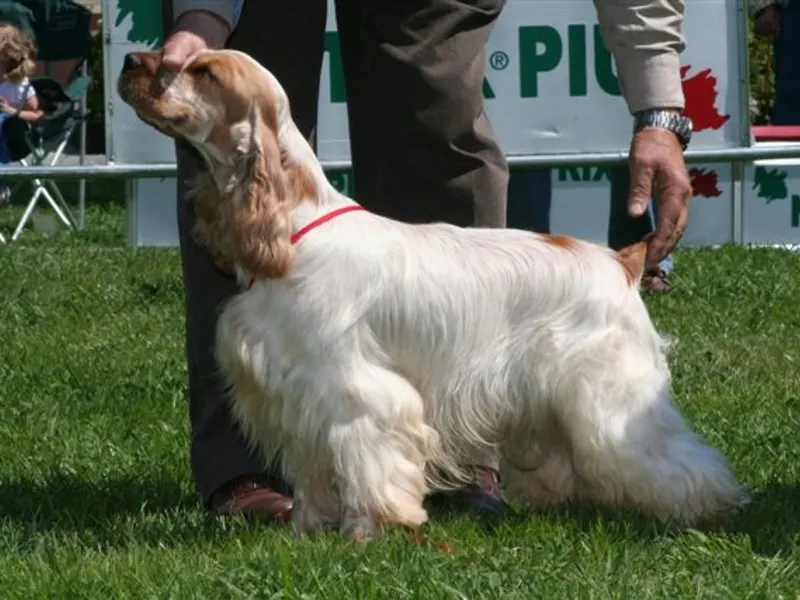
Cocker Spaniel
Sporting
20–30 lbs · 12–15 yrs
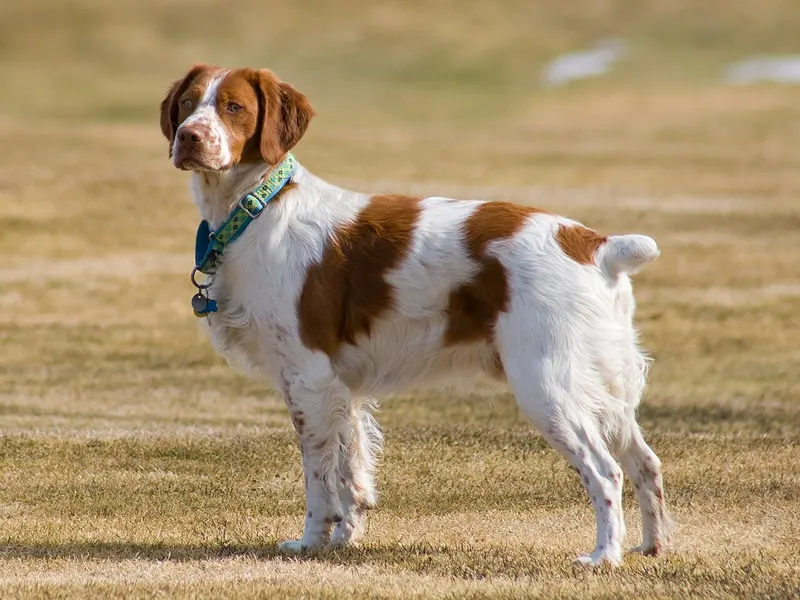
Brittany
Sporting
30–40 lbs · 12–14 yrs
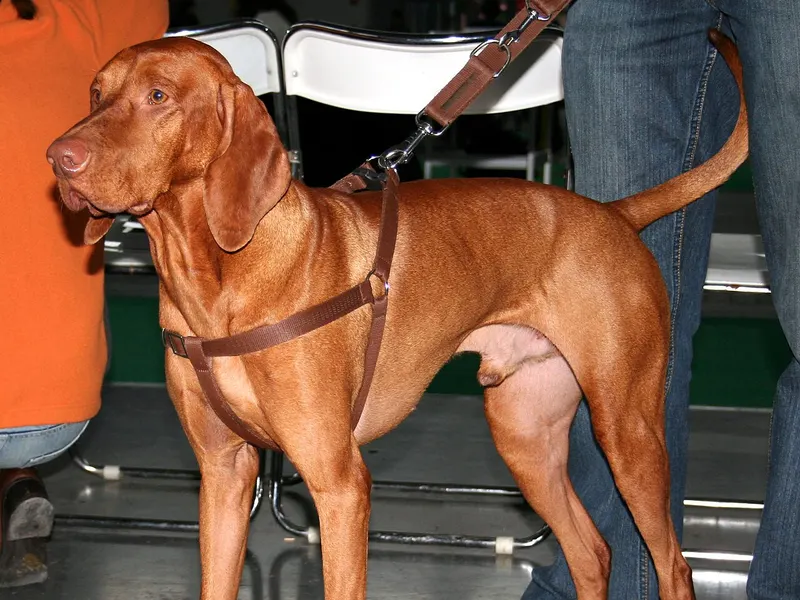
Vizsla
Sporting
44–60 lbs · 12–14 yrs
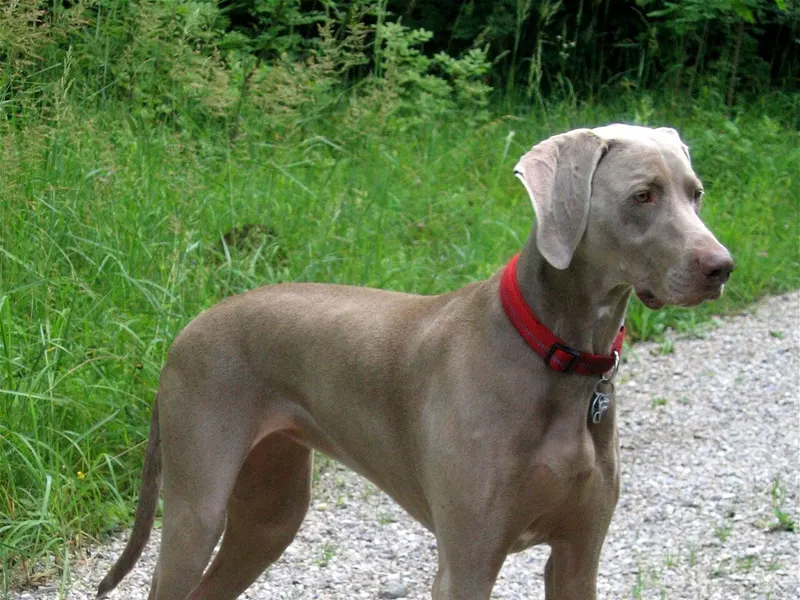
Weimaraner
Sporting
55–90 lbs · 10–13 yrs
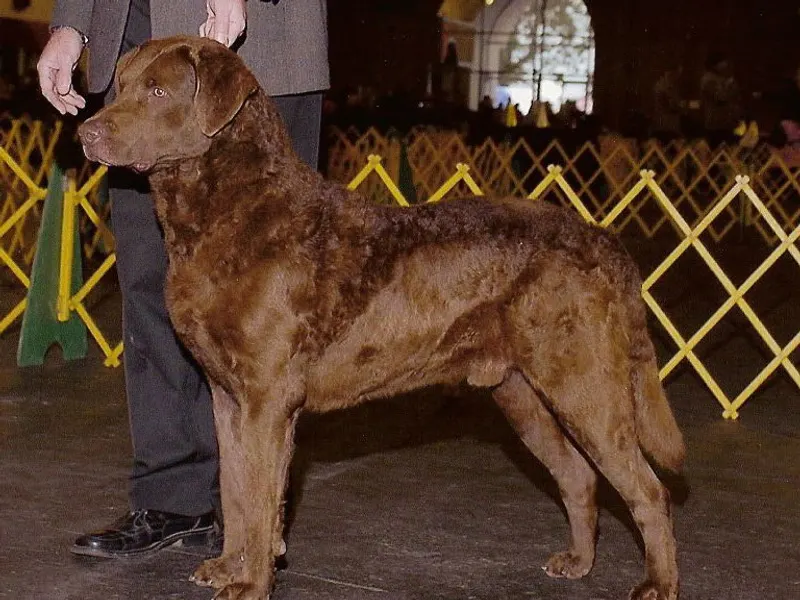
Chesapeake Bay Retriever
Sporting
55–80 lbs · 10–13 yrs
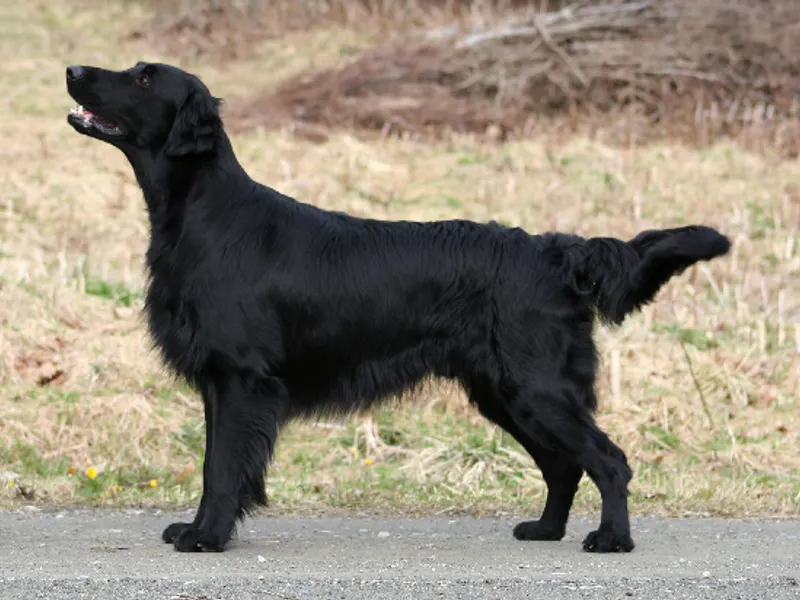
Flat-Coated Retriever
Sporting
55–70 lbs · 8–10 yrs
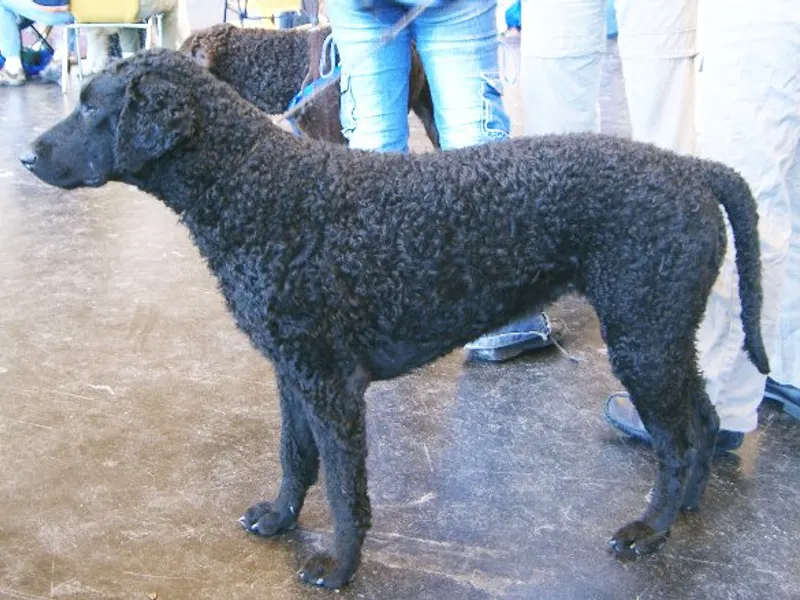
Curly-Coated Retriever
Sporting
60–95 lbs · 10–12 yrs
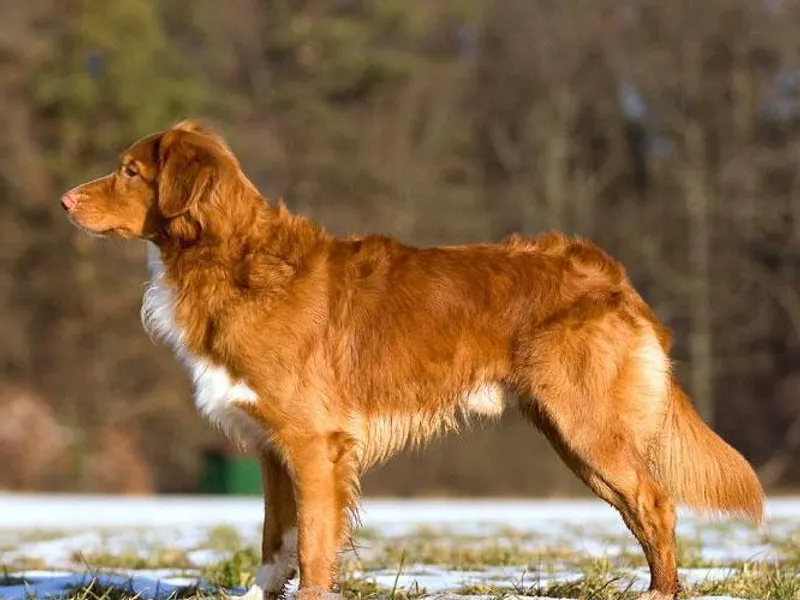
Nova Scotia Duck Tolling Retriever
Sporting
35–50 lbs · 12–14 yrs
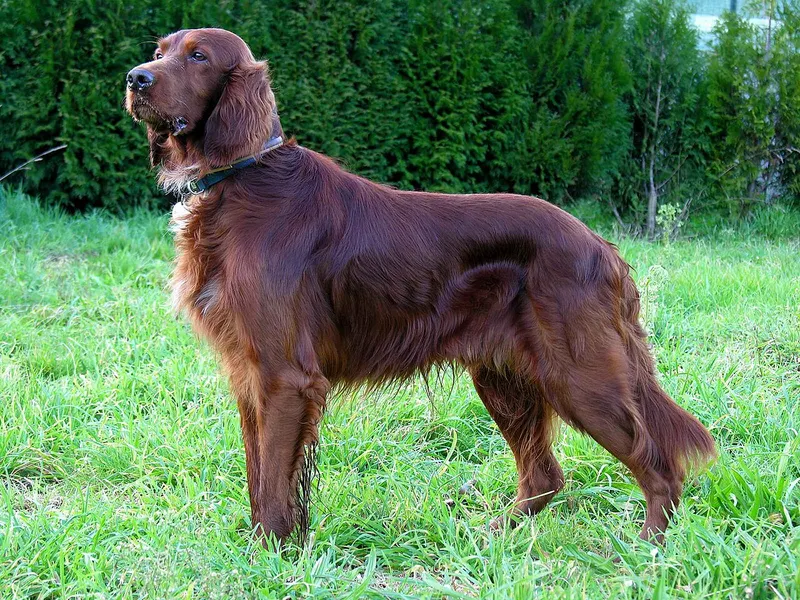
Irish Setter
Sporting
60–70 lbs · 12–15 yrs
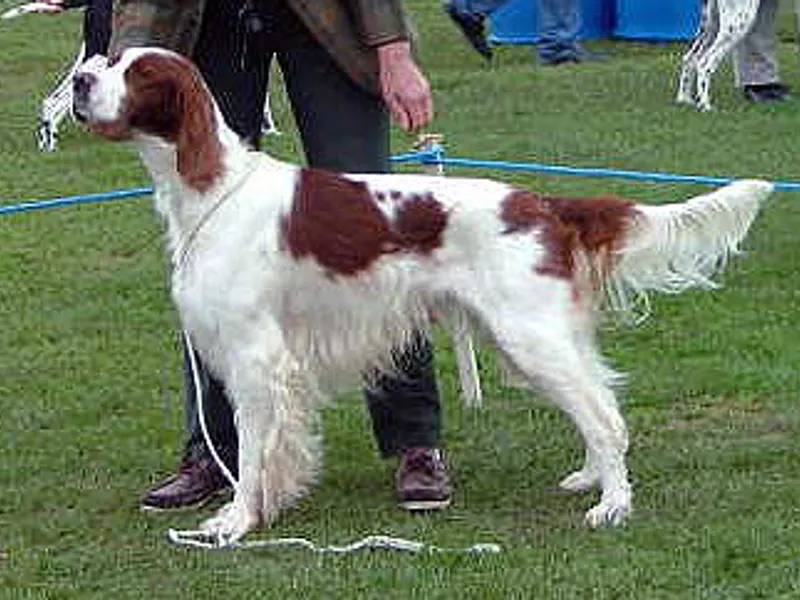
Irish Red and White Setter
Sporting
45–70 lbs · 11–13 yrs
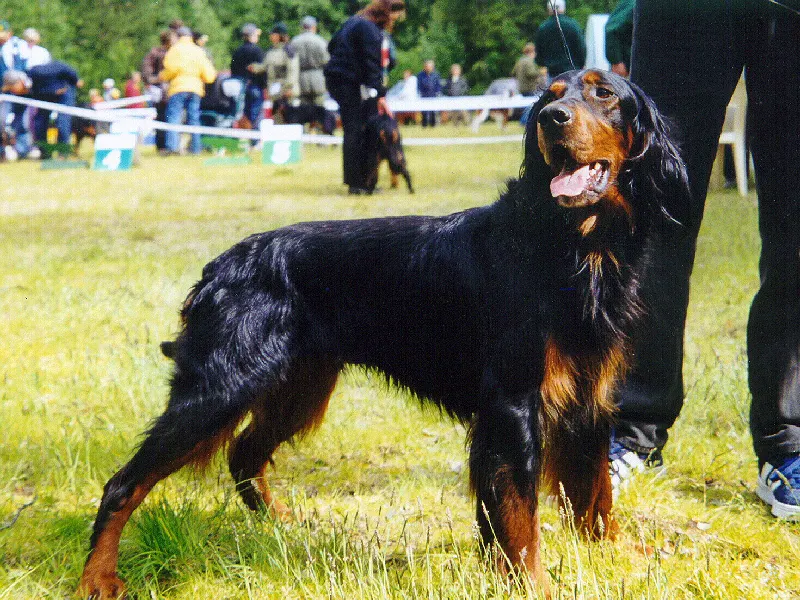
Gordon Setter
Sporting
45–80 lbs · 10–12 yrs
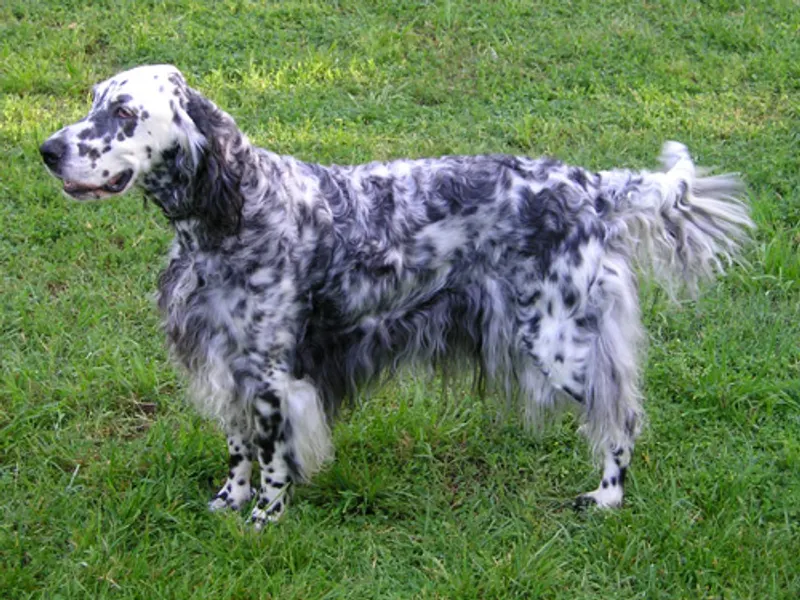
English Setter
Sporting
45–80 lbs · 11–15 yrs
Pointer
Sporting
45–75 lbs · 12–17 yrs
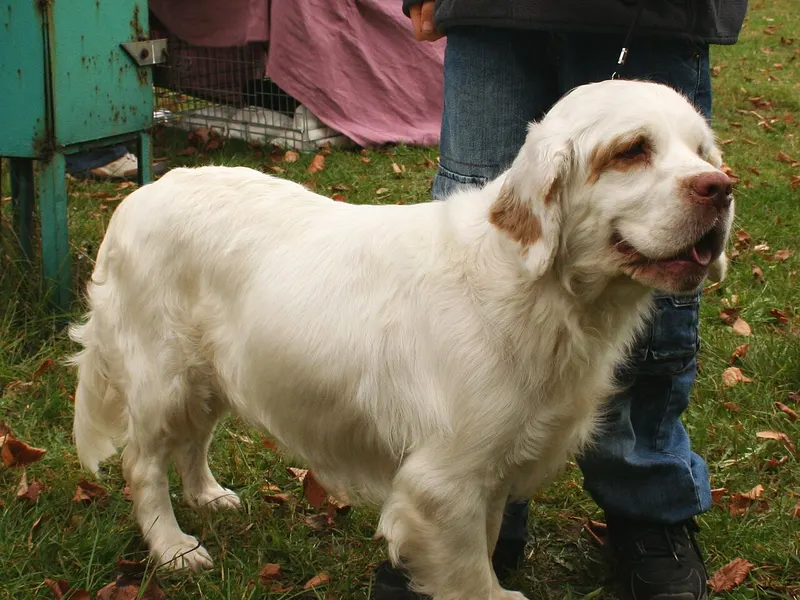
Clumber Spaniel
Sporting
40–85 lbs · 10–12 yrs
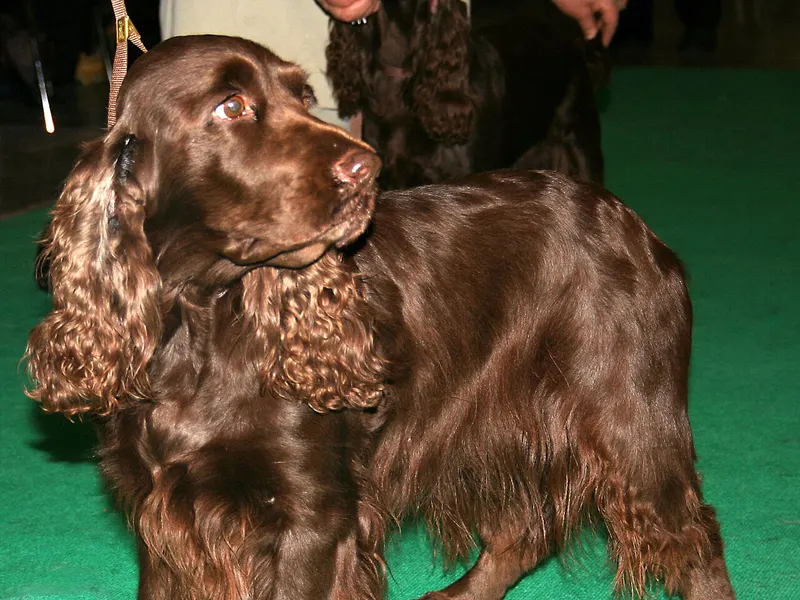
Field Spaniel
Sporting
35–50 lbs · 10–12 yrs
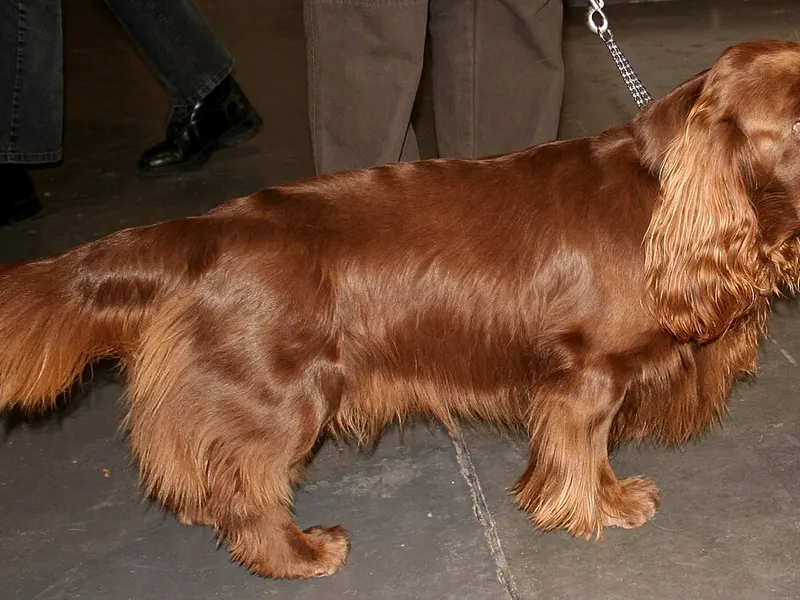
Sussex Spaniel
Sporting
35–45 lbs · 11–13 yrs
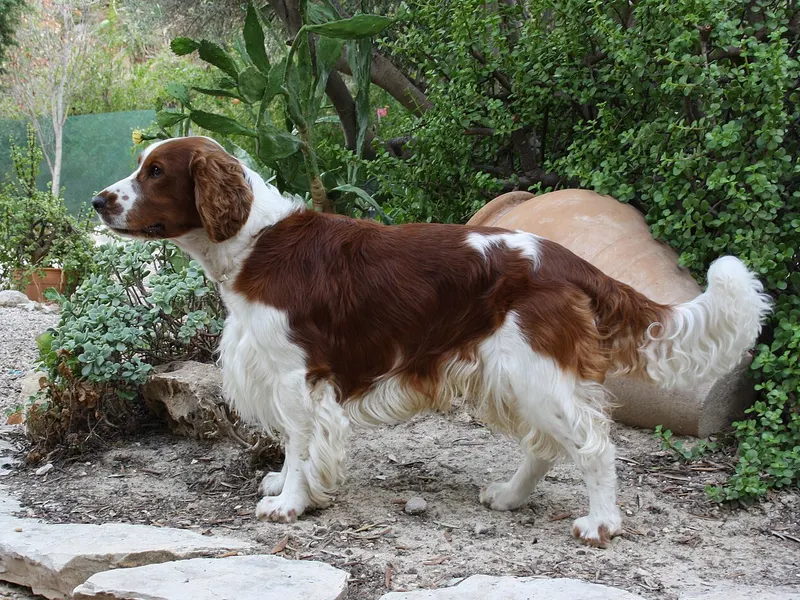
Welsh Springer Spaniel
Sporting
35–45 lbs · 12–15 yrs
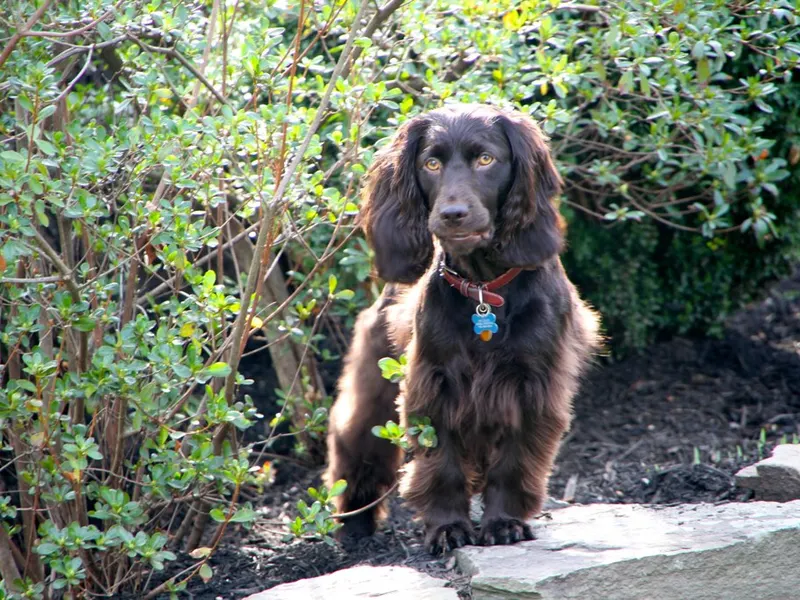
Boykin Spaniel
Sporting
25–40 lbs · 10–15 yrs
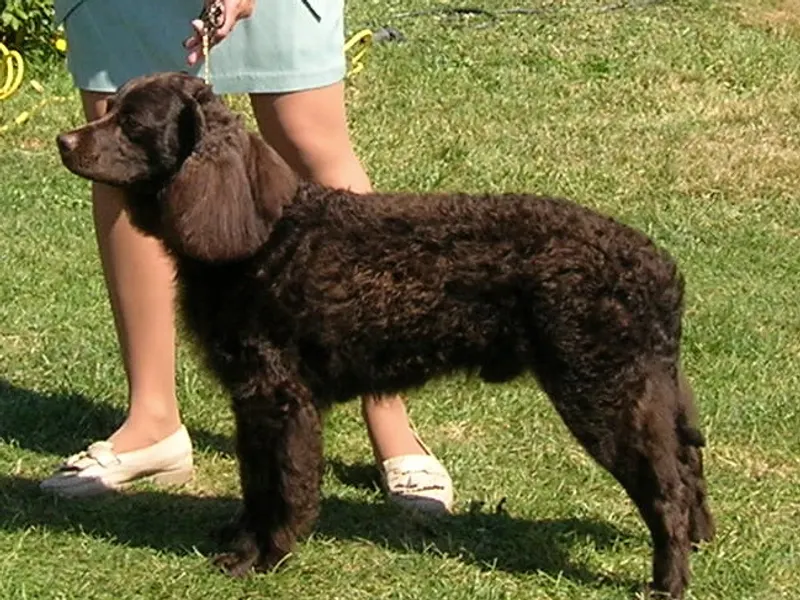
American Water Spaniel
Sporting
25–45 lbs · 10–14 yrs
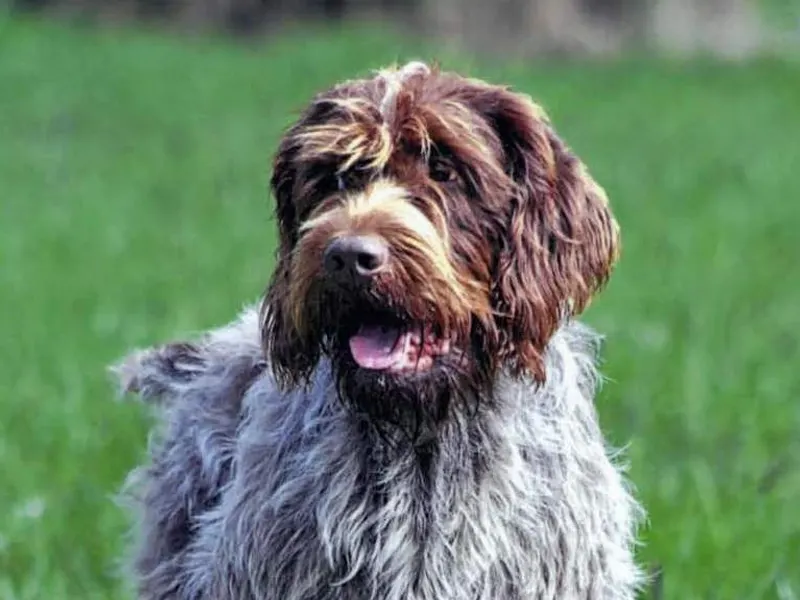
Wirehaired Pointing Griffon
Sporting
35–70 lbs · 12–14 yrs
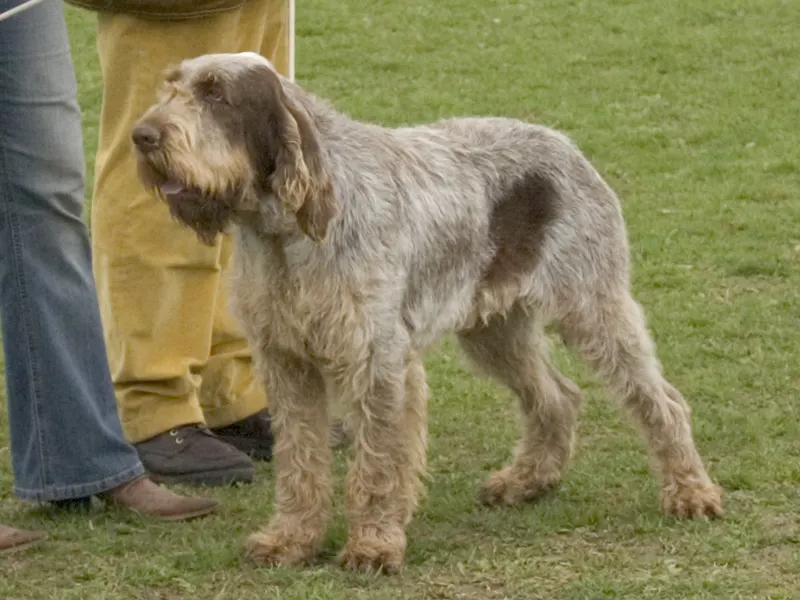
Spinone Italiano
Sporting
62–85 lbs · 10–12 yrs
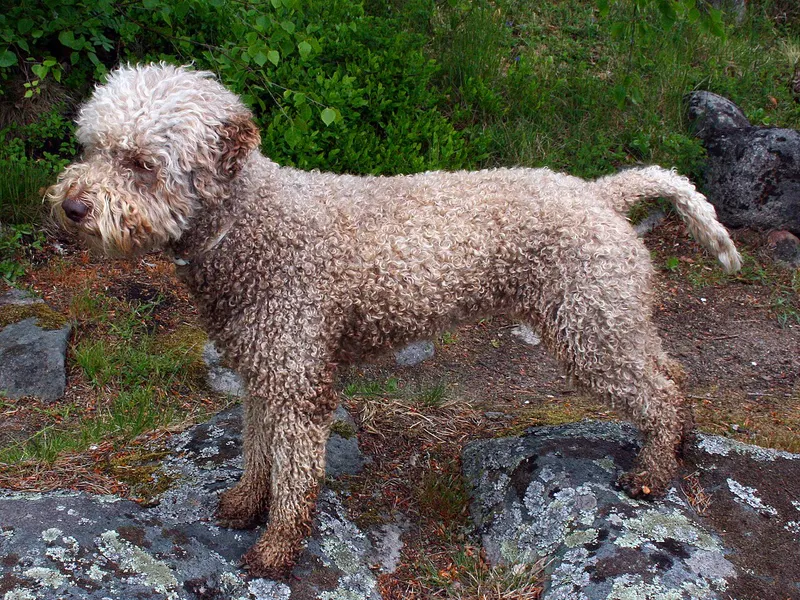
Lagotto Romagnolo
Sporting
24–35 lbs · 15–17 yrs
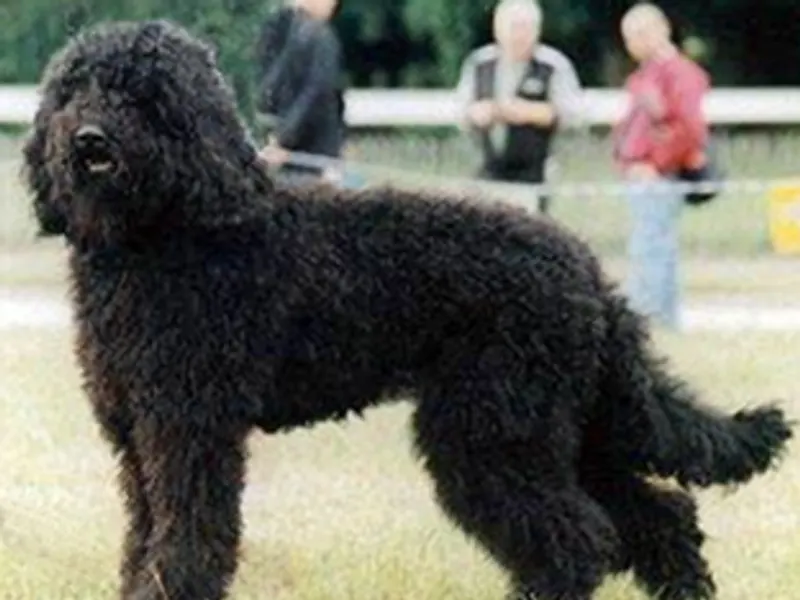
Barbet
Sporting
35–65 lbs · 13–15 yrs
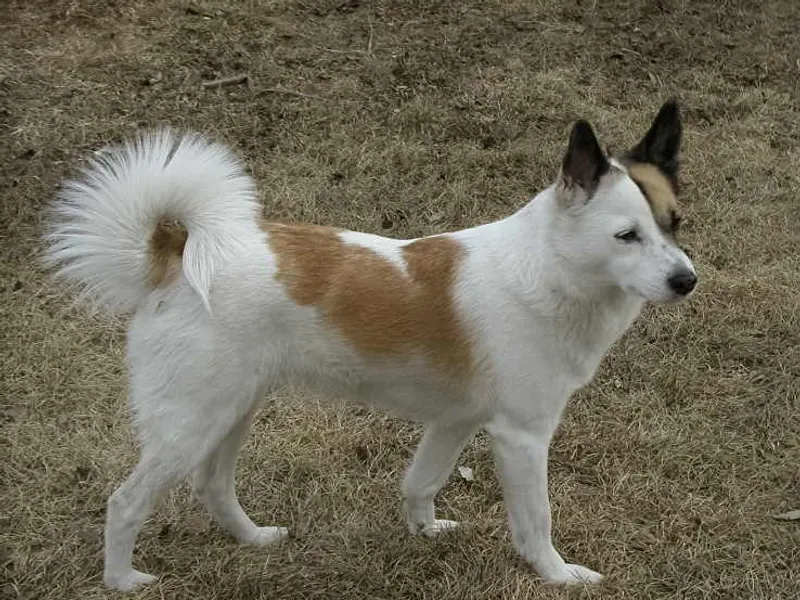
Norrbottenspets
Sporting
20–33 lbs · 14–16 yrs
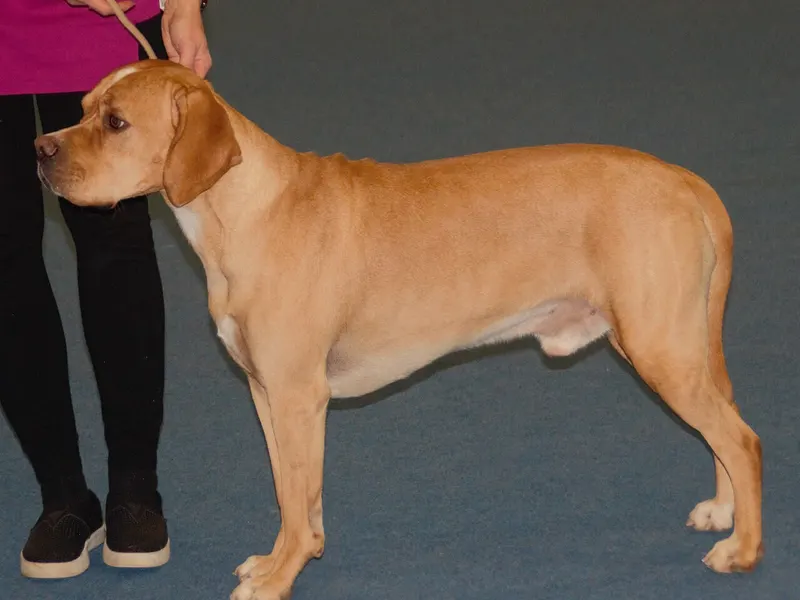
Portuguese Pointer
Sporting
35–55 lbs · 12–14 yrs