Most Independent Cat Breeds
Independence in cats is a genuinely distinct trait from unfriendliness or low affection, worth separating clearly before getting into specific breeds: an independent cat can be deeply bonded to its owner while still showing a documented lower need for constant interaction, attention, or physical presence to feel content — this trait tends to trace back to breed history involving more solitary working roles (ratting, semi-feral barn or farm cat lineages with less deliberate selection toward constant human companionship) compared with breeds developed purely as close companion animals, whose breeding history selected more directly for high proximity-seeking behavior. The Norwegian Forest Cat and Maine Coon, both breeds with documented working-cat ancestry (ship's cats and barn cats respectively, valued historically for independent hunting ability as much as companionship), tend to carry that self-sufficient temperament forward into modern household life — comfortable spending extended stretches of solo time without distress, confident investigating their environment independently, while still forming genuine, often quietly steady attachment to their household rather than the more constantly demonstrative affection style seen in more dependent breeds. Russian Blues turn up on independence-focused lists for a different reason than working history — theirs traces more to individual reserve: the breed is documented as somewhat reserved with unfamiliar people and situations, taking time to warm up, but forming deep, quiet attachment to their own household once settled — a pattern some owners describe as "one-person" loyalty layered on top of general self-sufficiency, meaning Russian Blue independence shows up more as selective, slow-building trust than as low attachment capacity generally. It's worth directly addressing why independence is a genuinely useful trait to filter for rather than simply a less-desirable alternative to affection: households with demanding work schedules, frequent travel, or simply a preference for a lower-maintenance companionship style benefit from a breed that doesn't develop separation-related stress or destructive attention-seeking behavior when left alone for reasonable stretches — a trait that pairs naturally with, though isn't identical to, the low-maintenance category covered elsewhere on this site, since an independent cat can still have significant grooming or health-care needs even while being emotionally low-demand. Independence exists on a spectrum rather than as an absolute trait, and even the most independent breeds on this list still need genuine daily engagement, environmental enrichment, and social contact to stay psychologically healthy — a cat left completely alone for extended periods with no interaction, regardless of breed, can develop stress or health issues, meaning "independent" should be read here as "comfortable with reasonable solo time and less demonstrative in seeking attention," not as "requiring no companionship or care." This list rests on documented working or semi-independent ancestry and consistent breed-club and owner reporting of a self-sufficient, low-clinginess temperament. A few more independent-leaning breeds worth naming: the American Shorthair's generally self-sufficient, low-drama temperament suits owners wanting a lower-demand companion; the Chartreux, a French breed with a documented history as a working ratter, carries a quietly self-reliant personality alongside its known affection for its household; and the Turkish Van, a breed with a notably independent, sometimes described as "cat-like-cat" personality even by feline-breed standards, combines self-sufficiency with an unusually strong, well-documented affinity for water among domestic cat breeds. It's worth naming a specific, practical distinction between healthy independence and genuine social withdrawal that owners should watch for regardless of breed: a cat that spends time alone by choice but readily seeks out interaction, play, or physical contact when a person is available is showing normal independent temperament, while a cat that actively avoids interaction even when approached calmly, hides persistently in a home it's lived in for a long time, or shows a sudden shift toward much greater reclusiveness than its own established baseline may be signaling stress, pain, or illness rather than simple independent personality, and that distinction is worth a veterinary check rather than being written off as "just how independent breeds are." It's worth naming a genuine upside of independent temperament for multi-pet or busy households specifically: an independent cat generally integrates into a household with an existing pet or a demanding work schedule with less adjustment friction than a highly attachment-driven breed, since its baseline comfort with solo time and lower need for constant reassurance make schedule changes, new additions to the household, and periods of reduced attention less disruptive to its overall wellbeing. Even an independent cat benefits from a predictable daily check-in — a few minutes of calm attention at a consistent time — which research on feline social behavior suggests helps maintain a secure bond without requiring constant engagement the way a more dependent breed might.
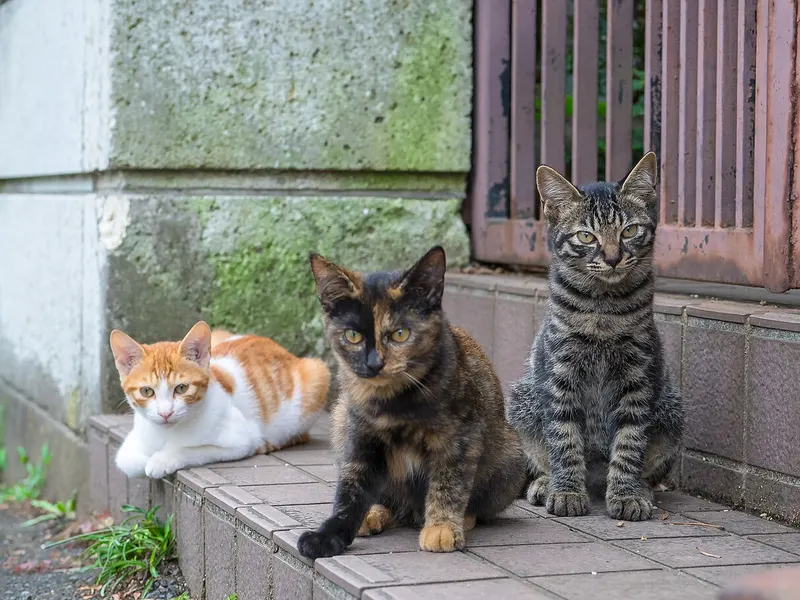
Domestic Shorthair
Semi-foreign
8–12 lbs · 12–18 yrs
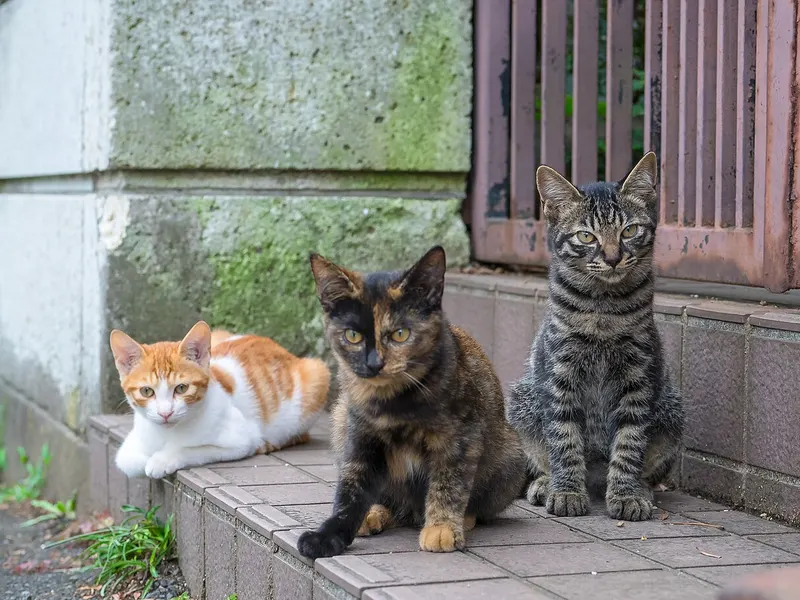
Domestic Longhair
Semi-foreign
8–15 lbs · 12–18 yrs
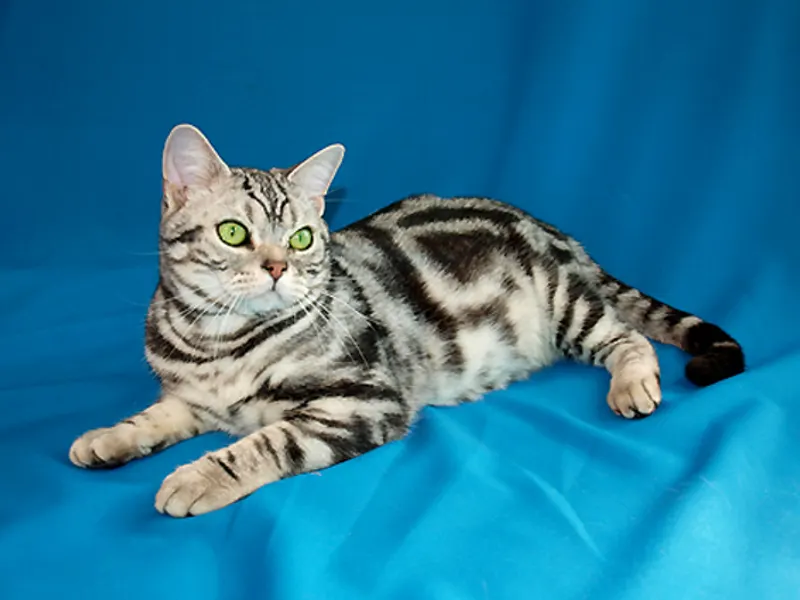
American Shorthair
Cobby
8–15 lbs · 15–20 yrs
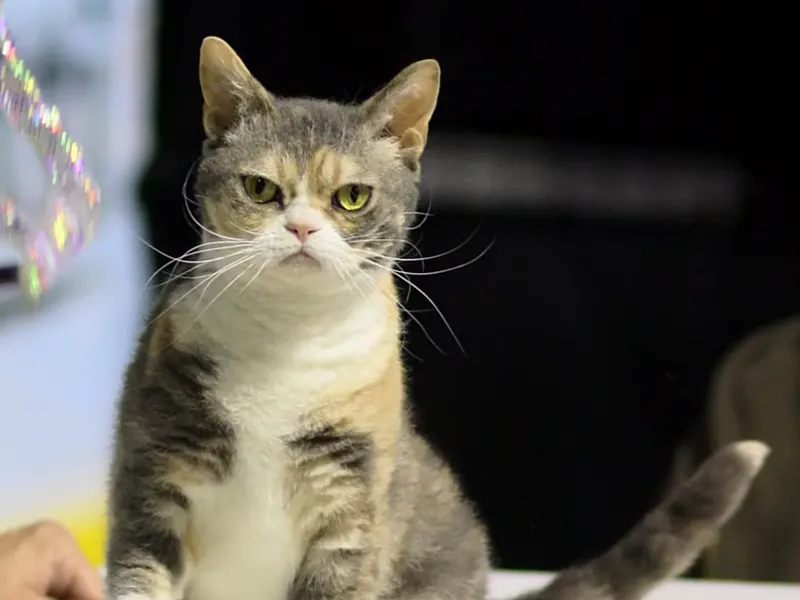
American Wirehair
Cobby
8–15 lbs · 14–18 yrs
Birman
Semi-cobby
8–12 lbs · 12–16 yrs
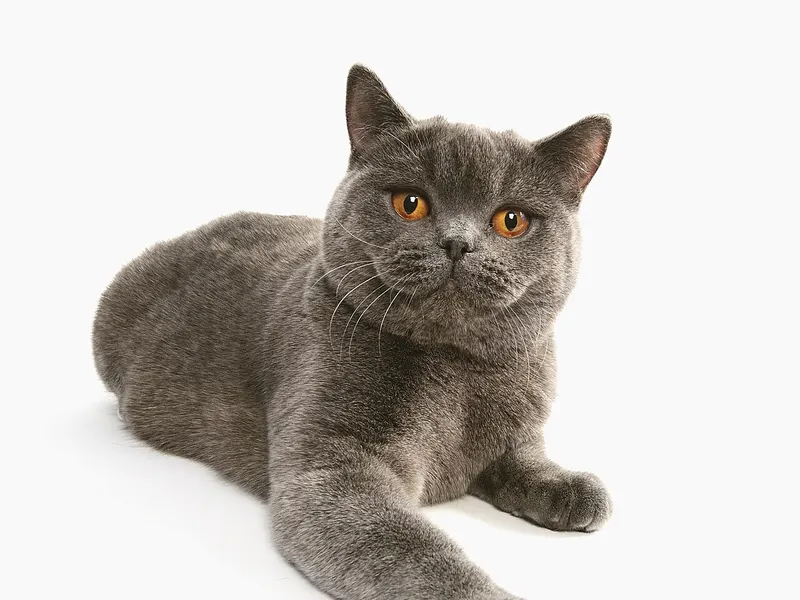
British Shorthair
Cobby
9–18 lbs · 12–17 yrs
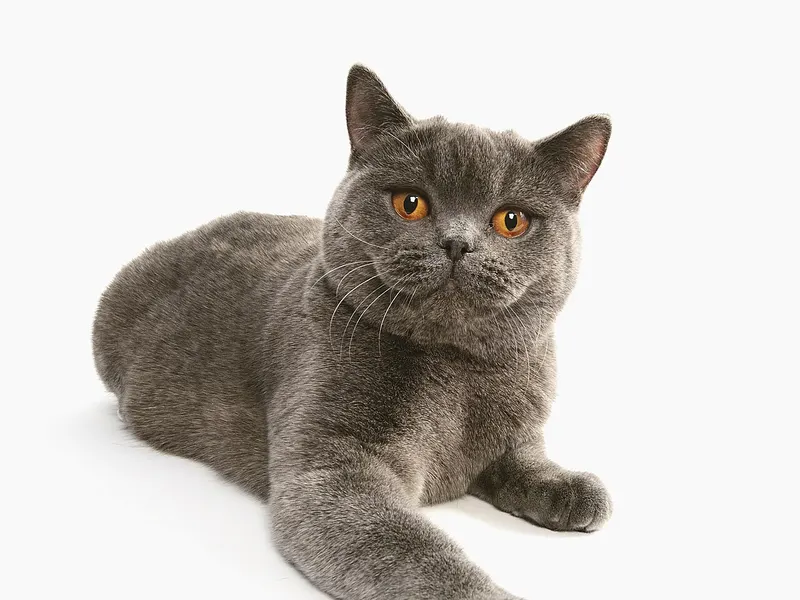
British Longhair
Cobby
9–17 lbs · 12–17 yrs
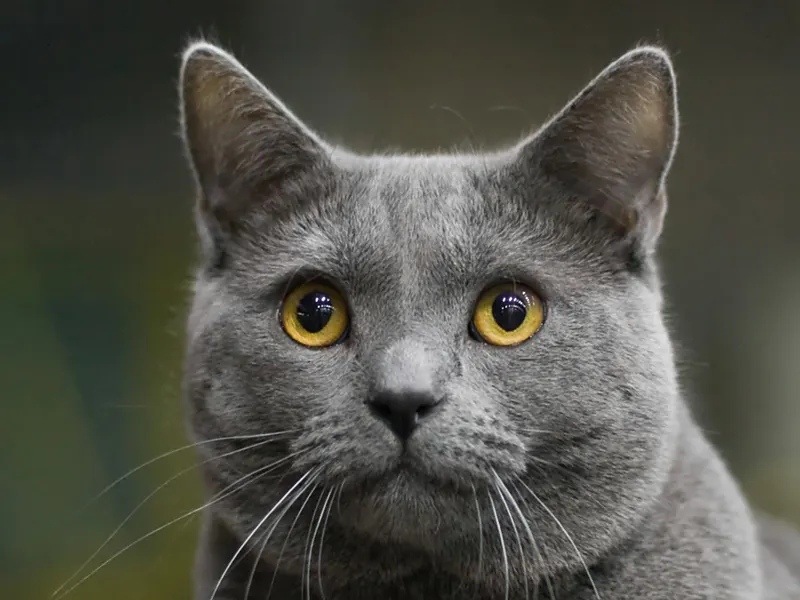
Chartreux
Semi-cobby
7–16 lbs · 12–15 yrs
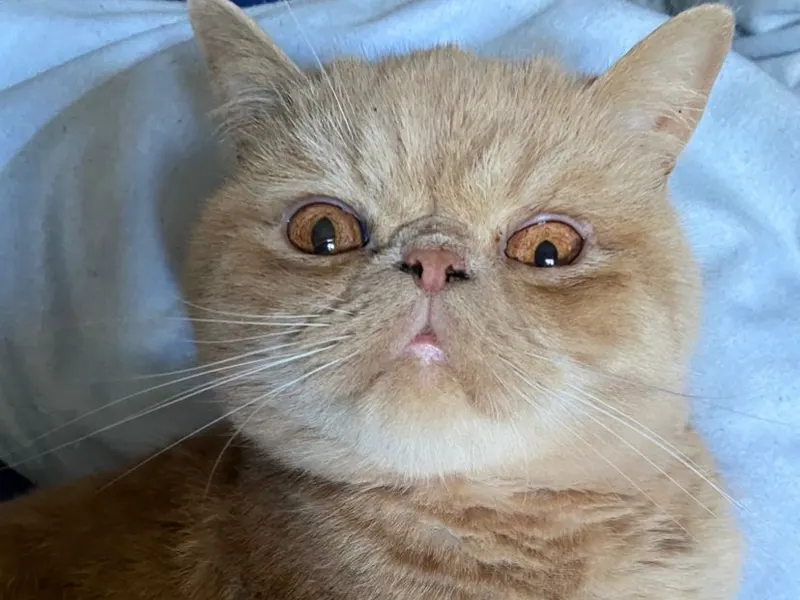
Exotic Shorthair
Cobby
7–14 lbs · 12–15 yrs
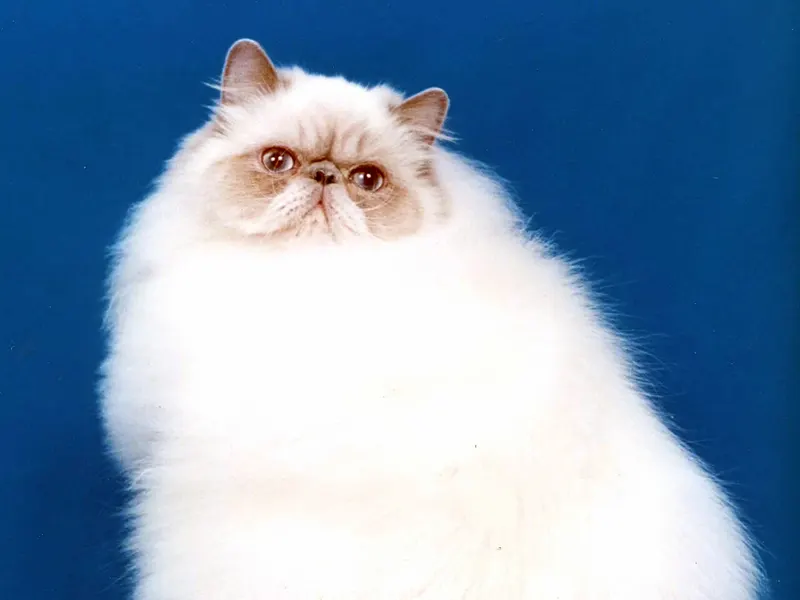
Himalayan
Cobby
7–12 lbs · 9–15 yrs
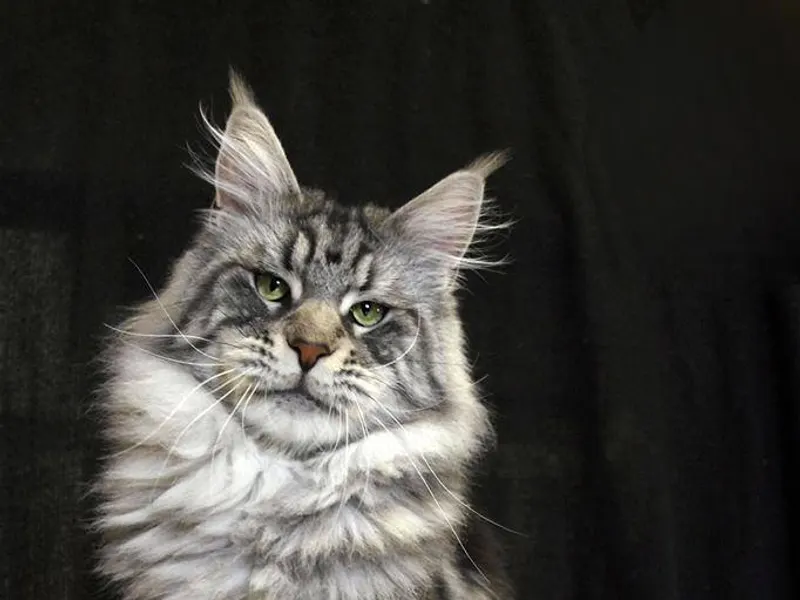
Maine Coon
Long & Substantial
10–25 lbs · 12–15 yrs
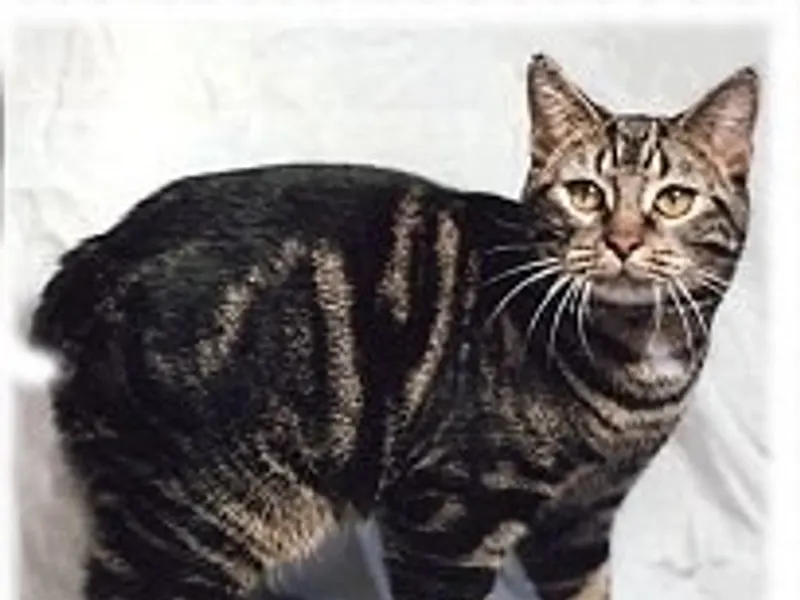
Manx
Cobby
8–12 lbs · 8–14 yrs
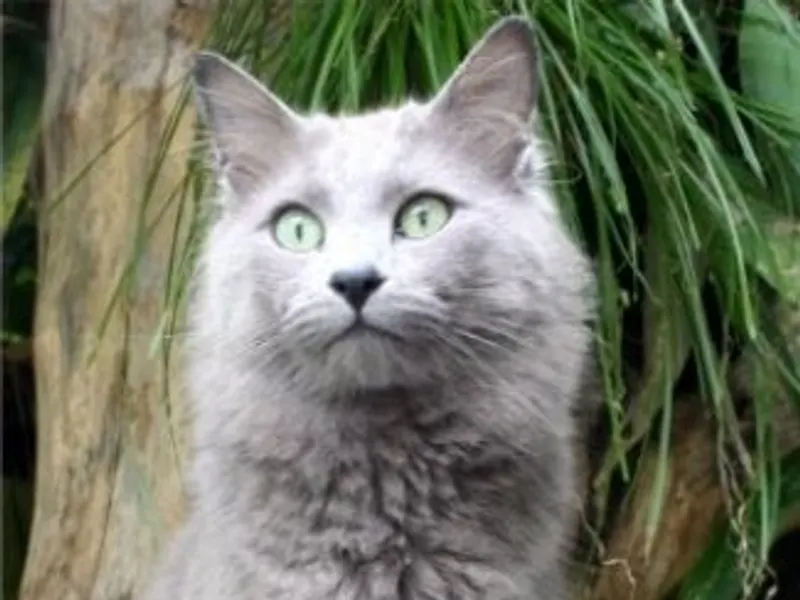
Nebelung
Foreign
7–11 lbs · 15–18 yrs
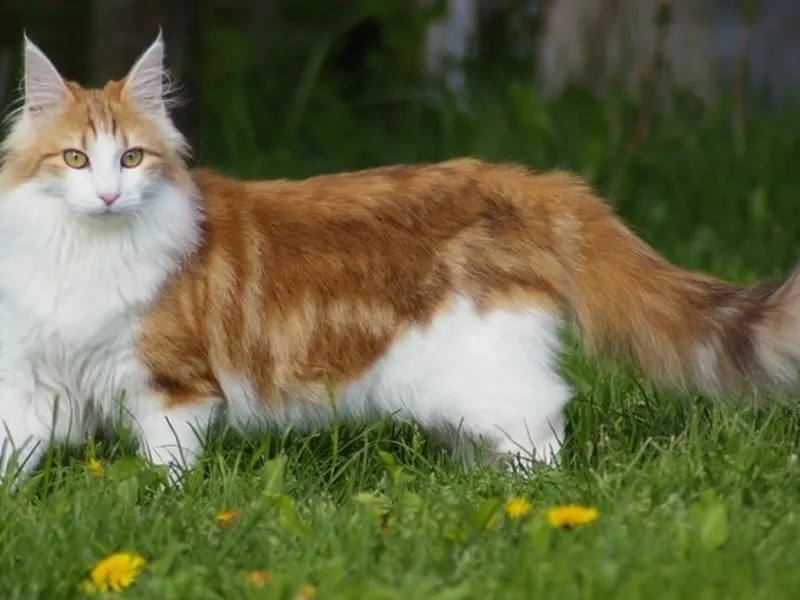
Norwegian Forest Cat
Long & Substantial
10–22 lbs · 14–16 yrs
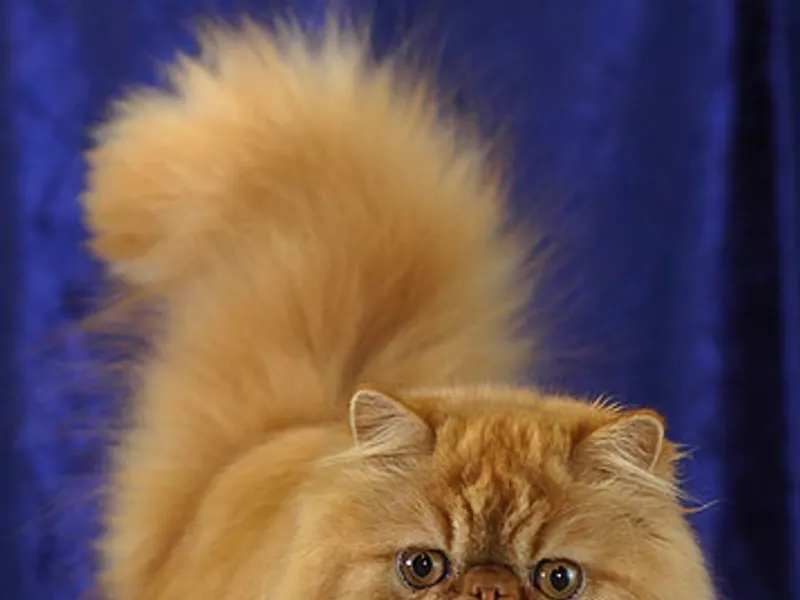
Persian
Cobby
7–12 lbs · 10–17 yrs
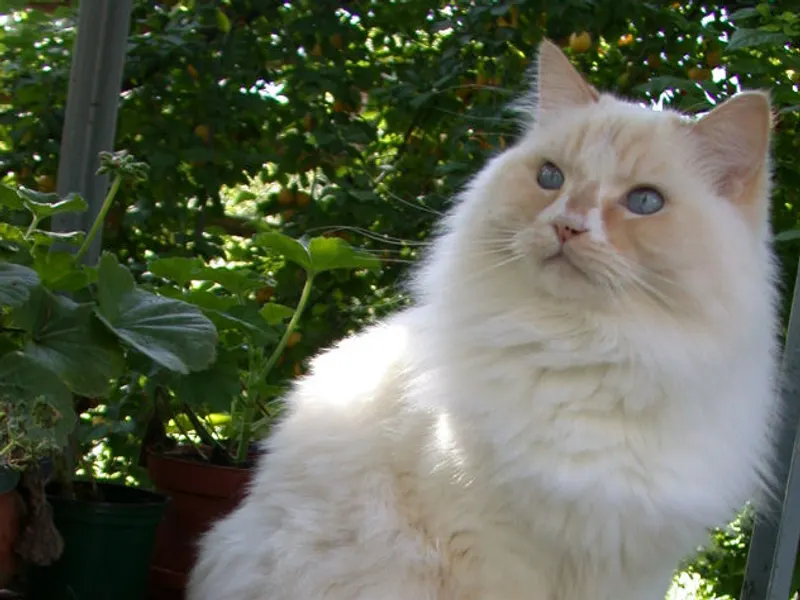
Ragamuffin
Semi-cobby
8–20 lbs · 12–16 yrs
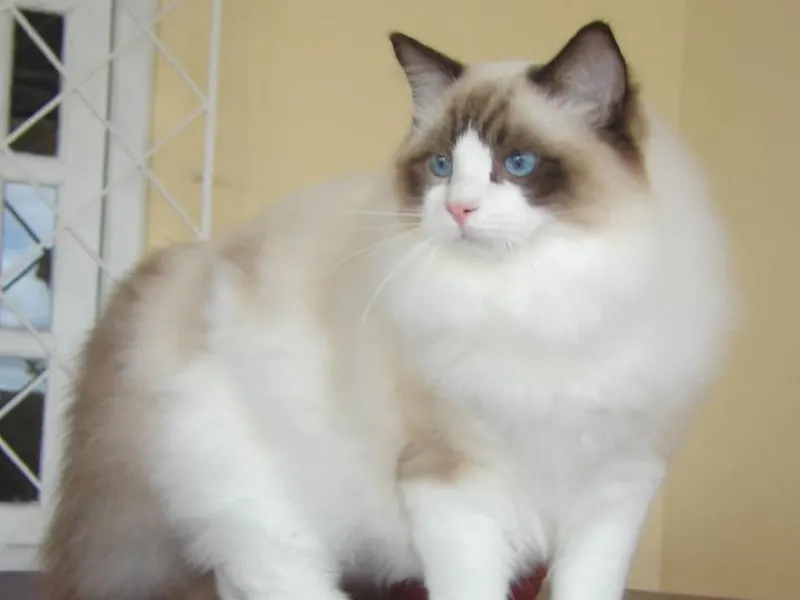
Ragdoll
Semi-cobby
10–20 lbs · 12–17 yrs
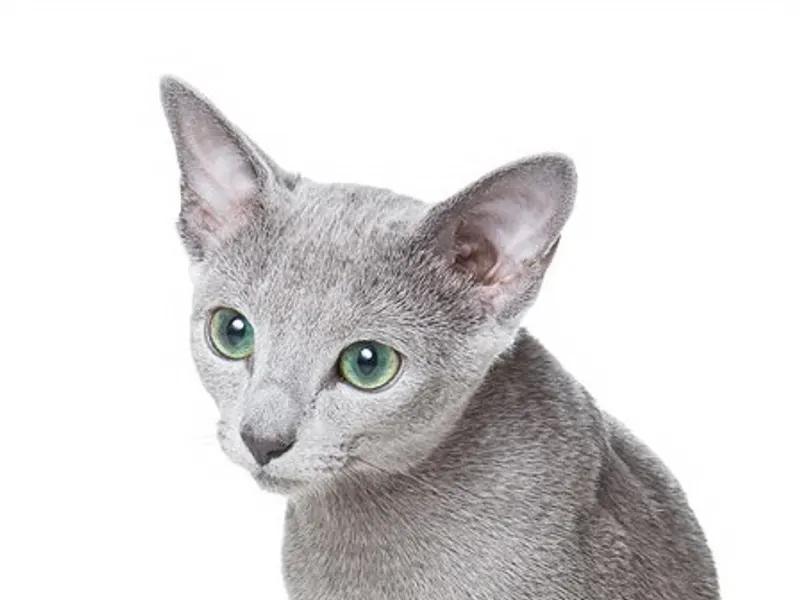
Russian Blue
Foreign
7–12 lbs · 15–20 yrs
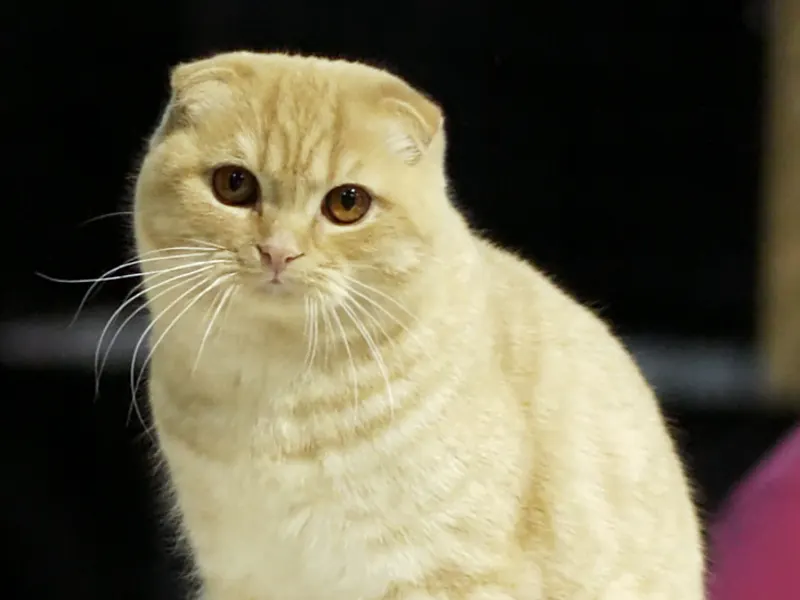
Scottish Fold
Semi-cobby
6–13 lbs · 11–15 yrs
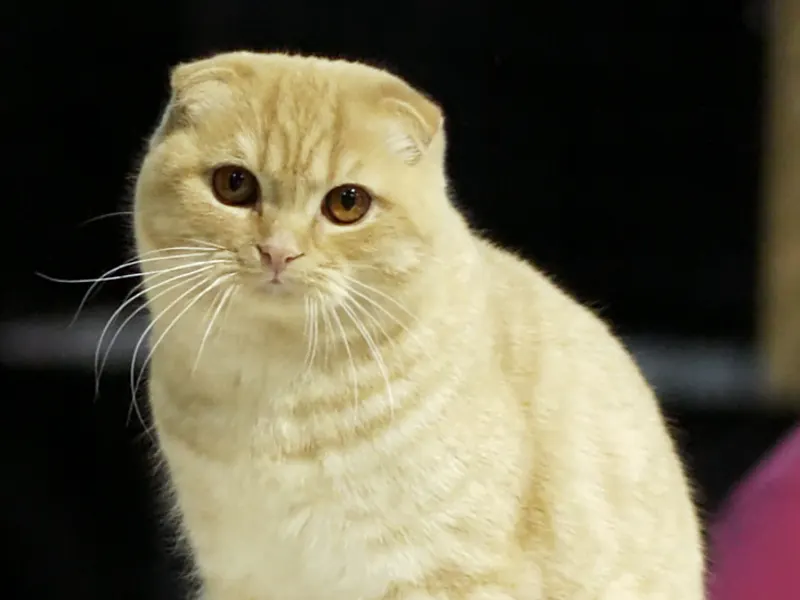
Scottish Straight
Semi-cobby
6–13 lbs · 11–15 yrs
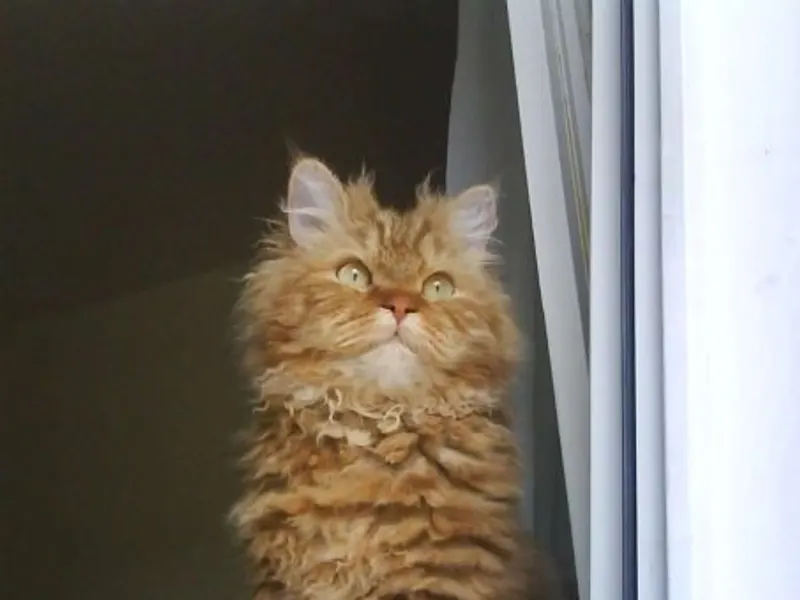
Selkirk Rex
Cobby
7–15 lbs · 10–15 yrs
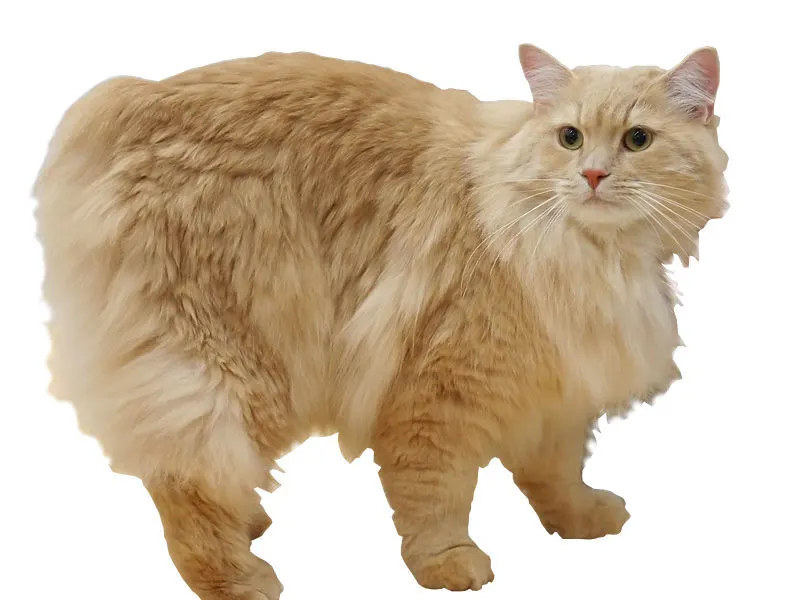
Cymric
Cobby
8–12 lbs · 8–14 yrs
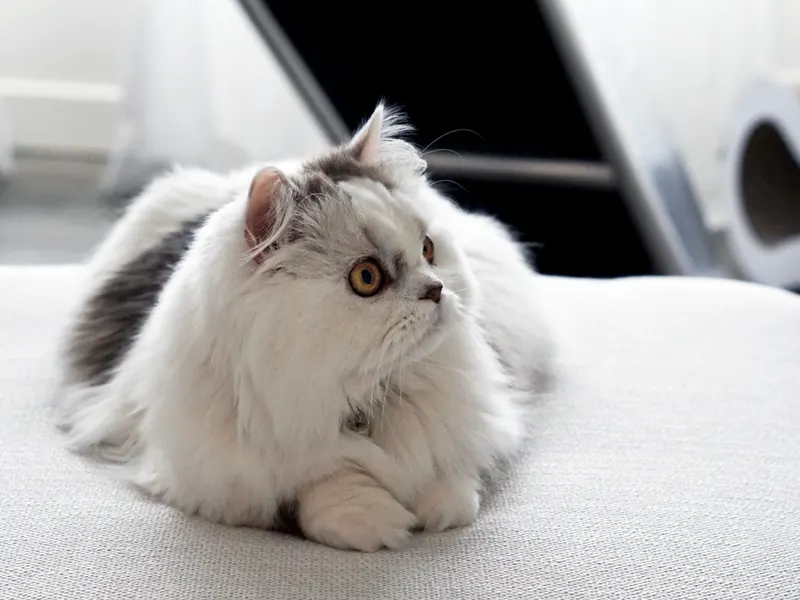
Napoleon (Minuet)
Semi-cobby
5–9 lbs · 12–14 yrs