Non-Sporting Group Dogs
24 breeds in this group.
The Non-Sporting Group exists mostly by process of elimination, and the AKC has never pretended otherwise — it's the category for breeds that don't fit the functional logic of Sporting, Hound, Working, Terrier, Toy, or Herding, which means it's also the single most physically and behaviorally diverse group in the registry. A Chow Chow, an ancient Chinese breed once used for hunting, herding, pulling, and guarding all at once, shares a group with the French Bulldog, a breed created purely as a companion by nineteenth-century Nottingham lace workers who emigrated to France and bred down English Bulldog stock for a smaller, more portable pet. There's no unifying trait to point to here the way there is with the Hound Group's nose or the Terrier Group's earth-work instinct; the honest organizing principle is "everything else," inherited from the AKC's original, smaller set of groups established in the early twentieth century that simply couldn't keep pace with how many distinct breed types eventually needed sorting. That said, several genuine sub-clusters exist inside the apparent chaos. A cluster of Tibetan and Himalayan breeds — the Lhasa Apso, Tibetan Spaniel, Tibetan Terrier (which, despite the name, was never bred for earth-work and has no genetic relationship to the true terrier group; the "terrier" label was applied loosely by Western visitors based on size alone) — share a common origin as monastery companions and watch-dogs in Tibetan Buddhist temples, bred for centuries in relative genetic isolation before the mid-twentieth century, when a small number of dogs were gifted to Western visitors and became the entire foundation of the Western breeding population. A separate Nordic-spitz cluster — the American Eskimo Dog, Finnish Spitz, Norwegian Lundehund, Keeshond, and German Spitz — share the fox-like face, curled tail, and dense double coat typical of northern spitz breeds generally, though their original jobs varied from Dutch barge-dog and watchdog (Keeshond) to the extraordinarily specialized puffin-hunting work of the Norwegian Lundehund, a breed with a genuinely unique skeletal adaptation: six toes on each foot and a spine flexible enough to bend the head backward along its own back, evolved to navigate the narrow, twisting sea-cliff burrows of Norway's puffin colonies. The bully and poodle-descended members form another loose cluster. The Bulldog, French Bulldog, Boston Terrier (also, confusingly, not a true terrier by function despite the name — it was developed by crossing Bulldog and now-extinct white English Terrier stock purely as a companion and pit-fighting dog before fighting was outlawed, after which breeders selected hard against aggression), and Shar-Pei all share a brachycephalic, or flat-faced, skull structure that comes with well-documented breathing challenges, heat intolerance, and, in several of these breeds, skin-fold issues that require regular cleaning to prevent infection. The Standard and Miniature Poodle sit in this group specifically because the AKC classifies Poodles by size across three different groups — Standard and Miniature land in Non-Sporting, while the Toy Poodle is grouped with the Toy breeds — despite all three being the same breed with the same working water-retrieving history and identical temperament expectations regardless of size. A scattering of genuinely singular breeds fills out the rest of the group. The Dalmatian's history as a coach dog — bred to run alongside and beneath horse-drawn carriages, guarding the vehicle and calming the horses through familiarity — long predates its firehouse mascot association, which developed in the U.S. specifically because fire engines were horse-drawn well into the early twentieth century and Dalmatians served the identical function alongside fire wagons that they'd served with private carriages. The Xoloitzcuintli (commonly shortened to "Xolo"), one of the oldest breeds in the Americas, was bred by pre-Columbian Mesoamerican civilizations including the Aztec, who regarded the dog as sacred and believed it guided the souls of the dead through the underworld — it exists in hairless and coated varieties from the same genetic line, similar in mechanism to the Chinese Crested. The Löwchen ("little lion dog" in German) and the Bichon Frise both descend from a broader Mediterranean bichon-type lapdog lineage that also produced the Havanese and Coton de Tulear, spread historically along trade routes by sailors who kept the small, cheerful dogs as ship's companions and traded them at ports across southern Europe. Because this group has no shared functional history, generalizing about exercise needs, grooming, or temperament across it is genuinely misleading in a way it isn't for most other groups — a Chow Chow's independent, reserved temperament and heavy grooming needs have essentially nothing in common with a French Bulldog's short coat and low exercise tolerance, or a Dalmatian's need for serious daily mileage. What prospective owners gain from treating this as a real category is mainly practical: it's a useful shortlist of breeds that don't slot into a "hunting dog," "herding dog," or "guard dog" box, which makes it worth browsing specifically for people who know they want a companion-first breed but aren't sure yet which body size, coat type, or energy level suits them, since virtually every combination of those traits exists somewhere within this one group. The group's diversity extends to activity level and grooming needs in ways that make blanket generalization actively misleading, so it's worth walking through a few contrasts directly. The Chow Chow's dense double coat needs serious regular brushing and doesn't tolerate heat well, while the French Bulldog's short coat needs almost none but comes with brachycephalic breathing concerns that make heat and exertion the bigger daily management issue instead. The Dalmatian needs genuinely substantial daily exercise, closer to the Sporting Group's expectations than to most of its actual Non-Sporting groupmates, a legacy of its original coach-dog job running alongside horses for miles at a stretch, while the Bichon Frise and Löwchen are comparatively low-energy companion breeds content with much shorter daily walks. Several breeds in this group also carry documented, breed-specific health concerns worth knowing individually. The Dalmatian is one of the only dog breeds prone to forming urate bladder stones due to a unique quirk in how the breed metabolizes uric acid, a trait tied closely to its genetics and requiring, in some cases, a specialized low-purine diet to manage. The Shar-Pei's deeply wrinkled skin, while part of its signature look, requires regular cleaning within the folds to prevent bacterial and yeast infections, and the breed also carries an elevated rate of a hereditary fever condition sometimes called Shar-Pei fever, well enough documented that breed clubs actively research and screen for it. The Chow Chow's deep-set eyes are prone to entropion, a condition where the eyelid rolls inward and the lashes irritate the cornea, common enough in the breed that many puppies require corrective surgery. Temperamentally, the group also splits sharply on trainability and independence in ways that matter more than any shared physical trait. The Chow Chow and Shar-Pei both carry a notably independent, reserved-with-strangers temperament closer to a livestock-guardian breed's profile than to a typical companion dog's eagerness to please, and both benefit from early, deliberate socialization more than most other Non-Sporting members do. The Poodle, by contrast, ranks among the most trainable breeds in any group, a legacy of its working retrieving history that persists regardless of which size classification (Standard, Miniature, or Toy) it happens to fall into. This range, more than any other single fact about the group, is the clearest evidence that "Non-Sporting" really is an administrative catch-all rather than a temperament category, and browsing it works best as a way to compare very different companion-breed options side by side rather than as a search for one shared trait. Because this group has no shared health or exercise profile, a prospective owner is genuinely better served researching each candidate breed as if it belonged to an entirely different category than assuming any commonality carries over from one Non-Sporting breed to the next — the group label itself, useful mainly as an AKC administrative artifact, shouldn't factor meaningfully into an actual adoption or purchase decision the way a Sporting or Herding classification legitimately can, since those groups describe genuine shared function while this one describes only what these breeds are not. Show-ring history is worth a brief mention specifically for this group, since several members were shuffled between AKC groups more than once as the registry's classification system evolved over the twentieth century — the Poodle's split across three different groups by size and the various Tibetan breeds' relatively recent Western recognition are both products of an AKC group system that's been revised repeatedly rather than fixed since the organization's founding, a genuinely useful bit of context for understanding why this particular group reads as such an administrative grab-bag today. Coat-and-color genetics vary as widely as everything else in this group, and it's worth a brief note that the Dalmatian's spotted pattern is present from birth in a much fainter form than the bold adult coat — puppies are actually born solid white, with spots developing and darkening over the following weeks, a detail that surprises many first-time Dalmatian owners expecting spots from day one. The Bichon Frise's name derives from "bichon à poil frisé," French for "curly-haired lapdog," a naming convention that, like the Löwchen's German name, points directly back to the Mediterranean bichon lineage shared by several small companion breeds scattered across this otherwise disparate group. The Keeshond, historically associated with Dutch barges and canal boats, takes its modern name from Cornelis "Kees" de Gyselaer, an eighteenth-century Dutch political figure whose supporters adopted the breed as an informal political symbol during a period of Dutch civil unrest, giving the dog an unusually specific and documented naming origin compared with most breeds in this varied group.
Bulldog
Non-Sporting
40–55 lbs · 8–10 yrs
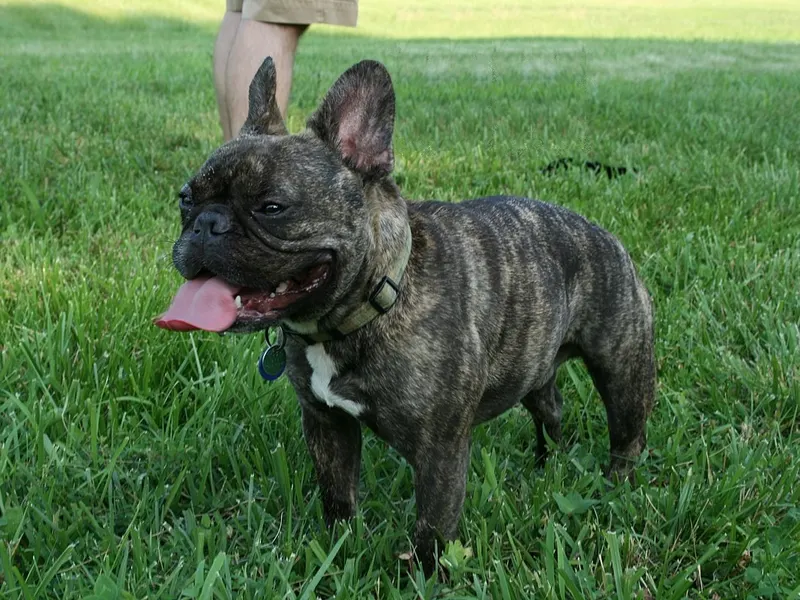
French Bulldog
Non-Sporting
16–28 lbs · 10–14 yrs
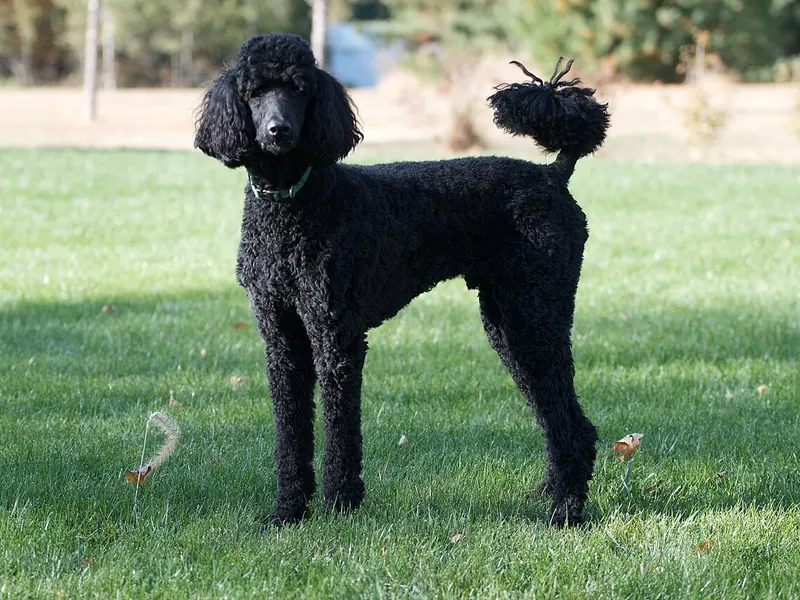
Standard Poodle
Non-Sporting
45–70 lbs · 10–13 yrs
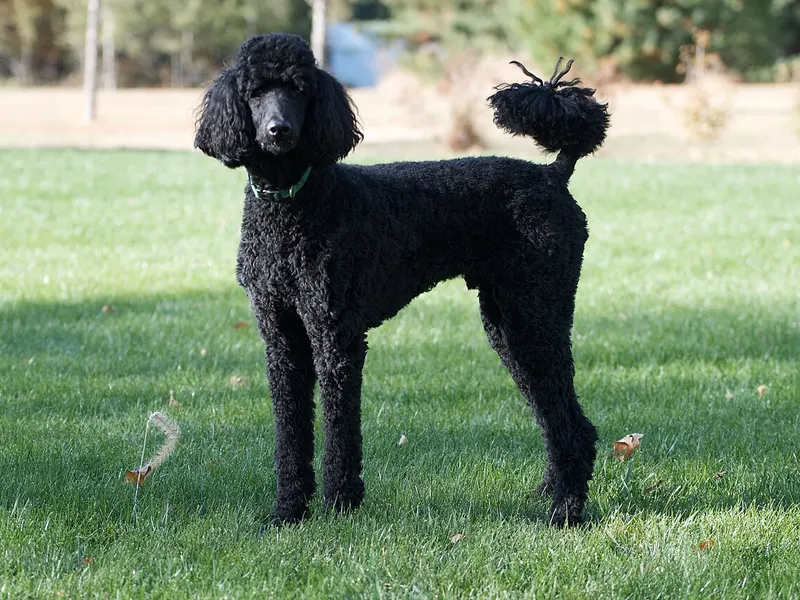
Miniature Poodle
Non-Sporting
10–15 lbs · 12–15 yrs
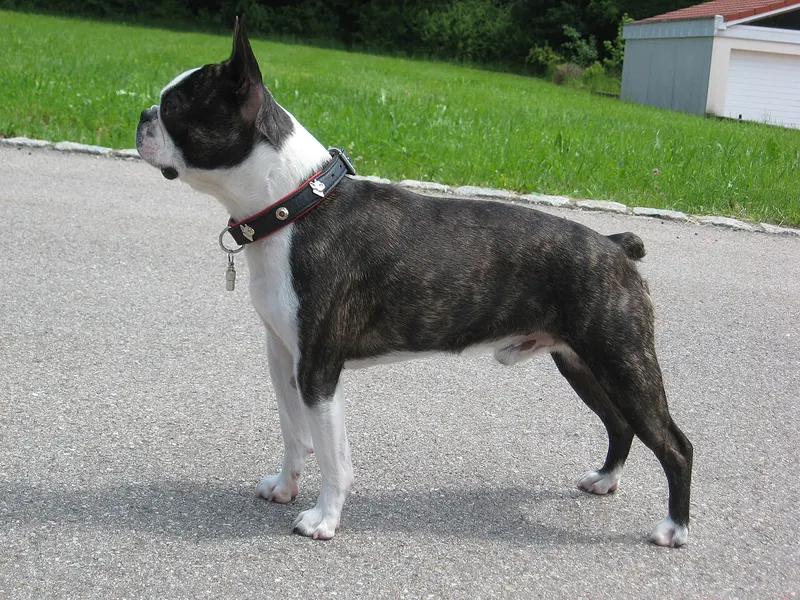
Boston Terrier
Non-Sporting
12–25 lbs · 11–13 yrs
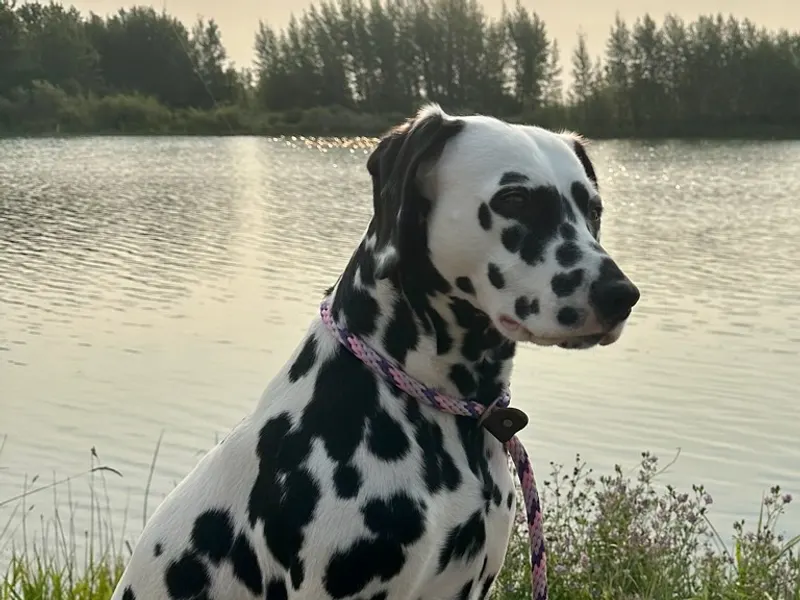
Dalmatian
Non-Sporting
45–70 lbs · 11–13 yrs
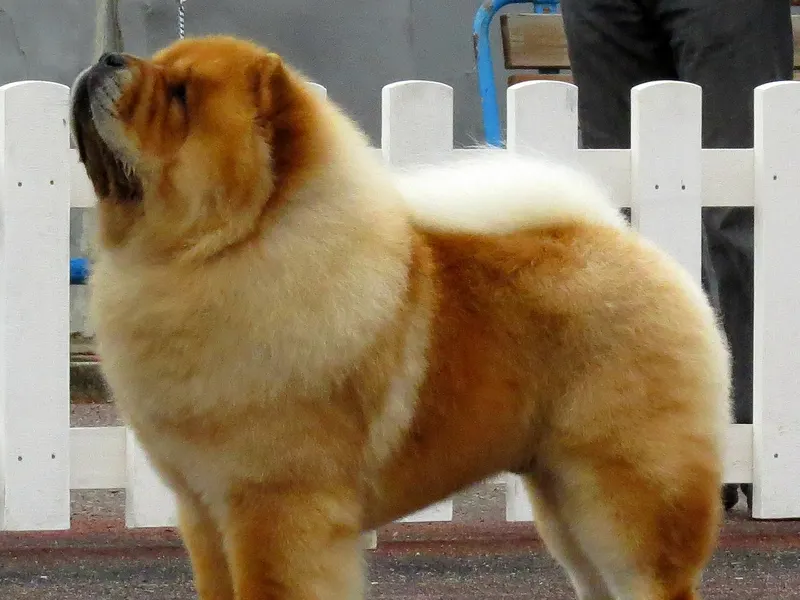
Chow Chow
Non-Sporting
45–70 lbs · 9–15 yrs
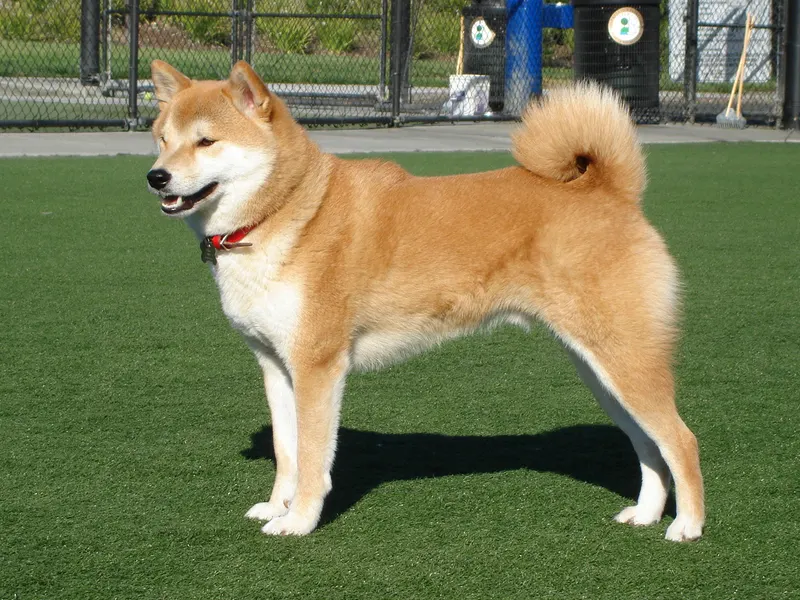
Shiba Inu
Non-Sporting
17–23 lbs · 12–16 yrs
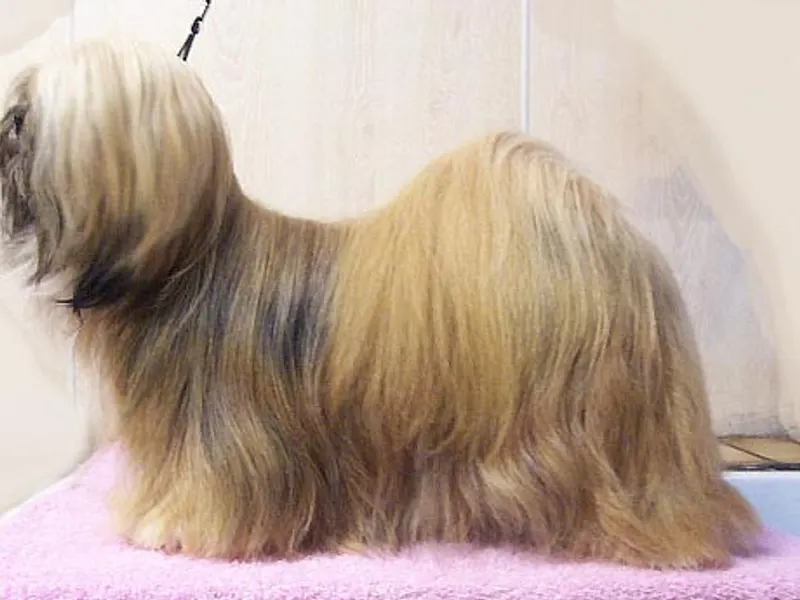
Lhasa Apso
Non-Sporting
12–18 lbs · 12–15 yrs
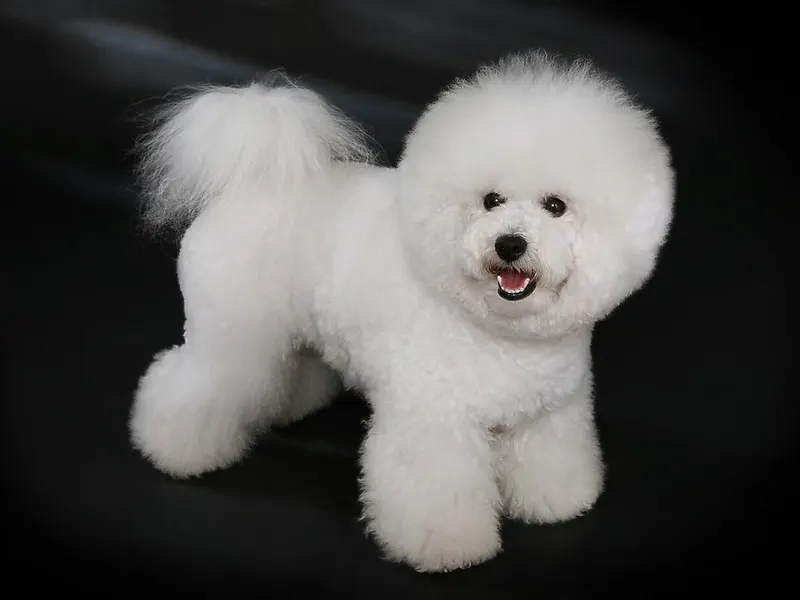
Bichon Frise
Non-Sporting
12–18 lbs · 14–15 yrs
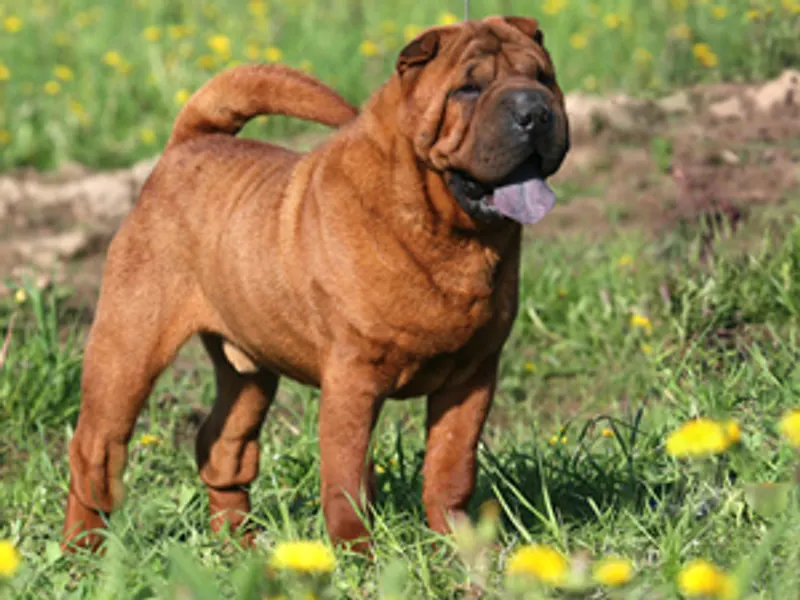
Shar-Pei
Non-Sporting
45–60 lbs · 8–12 yrs
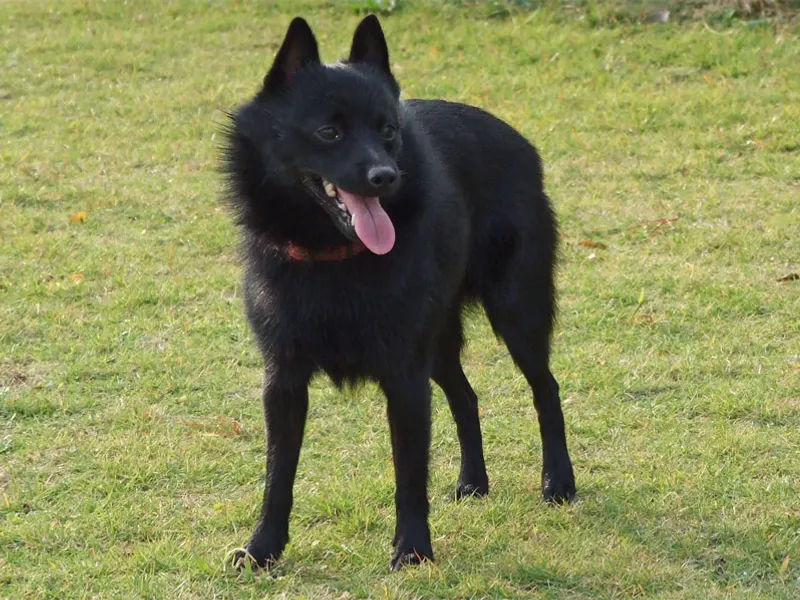
Schipperke
Non-Sporting
10–16 lbs · 12–14 yrs
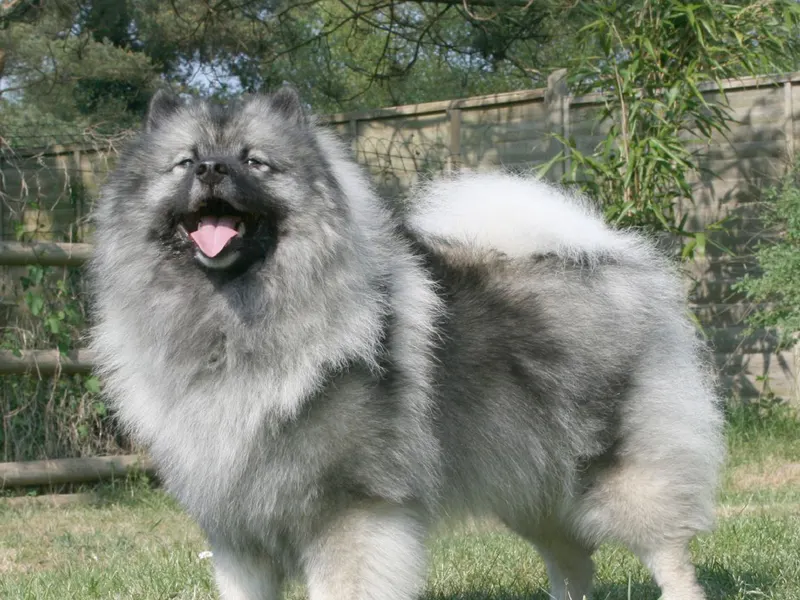
Keeshond
Non-Sporting
35–45 lbs · 12–15 yrs
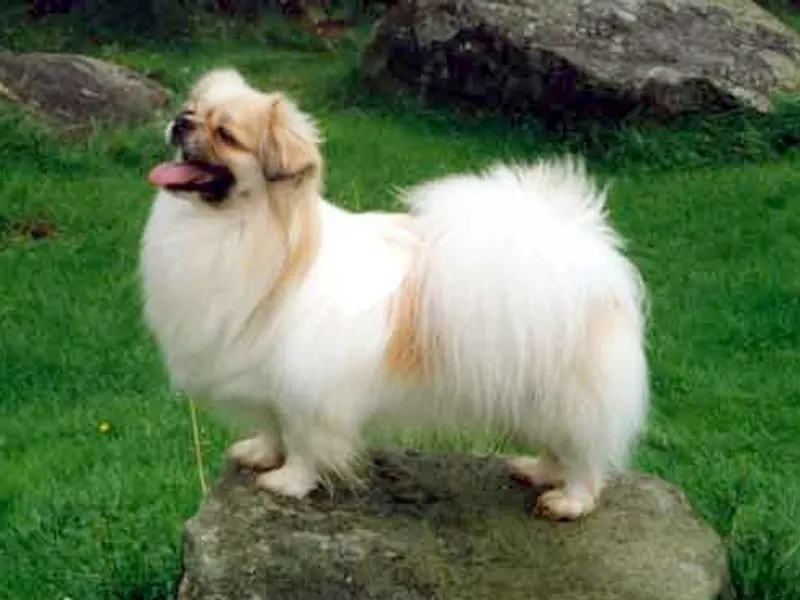
Tibetan Spaniel
Non-Sporting
9–15 lbs · 12–15 yrs
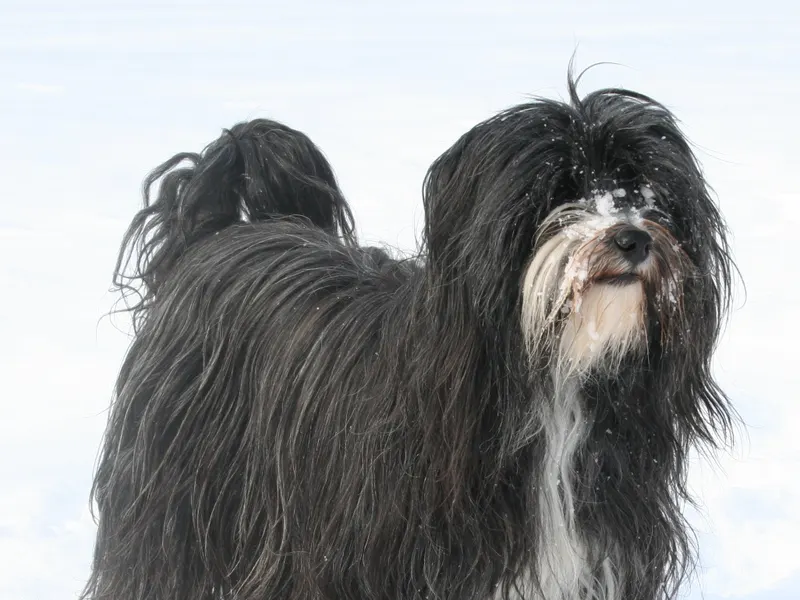
Tibetan Terrier
Non-Sporting
18–30 lbs · 12–15 yrs
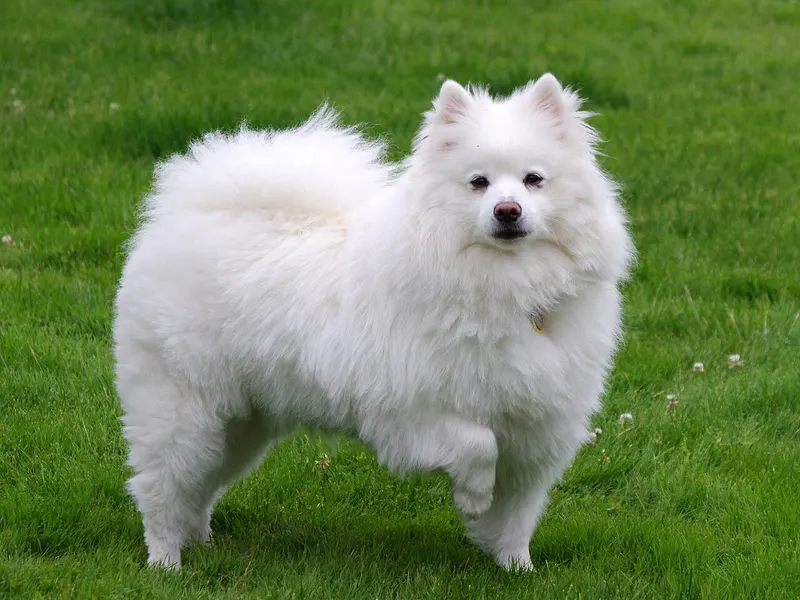
American Eskimo Dog
Non-Sporting
25–35 lbs · 13–15 yrs
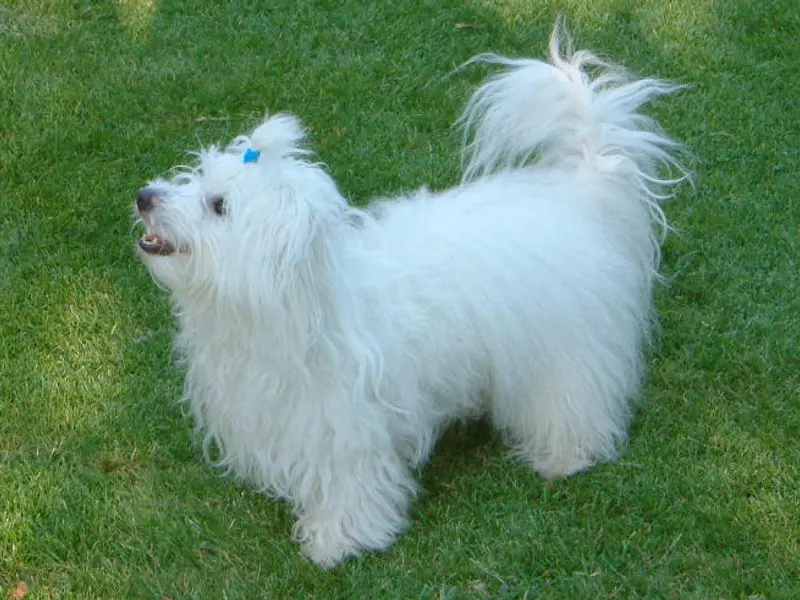
Coton de Tulear
Non-Sporting
8–15 lbs · 14–16 yrs
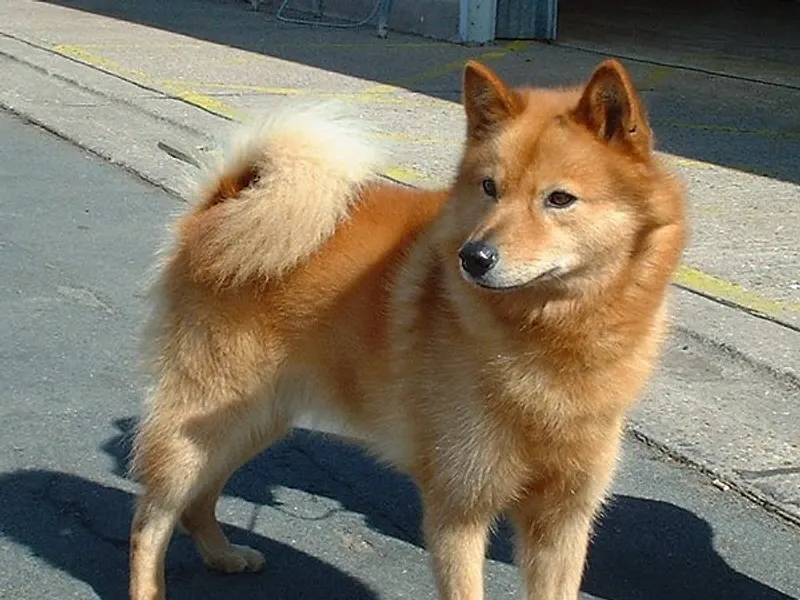
Finnish Spitz
Non-Sporting
20–33 lbs · 13–15 yrs
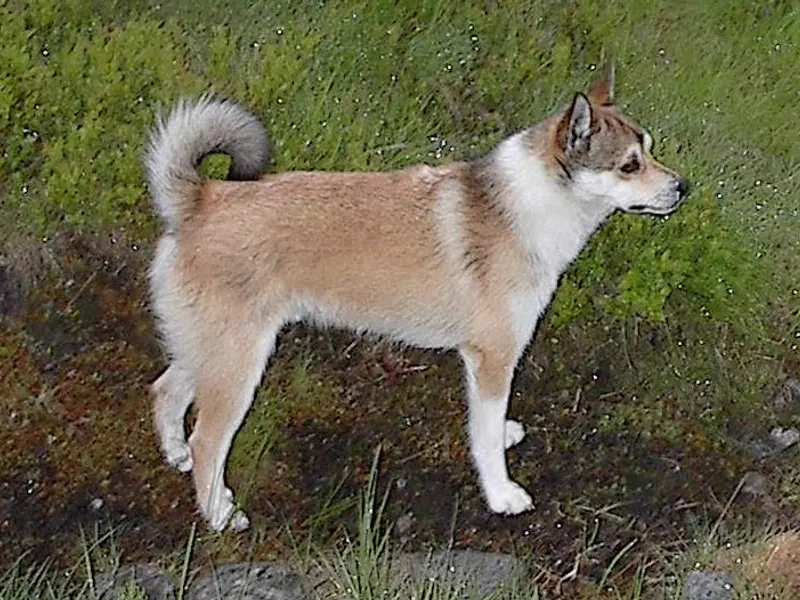
Norwegian Lundehund
Non-Sporting
13–16 lbs · 12–15 yrs
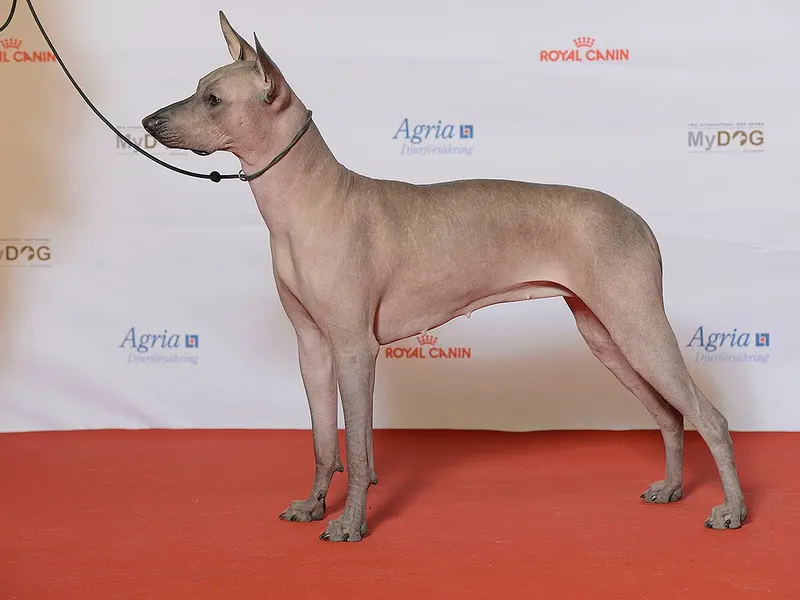
Xoloitzcuintli
Non-Sporting
10–50 lbs · 13–18 yrs
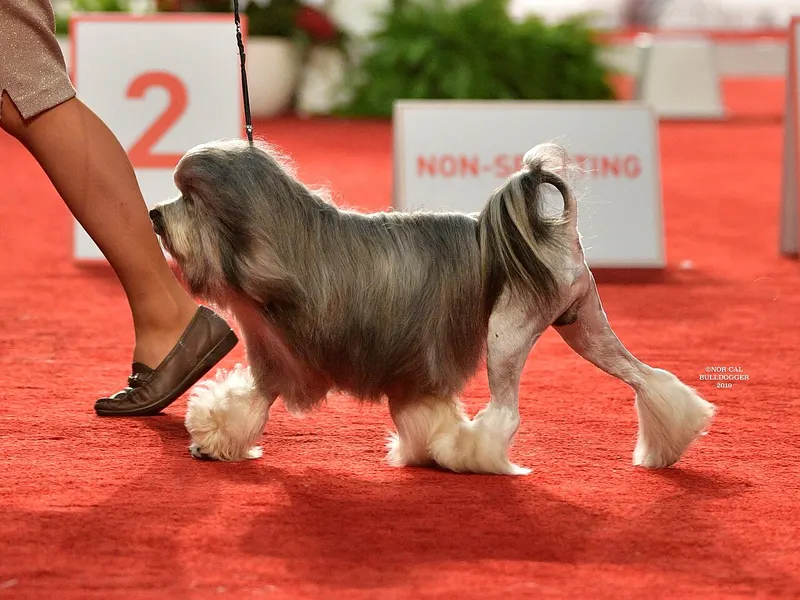
Löwchen
Non-Sporting
9–18 lbs · 13–15 yrs
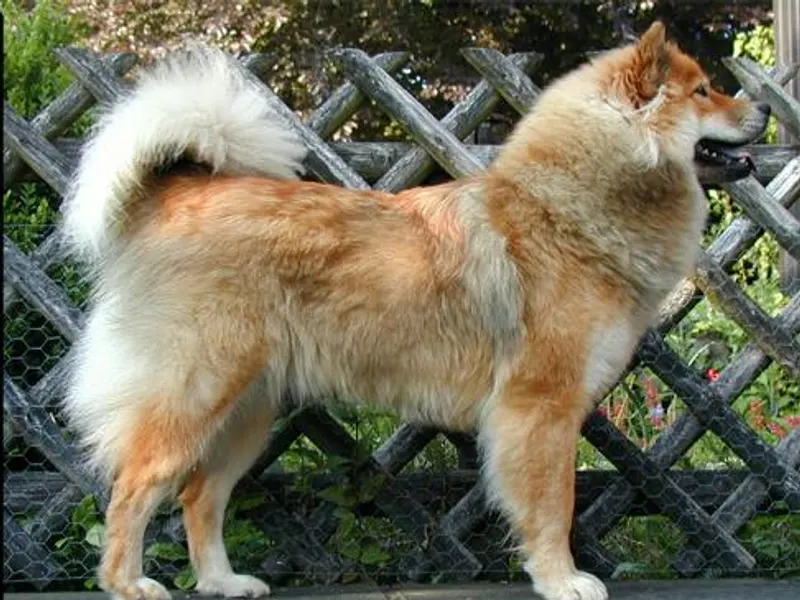
Eurasier
Non-Sporting
40–70 lbs · 11–13 yrs
German Spitz
Non-Sporting
18–29 lbs · 13–15 yrs
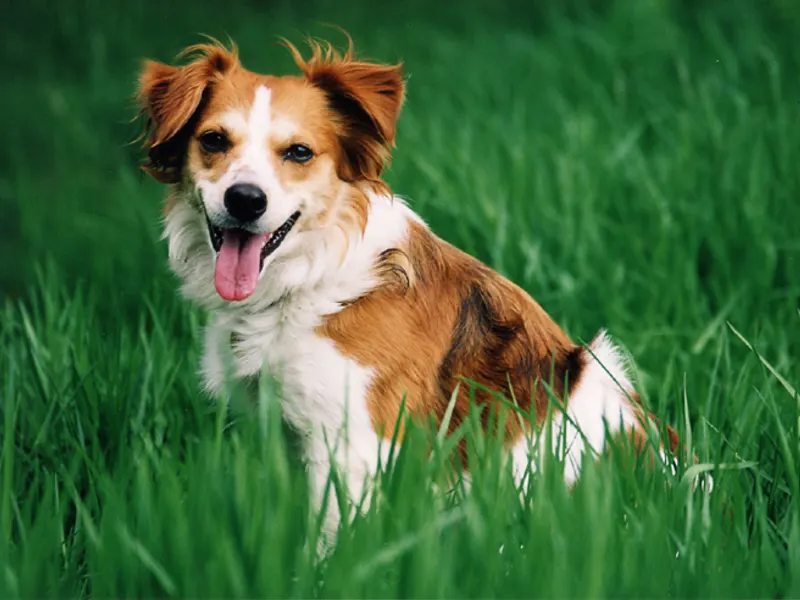
Kromfohrländer
Non-Sporting
20–30 lbs · 13–15 yrs