Foundation Stock Group Dogs
20 breeds in this group.
The Foundation Stock Service isn't a breed group in the same sense as Sporting or Herding — it's the AKC's holding area for breeds that are recognized as legitimate, distinct breeds but haven't yet accumulated the registration numbers, breeder-club infrastructure, or multi-generation pedigree records the AKC requires before a breed can compete for AKC championships in the regular seven groups. Some FSS breeds are landraces with centuries of history in their home country that simply arrived in the U.S. recently in meaningful numbers; others are working breeds still primarily bred for function rather than the show ring, where the paperwork trail needed for full recognition hasn't caught up with the breed's actual age. Either way, FSS status says something about a breed's American registration history and bureaucratic maturity, not about its quality, health, or suitability as a dog — several FSS breeds are genuinely ancient and well-established in their countries of origin. Japan contributes an unusually large share of this category, reflecting a set of regional spitz-type hunting breeds that were each developed on a different Japanese island or region for slightly different game and terrain, then formally designated as Japanese Natural Monuments in the twentieth century specifically to prevent them from disappearing after World War II nearly wiped out several of these populations. The Shikoku, Kai Ken, Kishu Ken, and Hokkaido are all medium-sized, fox-faced hunting spitz breeds used traditionally for boar and deer hunting in mountainous terrain, distinguished from each other mainly by coloring, region of origin, and subtle build differences rather than by function — the Kai Ken is notable for its distinctive brindle coat, sometimes called "tiger-striped," found in no other Japanese breed. The Korean Jindo Dog fills a similar regional-hunting-spitz role on the Korean peninsula and is legally protected as a national treasure in South Korea, where export was historically restricted, which partly explains its rarity outside Korea relative to its long history there. Several FSS breeds represent working landraces that developed with minimal formal breeding-program intervention, surviving instead through generations of practical selection by working owners rather than show breeders. The Catahoula Leopard Dog, Louisiana's state dog, developed among the region's hog-hunting and cattle-working communities from a mix of European herding-dog and hound ancestry crossed, according to persistent local tradition, with dogs kept by Native American communities in the area — a claim that's hard to verify genetically with certainty but reflects the breed's genuinely mixed working heritage rather than a single deliberate breeding program. The Carolina Dog is unusual among American breeds in that some researchers believe it represents a population of dogs that arrived with early human migrations across the Bering land bridge and persisted as a semi-feral landrace in the isolated pine forests and swamps of the American Southeast for thousands of years with minimal admixture from later European dog breeds, though this ancient-lineage claim remains debated among canine geneticists rather than settled fact. The New Guinea Singing Dog and Peruvian Inca Orchid similarly represent ancient regional populations — the Singing Dog is named for its unusual, highly modulated vocalization pattern, distinct from any bark or howl in more common breeds, and is closely related to the Australian Dingo; the Peruvian Inca Orchid, a hairless breed with genetic roots in pre-Columbian Peru, appears in Moche pottery dating back roughly 2,000 years. The FSS category also includes several breeds developed far more recently and deliberately, for a specific modern purpose. The Alaskan Klee Kai was created in the 1970s and 80s in Alaska by a breeder named Linda Spurlin specifically to produce a companion-sized version of the Alaskan Husky, small enough for apartment living but retaining the northern-breed appearance — a genuinely recent, documented breed origin unlike the ancient landraces elsewhere in this category. The American Bulldog and American Bully both represent twentieth-century American breeding programs building on English Bulldog and, in the Bully's case, American Pit Bull Terrier-related foundation stock, aimed at producing a working farm dog (American Bulldog) or a specific companion body type (American Bully) distinct enough from their source breeds to be considered separately. Because FSS breeds haven't accumulated the same multi-generation health-testing infrastructure and large-scale pedigree databases that fully recognized breeds have, prospective owners generally need to do more of their own legwork: health testing programs may be newer or less standardized, breed-specific rescue networks are often smaller or nonexistent in a given region, and reliable, longitudinal data on breed-typical lifespan or common health issues is thinner than for a Labrador or German Shepherd with a century of AKC records behind it. That's not a reason to avoid these breeds — many are hardy, historically robust landraces with fewer inherited health problems than some over-popularized fully recognized breeds — but it does mean a prospective owner should expect to lean more heavily on breed clubs, country-of-origin resources, and direct conversation with experienced breeders than on the kind of large-sample AKC statistics available for the seven main groups. It's worth being precise about what FSS status actually requires and doesn't require, since the distinction gets misunderstood. A breed enters FSS by petition, needs a minimum number of dogs and a documented multi-generation pedigree to be accepted, and can eventually graduate to the Miscellaneous Class and then to full recognition in one of the seven standard groups once it accumulates enough registered dogs and active breed-club infrastructure across a sufficient number of U.S. states — a process that can take many years even for a breed with an ancient, well-documented history in its home country, since the requirement is specifically about U.S. registration numbers and organizational maturity, not about the breed's age or quality. Several breeds now in the main AKC groups, including the Chinook and some spitz breeds, passed through FSS status themselves before achieving full recognition, so FSS is better understood as a waiting room with real, if slow-moving, doors out of it rather than a permanent separate category. Health and breed-club infrastructure differences matter practically for anyone considering an FSS breed. Because these breeds generally have smaller U.S. populations and shorter formal U.S. breeding-program histories, prospective owners typically can't rely on the kind of large-sample OFA hip and elbow statistics or multi-decade longevity data available for a Labrador or Golden Retriever, and finding a knowledgeable breeder or a breed-specific rescue can require reaching out to national breed clubs, country-of-origin resources, or even overseas breeders rather than a simple local search. This isn't necessarily a red flag on the breed's actual health — some FSS landraces, having developed with minimal deliberate inbreeding for extreme physical traits, may carry fewer inherited problems than certain heavily line-bred, fully recognized breeds — but it does mean an owner needs to do more independent legwork rather than leaning on decades of AKC-aggregated data the way a Labrador or German Shepherd owner can. A few additional breeds in this category deserve individual note. The Thai Ridgeback and Rhodesian Ridgeback (the latter fully recognized, in the Hound Group) share the distinctive ridge of backward-growing hair along the spine, caused by a similar genetic mechanism in both breeds despite their entirely separate geographic development in Thailand and southern Africa respectively — a striking example of convergent breeding for a similar trait in unrelated dog populations. The Formosan Mountain Dog, native to Taiwan, and the Podengo Português, a Portuguese hunting breed existing in three distinct size varieties, both represent centuries-old regional hunting traditions only recently gaining meaningful traction with American breeders and, by extension, AKC recognition infrastructure. Import and international shipping realities are worth mentioning for anyone specifically drawn to one of the rarer FSS breeds, since a genuinely small U.S. breeding population sometimes means the closest available, health-tested breeder is located overseas in the breed's country of origin, which adds real cost, logistics, and quarantine considerations to the adoption process compared with sourcing a fully recognized breed from a nearby domestic breeder, a practical factor worth researching early rather than discovering midway through a search for one of these less common breeds. Breed preservation efforts specific to several FSS breeds are worth highlighting directly, since a number of these breeds survived genuine near-extinction events — the Japanese Natural Monument breeds nearly disappeared after World War II food shortages and the disruption of organized breeding programs, and their survival today traces to deliberate, government-recognized conservation efforts in postwar Japan specifically aimed at rebuilding these populations from a small number of surviving dogs, a conservation story considerably more recent and more precarious than most fully recognized AKC breeds' histories. Country-of-origin kennel clubs often maintain considerably more detailed breed standards, health data, and breeder networks than the AKC's still-developing FSS infrastructure for a given breed, and reaching out to a breed's native national club directly, even if based overseas, frequently yields more useful, historically grounded information for a prospective American owner than relying solely on U.S.-based resources for one of these less established breeds. The AKC periodically reviews FSS breed applications and promotes qualifying breeds to the Miscellaneous Class as a step toward full recognition, and checking a specific breed's current status directly with the AKC before assuming FSS classification is permanent is worthwhile, since several breeds have moved through and out of this category over the past two decades. The Miscellaneous Class itself functions as a further waypoint, letting a breed compete in certain AKC companion events even before achieving full group recognition, a useful intermediate step that lets breed clubs build competition history and visibility while formal recognition paperwork continues to progress. Because breed clubs for FSS breeds are often smaller and more tightly knit than those for fully recognized breeds, prospective owners sometimes find direct, personal correspondence with a club's leadership yields more detailed guidance than a standard breeder-referral webpage would for a more mainstream breed, a genuinely useful, if less formalized, resource worth pursuing directly for anyone seriously considering one of these less common breeds.
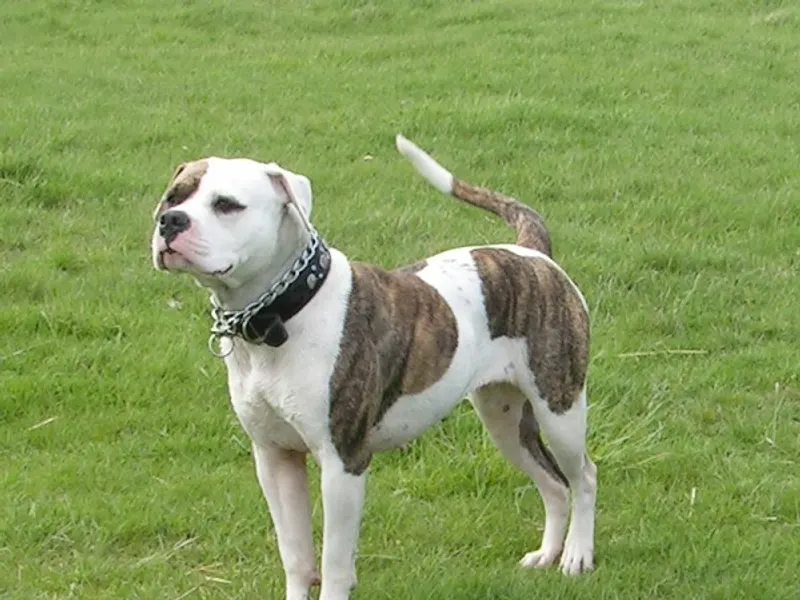
American Bulldog
Foundation Stock
60–120 lbs · 10–12 yrs
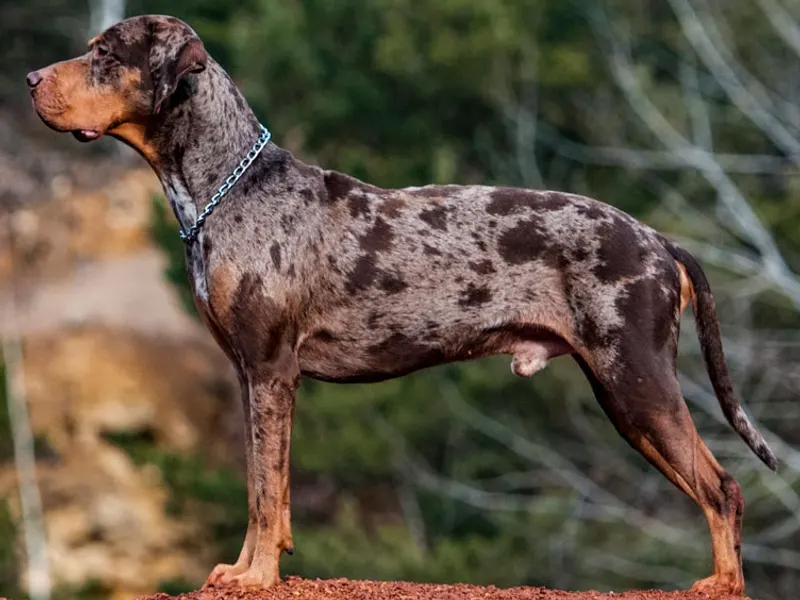
Catahoula Leopard Dog
Foundation Stock
50–95 lbs · 10–14 yrs
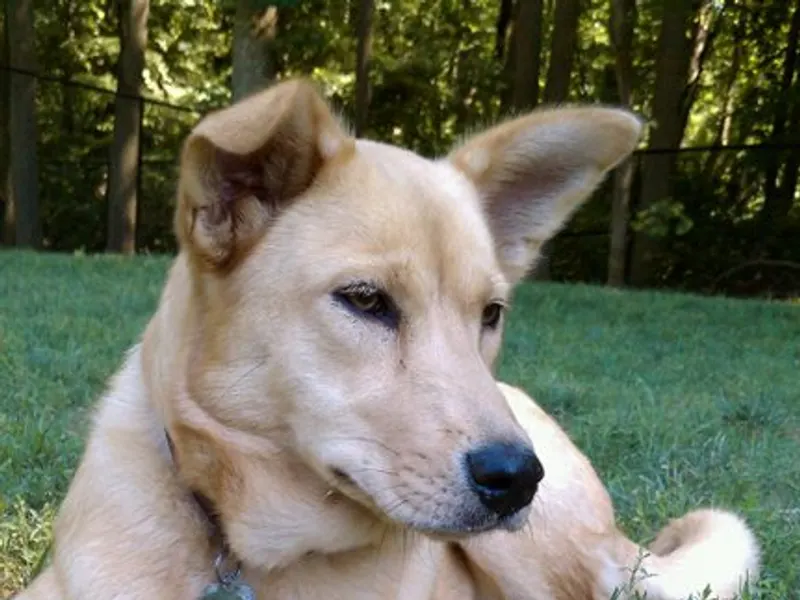
Carolina Dog
Foundation Stock
30–65 lbs · 12–15 yrs
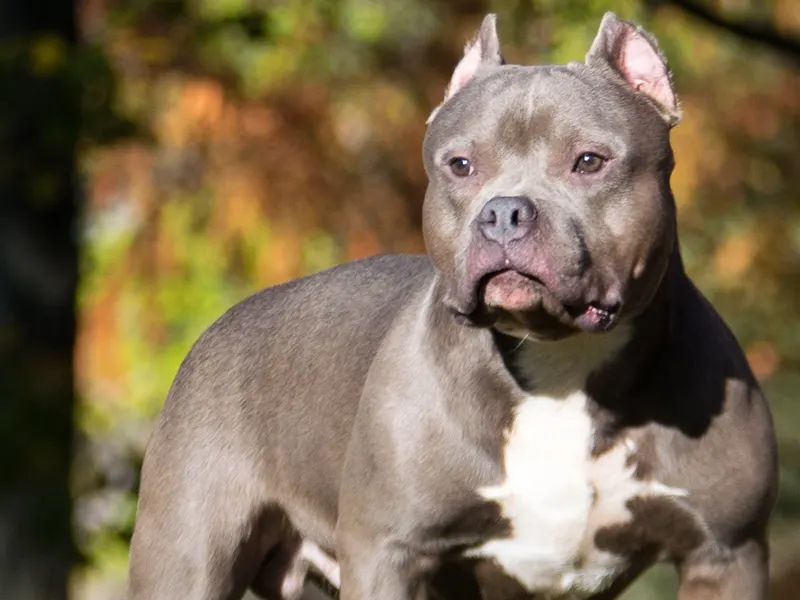
American Bully
Foundation Stock
30–150 lbs · 10–13 yrs
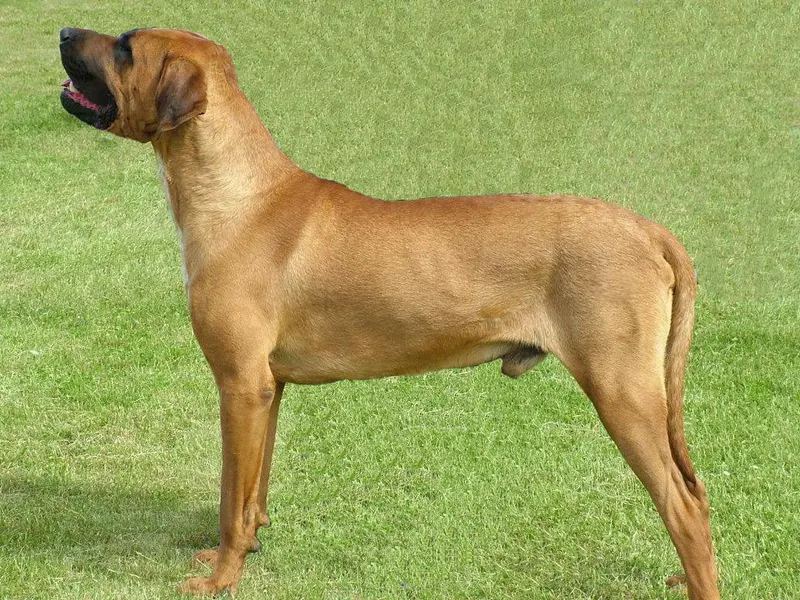
Tosa Inu
Foundation Stock
90–200 lbs · 9–11 yrs
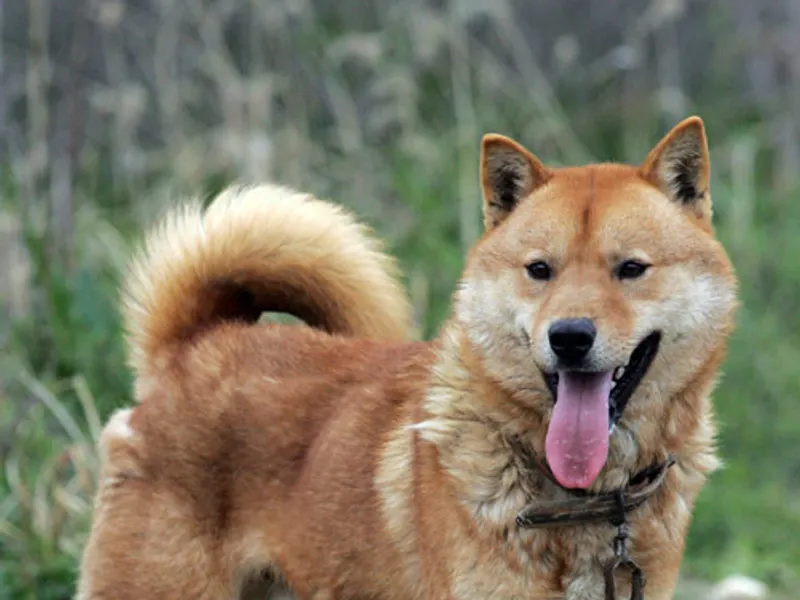
Korean Jindo Dog
Foundation Stock
30–50 lbs · 12–15 yrs
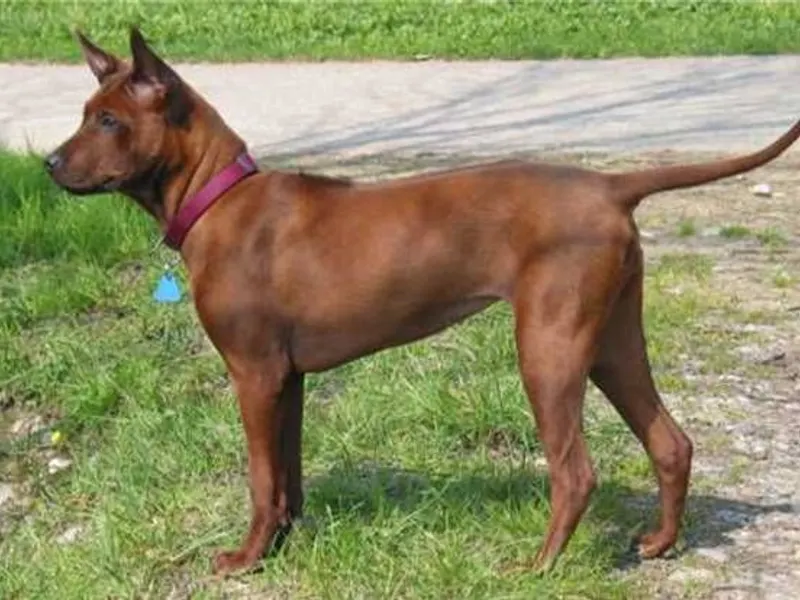
Thai Ridgeback
Foundation Stock
35–75 lbs · 12–13 yrs
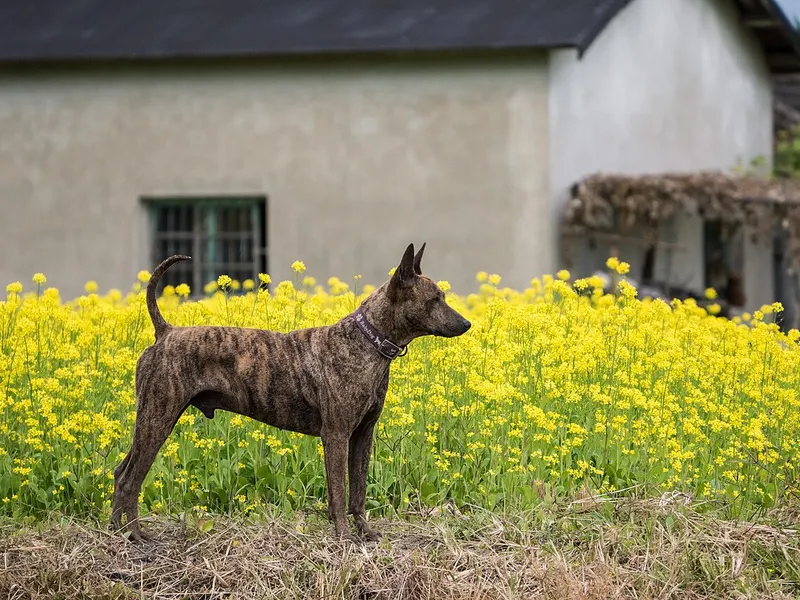
Formosan Mountain Dog
Foundation Stock
26–50 lbs · 13–16 yrs
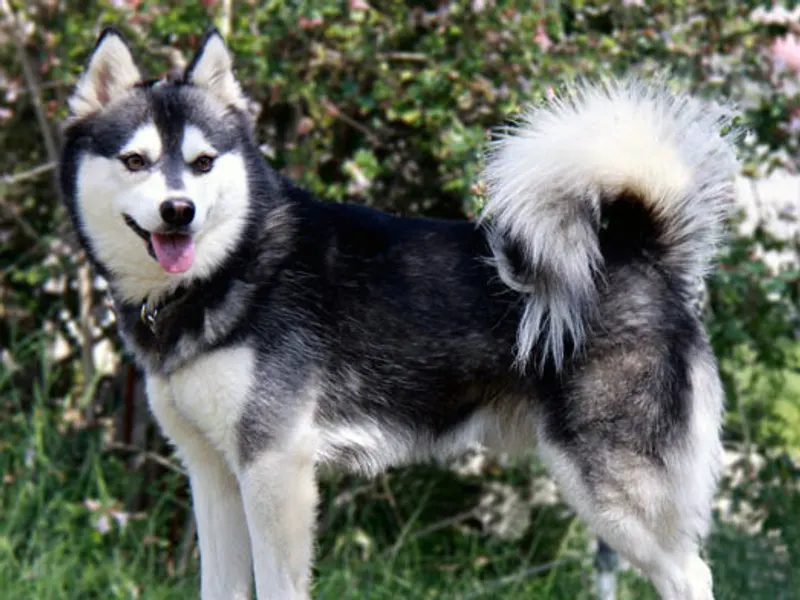
Alaskan Klee Kai
Foundation Stock
10–23 lbs · 13–16 yrs
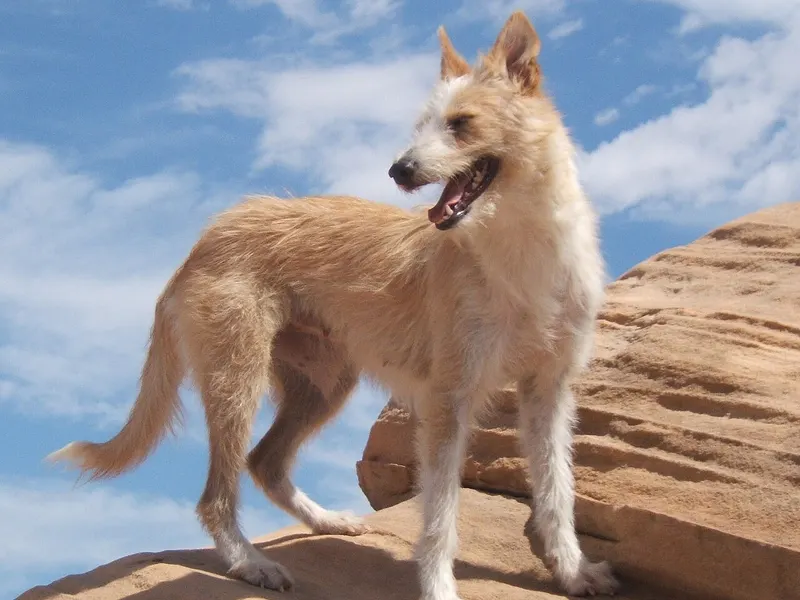
Podengo Português
Foundation Stock
35–44 lbs · 12–15 yrs
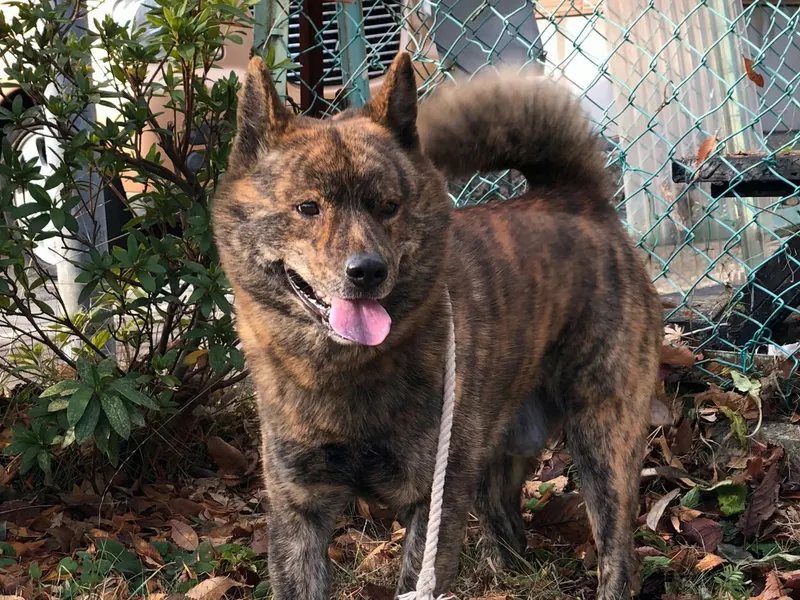
Kai Ken
Foundation Stock
25–40 lbs · 12–15 yrs
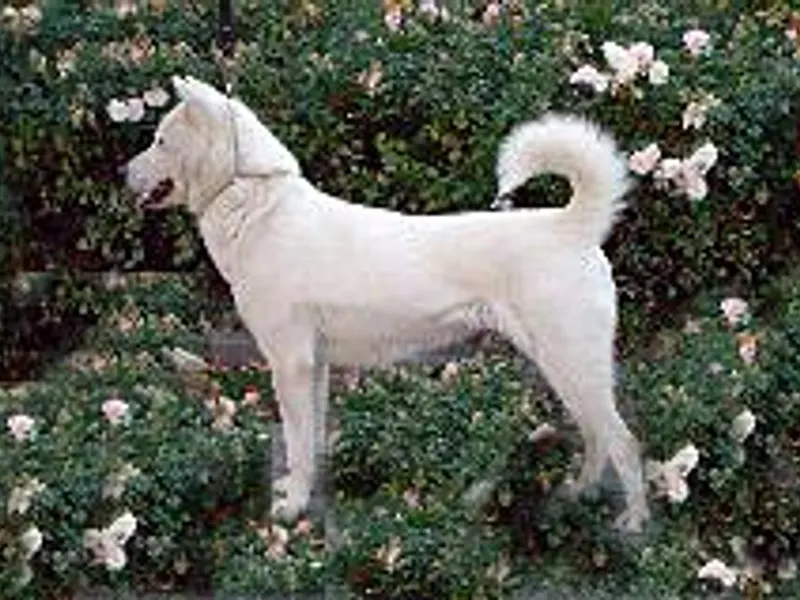
Kishu Ken
Foundation Stock
30–60 lbs · 11–13 yrs
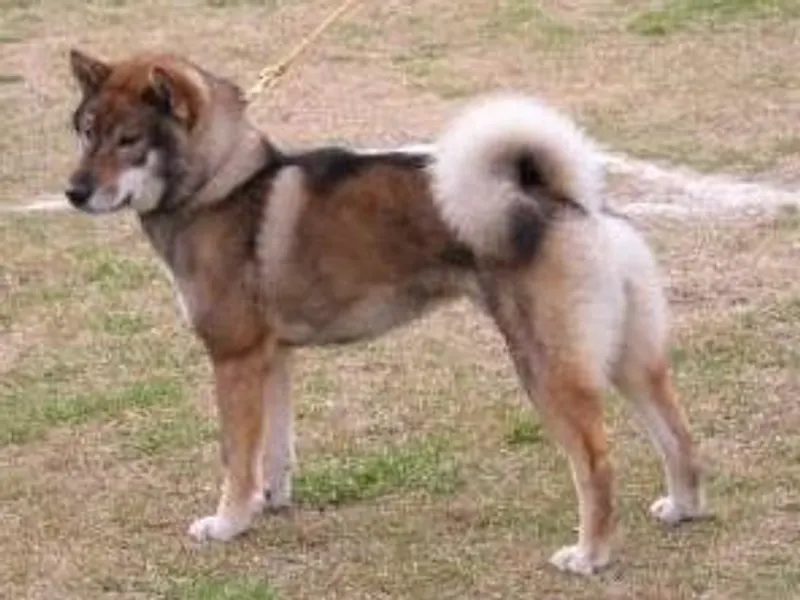
Shikoku
Foundation Stock
30–55 lbs · 10–12 yrs
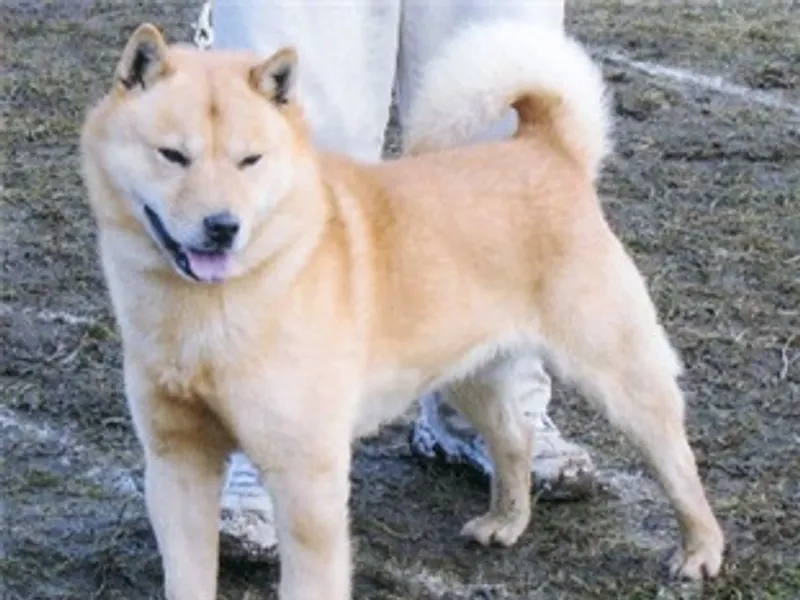
Hokkaido
Foundation Stock
45–65 lbs · 11–13 yrs
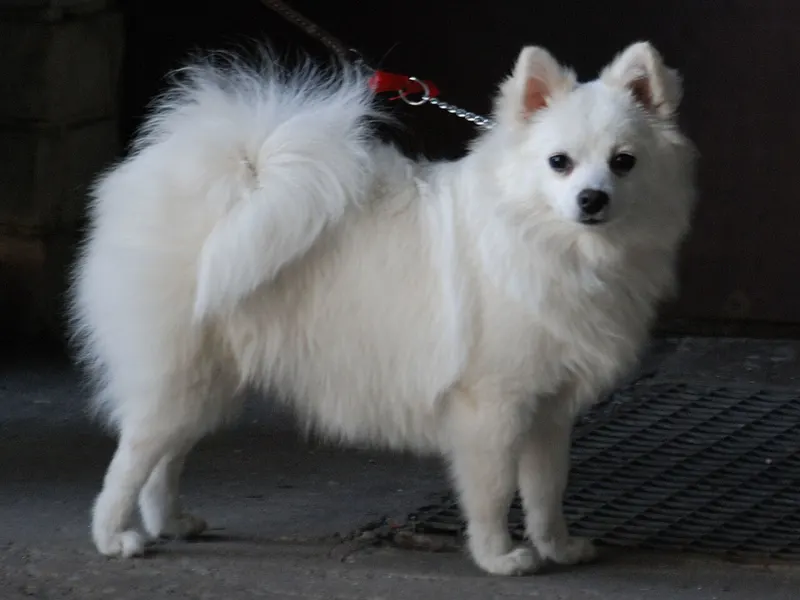
Volpino Italiano
Foundation Stock
9–14 lbs · 14–16 yrs
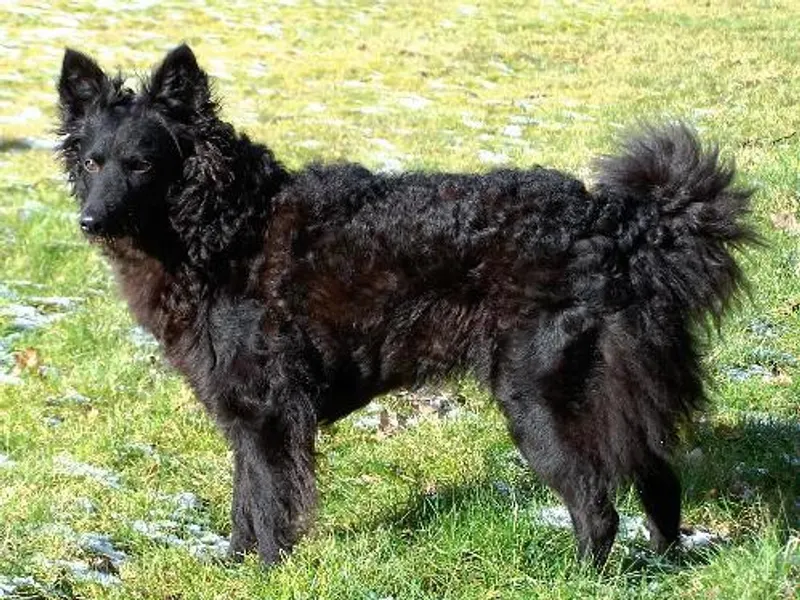
Mudi
Foundation Stock
18–29 lbs · 12–14 yrs
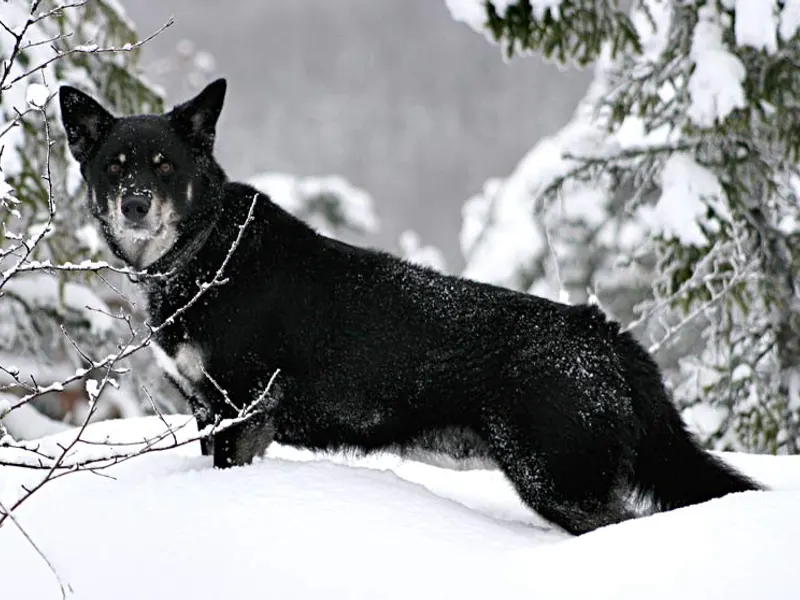
Lapponian Herder
Foundation Stock
40–55 lbs · 12–14 yrs
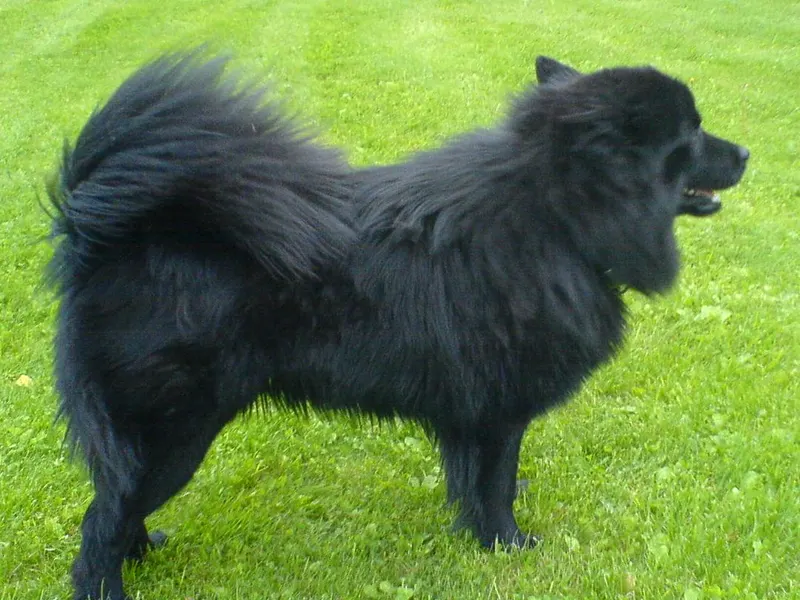
Swedish Lapphund
Foundation Stock
30–44 lbs · 12–15 yrs
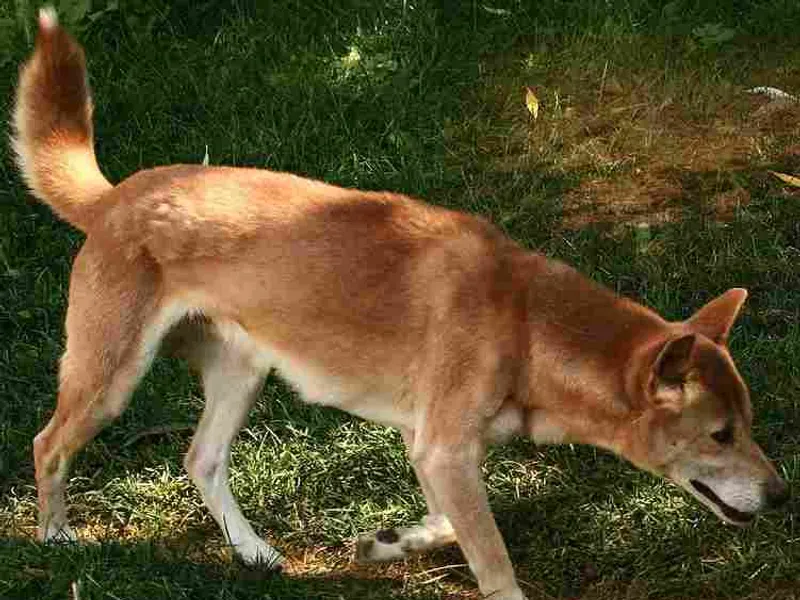
New Guinea Singing Dog
Foundation Stock
17–30 lbs · 15–18 yrs
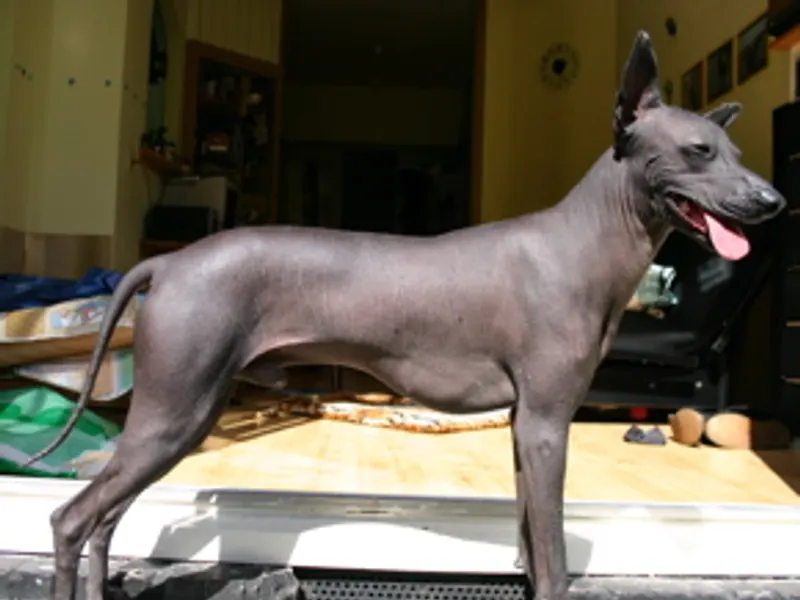
Peruvian Inca Orchid
Foundation Stock
12–55 lbs · 11–12 yrs