Toy Group Dogs
22 breeds in this group.
The Toy Group's defining trait isn't a shared job the way the Sporting or Herding groups have one — it's the deliberate absence of one. These breeds were bred specifically to be companions, often for the wealthy and titled, and their small size was frequently the entire point rather than an incidental trait, which sets the group apart from every other in the AKC's system. Several members are genuinely ancient by dog-breed standards: the Pekingese was bred in the Chinese imperial court for well over a thousand years, reportedly restricted at times to ownership by the emperor's household on pain of death for commoners caught with one, and its flattened face and rolling gait were prized specifically because they evoked a lion, an animal of enormous symbolic importance in Chinese Buddhist and imperial iconography. The Maltese has a documented presence in Mediterranean art and writing stretching back over two thousand years, referenced by Aristotle and depicted on Greek pottery, making it one of the oldest continuously recognizable companion breeds in the world. Not every Toy breed is an ancient miniature, though — several are recent scaled-down versions of working or sporting breeds, engineered by breeders specifically to shrink a useful type down to lap size while preserving its temperament. The Toy Poodle is a size variant of the same Poodle breed that originally worked as a German and later French water retriever (the name derives from the German "pudel," to splash in water), bred smaller purely for portability and companionship rather than any change in function. The Italian Greyhound is a genuinely miniaturized sighthound, retaining the sprinting instinct and thin, cold-sensitive coat of its much larger Greyhound relatives despite weighing a fraction as much, which is why owners in cold climates often need a coat for daily walks in a way owners of, say, a Pomeranian don't. The Miniature Pinscher, despite superficial resemblance to a small Doberman, is not a miniaturized Doberman at all — genetic and historical evidence points to the Min Pin predating the Doberman by centuries as an independent German ratting breed, a common misconception worth correcting. The spitz-type Toy breeds — the Pomeranian, Japanese Chin, and the increasingly popular Chinese Crested — each carry distinct regional stories. The Pomeranian descends from much larger German and Polish sled-and-herding spitz breeds and was dramatically reduced in size over the nineteenth century, notably accelerated by Queen Victoria's personal enthusiasm for smaller specimens after she encountered a diminutive Pomeranian in Florence and began breeding down from the 20-to-30-pound dogs then typical to something closer to the 3-to-7-pound standard seen today. The Chinese Crested exists in two coat varieties from the same litters — hairless and "powderpuff" — a genetic quirk tied to a single dominant gene where the hairless allele, when inherited from both parents, is actually lethal in utero, meaning every hairless Crested carries one hairless and one coated gene copy, and litters reliably include both types. The spaniel-descended Toy breeds — Cavalier King Charles Spaniel, English Toy Spaniel, and Papillon — trace to European court lapdogs of the sixteenth through eighteenth centuries, bred down from larger spaniel hunting stock specifically for companionship among aristocracy; the Cavalier King Charles Spaniel's name and modern standard were deliberately revived in the 1920s and 30s to recreate the longer-nosed type seen in Van Dyck portraits of King Charles II's court dogs, after the shorter-faced English Toy Spaniel type had become dominant. The Havanese, Cuba's only native breed, developed from Mediterranean bichon-type dogs brought over by Spanish colonists and later became closely associated with Havana's aristocracy before nearly disappearing after the Cuban Revolution, when many owning families emigrated and only a small population survived to found the modern American breeding stock. Living with a Toy breed comes with a specific, recurring set of practical considerations regardless of which individual breed a family chooses. Small body mass means these dogs are genuinely more fragile around rough handling and small children than their outsized personalities suggest, and falls from furniture or being stepped on account for a disproportionate share of Toy-breed injuries. Dental disease is close to universal across the group — the crowded jaw structure in a mouth built to human-adult-sized tooth proportions but a fraction of the skull size means periodontal disease sets in earlier and more aggressively than in larger breeds, and daily brushing or dental chews matter more here than almost anywhere else in the registry. Several Toy breeds, particularly the smallest ones like Chihuahuas and Yorkshire Terriers, are prone to hypoglycemia as puppies and to a collapsing trachea as adults, both manageable with informed care but worth knowing before bringing one home. On the upside, the group's small size makes it uniquely suited to apartment living and travel, and most Toy breeds, bred for centuries purely to enjoy human company, tend to bond intensely with their people — a real asset for a single owner or an older adult, though it can also produce separation anxiety in a breed left alone for long stretches, since that constant-companionship instinct doesn't switch off just because the household schedule demands it. Several Toy breeds carry health considerations specific enough to name directly. The Cavalier King Charles Spaniel has one of the more serious breed-specific health concerns in the entire Toy Group: mitral valve disease, a degenerative heart condition, appears in the breed at meaningfully higher rates and often earlier ages than in dogs generally, and reputable breeders now screen breeding stock with regular cardiac exams specifically because of how prevalent the condition has become in the breed's gene pool. The Pug and other flat-faced Toy breeds carry the same brachycephalic breathing and heat-tolerance concerns documented across flat-faced breeds in other groups, made somewhat more pronounced by the Pug's especially compact skull structure. Patellar luxation, a slipping kneecap, is common enough across the smallest Toy breeds — Yorkshire Terrier, Pomeranian, Chihuahua among them — that it's routinely screened for by conscientious breeders, and it's one of the more frequently cited reasons small-breed dogs limp intermittently on a rear leg without an obvious injury. Coat care within the Toy Group varies as widely as it does across the registry as a whole despite the shared small size. The silky-coated breeds — Yorkshire Terrier, Maltese, Shih Tzu — need daily or near-daily brushing to prevent matting if kept in a longer show-style coat, though many pet owners opt for a shorter "puppy cut" specifically to reduce that maintenance burden without changing the dog's temperament or size at all. The double-coated spitz-descended breeds like the Pomeranian shed more than their small size might suggest, particularly during seasonal coat blows. The smooth-coated Toy breeds — Chihuahua, Miniature Pinscher, Italian Greyhound — need comparatively little grooming but, lacking a dense undercoat, are notably more cold-sensitive and often need a coat or sweater for outdoor walks in cool weather, a real practical consideration rather than a fashion choice. Despite their diminutive size, several Toy breeds retain genuine working or sporting instincts worth respecting rather than dismissing because of the breed's companion-first reputation. The Papillon, one of the more agile Toy breeds, competes successfully in agility against far larger dogs and was bred originally from working spaniel stock rather than purely for lap-dog stillness. Several Toy breeds also alert-bark readily, a trait inherited from ancestors that, whatever their courtly origins, were still expected to notify a household of visitors or intruders, and that vocal tendency is worth planning for in noise-sensitive living situations like thin-walled apartments. Life expectancy is worth naming as a genuine, if bittersweet, upside of choosing from this group: toy breeds as a class post some of the longest average lifespans in the entire registry, commonly 14 to 18 years and occasionally longer, meaning a toy-breed puppy represents a considerably longer companionship commitment on average than a giant-breed puppy does, a real practical consideration for prospective owners weighing how a dog will fit into a household's changing circumstances over the better part of two decades rather than the 8 to 10 years typical of the largest breeds. Historical trade and diplomatic gift-giving shaped this group more than most people realize: several Toy breeds moved between royal courts as formal gifts over centuries, a practice that both spread specific breeds internationally and, in some cases, meant a breed's population outside its country of origin depended on a relatively small number of gifted founding dogs, a genetic bottleneck pattern echoed later in some of the more recently founded breeds discussed on this site's other group hubs, though achieved through court diplomacy rather than a single spontaneous mutation. Show-ring grooming for several Toy breeds represents a genuinely different time commitment than everyday pet grooming, and it's worth distinguishing the two directly: a Yorkshire Terrier or Maltese kept in full show-length coat for competition needs daily, meticulous brushing and wrapping to protect the coat's length, while the same breed kept in a shorter pet trim needs only the more modest weekly routine described earlier, a choice entirely up to the owner's goals rather than the breed's actual requirements. Breed longevity records are genuinely notable within this group: several individually documented Toy-breed dogs have lived past 20 years, an age rarely if ever recorded in any larger breed, underscoring just how strongly body size and average lifespan correlate across the dog world generally. This longevity advantage comes with a practical estate-planning consideration some owners overlook: a Toy breed acquired by a middle-aged or older adult may genuinely outlive the original owner's own active caregiving years, which is part of why some breed rescues specifically counsel prospective older owners to have a backup care plan in place from the outset.
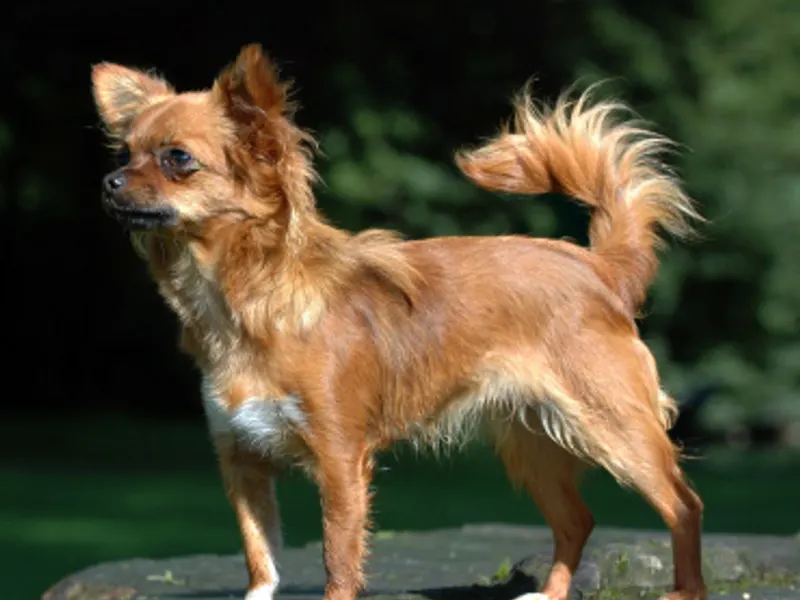
Chihuahua
Toy
2–6 lbs · 14–16 yrs
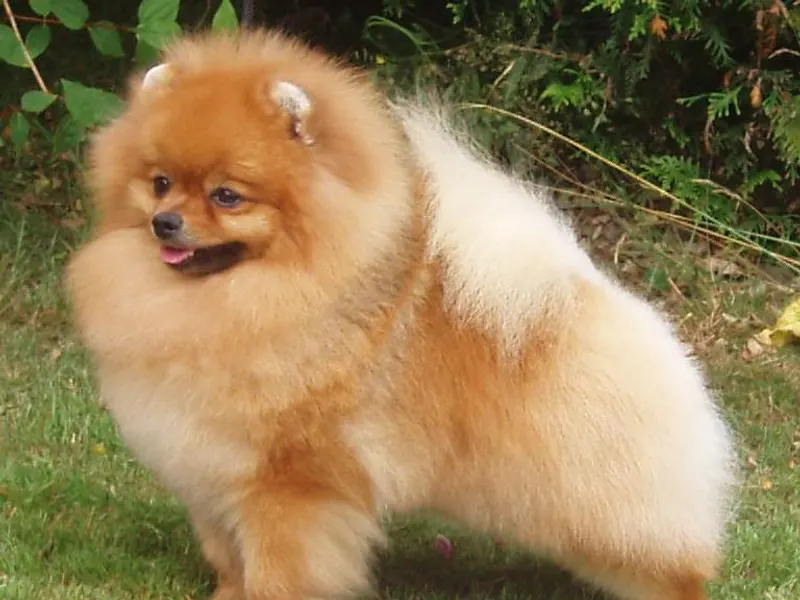
Pomeranian
Toy
3–7 lbs · 12–16 yrs
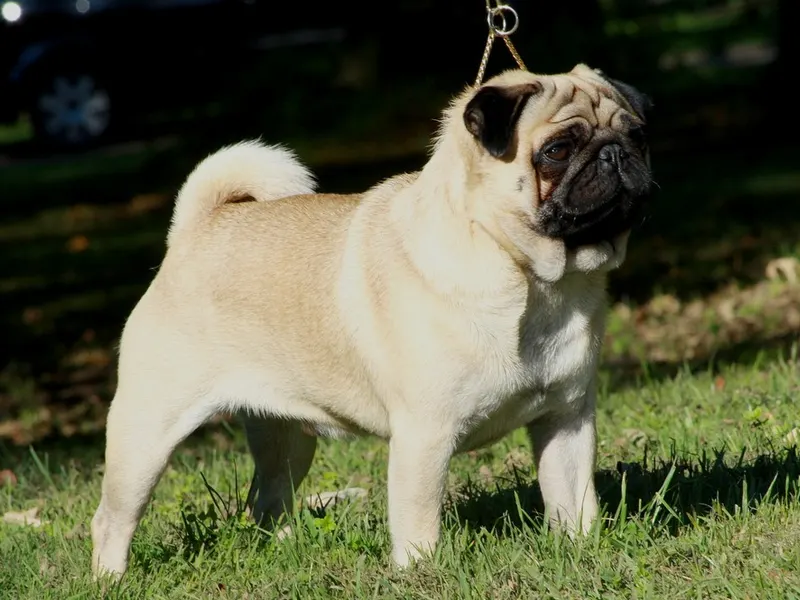
Pug
Toy
14–18 lbs · 13–15 yrs
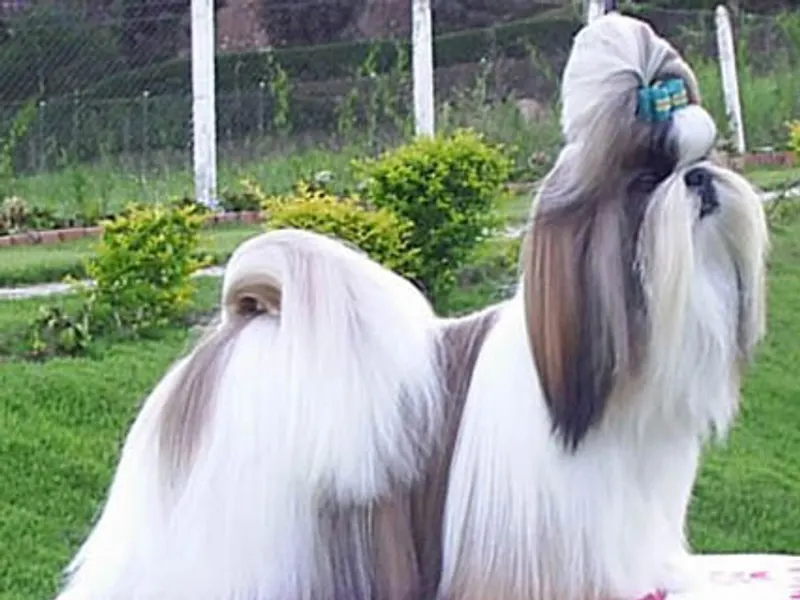
Shih Tzu
Toy
9–16 lbs · 10–16 yrs
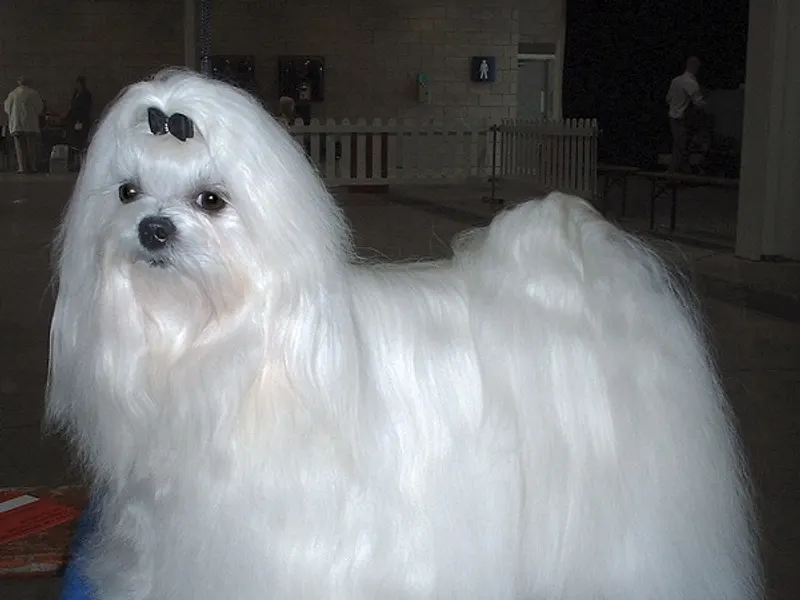
Maltese
Toy
4–7 lbs · 12–15 yrs
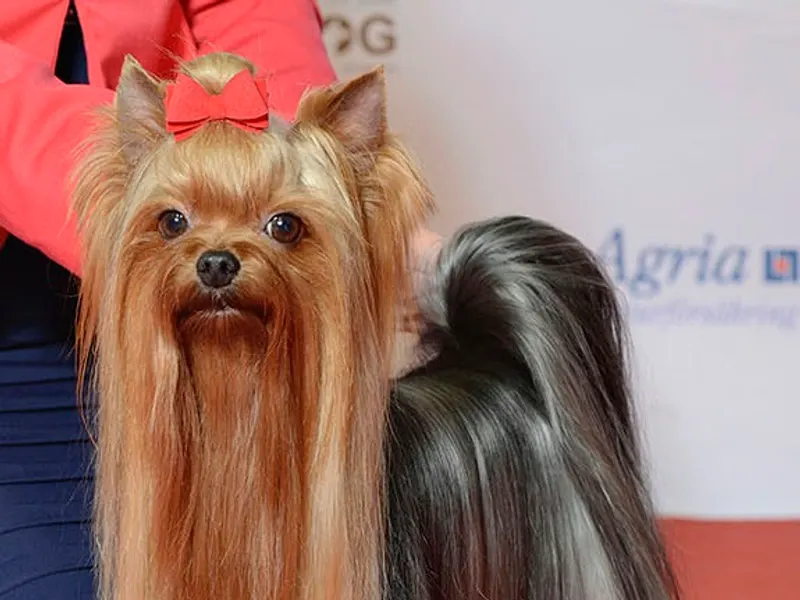
Yorkshire Terrier
Toy
4–7 lbs · 11–15 yrs
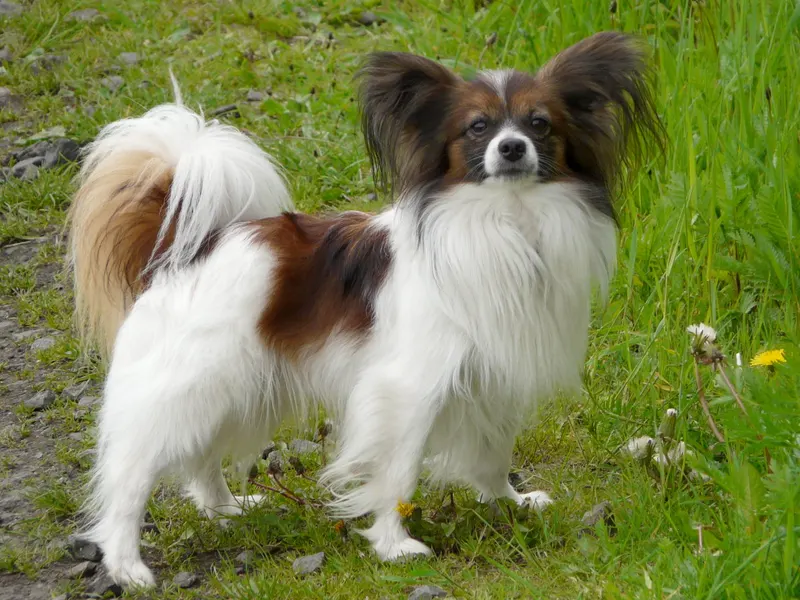
Papillon
Toy
5–10 lbs · 14–16 yrs
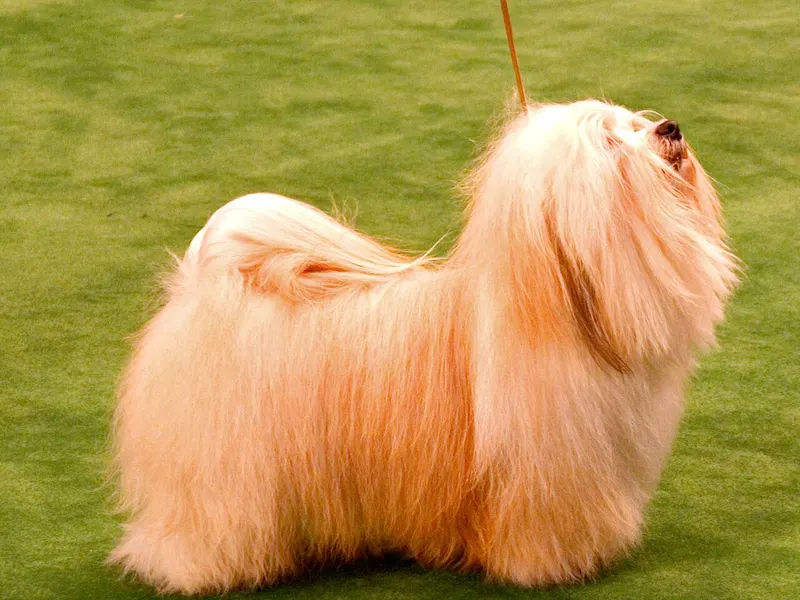
Havanese
Toy
7–13 lbs · 14–16 yrs
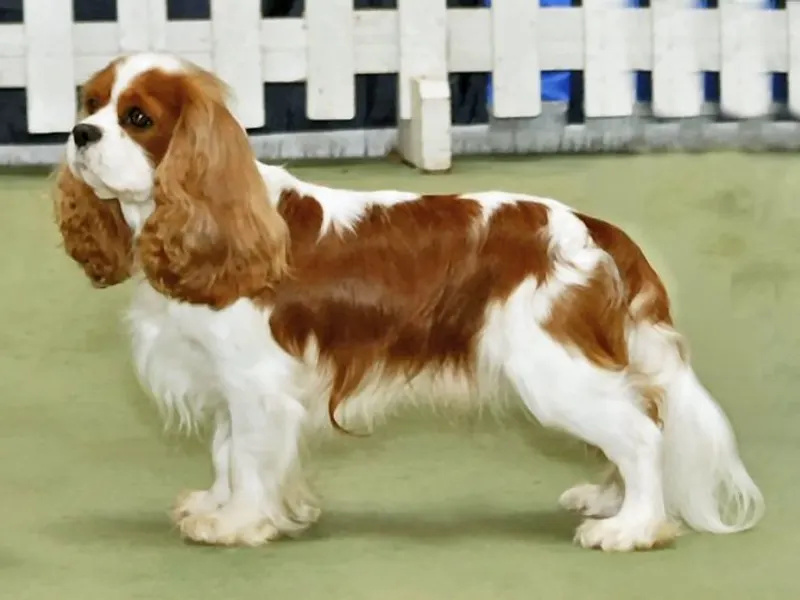
Cavalier King Charles Spaniel
Toy
13–18 lbs · 9–14 yrs
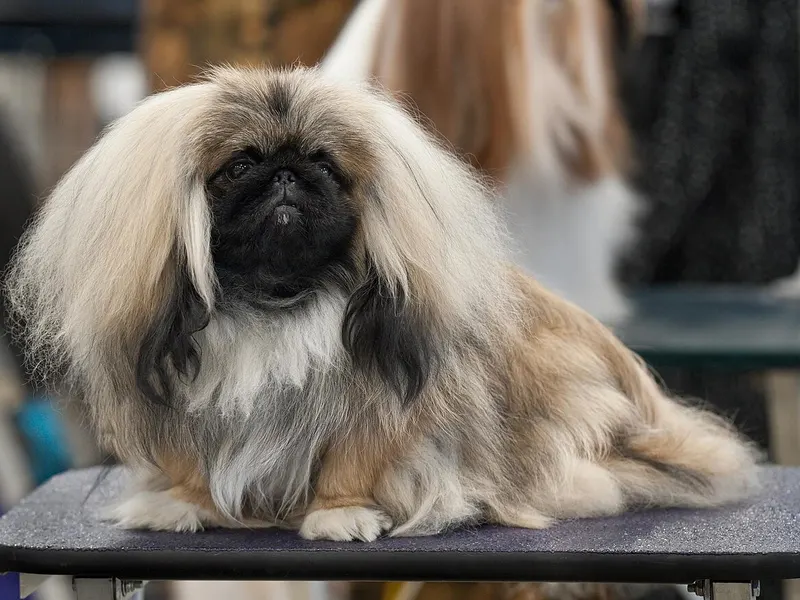
Pekingese
Toy
7–14 lbs · 12–14 yrs
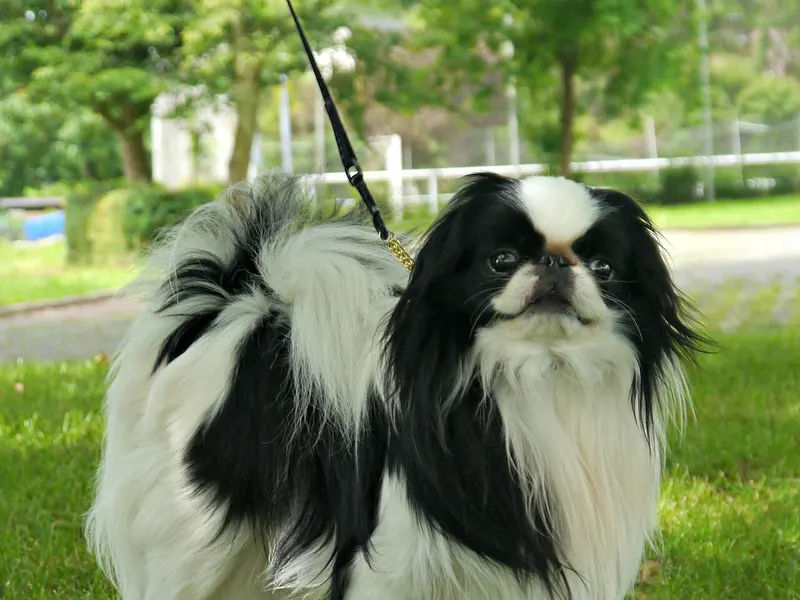
Japanese Chin
Toy
7–11 lbs · 10–12 yrs
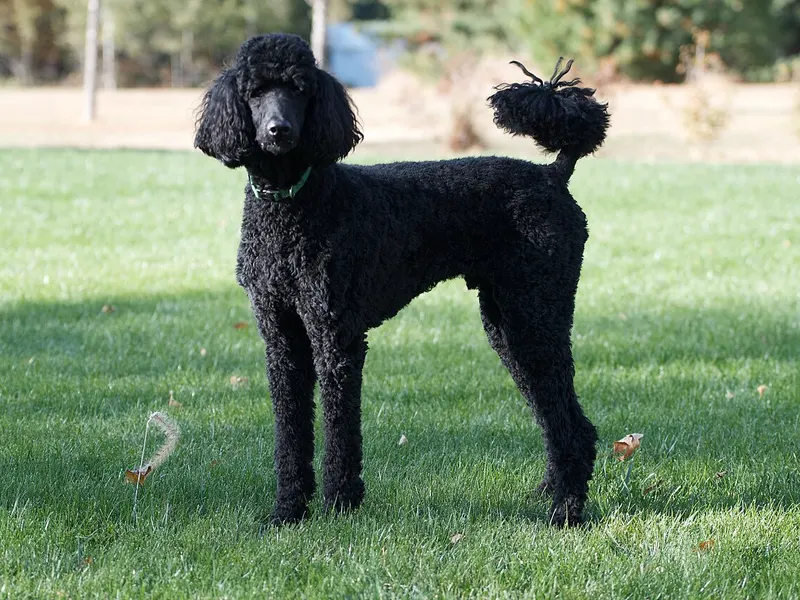
Toy Poodle
Toy
4–6 lbs · 12–15 yrs
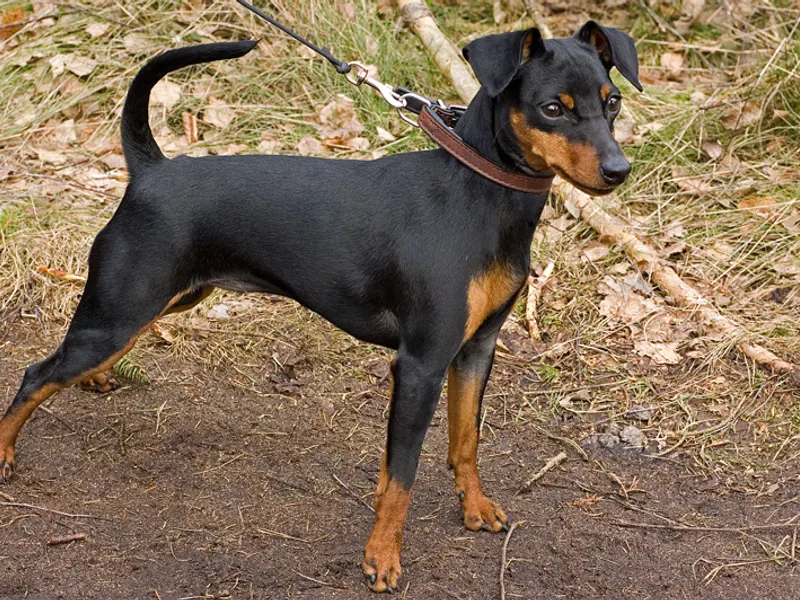
Miniature Pinscher
Toy
8–11 lbs · 12–16 yrs
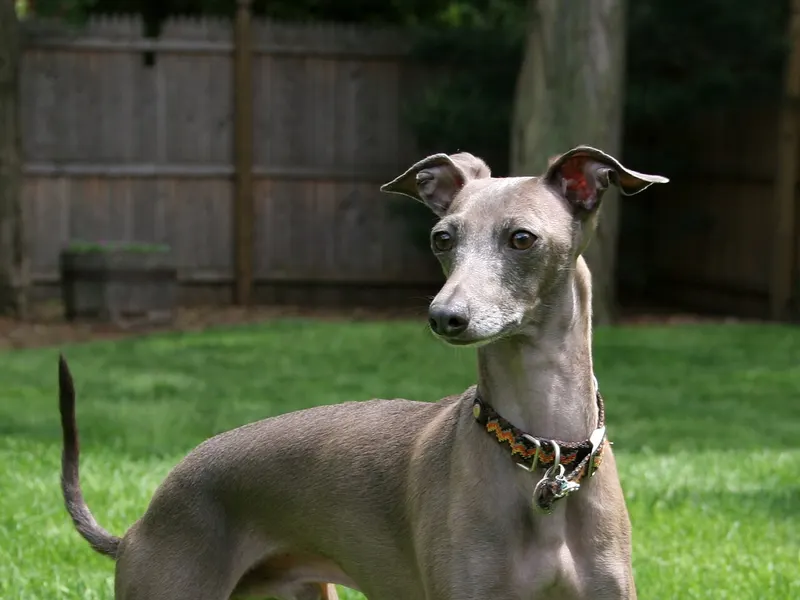
Italian Greyhound
Toy
7–14 lbs · 14–15 yrs
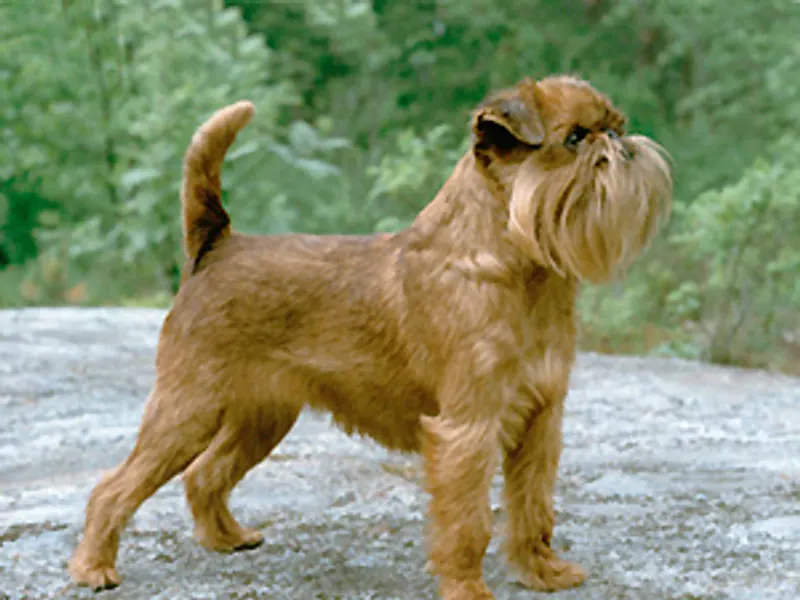
Brussels Griffon
Toy
6–12 lbs · 12–15 yrs
Affenpinscher
Toy
7–10 lbs · 12–15 yrs
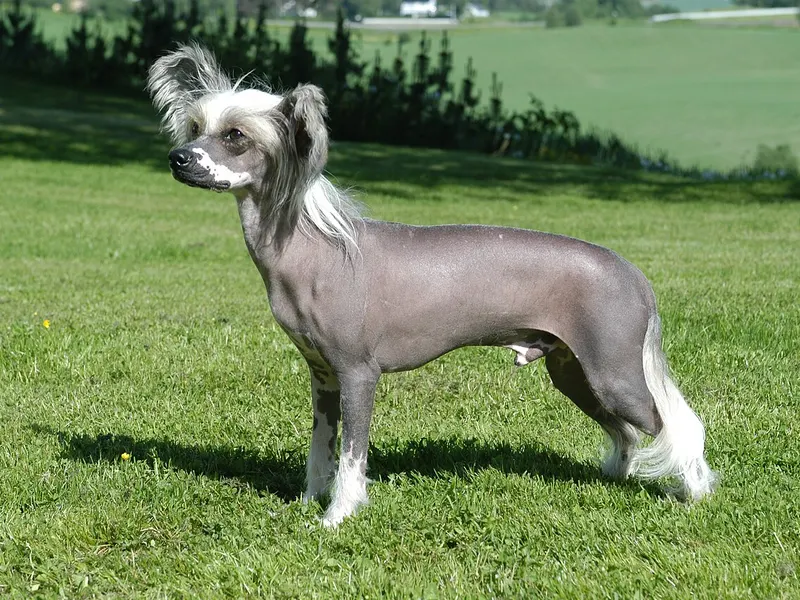
Chinese Crested
Toy
8–12 lbs · 13–15 yrs
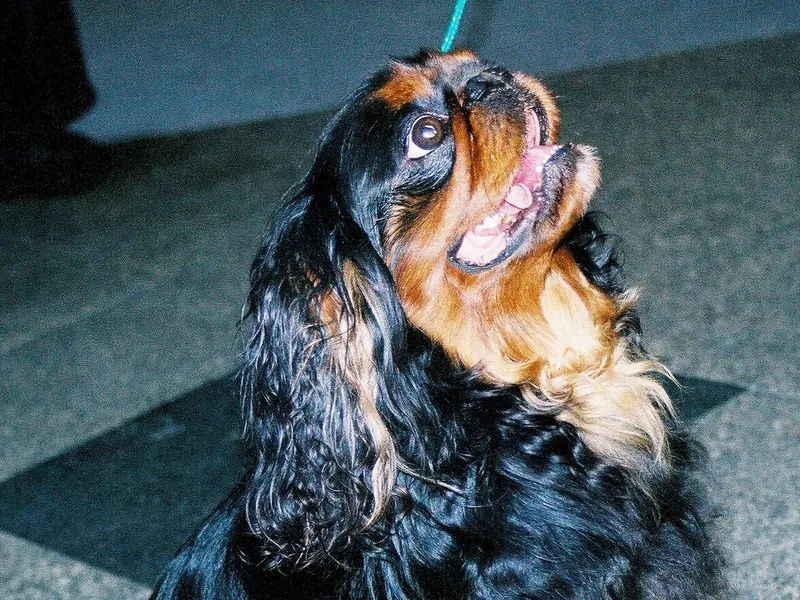
English Toy Spaniel
Toy
8–14 lbs · 10–12 yrs
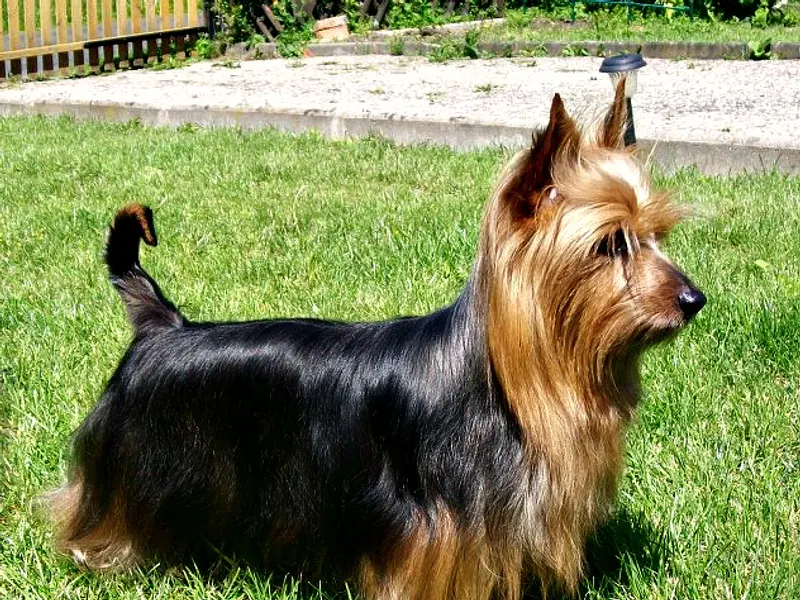
Silky Terrier
Toy
8–10 lbs · 13–15 yrs
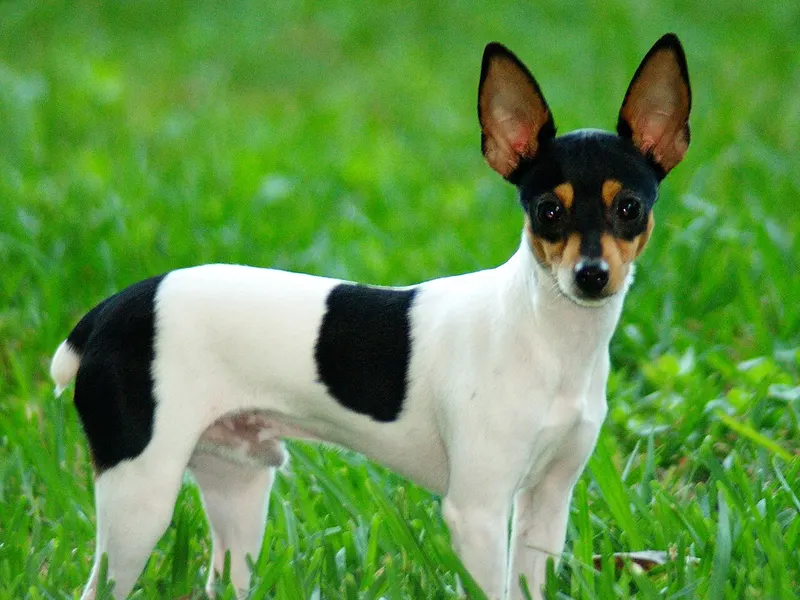
Toy Fox Terrier
Toy
3.5–7 lbs · 13–15 yrs
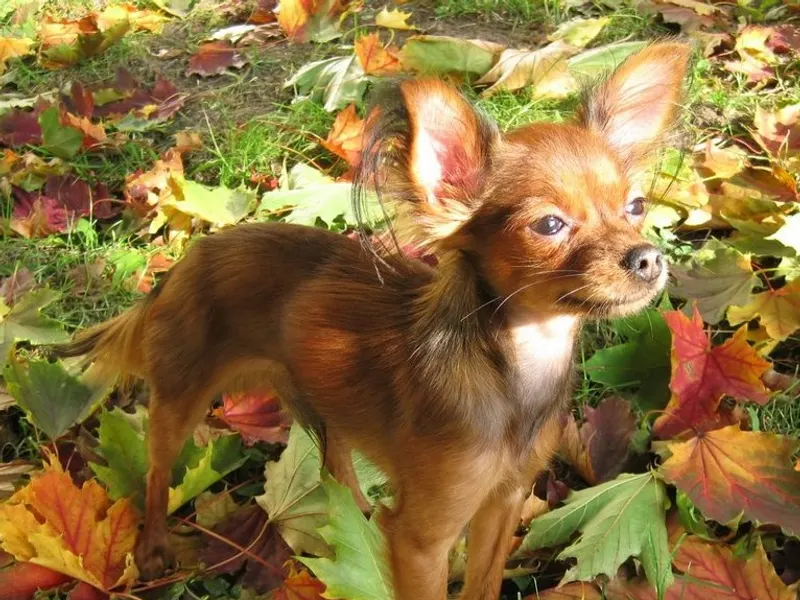
Russian Toy
Toy
3–6 lbs · 10–14 yrs
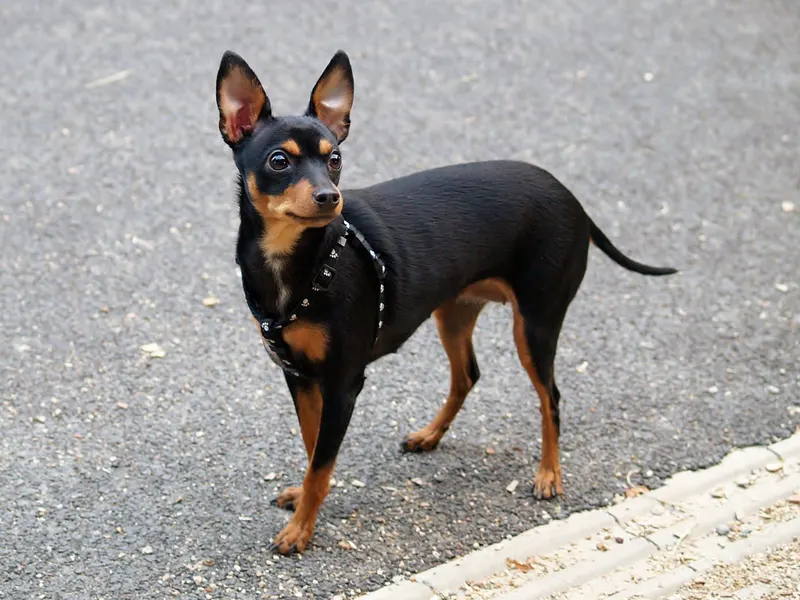
Prague Ratter
Toy
2–6 lbs · 12–15 yrs