Toy Group
Pomeranian
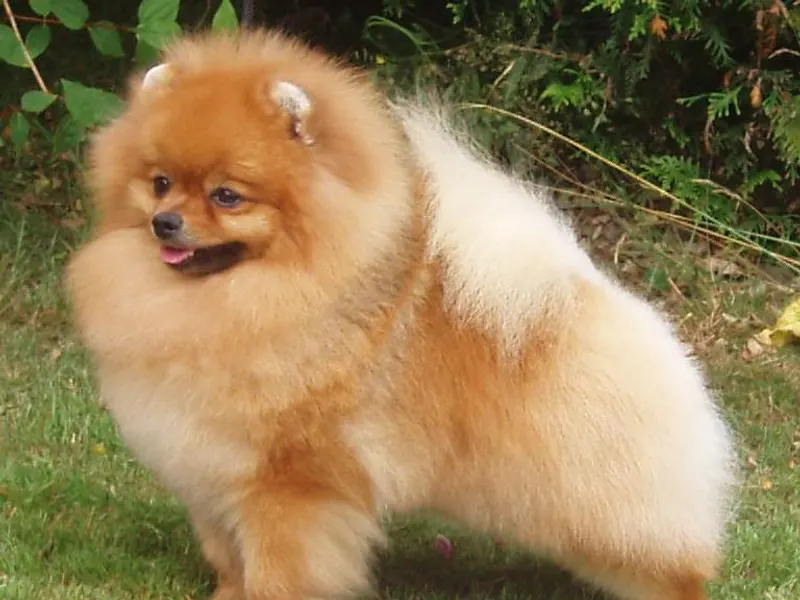
The Pomeranian descends from larger Spitz-type sled and herding dogs of the Pomerania region, now split between Germany and Poland, where the breed originally weighed closer to 30 pounds. Queen Victoria acquired a smaller specimen in 1888 and began breeding for reduced size herself, and the resulting Victorian-era fashion for ever-tinier 'Poms' drove a dramatic size reduction — down to the 3-7 pound toy dog known today — within roughly two generations of deliberate selective breeding, one of the more rapid documented size transformations in purebred dog history. The breed is shown in a wide range of AKC-recognized coat colors, more than most breeds, and Pomeranian breed clubs specifically caution buyers against 'teacup' or 'micro' marketing terms, which aren't official size classifications and often signal irresponsible breeding for extreme smallness at the expense of health.
Common health predispositions
- Tracheal collapse
- Luxating patella
- Dental disease
Temperament
Despite its toy size, the Pomeranian retains a distinctly Spitz-breed temperament: alert, confident, and quick to sound the alarm, reflected in the breed's very high vocalization rating and genuine watchdog instinct well out of proportion to its size. Energy is higher than most toy breeds and Poms genuinely enjoy activity rather than being purely decorative lapdogs. The breed's lower rating for compatibility with young children reflects real physical fragility more than temperament — a Pomeranian's tiny frame is easily injured by rough handling. Despite the breed's small size, consistent training matters as much as it does for larger dogs — trainers specifically note that excusing barking or nipping because a Pomeranian is 'cute' or 'small' tends to reinforce exactly the behaviors that make the breed harder to live with as an adult.
Living with a Pomeranian
A Pomeranian benefits from a real, if modest, daily exercise routine — about 30 minutes — and shouldn't be treated as purely a carried accessory. Grooming is a genuine, ongoing task: the thick double coat and signature ruff need regular brushing to prevent matting, and the breed sheds more than its size would suggest. Tracheal collapse is a well-documented issue in small Spitz-type toy breeds and produces a characteristic honking cough as it progresses; luxating patella and dental disease in the breed's small jaw are also common enough to plan for with regular vet checks. Dental care deserves particular attention in this breed — toy-breed jaws are commonly overcrowded, and Pomeranians are frequently cited by vets as one of the breeds most prone to early periodontal disease, making daily brushing or dental chews a genuinely preventive rather than optional habit. The breed's coat also goes through a dramatic 'puppy uglies' phase around 4-8 months where the fluffy puppy coat sheds out unevenly before the adult double coat comes in — a normal, if visually alarming, developmental stage. A comfortable, well-fitted harness reduces strain on the trachea compared with a neck collar, which is particularly relevant given the breed's documented risk of tracheal collapse. Keeping nails trimmed short also protects the breed's small joints from added strain during play and everyday movement around the home.
FAQ
Are Pomeranians good watchdogs?
In the sense of alerting to unfamiliar sounds or visitors, yes — the breed retains a strong Spitz-heritage alertness and is quick to bark, though its tiny size obviously means it can't back that alert up physically the way a larger guarding breed could.
Why do Pomeranians shed so much for their size?
The breed's thick double coat, inherited from its larger Spitz-type sled-dog ancestors, sheds substantially relative to the dog's small body — brushing it out a few times a week is what actually keeps the loose undercoat from matting into the ruff and drifting all over the house.
What is tracheal collapse and does it affect Pomeranians?
It's a progressive weakening of the windpipe's cartilage that's common in small toy breeds including the Pomeranian, producing a honking cough; a harness instead of a neck collar and maintaining a lean weight are standard preventive advice.
What is the Pomeranian 'puppy uglies' phase?
A normal developmental stage around 4-8 months where the soft puppy coat sheds out unevenly in patches before the adult double coat grows in fully — it looks alarming but is not a health problem, and the coat evens out as the dog matures.
Was the Pomeranian originally a much larger sled-pulling breed?
Yes — the breed descends from larger German and Icelandic spitz-type sled and herding dogs, some reportedly weighing 30 pounds or more, and 19th-century breeders, including Queen Victoria who favored a smaller specimen she brought back from Italy, selectively bred the Pomeranian down to its now-familiar toy size of typically 3-7 pounds over just a few generations.
Related on FetchBreed
Comparisons
- Pomeranian vs Bichon Frise
- Pomeranian vs Cavalier King Charles Spaniel
- Pomeranian vs Chihuahua
- Pomeranian vs Havanese
- Pomeranian vs Maltese
- Pomeranian vs Miniature Schnauzer
- Pomeranian vs Pug
- Pomeranian vs Shiba Inu
- Pomeranian vs Shih Tzu
- Pomeranian vs Siberian Husky
- Pomeranian vs Whippet
- Pomeranian vs Yorkshire Terrier
Lists this breed appears in
Care equipment for a Pomeranian
As an Amazon Associate we earn from qualifying purchases made through these links, at no extra cost to you.
- Fitted dog harness
Named on the page: a well-fitted harness reduces strain on the trachea compared with a neck collar, which matters given documented tracheal collapse risk.
- Slicker brush
The thick coat and signature ruff need regular brushing to prevent matting, per this page.
- Dog toothbrush and paste
The page calls daily brushing a genuinely preventive rather than optional habit for a breed vets cite as prone to early periodontal disease.
- Dog nail clippers
Keeping nails trimmed short also protects the breed's small joints from added strain, this page notes.
Whichever breed fits your life, consider adoption or breed-specific rescue first — many purebred and mixed-breed dogs and cats are already waiting for homes.
General breed information, not veterinary advice — consult a vet for your pet's specific health, diet, and behavior needs.