Low Energy Dogs
Energy level in dogs is a genuine, largely inherited trait tied to a breed's historical job — sighthounds bred for short explosive sprints followed by long rest, companion breeds bred purely to keep people company, and giant breeds whose sheer mass makes sustained high-intensity activity physically taxing all tend to land on the low end of the energy spectrum, while sporting, herding, and working breeds bred for all-day physical labor land on the high end. A low-energy dog isn't a lazy or unhealthy dog; it's a dog whose baseline need for physical exertion, measured in daily active minutes required to stay behaviorally content, is genuinely lower by breed design. The Greyhound is the clearest illustration of how counterintuitive this trait can look from the outside: a breed built for speeds over 40 mph is also, by wide consensus among Greyhound rescue organizations and veterinary behaviorists, one of the calmer household breeds once past puppyhood, because the breed's historical role called for short bursts of maximum effort followed by very long periods of rest — sighthounds as a group are sometimes nicknamed "45 mph couch potatoes" for exactly this reason. Bulldogs, Basset Hounds, and several giant breeds land here for a different reason: their body structure and, in brachycephalic breeds, respiratory limitations genuinely cap how much sustained exertion is safe or comfortable, which is a health consideration as much as a temperament one. Qualifying for this list requires more than a reputation for being "chill" — it requires a documented, breed-standard-consistent low exercise requirement, typically under thirty minutes of structured daily activity, and a temperament profile that doesn't compensate for low physical energy with high mental restlessness or destructive boredom behavior. That second part matters: some breeds are physically low-energy but mentally busy, needing puzzle toys and novelty even if they don't need a five-mile run, and a dog like that can still become a handful in an understimulated home despite technically qualifying as "low energy" on paper. Low energy shouldn't be mistaken for zero exercise need. Every dog, including the breeds on this list, benefits from daily walks for joint health, weight management, and mental stimulation — veterinary consensus is consistent that inactivity contributes to the obesity now documented in more than half of dogs seen at U.S. veterinary clinics, and low-energy breeds are not exempt from that risk. A low-energy dog left entirely sedentary for weeks at a time is more likely, not less, to develop joint stiffness and weight-related health problems than one on a modest but consistent daily walking routine. The households that benefit most from a genuinely low-energy breed are ones where daily off-leash exercise time is hard to guarantee — busy professionals, older adults, apartment dwellers without easy yard access — rather than households simply looking to avoid effort altogether. A low-energy breed still needs a committed owner; it just needs less of that commitment measured in physical minutes per day than a working or sporting breed would. Beyond the Greyhound, several other breeds worth naming for a low-energy shortlist include the Basset Hound (low exercise needs paired with a famously easygoing, food-motivated temperament), the Bullmastiff (a large guardian breed whose low-key indoor demeanor belies its imposing size), and the Bernese Mountain Dog, whose calm, family-oriented temperament and moderate rather than intense exercise needs make it a popular choice for households wanting a large dog without an athletic breed's demands, though its shorter typical lifespan and higher rate of certain cancers are worth researching alongside its temperament fit. A genuinely useful practical test for anyone evaluating a specific low-energy breed candidate: ask a breeder or rescue directly what a typical week looks like for an adult dog of that breed in an average pet home, rather than relying solely on written breed-standard descriptions, since real-world exercise routines reported by current owners often paint a more accurate day-to-day picture than the more formal, sometimes optimistic exercise-requirement ranges published in official breed materials. Breed-specific online owner communities and rescue organizations are typically candid about this kind of practical detail and can be a genuinely useful supplement to formal breed research. It's worth naming a specific risk unique to low-energy breeds that owners sometimes overlook: because these dogs rarely self-advocate for exercise the way a restless high-energy dog might, it's genuinely easy for a well-meaning owner to under-exercise a low-energy breed without realizing it, since the dog won't necessarily show obvious behavioral protest — weight gain and gradual joint stiffness can creep in quietly as a result, making a scheduled minimum daily walk, even for the calmest low-energy breed, worth treating as a firm commitment rather than an optional extra dependent on the dog seeming to want it.
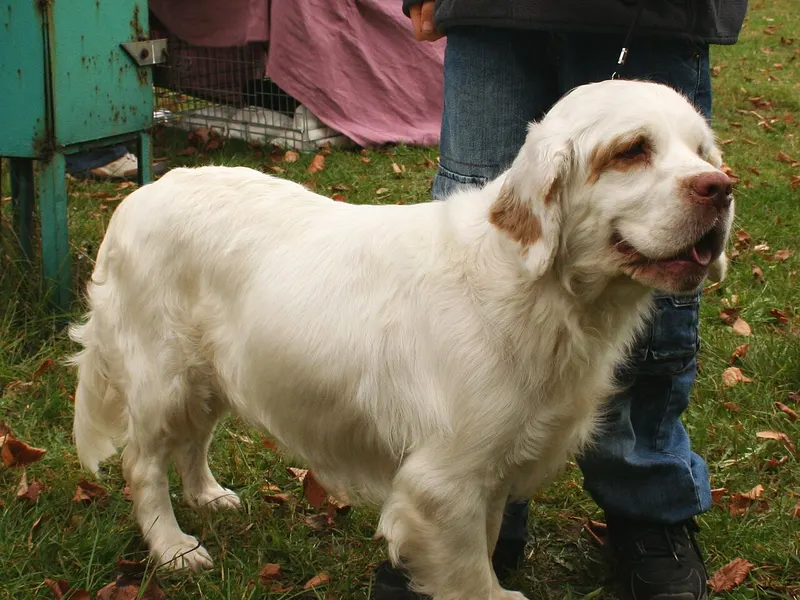
Clumber Spaniel
Sporting
40–85 lbs · 10–12 yrs
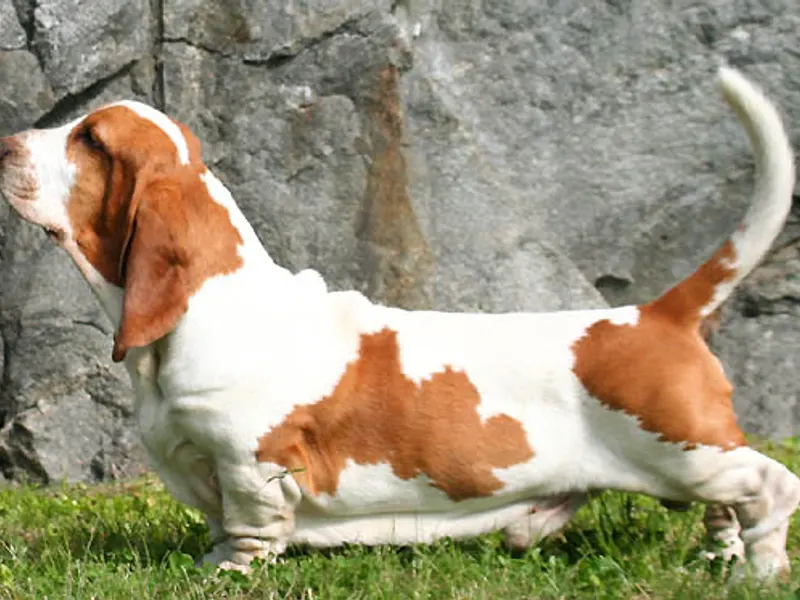
Basset Hound
Hound
40–65 lbs · 12–13 yrs
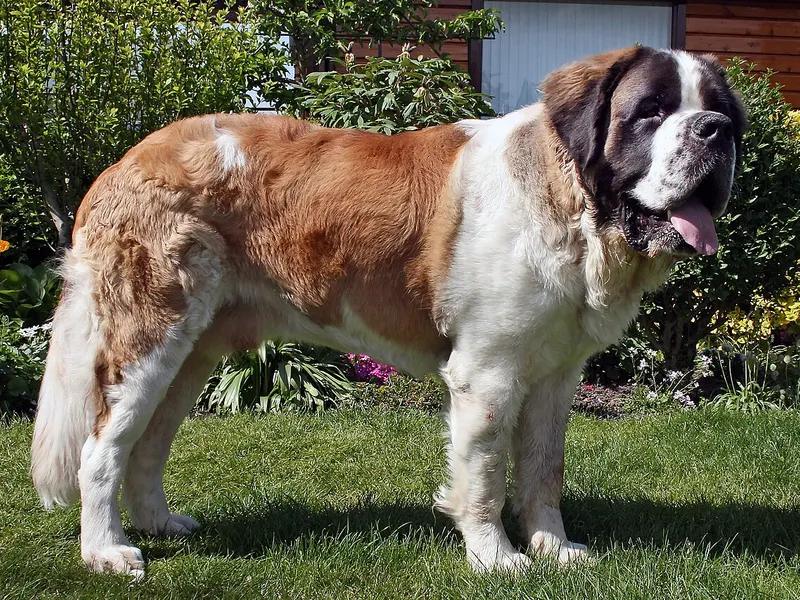
Saint Bernard
Working
120–180 lbs · 8–10 yrs
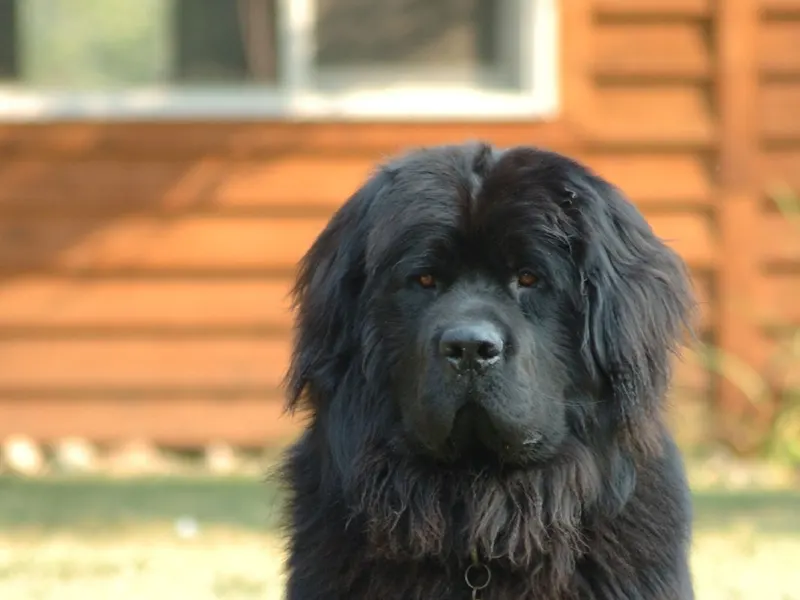
Newfoundland
Working
100–150 lbs · 9–10 yrs
Mastiff
Working
120–230 lbs · 6–10 yrs
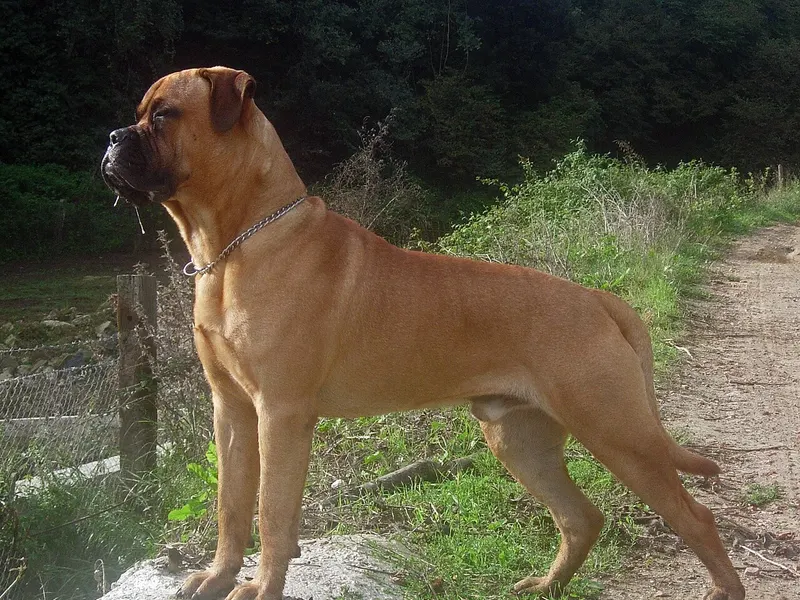
Bullmastiff
Working
100–130 lbs · 7–9 yrs
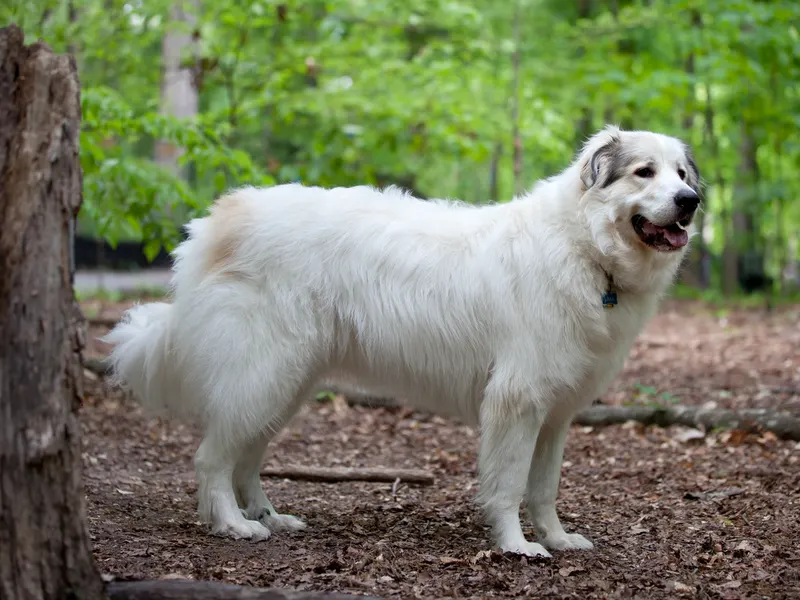
Great Pyrenees
Working
85–115 lbs · 10–12 yrs
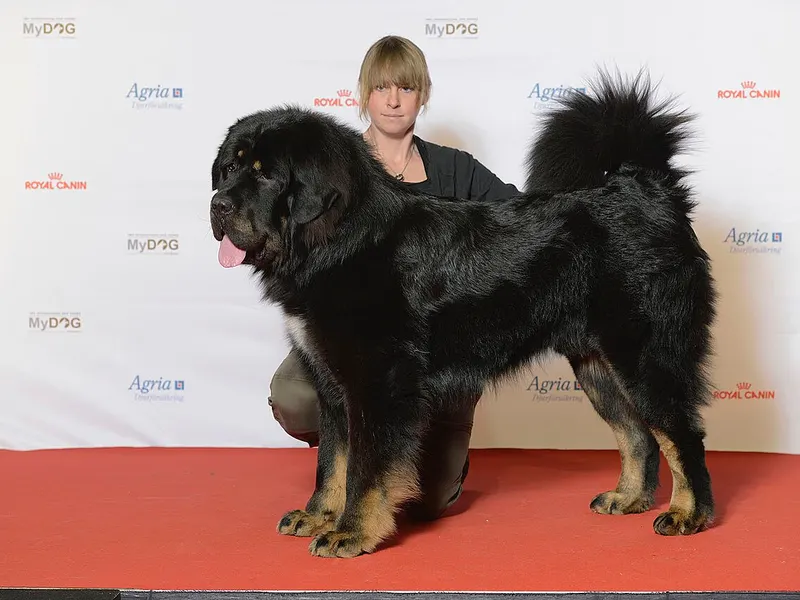
Tibetan Mastiff
Working
70–150 lbs · 10–12 yrs
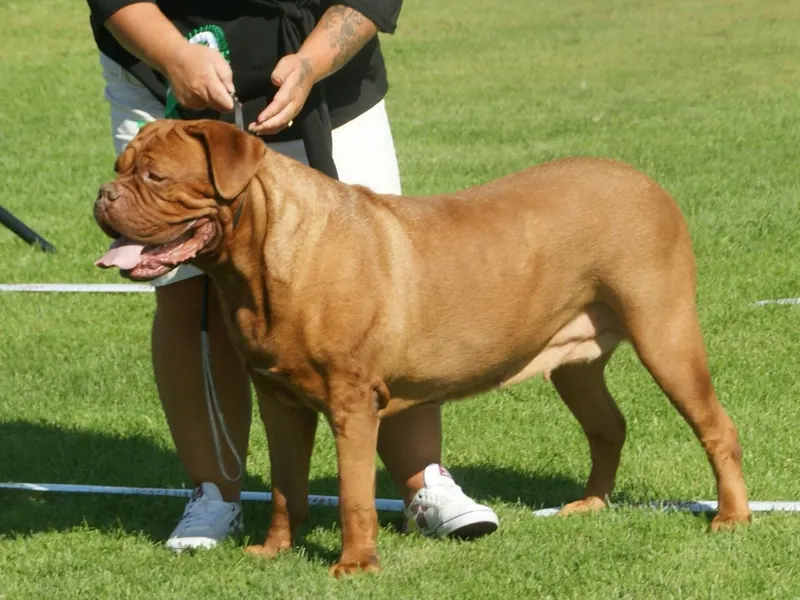
Dogue de Bordeaux
Working
99–110 lbs · 5–8 yrs
Neapolitan Mastiff
Working
110–150 lbs · 7–9 yrs
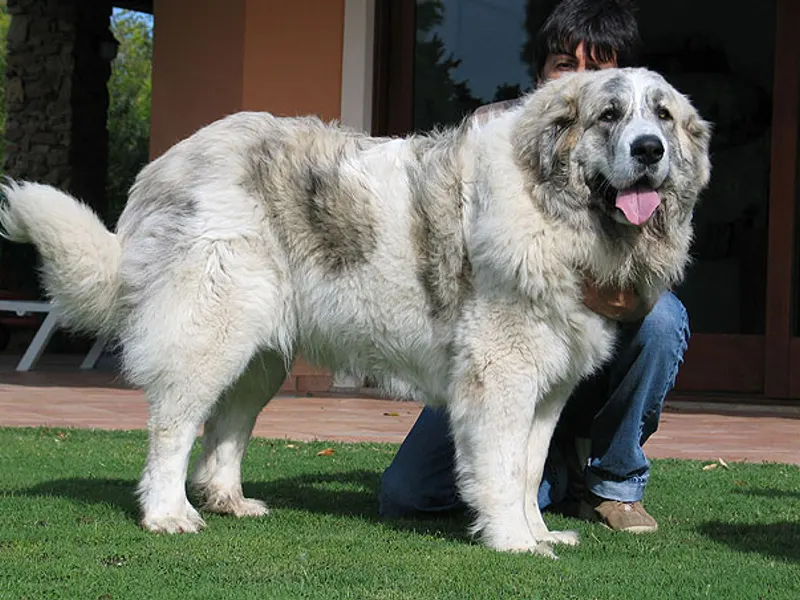
Pyrenean Mastiff
Working
120–240 lbs · 10–11 yrs
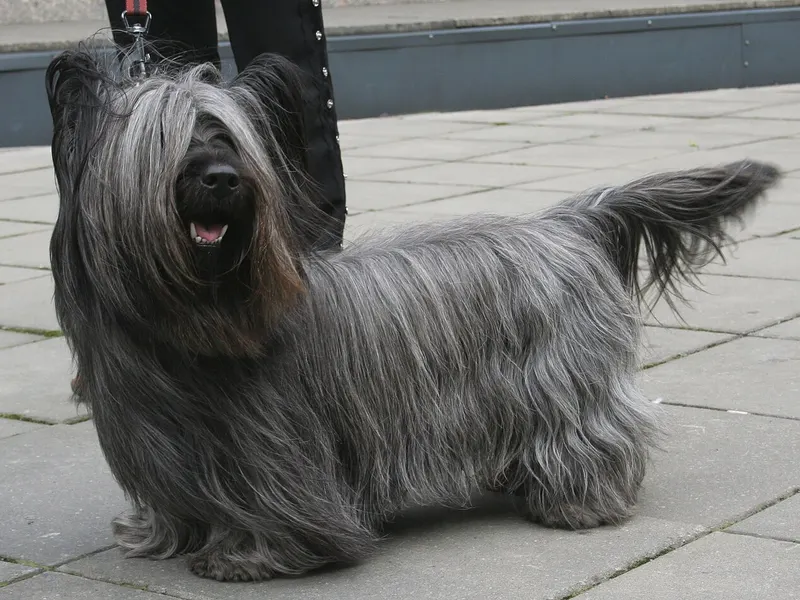
Skye Terrier
Terrier
25–40 lbs · 12–14 yrs
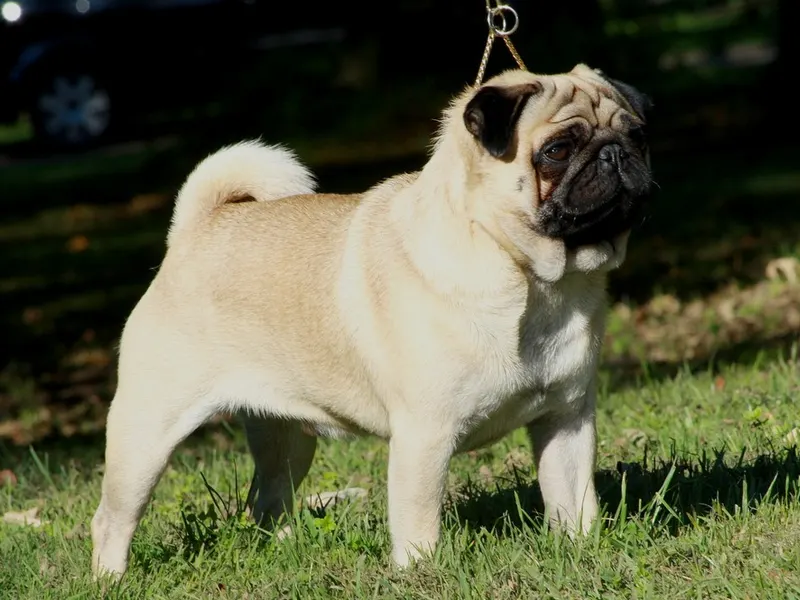
Pug
Toy
14–18 lbs · 13–15 yrs

Shih Tzu
Toy
9–16 lbs · 10–16 yrs
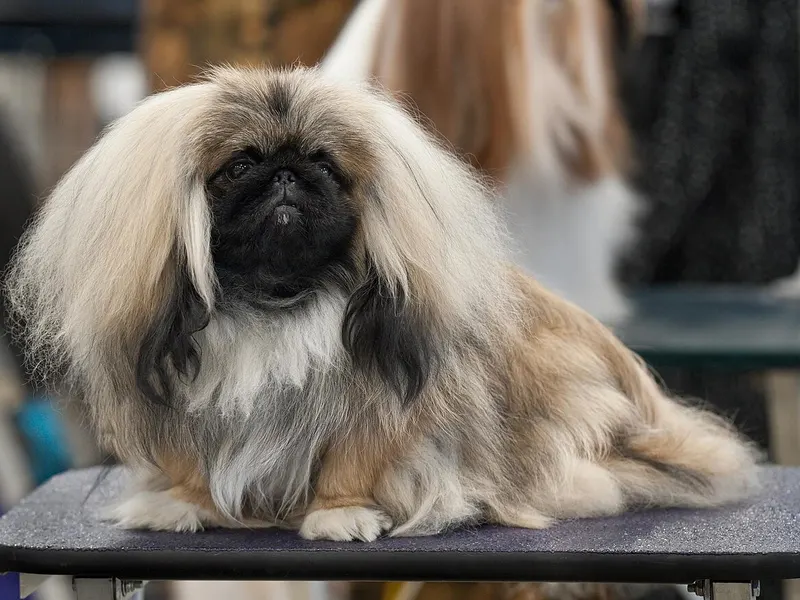
Pekingese
Toy
7–14 lbs · 12–14 yrs
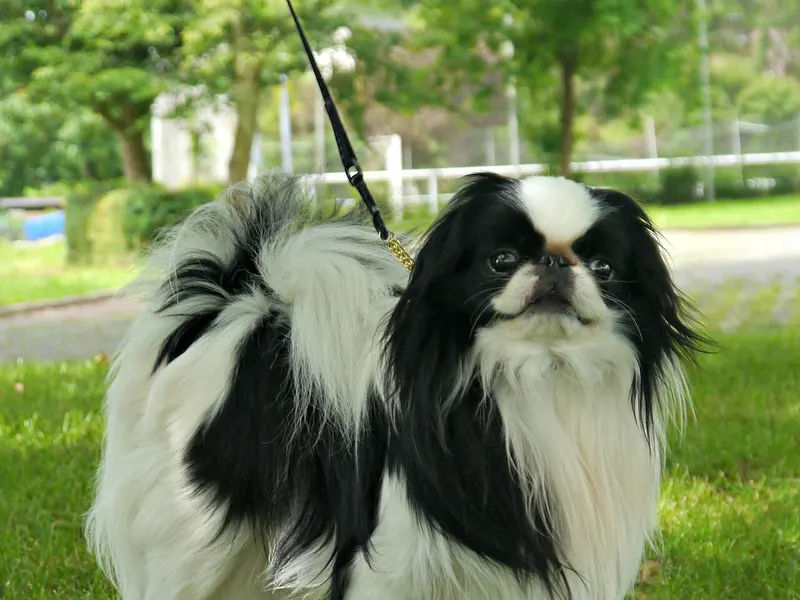
Japanese Chin
Toy
7–11 lbs · 10–12 yrs
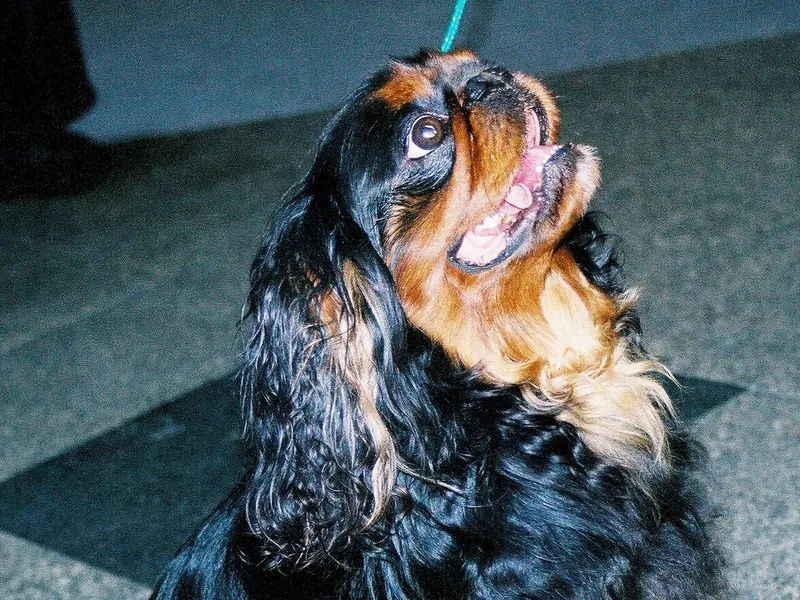
English Toy Spaniel
Toy
8–14 lbs · 10–12 yrs
Bulldog
Non-Sporting
40–55 lbs · 8–10 yrs
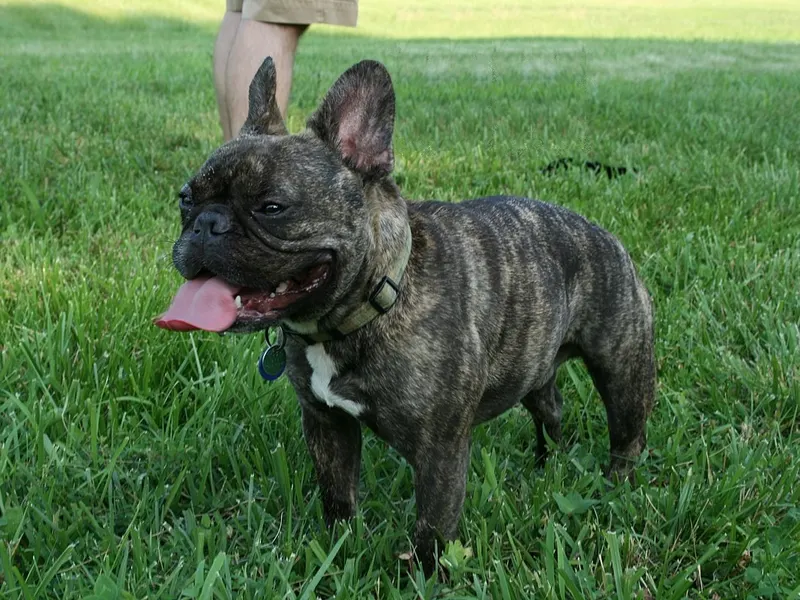
French Bulldog
Non-Sporting
16–28 lbs · 10–14 yrs
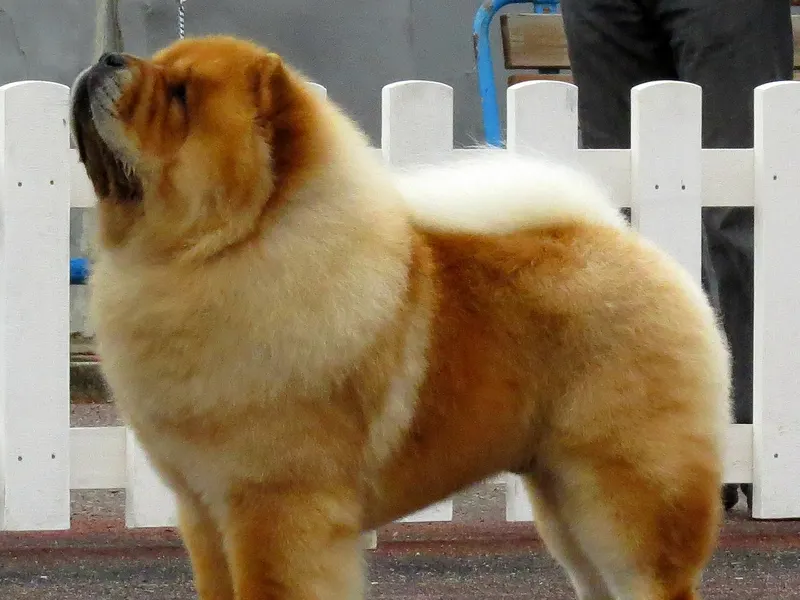
Chow Chow
Non-Sporting
45–70 lbs · 9–15 yrs
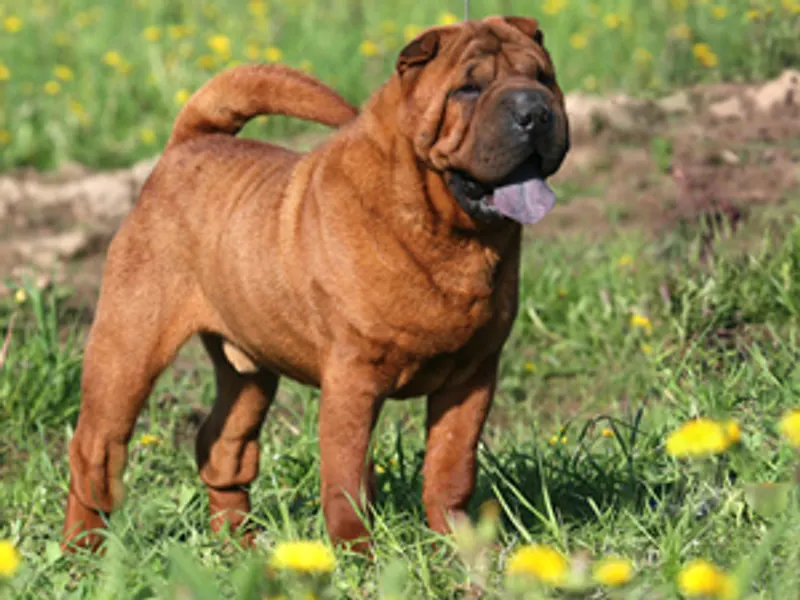
Shar-Pei
Non-Sporting
45–60 lbs · 8–12 yrs