Calmest Dog Breeds
Calmness in dogs is a distinct trait from low energy, even though the two frequently travel together — a genuinely calm breed shows low reactivity to environmental stimulation (sudden noise, new people, unfamiliar situations) and a settled, unhurried demeanor as a baseline temperament, whereas low energy specifically refers to reduced physical exercise needs, and a dog can technically have lower energy requirements while still being anxious, reactive, or easily startled, which wouldn't qualify it as genuinely calm in the sense this list means. The breeds here score well on both dimensions together: modest exercise needs paired with a naturally even, unflappable temperament. Several giant breeds appear here for a consistent, well-documented reason: bred historically for calm household guarding or draft work rather than high-drive tasks requiring constant alertness or explosive energy, their temperament was selected over generations for a steady, low-reactivity presence — a large dog that startles easily or reacts intensely to every stimulus is a genuine liability in a guarding role that depends on calm, accurate threat assessment rather than reflexive alarm, so calmness itself was functionally selected-for alongside size in these breeds' working history. Certain toy and companion breeds land here through a different but related path: bred purely for household companionship with essentially no working task requiring heightened alertness or drive, their temperament settled toward calm sociability rather than the vigilance seen in watchdog-bred small breeds, which is a useful distinction since not every small breed is calm — several small terrier-type breeds carry the opposite, highly reactive temperament from a very different working history, so size again proves to be a poor stand-in for temperament prediction across this whole category. It's worth flagging that "calm" doesn't mean low-affection or aloof — many of the calmest breeds are also among the most consistently affectionate, simply expressing that affection through steady physical closeness rather than the more excitable greeting behavior associated with higher-energy breeds; calmness describes emotional regulation and baseline arousal level, not warmth or attachment, which are separate temperament dimensions entirely and shouldn't be conflated when evaluating a breed for a calm household fit. Individual variation and life stage matter enormously here too, worth naming directly: even breeds with a strong calm-temperament reputation typically go through a genuinely energetic, sometimes chaotic adolescent phase (roughly six months to two years depending on breed, with giant breeds often maturing slower) before settling into the breed's more famous adult calmness, so a family adopting a calm-breed puppy specifically for a mellow household should budget realistically for that adolescent transition period rather than expecting the breed's reputation to apply from day one. Selection here relies on a documented low-reactivity temperament reported by breed clubs and veterinary behaviorists for the adult life stage specifically, not puppyhood. Rounding out the calm-tempered picture: the Basset Hound's low-key, unbothered demeanor extends well beyond just low energy into genuine emotional steadiness; the Newfoundland's calm, patient temperament is well-documented enough to have shaped the breed's historical reputation as a trustworthy companion around children and other animals alike; and the Saint Bernard, despite its massive size, is frequently described by owners as a gentle, low-reactivity presence suited to a calm household. Since breed reputation alone can't guarantee any one dog's temperament, there's a practical way to get a direct read on calmness before adoption: a simple, gentle "startle test" — a sudden but not frightening noise or movement introduced by a breeder or shelter staff member at a reasonable distance — can offer a rough read on a specific dog's baseline reactivity, with a dog that startles briefly and recovers quickly generally showing more resilient nerves than one that stays anxious or hypervigilant well after the trigger has passed, a distinction that matters more for real-world calmness than the initial startle reaction itself. Coat and grooming needs vary widely across this list despite the shared temperament, worth checking individually rather than assuming calm automatically means low-maintenance elsewhere — a Bernese Mountain Dog's thick double coat needs considerably more brushing than a Greyhound's short one, even though both breeds land near the calm end of the temperament spectrum. Household noise level also interacts with calmness in a way worth naming: a calm dog placed in a chaotic, loud household (young kids, frequent visitors, other pets) can still show elevated stress even without a reactive temperament of its own, since calmness describes a dog's default arousal threshold, not immunity to genuine overstimulation. Matching a calm breed to an equally calm household routine tends to produce the most consistently settled result.
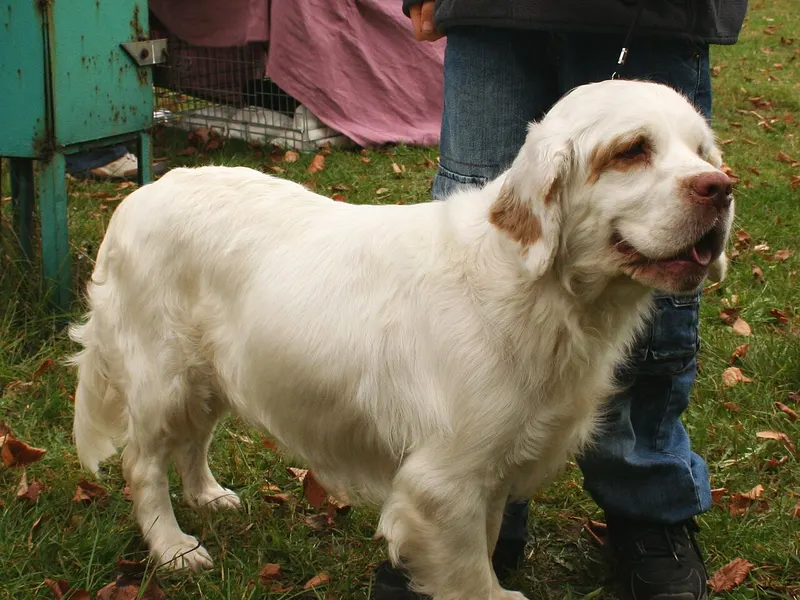
Clumber Spaniel
Sporting
40–85 lbs · 10–12 yrs
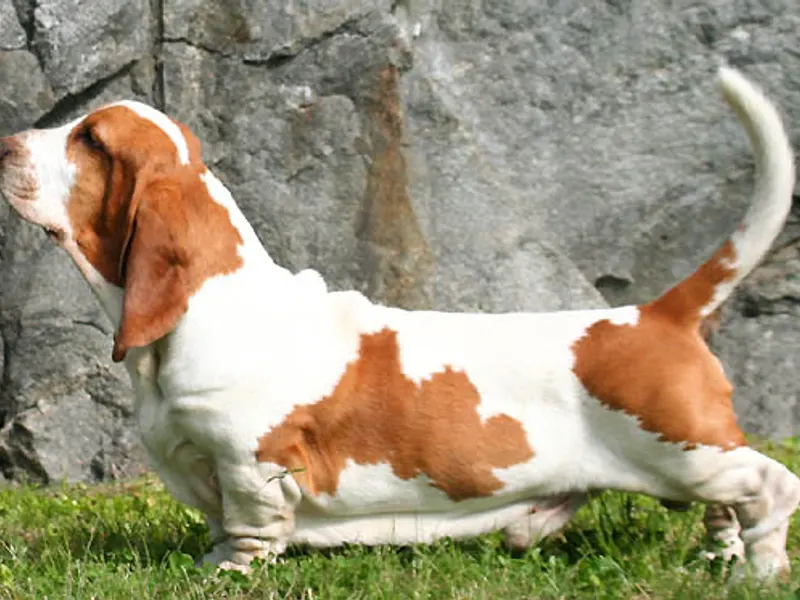
Basset Hound
Hound
40–65 lbs · 12–13 yrs
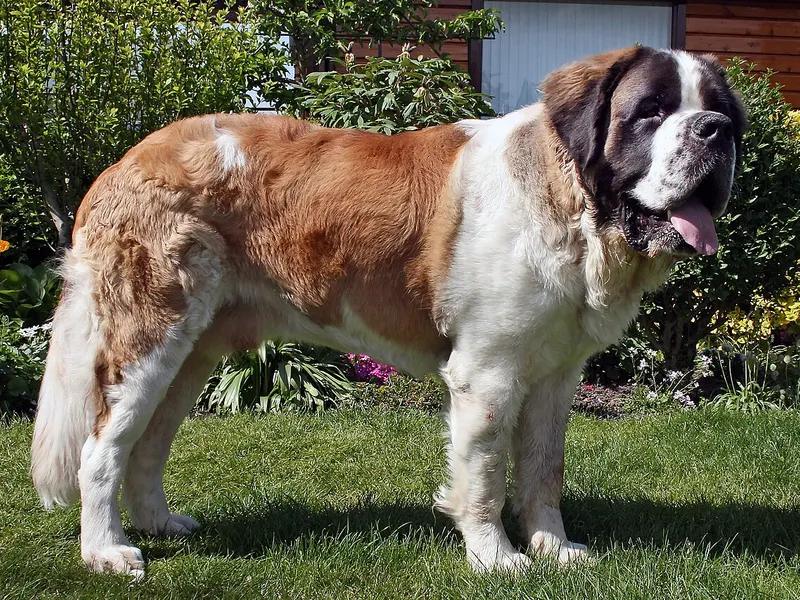
Saint Bernard
Working
120–180 lbs · 8–10 yrs
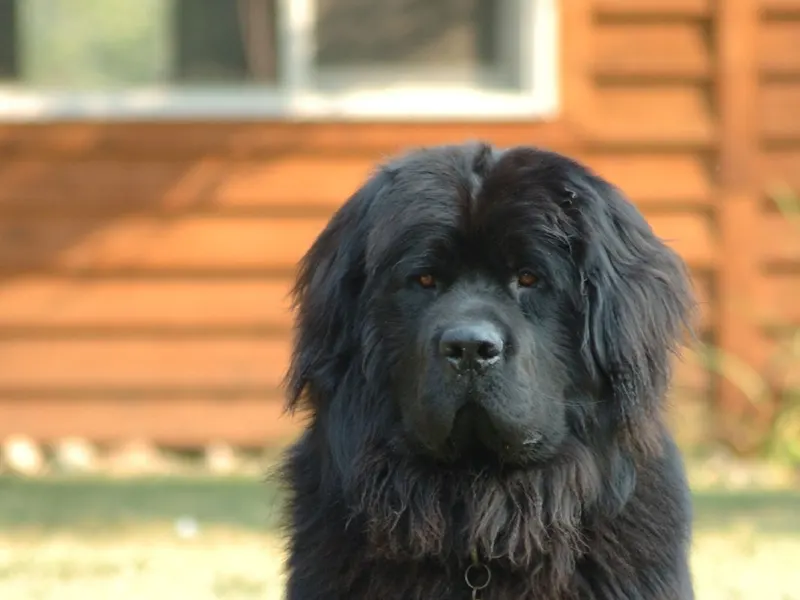
Newfoundland
Working
100–150 lbs · 9–10 yrs
Mastiff
Working
120–230 lbs · 6–10 yrs
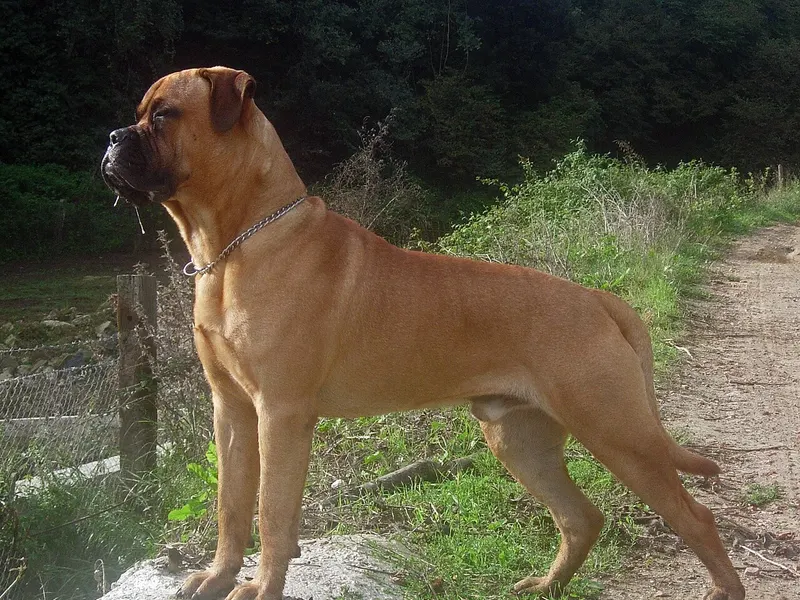
Bullmastiff
Working
100–130 lbs · 7–9 yrs
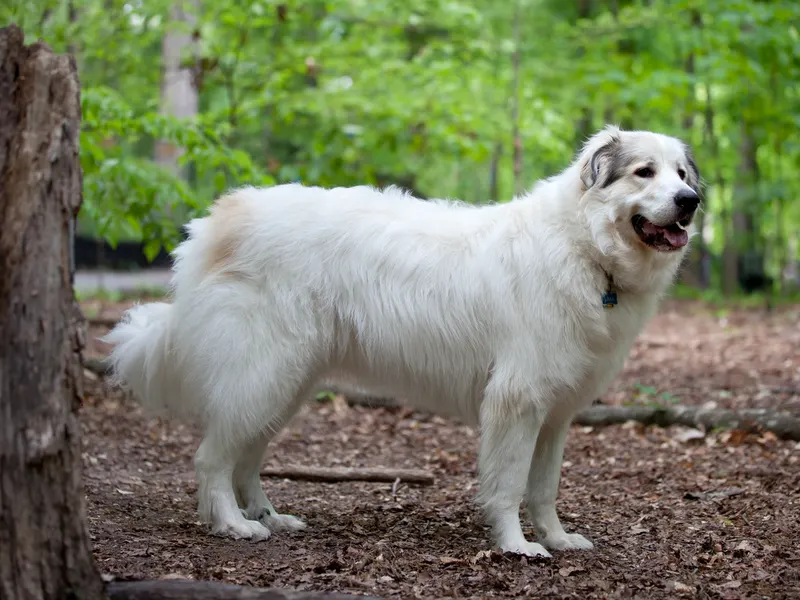
Great Pyrenees
Working
85–115 lbs · 10–12 yrs
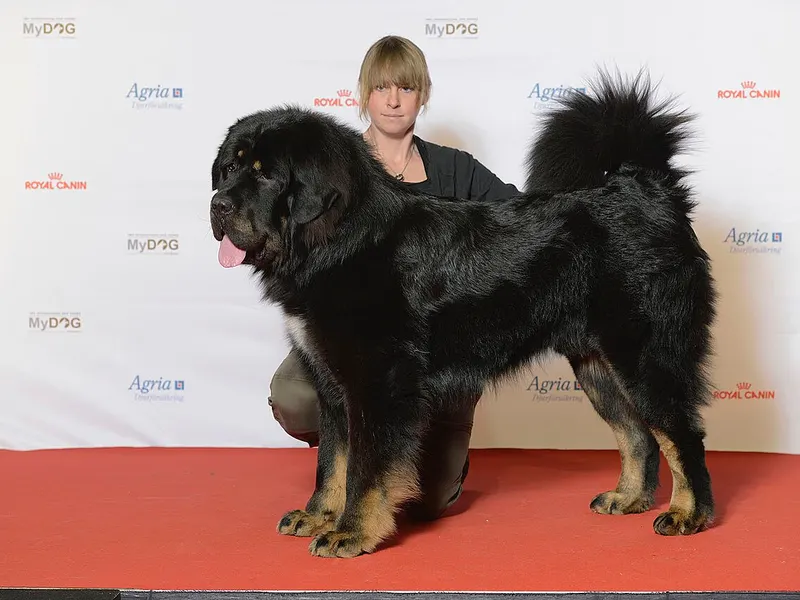
Tibetan Mastiff
Working
70–150 lbs · 10–12 yrs
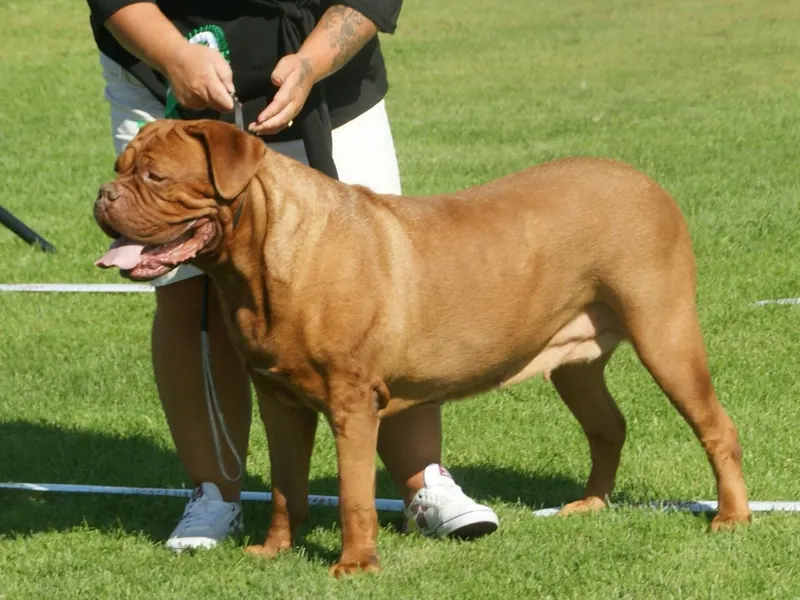
Dogue de Bordeaux
Working
99–110 lbs · 5–8 yrs
Neapolitan Mastiff
Working
110–150 lbs · 7–9 yrs
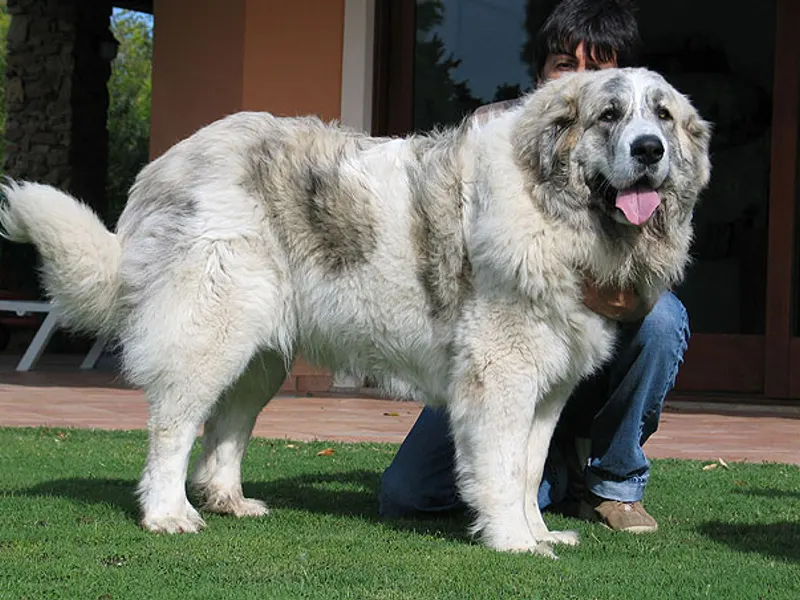
Pyrenean Mastiff
Working
120–240 lbs · 10–11 yrs
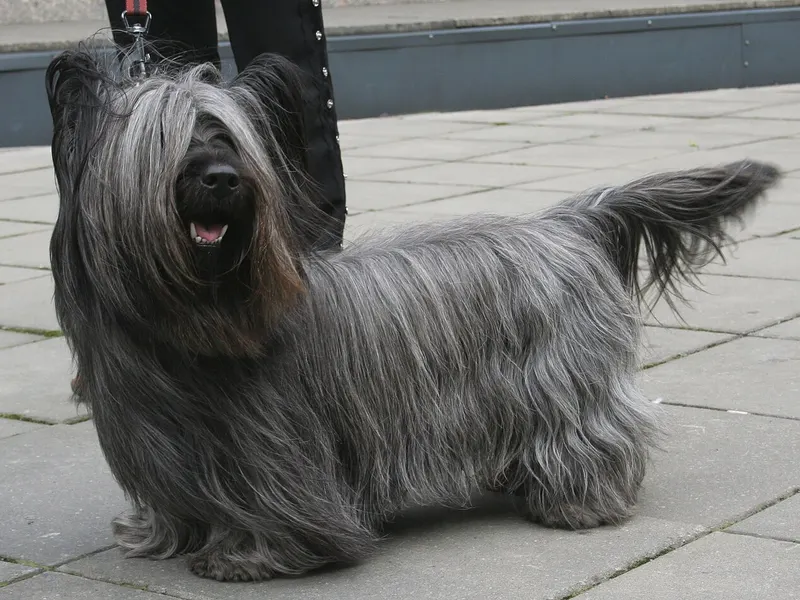
Skye Terrier
Terrier
25–40 lbs · 12–14 yrs
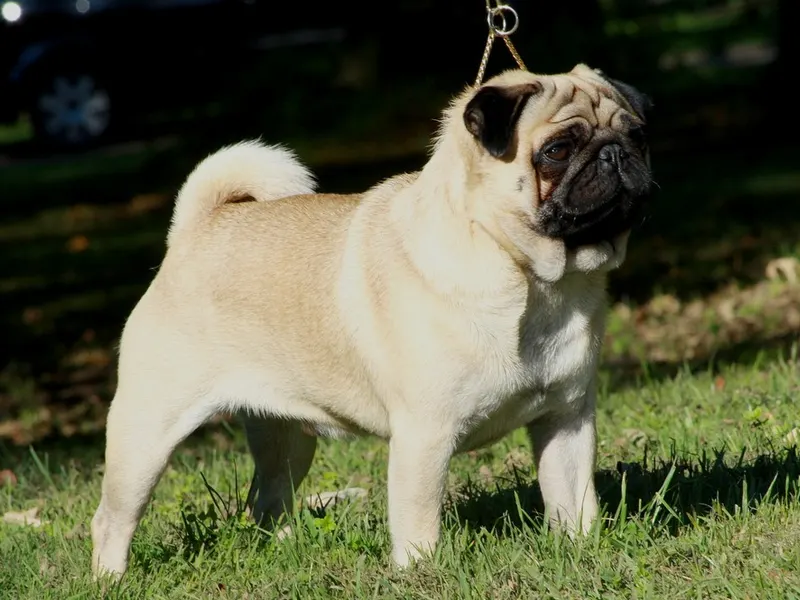
Pug
Toy
14–18 lbs · 13–15 yrs
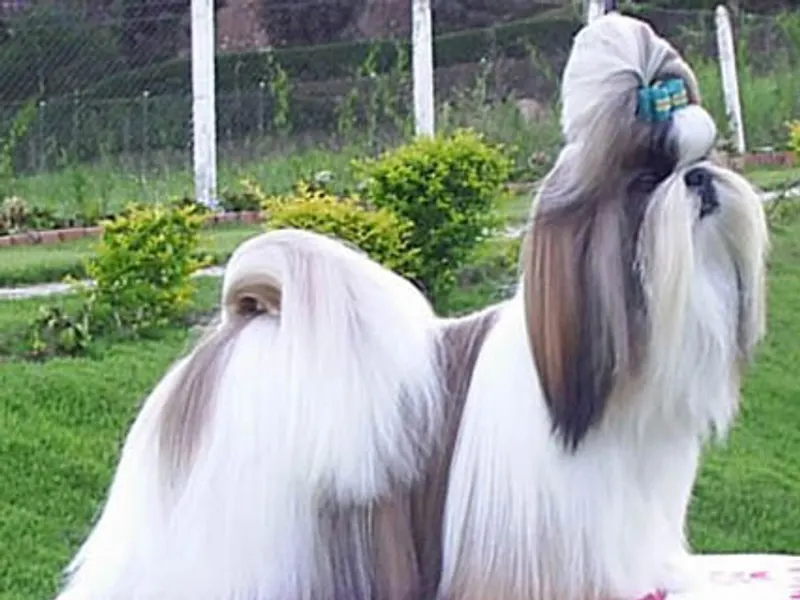
Shih Tzu
Toy
9–16 lbs · 10–16 yrs
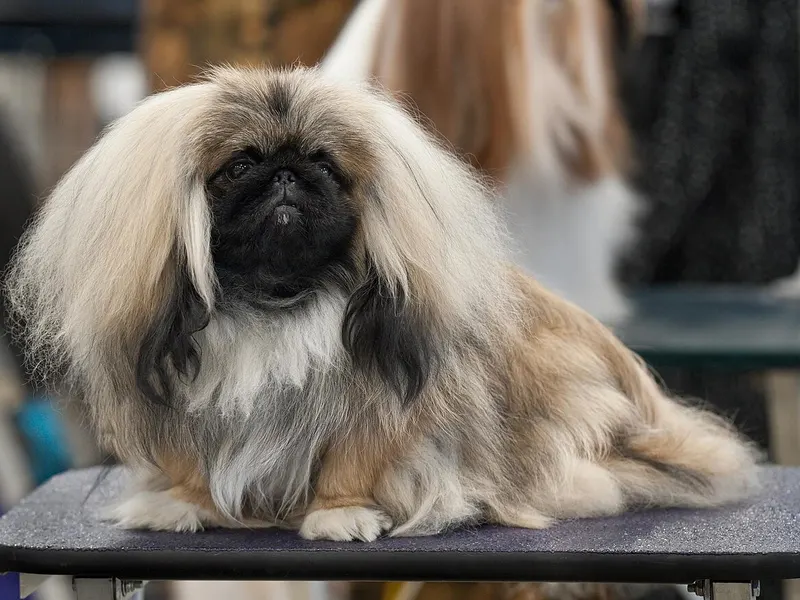
Pekingese
Toy
7–14 lbs · 12–14 yrs
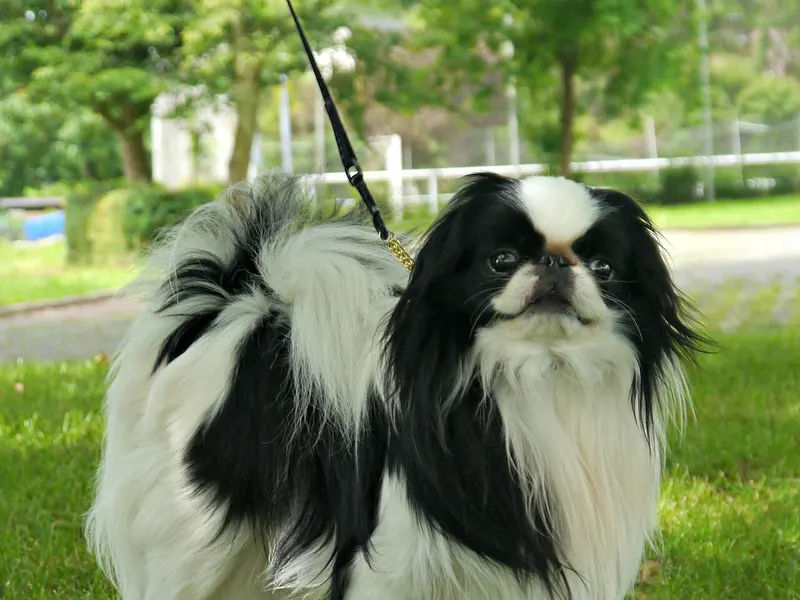
Japanese Chin
Toy
7–11 lbs · 10–12 yrs
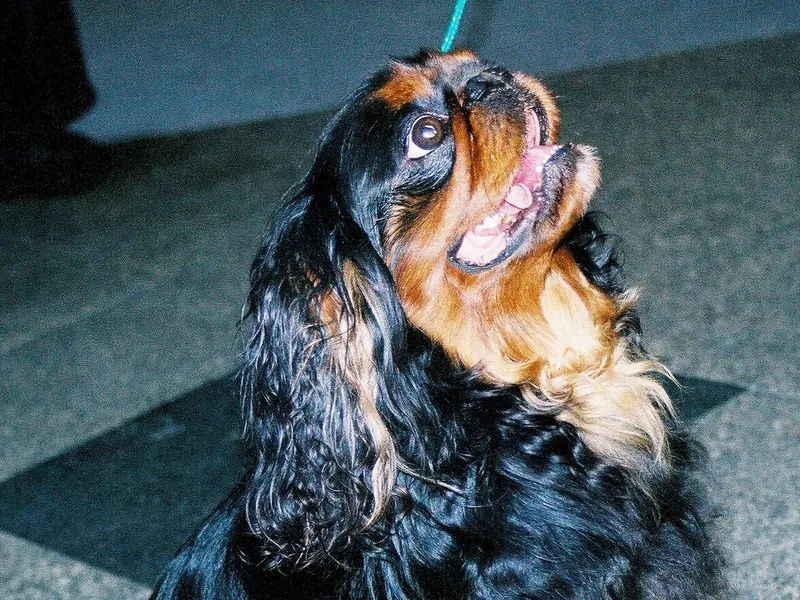
English Toy Spaniel
Toy
8–14 lbs · 10–12 yrs
Bulldog
Non-Sporting
40–55 lbs · 8–10 yrs
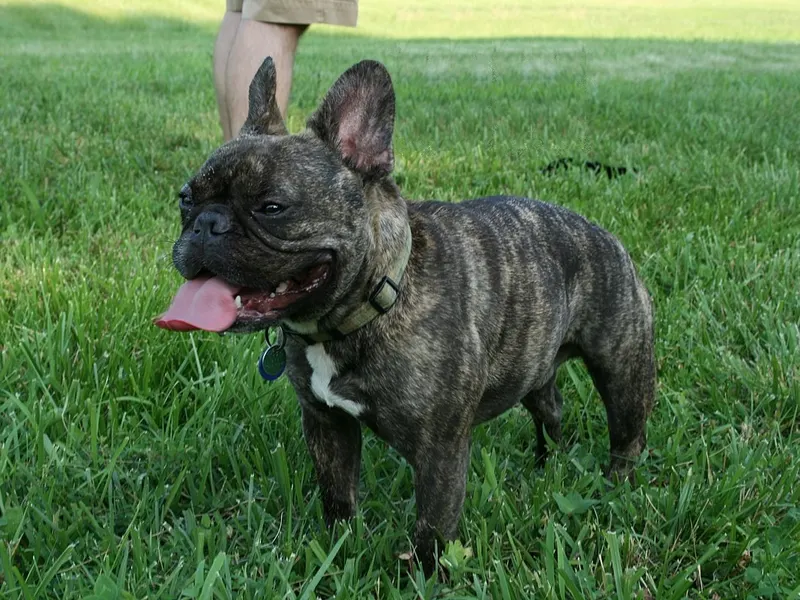
French Bulldog
Non-Sporting
16–28 lbs · 10–14 yrs
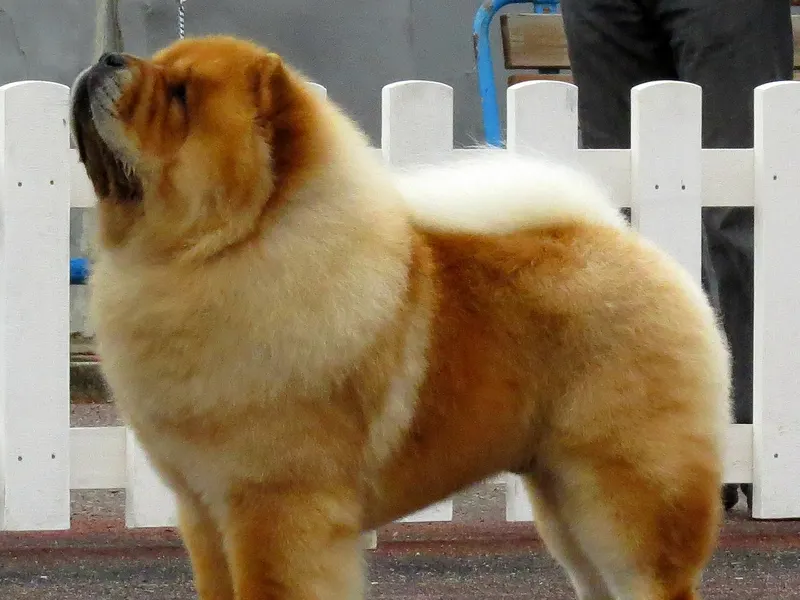
Chow Chow
Non-Sporting
45–70 lbs · 9–15 yrs
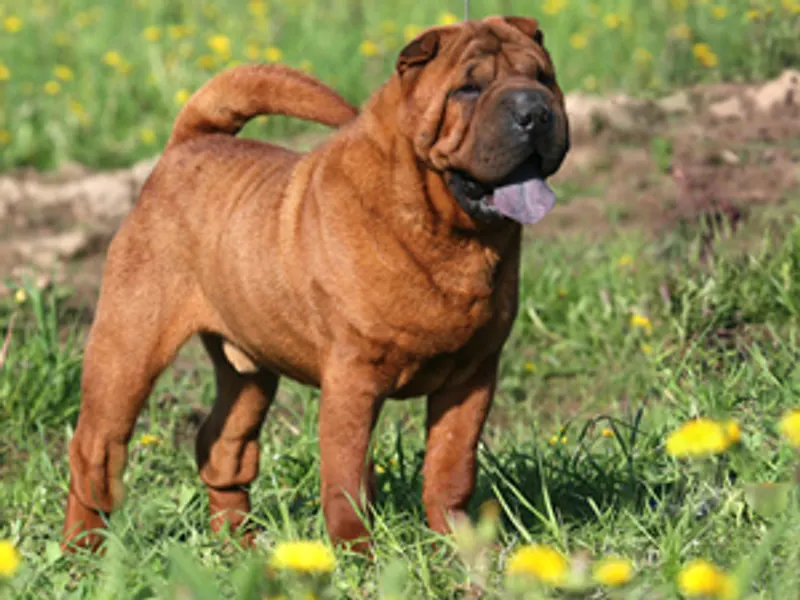
Shar-Pei
Non-Sporting
45–60 lbs · 8–12 yrs