Healthiest Dog Breeds
Genetic health in purebred dogs is shaped heavily by two related factors: how physically extreme a breed's standard is (very short muzzles, very long backs, excessive skin folds, or giant size all carry documented, mechanically-caused health costs baked into the body plan itself) and how genetically diverse the breed's population remains, since a smaller founding gene pool or a history of breeding heavily from a limited number of popular sires concentrates recessive hereditary conditions across the breed regardless of how careful individual breeders are. Breeds on this list generally avoid extreme physical structure and maintain reasonably diverse breeding populations, both of which show up in lower documented rates of costly hereditary conditions across veterinary insurance claims data and breed-health surveys. Mixed-breed and "mutt" dogs deserve a direct mention here even though this list, like the rest of this site, is organized by purebred breed: broad veterinary consensus, supported by insurance-claims data comparing purebred and mixed-breed dogs, generally finds mixed-breed dogs have somewhat lower rates of many breed-specific hereditary conditions due to greater overall genetic diversity, though mixed-breed dogs aren't immune to inherited health issues either, and a mixed-breed dog's health still depends heavily on which specific breeds and lines contributed to its ancestry — "hybrid vigor" is a real statistical tendency, not a guarantee for any individual dog. Breeds without brachycephalic (flat-faced) structure avoid an entire category of documented, mechanically-caused respiratory and thermoregulation problems that flat-faced breeds face regardless of individual breeding quality, since the shortened airway itself is the structural cause, not something responsible breeding alone can fully correct. Similarly, breeds without extremely long backs relative to leg length (a structure linked to intervertebral disc disease) or excessive giant size (linked to shorter average lifespan and higher rates of bloat and joint disease) tend to score better on general health, since these are body-plan-level risk factors rather than issues limited to poorly-bred individual dogs. Reputable breeding practices matter enormously within any breed regardless of its general health reputation: health testing for breed-specific conditions (hip and elbow X-rays through OFA, genetic panels for known heritable diseases, cardiac and eye clearances depending on breed) before breeding, avoiding breeding closely related dogs, and prioritizing genetic diversity over a narrow "ideal" appearance standard all measurably reduce a puppy's risk of inherited conditions — meaning a puppy from a health-tested line of even a breed with a middling general reputation can be a healthier bet than a puppy from an untested line of a breed on this "healthiest" list. It's worth being honest that no breed is free of health risk, and "healthiest" here is a relative, population-level statement based on documented condition rates rather than a promise about any individual dog — every dog, regardless of breed, benefits from routine veterinary care, a body-condition-appropriate diet avoiding obesity (itself one of the most common preventable health burdens across all breeds), and an owner who researches the specific health conditions documented for their chosen breed rather than assuming inclusion on a "healthiest" list means no health planning is needed. Rounding out the healthiest-breed picture: the Australian Cattle Dog is documented with a notably long average lifespan for a medium-sized working breed and comparatively few widespread hereditary conditions; the Basenji, despite one specific documented condition (Fanconi syndrome, a kidney disorder now screenable through genetic testing) affecting the breed, otherwise carries a generally sound genetic health profile; and the mixed-breed "mutt" population broadly, as already noted, tends to benefit from the genetic diversity effect discussed above. The phrase "health guarantee" gets used inconsistently enough that it's worth spelling out what a responsible breeder's version of it actually covers: a genuine health guarantee typically commits the breeder to specific documented health testing of the puppy's parents (with results verifiable through databases like OFA or breed-specific registries) and some form of recourse — a replacement puppy or partial refund — if a covered hereditary condition is diagnosed within a specified window, though the exact terms vary significantly by breeder and are worth reading closely and comparing rather than assuming all "health guaranteed" puppies received the same level of actual pre-breeding health screening. Vaccination and parasite-prevention schedules, while not breed-specific in the way hereditary condition screening is, still play a real role in overall health outcomes worth naming alongside genetics: core vaccines (rabies, distemper, parvovirus) protect against serious, sometimes fatal disease regardless of how genetically healthy a specific breed's population is, and skipping or delaying routine prevention undermines even the best genetic starting point a health-tested puppy might otherwise have — genetics sets the ceiling on a dog's health potential, but consistent preventive care determines how much of that potential actually gets realized.
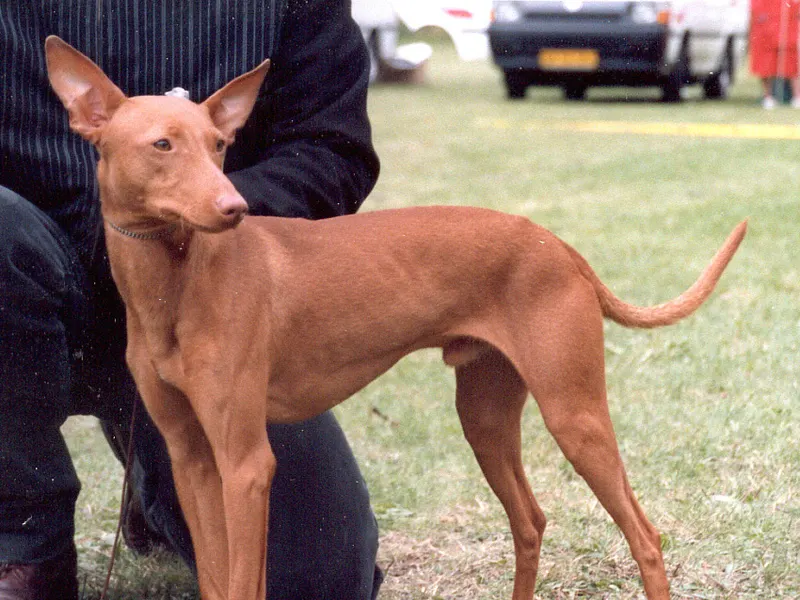
Cirneco dell'Etna
Hound
17–26 lbs · 12–14 yrs
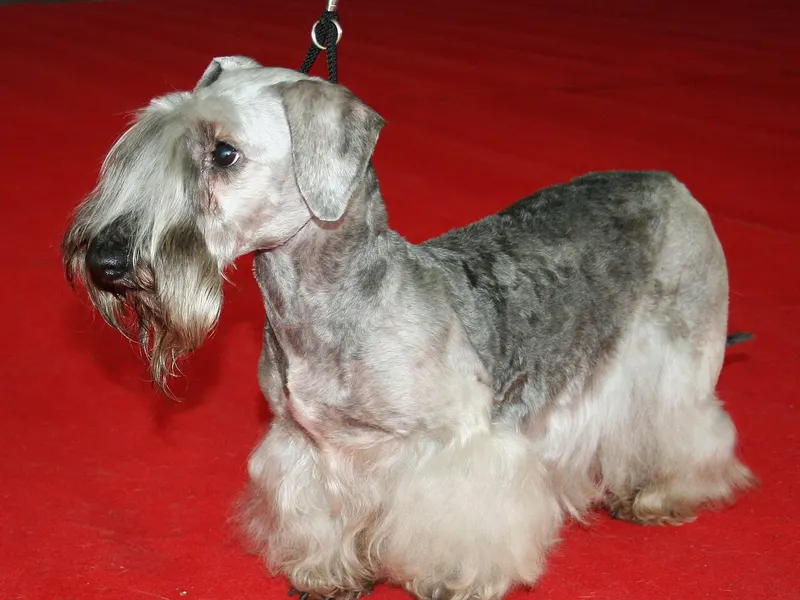
Cesky Terrier
Terrier
13–24 lbs · 12–15 yrs
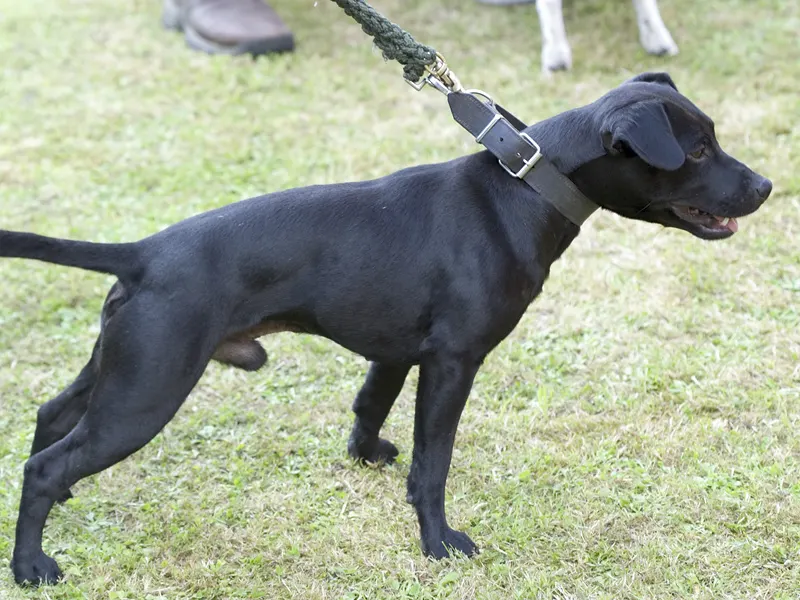
Patterdale Terrier
Terrier
11–13 lbs · 11–13 yrs
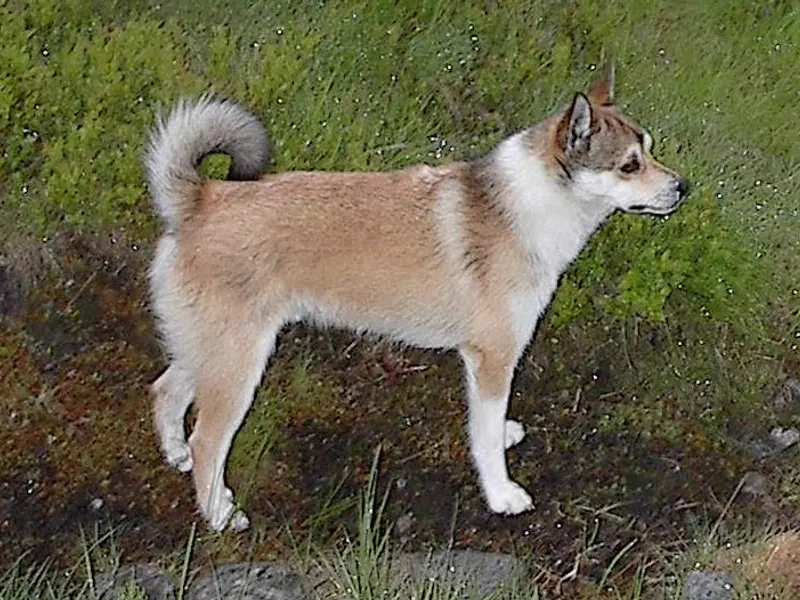
Norwegian Lundehund
Non-Sporting
13–16 lbs · 12–15 yrs
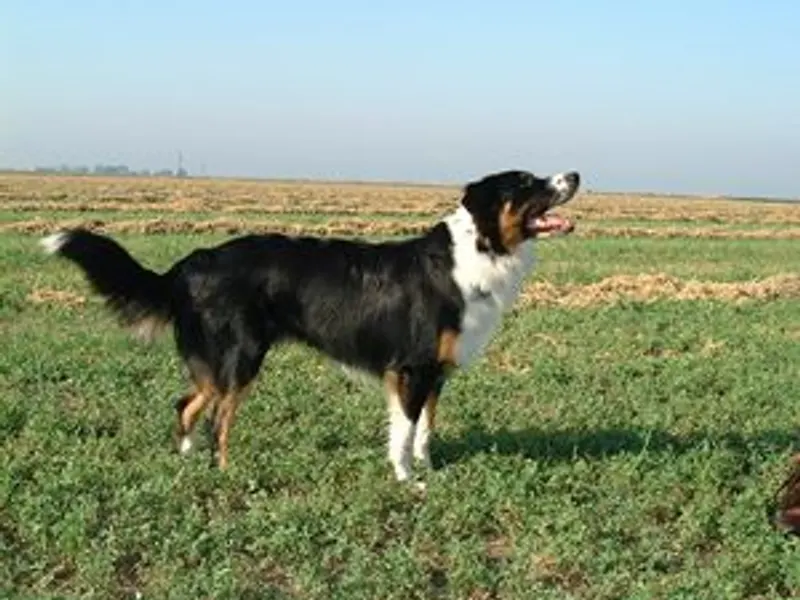
English Shepherd
Herding
40–60 lbs · 12–15 yrs
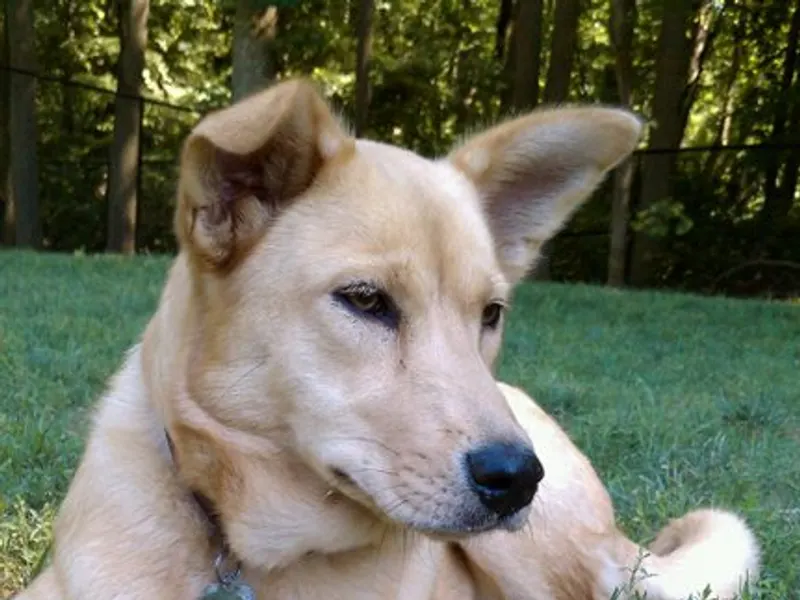
Carolina Dog
Foundation Stock
30–65 lbs · 12–15 yrs
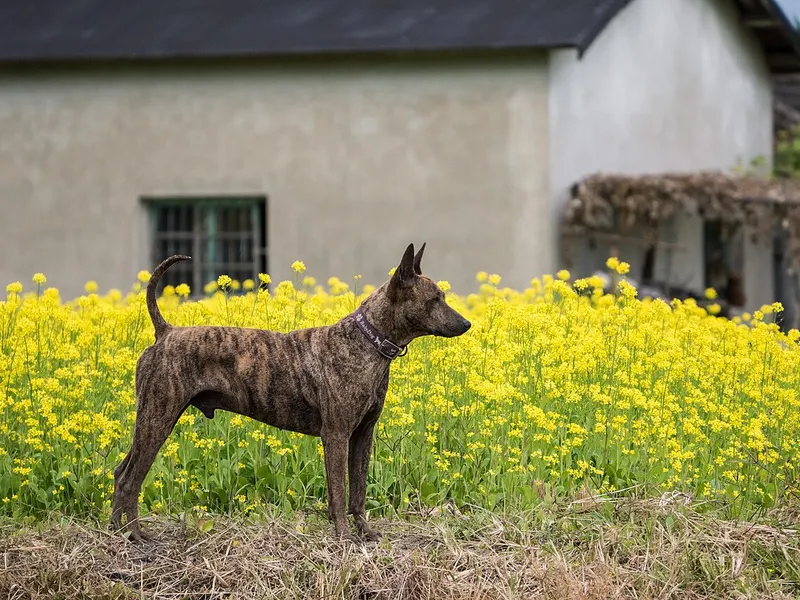
Formosan Mountain Dog
Foundation Stock
26–50 lbs · 13–16 yrs
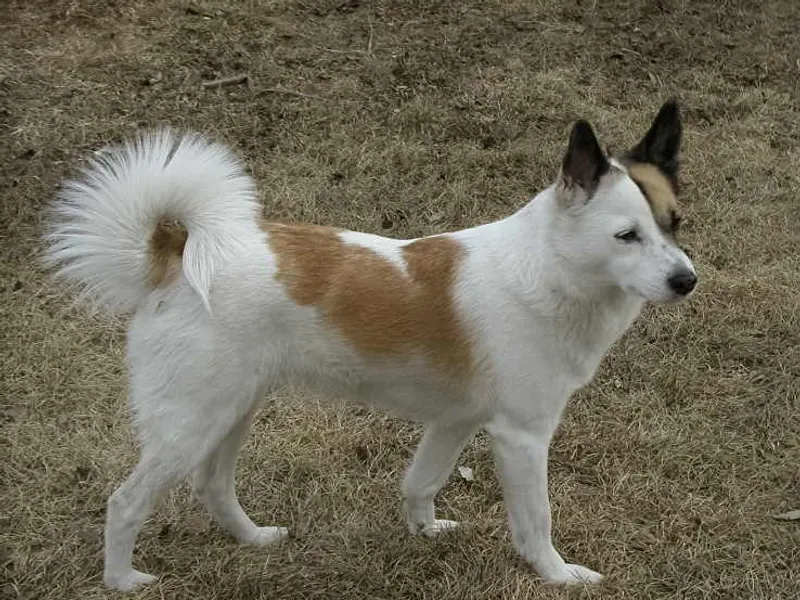
Norrbottenspets
Sporting
20–33 lbs · 14–16 yrs
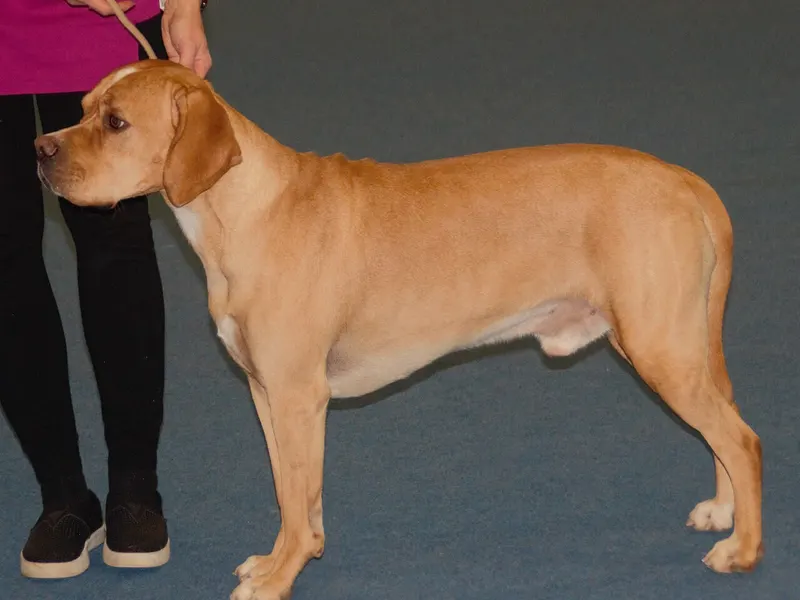
Portuguese Pointer
Sporting
35–55 lbs · 12–14 yrs
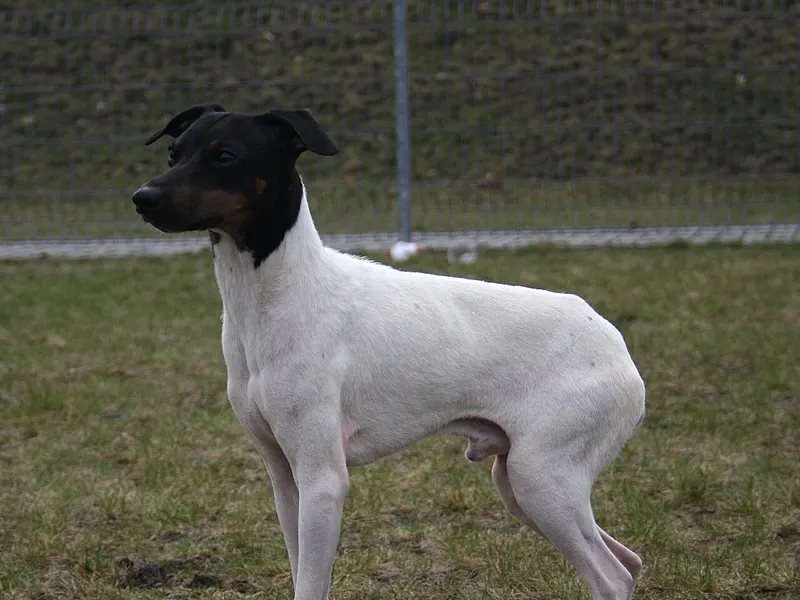
Japanese Terrier
Terrier
5–9 lbs · 12–15 yrs
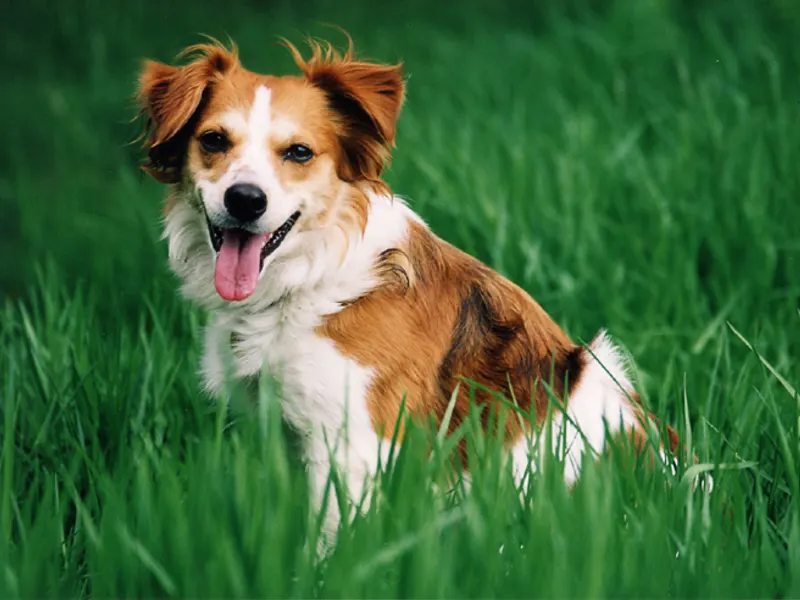
Kromfohrländer
Non-Sporting
20–30 lbs · 13–15 yrs
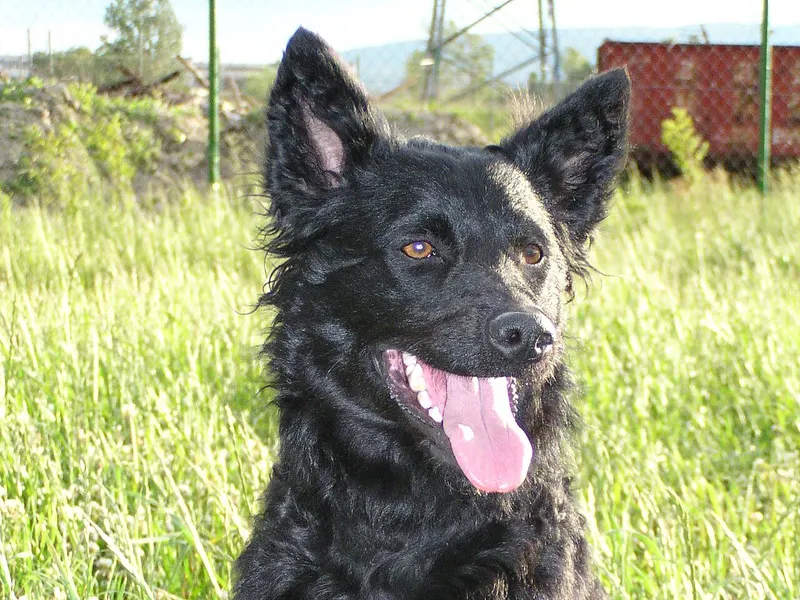
Croatian Sheepdog
Herding
29–44 lbs · 12–14 yrs
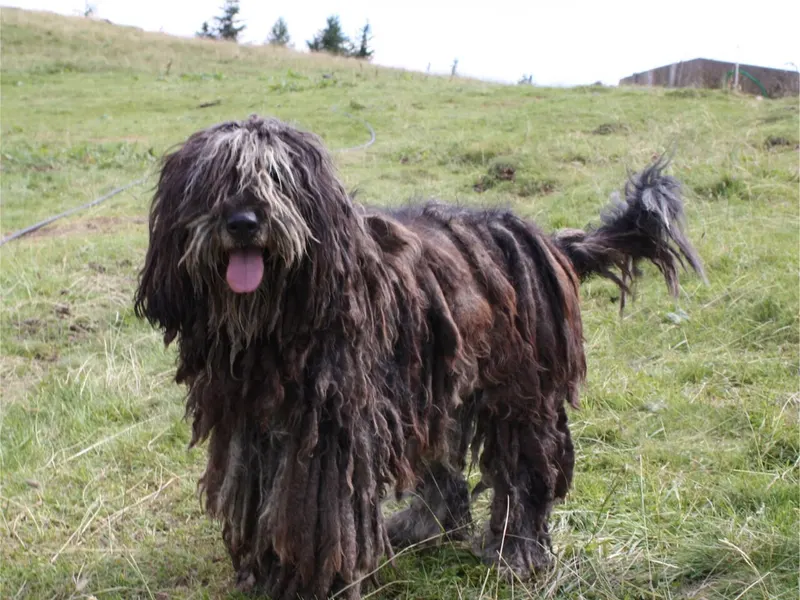
Bergamasco Sheepdog
Herding
57–84 lbs · 13–15 yrs
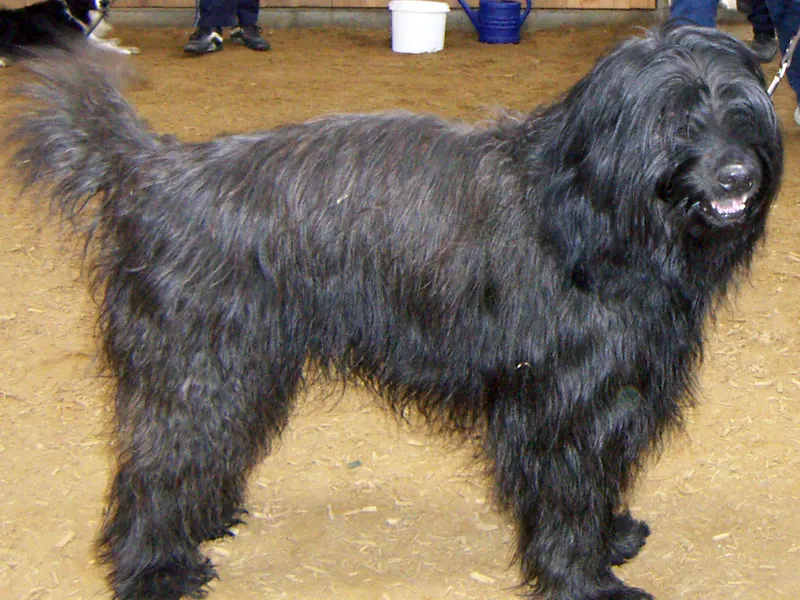
Catalan Sheepdog
Herding
35–55 lbs · 12–14 yrs
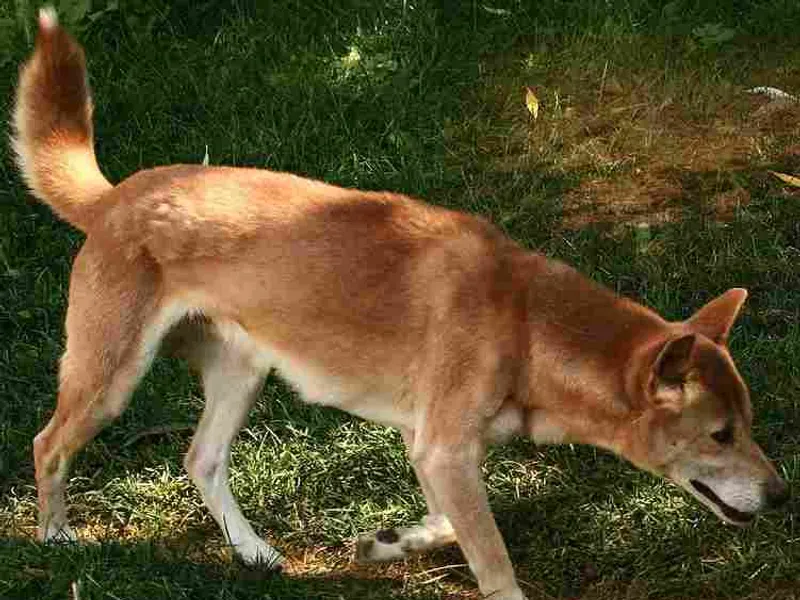
New Guinea Singing Dog
Foundation Stock
17–30 lbs · 15–18 yrs
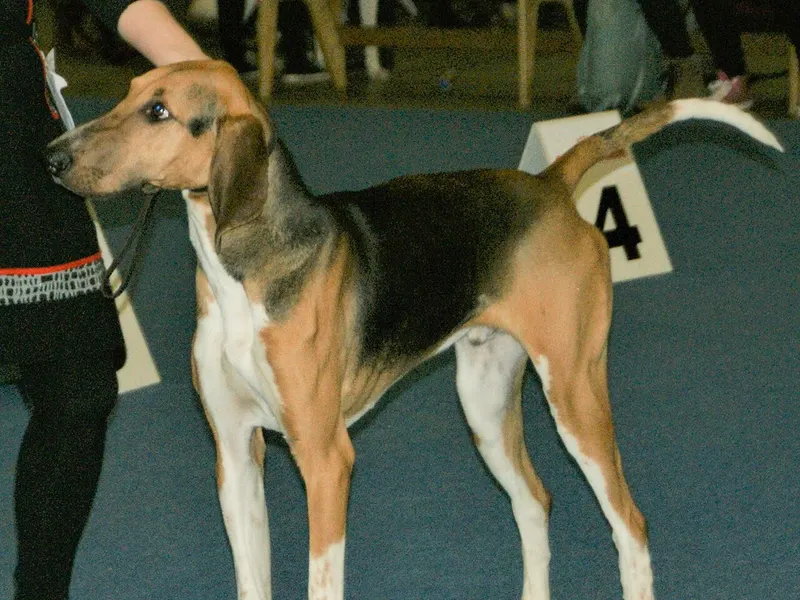
Poitevin
Hound
55–70 lbs · 11–13 yrs
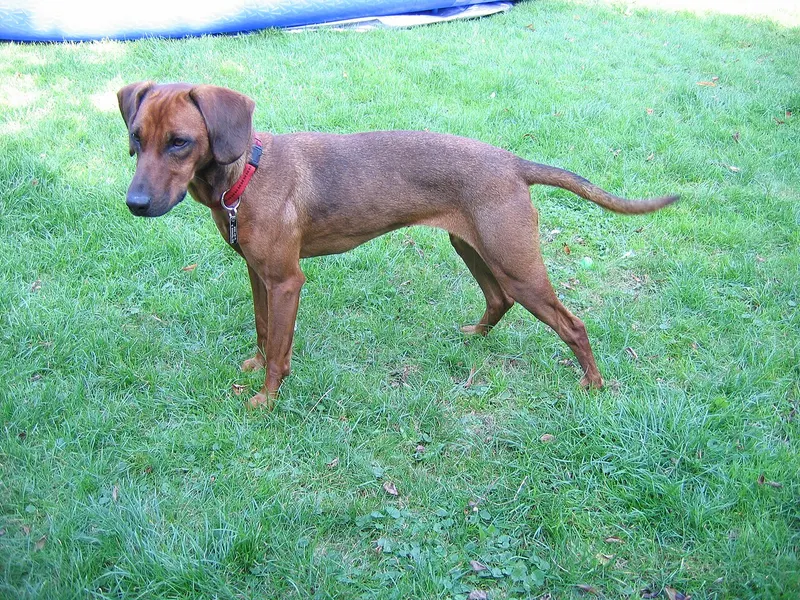
Tyrolean Hound
Hound
33–48 lbs · 12–14 yrs