Foreign Cats
15 breeds in this group.
Foreign is the cat fancy's term for a lithe, long, fine-boned body type — legs proportionately long relative to a slender torso, a wedge-shaped head, large ears, and almond or slanted eyes — that sits one step short of the most extreme "Oriental" build (reserved mainly for the Siamese-derived breeds) but is still unmistakably built for speed and agility rather than the compact solidity of a cobby breed like the Persian. Several breeds in this category are also genuinely wild-adjacent in ancestry, which is a separate and important distinction from body type alone: a slender build can come purely from selective breeding of ordinary domestic cats, as with the Russian Blue, or it can come from relatively recent, deliberate hybridization with a wild feline species, as with the Bengal and Savannah, and the two paths carry very different practical implications for a prospective owner even when the resulting silhouette looks superficially similar. The Abyssinian is often treated as the foreign type's foundational breed and is genuinely old, though its exact origin is more contested than popular legend suggests — the long-told story that it descends directly from cats worshipped in ancient Egypt is not well supported by modern genetic research, which instead points to a origin somewhere along the Indian Ocean coast, possibly Southeast Asia, with the breed's development as we know it happening substantially in Britain in the nineteenth century from cats brought back from Abyssinia (modern Ethiopia), which is where the breed's name comes from even if its deeper ancestry lies elsewhere. Its coat, called "ticked" or "agouti," has each individual hair banded with two or more colors, producing a shimmering, almost wild-rabbit-like appearance that's genetically the same ticking pattern seen in wild rabbits and some wild cat species, achieved through a specific gene rather than through spotting or striping. The Russian Blue has a similarly debated but generally accepted origin in the port cities of northern Russia, particularly Arkhangelsk, from where sailors are believed to have carried the breed to Britain and northern Europe in the nineteenth century — its dense, plush double coat, unusual in a short-haired breed, is often explained as an adaptation to the cold northern Russian climate the breed likely originated in, giving it genuine insulating properties beyond most short-haired cats. The Korat, by contrast, has one of the best-documented ancient origins of any cat breed: it's referenced and illustrated in the Tamra Maew, a Thai manuscript on cat breeds believed to date to sometime between the fourteenth and eighteen centuries, and in its native Thailand it's traditionally considered a good-luck cat, historically given as a wedding gift rather than sold, since selling a Korat was believed to sell away the recipient's good fortune along with it. The Havana Brown, despite its Spanish-sounding name, was actually developed in England in the 1950s by crossing Siamese with domestic black cats, aiming for a solid chocolate-brown coat color rather than named for any Cuban connection — the name instead references the rich brown color of a Havana cigar. The wild-hybrid breeds in this category carry a genuinely different set of considerations. The Bengal was developed starting in the 1960s and 70s by crossing domestic cats with the Asian leopard cat, a small wild feline native to South and Southeast Asia, specifically to bring a wild-looking rosetted or marbled coat pattern into a domestic temperament, and modern pet-quality Bengals are typically several generations removed from the wild-cat ancestor (breeders generally distinguish F1 through F4 generations, with F1 being a direct cross and later generations progressively more domestic-typical in temperament) — earlier-generation Bengals can retain meaningfully more wild-cat behavior and are subject to ownership restrictions in some U.S. states and municipalities as a result. The Savannah follows a similar pattern crossing domestic cats with the African serval, a considerably larger wild cat than the Asian leopard cat, and produces one of the largest domestic cat breeds as a result, with early-generation Savannahs facing even more widespread legal restrictions than Bengals in several states. The Chausie, less widely known, crosses domestic cats with the jungle cat (Felis chaus) and shares similar generational and legal considerations. Prospective owners of any of these wild-hybrid breeds should research their specific state and local ownership laws before committing, since regulations vary considerably and change periodically, and generation number (how many generations removed from the wild ancestor) meaningfully affects both legality and expected temperament. The Egyptian Mau, Somali (a long-haired sibling of the Abyssinian, carrying the same ticked coat pattern in longer hair from a recessive gene), Ocicat (a spotted breed created by crossing Abyssinian, Siamese, and American Shorthair lines, deliberately bred to resemble a wild ocelot despite having no actual wild-cat ancestry at all, unlike the Bengal or Savannah), Singapura, Nebelung, and the recently developed Toyger and Serengeti round out a category that spans genuinely ancient landraces, deliberate twentieth-century recreations, and modern designer breeds built to evoke wild-cat appearance through selective breeding of purely domestic stock rather than actual hybridization. Because "foreign" describes silhouette rather than temperament or origin, it's worth treating breeds in this group individually — the deliberate-appearance breeds like the Ocicat and Toyger carry none of the wild-hybrid legal or behavioral considerations of a true Bengal or Savannah, despite superficial coat similarities, and that distinction matters considerably more for day-to-day ownership than shared body shape does. Legal and welfare considerations for the wild-hybrid breeds deserve a closer, more concrete look given how often they're glossed over in marketing. Bengal ownership is restricted or requires a permit in several U.S. states and cities, generally with the restriction tied to generation number — earlier generations (F1 through roughly F4) face tighter restrictions than later-generation cats, which are considered closer to fully domestic in both law and typical temperament. Savannahs face similarly tiered restrictions, often more stringent than Bengals given the serval's larger size and more pronounced wild behavior patterns, and several states ban early-generation Savannahs outright while permitting later generations. Prospective owners should verify current local and state law directly before purchasing rather than relying on a breeder's assurance, since regulations have changed multiple times in various jurisdictions and a cat legal in a breeder's home state may not be legal to bring into a buyer's own. Behaviorally, later-generation hybrids (commonly labeled SBT, or "stud book tradition," once a breed line has been bred domestic-to-domestic long enough) are generally reported by breeders and owners to show typical domestic-cat behavior with a notably higher activity level and a more dog-like, interactive personality than the average house cat, including a documented tendency in Bengals specifically toward enjoying water and playing in it, an unusual trait for cats generally that's often attributed to the Asian leopard cat ancestry. Early-generation hybrids, by contrast, may retain more genuinely wild behavioral traits — increased wariness of strangers, stronger territorial marking, and higher exercise and enrichment needs than a typical house cat — and are generally recommended only for experienced owners specifically prepared for those differences, ideally with direct mentorship from the breeder. The naturally slender, non-hybrid breeds in this category carry their own distinct care notes worth mentioning. The Russian Blue's dense double coat, unusual for a shorthaired breed, means it actually sheds and requires more regular brushing than its sleek appearance might suggest. The Korat's coat, by contrast, is famously described as having a silvery "tipping" over a blue-grey base, a specific and prized coloring within its native Thailand that show breeders internationally still judge closely against the traditional Thai standard rather than a Westernized reinterpretation of it. Insurance and veterinary-provider research is worth doing in advance for anyone considering a wild-hybrid breed specifically, since some pet insurance providers exclude or place restrictions on Bengal, Savannah, and Chausie coverage depending on generation, and not every veterinary practice has direct experience treating cats with recent wild ancestry — confirming both in advance, alongside the legal research already discussed, rounds out the practical homework worth doing before committing to one of these breeds specifically. Coat color genetics add real depth to several breeds here worth a direct mention: the Russian Blue's signature color is technically a dilute expression of black, the same dilution gene responsible for blue and lilac coloring across many unrelated cat breeds, while the Abyssinian and Somali's ticked coat pattern is governed by a distinct agouti-related gene entirely separate from the dilution mechanism, meaning the two breeds' signature looks, though both prized within this foreign body-type category, come from genuinely unrelated genetic pathways. Show standards for the naturally slender breeds in this category, particularly the Korat and Russian Blue, have stayed relatively stable and moderate compared with some other body-type categories on this site that have drifted toward more extreme physical standards over recent decades, a genuinely reassuring consistency for anyone specifically concerned about breed standards drifting toward less health-favorable extremes over time. The Ocicat's creator, breeder Virginia Daly, reportedly named the breed after a family friend's comment that a spotted kitten from an early litter looked like a baby ocelot, a casual remark that stuck and became the breed's permanent name despite the breed having no actual wild ocelot ancestry at all. The breed was, in fact, an accidental byproduct of an entirely different planned cross — Daly was attempting to produce a Siamese with Abyssinian-style points when the unexpected spotted kitten appeared, a reminder that several deliberately bred cat breeds trace their exact look to a serendipitous, unplanned result rather than a precisely engineered outcome from the start. Because several breeds in this category carry genuinely ancient, well-documented histories in their countries of origin, national heritage and conservation organizations in Thailand, Russia, and Egypt have each, at various points, taken an active interest in preserving traditional bloodlines against the homogenizing pressure of the internationally standardized modern show fancy, a preservation effort worth knowing about for anyone specifically interested in a breed's older, less Westernized traditional type.
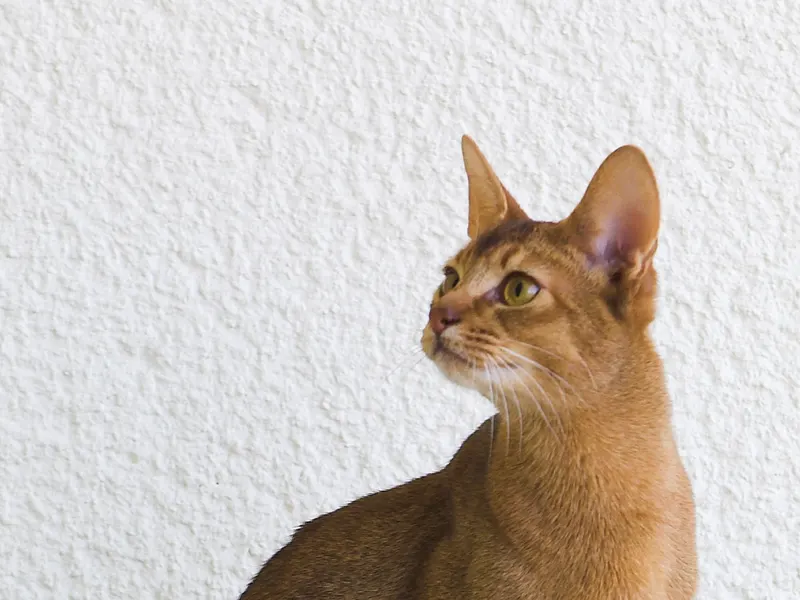
Abyssinian
Foreign
6–10 lbs · 9–15 yrs
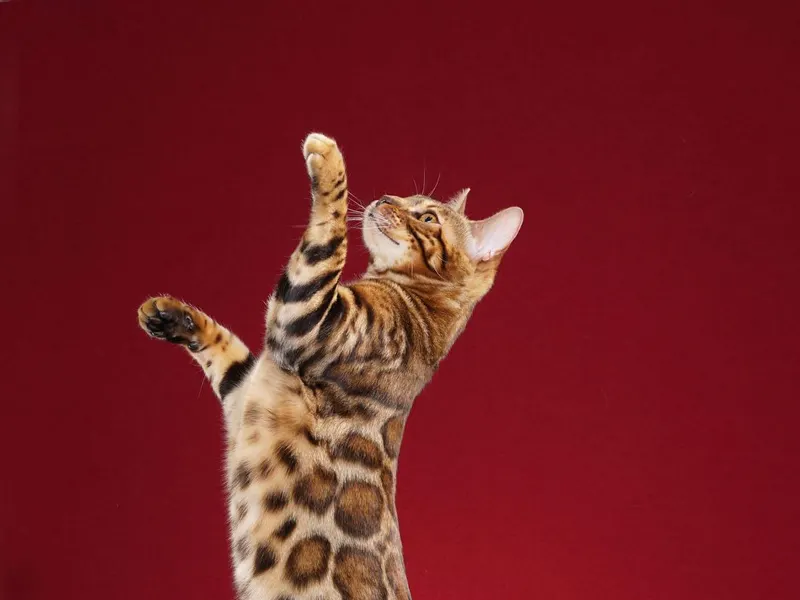
Bengal
Foreign
8–15 lbs · 12–16 yrs
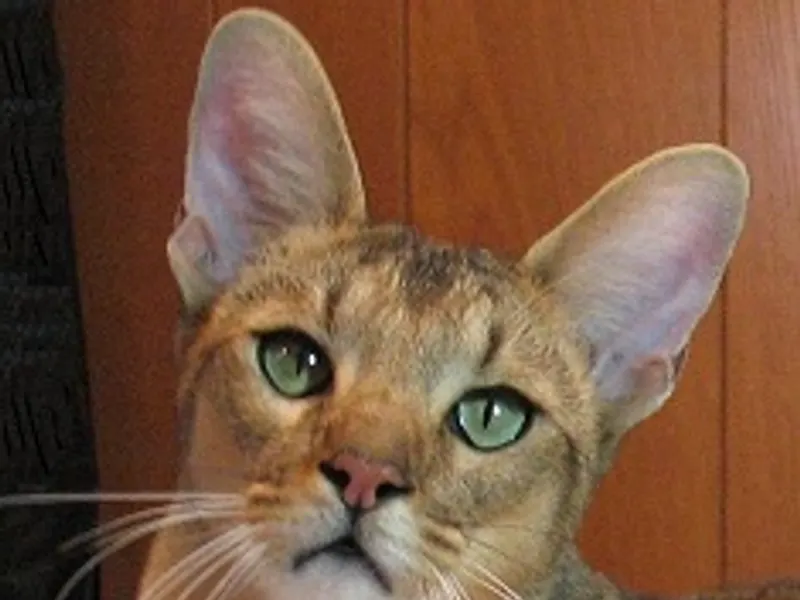
Chausie
Foreign
15–25 lbs · 12–15 yrs
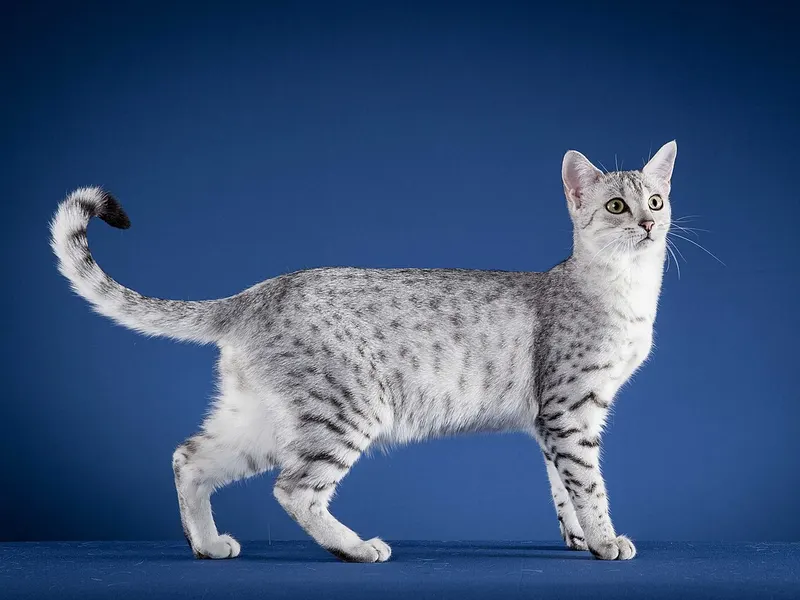
Egyptian Mau
Foreign
6–11 lbs · 12–15 yrs
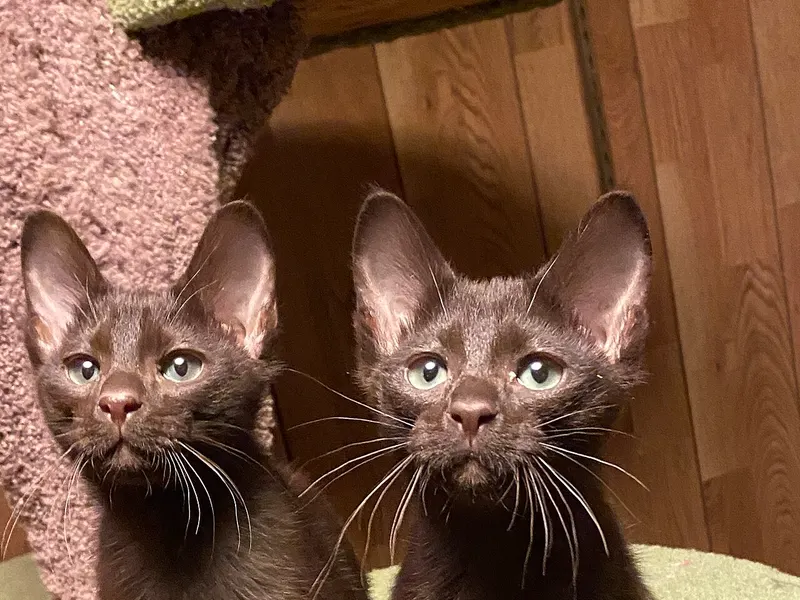
Havana Brown
Foreign
6–10 lbs · 9–15 yrs
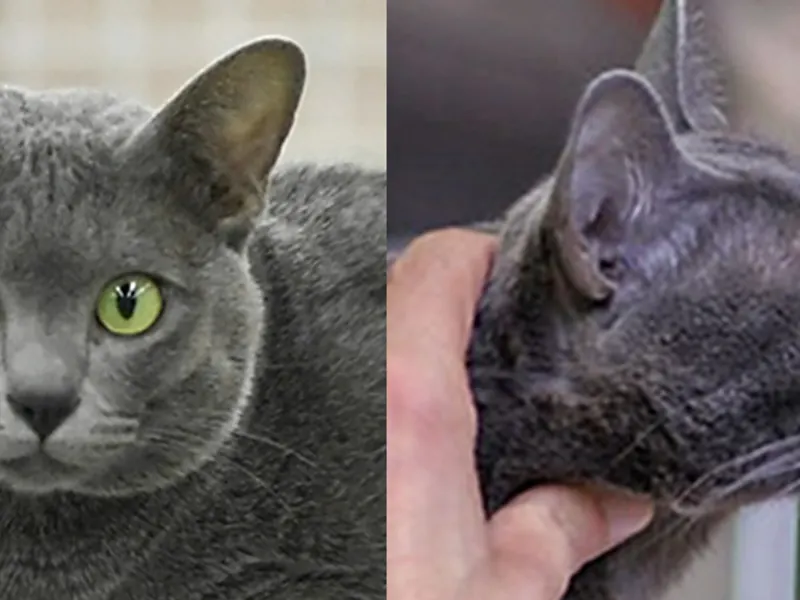
Korat
Foreign
6–10 lbs · 15–20 yrs
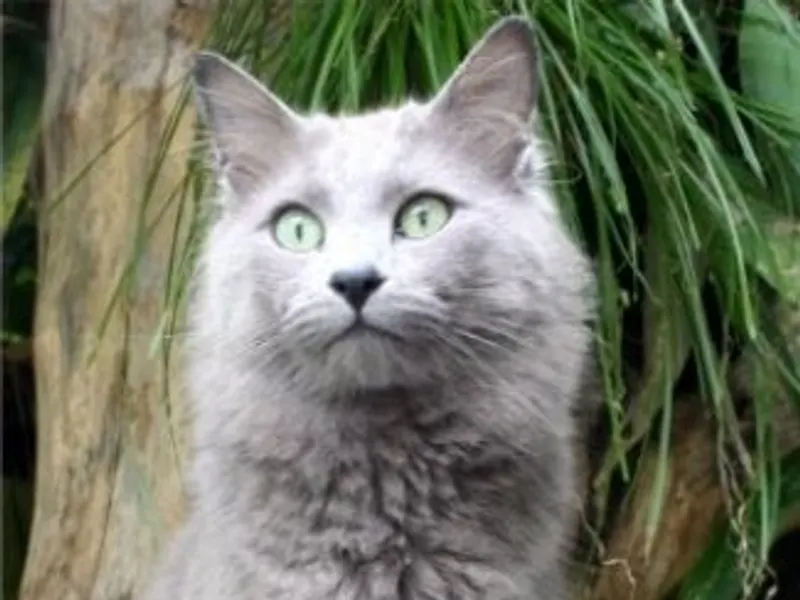
Nebelung
Foreign
7–11 lbs · 15–18 yrs
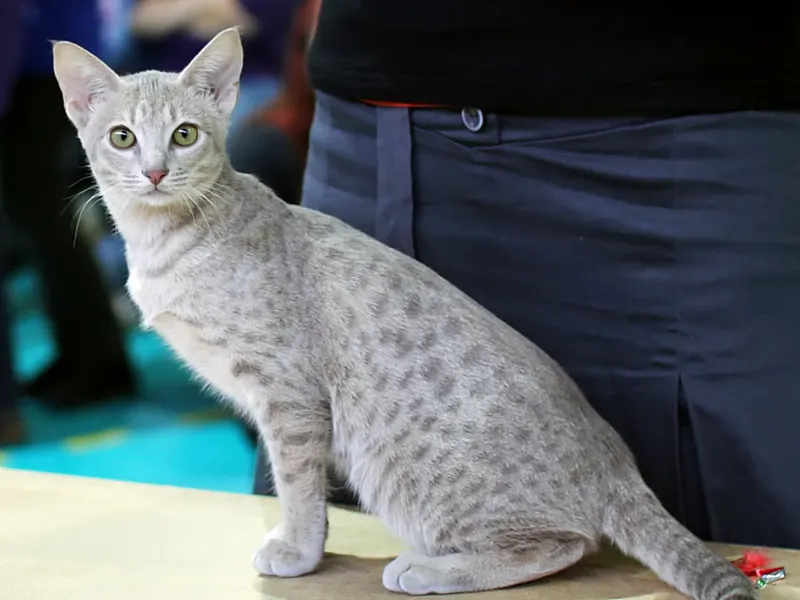
Ocicat
Foreign
6–15 lbs · 12–18 yrs
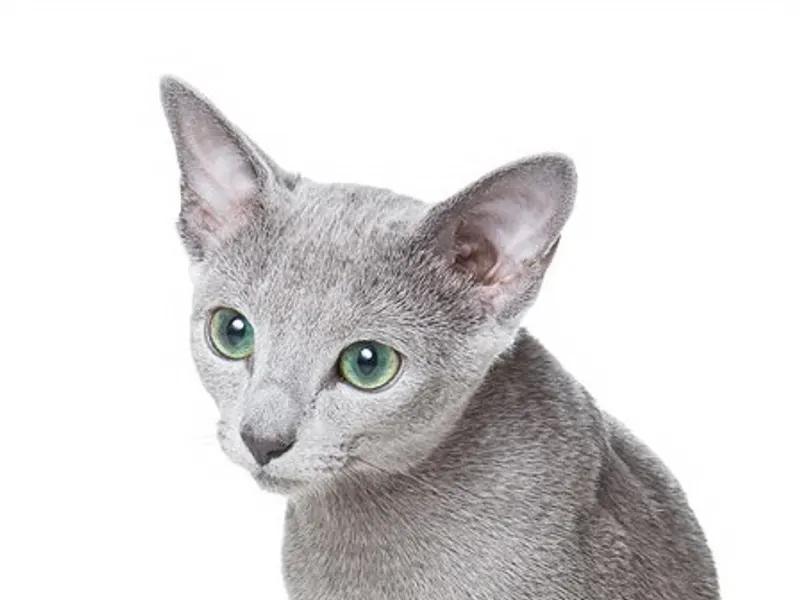
Russian Blue
Foreign
7–12 lbs · 15–20 yrs
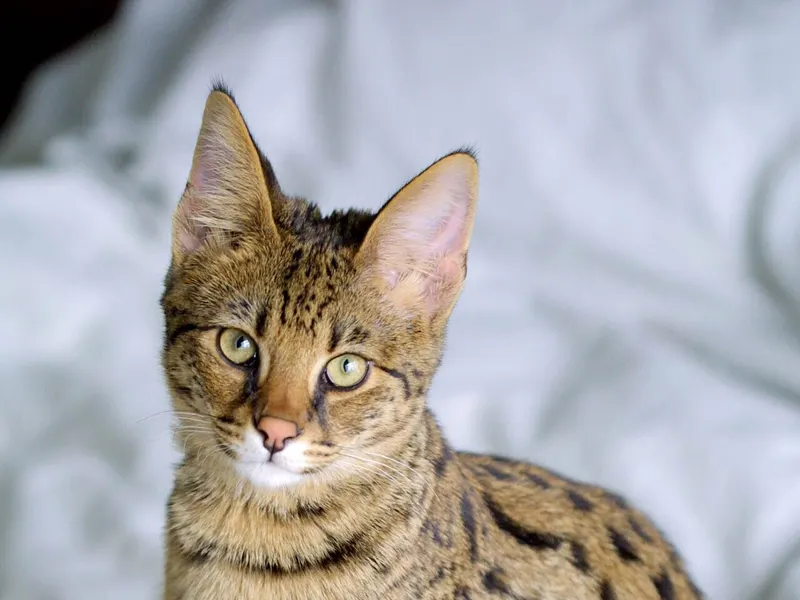
Savannah
Foreign
12–25 lbs · 12–20 yrs
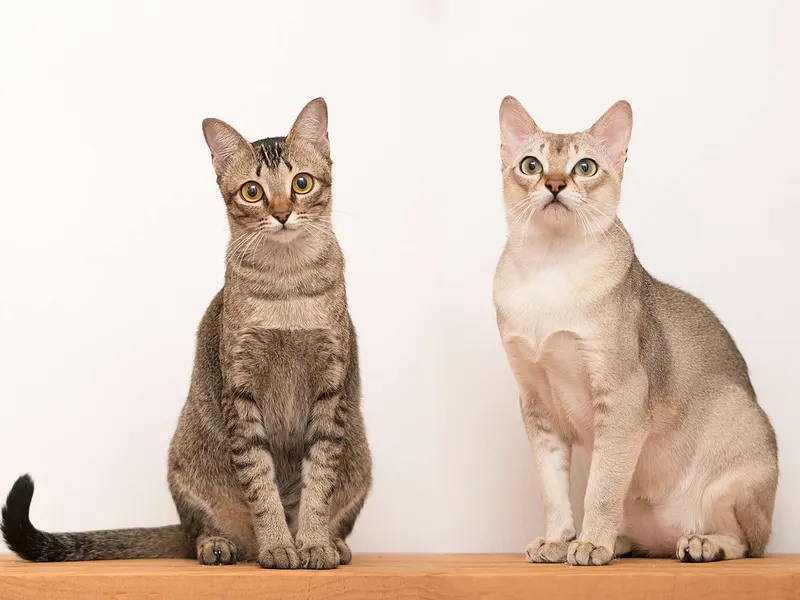
Singapura
Foreign
4–8 lbs · 12–16 yrs
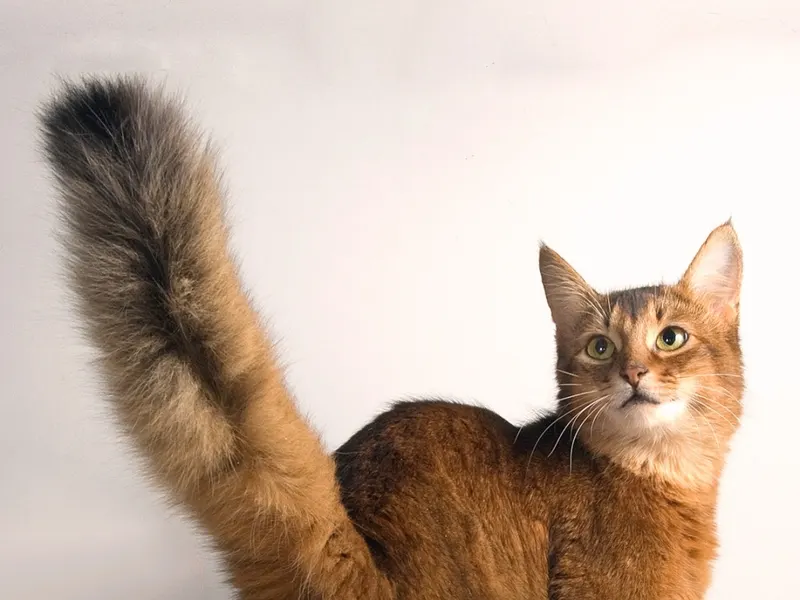
Somali
Foreign
6–10 lbs · 11–16 yrs
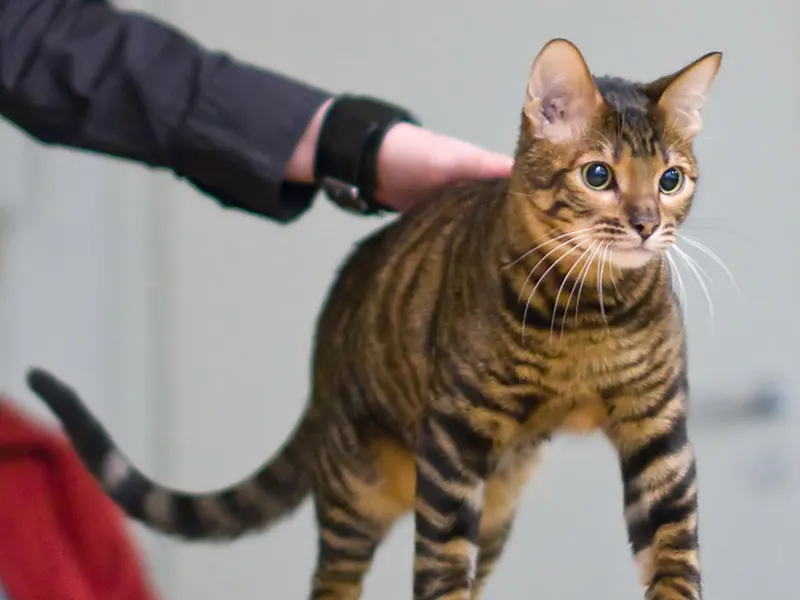
Toyger
Foreign
7–15 lbs · 12–15 yrs
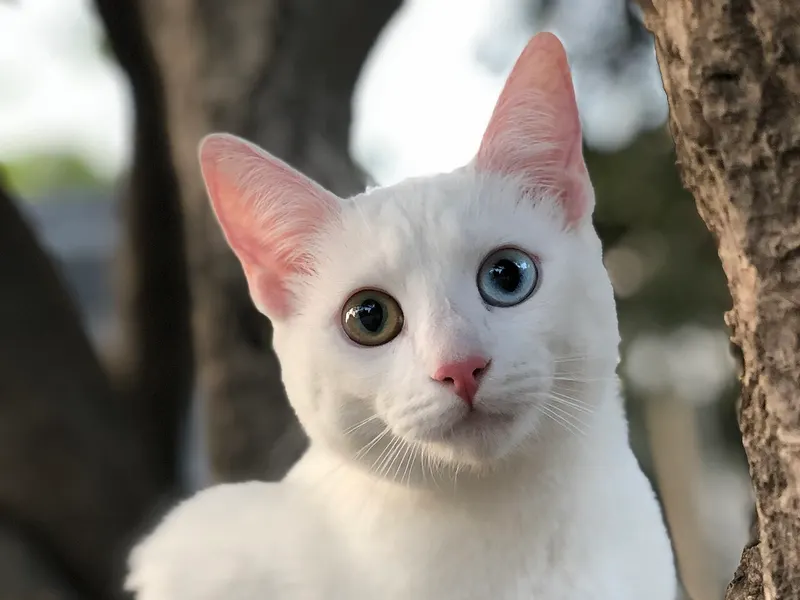
Khao Manee
Foreign
6–10 lbs · 10–15 yrs
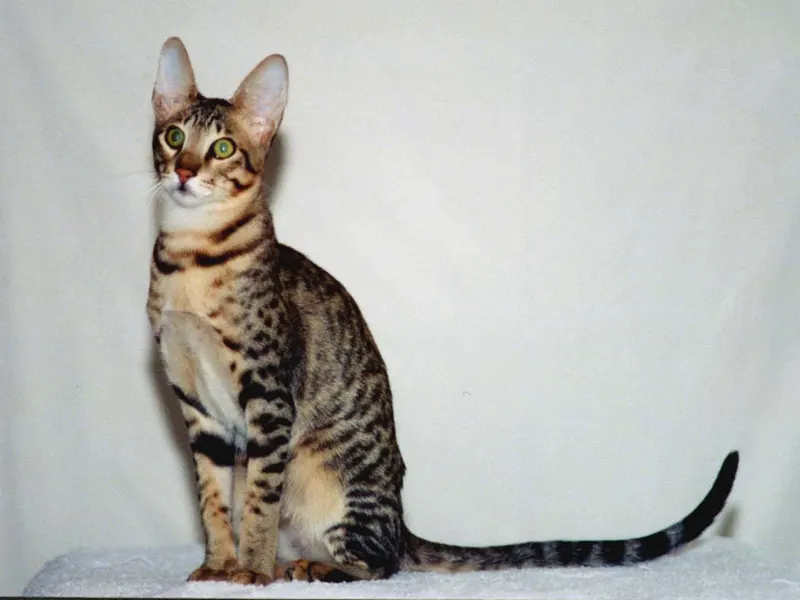
Serengeti
Foreign
8–15 lbs · 12–15 yrs