Semi-cobby Cats
15 breeds in this group.
Semi-cobby describes a body type that's rounder and more substantial than the moderate "semi-foreign" build but stops short of the extremely compact, short-legged solidity of a true cobby breed like the Persian or Manx — think a body with real heft and a broad chest, but legs and proportions that read as moderate rather than stocky. It's a genuinely common landing point for breeds descended from mixed or working-cat ancestry rather than from either extreme-type show breeding program, and several members of this category carry origin stories rooted in temple life, farm work, or natural mutation rather than in deliberate pursuit of a particular silhouette. The Birman carries one of the cat fancy's more romantic (and only partially verifiable) origin legends: French accounts from the early twentieth century describe the breed as descended from sacred temple cats of Burma, companions to Kittatah priests, with a folk tale explaining the breed's white "gloved" paws as a mark bestowed by a goddess onto a temple cat that stayed loyal to a dying priest. Whatever the legend's accuracy, the documented breed history is more modest: a pair of Birman-type cats reportedly arrived in France around 1919, and the modern breed was substantially rebuilt from a small surviving population after World War II nearly wiped it out in Europe, meaning much of today's Birman population traces to careful postwar reconstruction breeding in France rather than an unbroken line back to any Burmese temple. The Ragdoll, by contrast, has an unusually well-documented and recent American origin: it was developed in California in the 1960s by a breeder named Ann Baker, built around a white, semi-longhaired cat named Josephine and known for an unusually placid temperament and a tendency to go limp when picked up, the origin of the breed's now-familiar name — though the widely repeated claim that Ragdolls feel less pain or can't be startled, sometimes attributed to Baker's early marketing, has no real physiological basis and is worth treating skeptically. The Scottish Fold and its straight-eared sibling, the Scottish Straight (the latter simply the non-folded-ear version of the same breeding line, since Fold-to-Fold breeding is now restricted or banned by several cat registries), trace to a single barn cat named Susie found in Scotland in 1961 whose folded ears were later traced to a dominant genetic mutation affecting cartilage development throughout the body, not just the ears — a serious welfare consideration, since that same cartilage-affecting gene is linked to a painful degenerative joint condition called osteochondrodysplasia that shows up with meaningfully higher frequency in cats homozygous for the fold gene (inheriting it from both parents), which is why responsible modern breeding programs only cross Folds with straight-eared cats rather than Fold to Fold, and why some countries and cat registries have restricted or banned the breed's registration on welfare grounds entirely. This is a genuinely important honesty point for anyone considering the breed specifically for its famous folded-ear look. The Munchkin brings a similarly debated genetic trait: its short legs result from a dominant mutation causing a form of dwarfism, and while the breed's proponents point out that Munchkins generally move and jump normally and don't show the same spinal problems documented in some short-legged dog breeds, the trait remains controversial within the cat fancy, and TICA accepts the breed while CFA does not, reflecting genuine, unresolved disagreement within the fancy about whether deliberately breeding for a dwarfism-linked trait is appropriate regardless of documented mobility. The Pixie-Bob, developed in the 1980s from a reported natural population of bobtailed, spotted cats in the Pacific Northwest, was marketed early on with claims of partial wild bobcat ancestry that genetic testing has not substantiated, and the breed is now understood as a domestic breed selectively bred to resemble a bobcat rather than one with actual wild-cat genes. The Bombay, Burmilla, Chartreux, American Bobtail, RagaMuffin, Snowshoe, Kurilian Bobtail, Napoleon (also called Minuet), and Highlander round out the category with a mix of deliberate crosses (the Bombay was created by crossing Burmese and American Shorthair specifically to produce a miniature-panther appearance in a domestic cat; the Napoleon crosses Munchkin with Persian-type breeds for a short-legged, plush-coated companion) and older landrace populations (the Chartreux has a documented history in France stretching back centuries, traditionally associated with Carthusian monks though the exact link is more folklore than verified record, and its dense blue-grey coat and quiet demeanor made it a valued mouser on French farms long before formal breed standards existed). Because this category spans genuine welfare controversies (Fold, Munchkin) alongside uncontroversial older breeds (Chartreux, Birman), it's worth researching each breed's specific genetic story individually rather than assuming "semi-cobby" implies a uniform health or ethical profile — the shared trait here is body shape, and body shape alone doesn't tell you whether a breed's defining feature came with a genuine welfare tradeoff attached. Because this category includes several breeds carrying genuine, documented genetic controversies, it's worth laying out what responsible breeding practice looks like for each. For the Scottish Fold, reputable breeders now exclusively cross Fold-eared cats with straight-eared cats from the same lines (never Fold to Fold) specifically to avoid producing kittens homozygous for the cartilage-affecting gene, since research has linked the homozygous condition to a much higher rate of the painful joint disease osteochondrodysplasia; prospective Scottish Fold owners should ask directly about a breeder's pairing practices rather than assuming ethical breeding is universal across the breed. For the Munchkin, the debate centers less on individual cat welfare — available data suggests most Munchkins move and function normally — and more on the philosophical question of whether deliberately breeding for a dwarfism mutation is appropriate at all, which is why CFA's continued non-recognition of the breed reflects an unresolved fancy-wide disagreement rather than a settled verdict on the cats' actual quality of life. Coat and grooming needs vary meaningfully across this category too. The Ragdoll and Birman both carry semi-long, silky coats that, despite the length, mat less readily than a dense Persian-type coat and generally need only two to three brushing sessions weekly rather than daily attention. The Chartreux and Bombay carry short, dense coats requiring minimal grooming, the Bombay's glossy black coat in particular needing little beyond an occasional wipe-down to maintain its signature sheen. The Scottish Fold and Munchkin both come in both short- and long-haired coat varieties depending on which lines a specific cat descends from, meaning grooming needs within either breed vary by individual cat rather than being fixed by breed identity alone. Temperamentally, several breeds in this category are frequently cited among the most reliably calm and people-oriented in the fancy, a trait plausibly linked to deliberate selection for gentle, unbothered temperaments in breeds like the Ragdoll and Birman specifically bred as companion cats from the outset, though it's worth treating any individual cat's temperament as an individual trait rather than a guarantee — breed tendencies describe averages and likelihoods, not certainties for any one specific animal, a caveat that applies across every breed discussed on this site but is especially worth remembering for breeds marketed heavily on temperament claims. First-time cat owners drawn to this category for its generally calm reputation should still expect meaningful individual variation within any breed here, and meeting a kitten's parents in person, when possible, remains one of the more reliable ways to get a realistic sense of adult temperament, since a breeder's description alone, however well-intentioned, can't fully substitute for observing the actual family line's demeanor directly. Breed-club-run health databases have become an increasingly valuable resource for several breeds in this category specifically, since organizations tracking the Scottish Fold's cartilage condition and the Ragdoll's cardiac health voluntarily collect longitudinal data from member breeders, giving prospective owners a genuinely more evidence-based picture of a specific breeding line's health history than relying on any single breeder's individual claims alone. Weight ranges vary meaningfully within this category despite the shared moderate build, from the comparatively petite Burmese and Bombay through to the notably larger Ragdoll, and it's worth checking a specific breed's typical adult weight range directly rather than assuming "semi-cobby" implies a single consistent size, since this category, like several others on this site, describes proportion and build rather than overall scale. The word "cobby" itself derives from an older English usage describing a stocky, thickset horse or pony build, later borrowed into cat-fancy terminology to describe a comparably compact, substantial body type, which is why "semi-cobby" and "cobby" both carry that same equestrian linguistic root despite now describing cats rather than horses. This shared vocabulary across species reflects how much of the cat fancy's early technical language, developed largely in Britain, borrowed directly from the far older and more established terminology of livestock and horse breeding rather than inventing entirely new descriptive terms from scratch. Because several breeds in this category emerged from twentieth-century American breeding programs rather than centuries-old landrace development, documented pedigree records tend to be considerably more complete and traceable than for the older European and Asian breeds discussed on other body-type hubs across this site, a genuine research advantage for anyone specifically interested in tracing a cat's exact lineage. Because the Ragdoll in particular has become one of the most popular pedigreed breeds in the U.S. in recent years, its widespread commercial popularity has also attracted a meaningful population of lower-quality, unscreened breeding operations trading on the name alone, making the same breeder due-diligence steps recommended throughout this site especially worth applying carefully to any Ragdoll-specific search given the breed's current market demand.
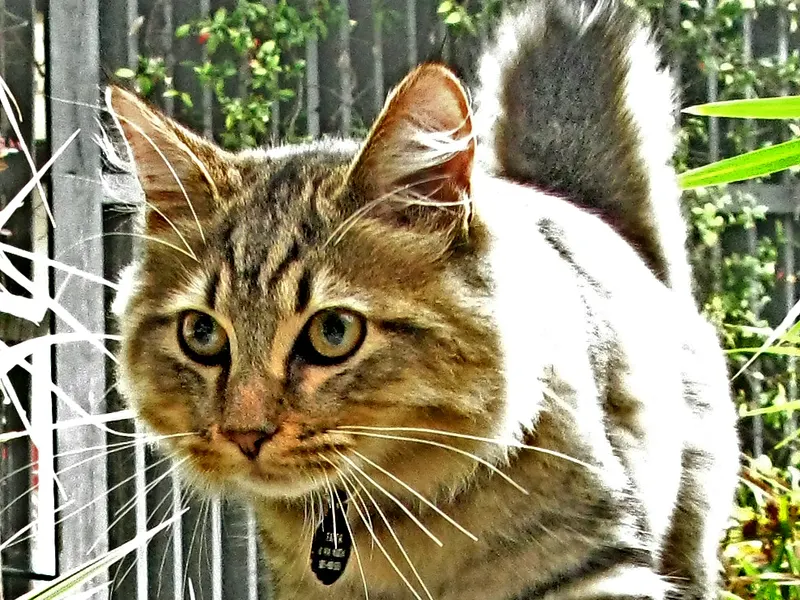
American Bobtail
Semi-cobby
7–16 lbs · 11–15 yrs
Birman
Semi-cobby
8–12 lbs · 12–16 yrs
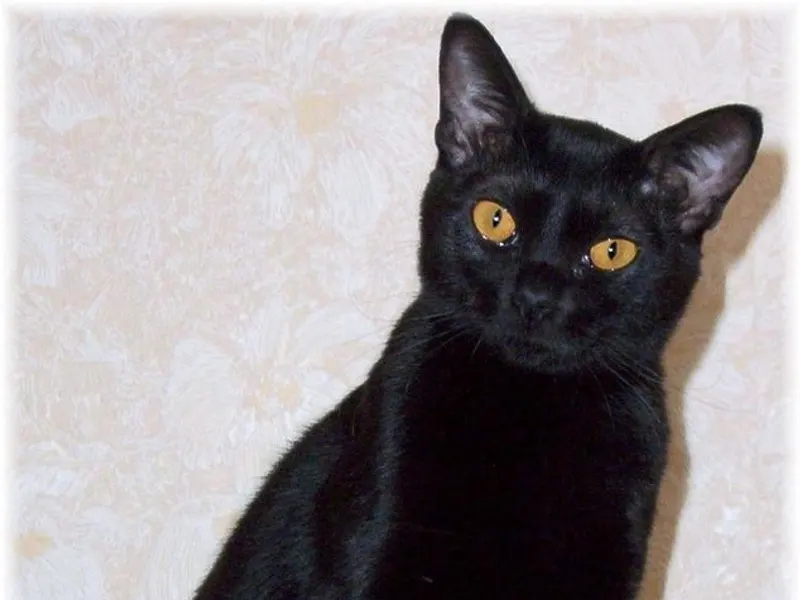
Bombay
Semi-cobby
6–11 lbs · 12–16 yrs
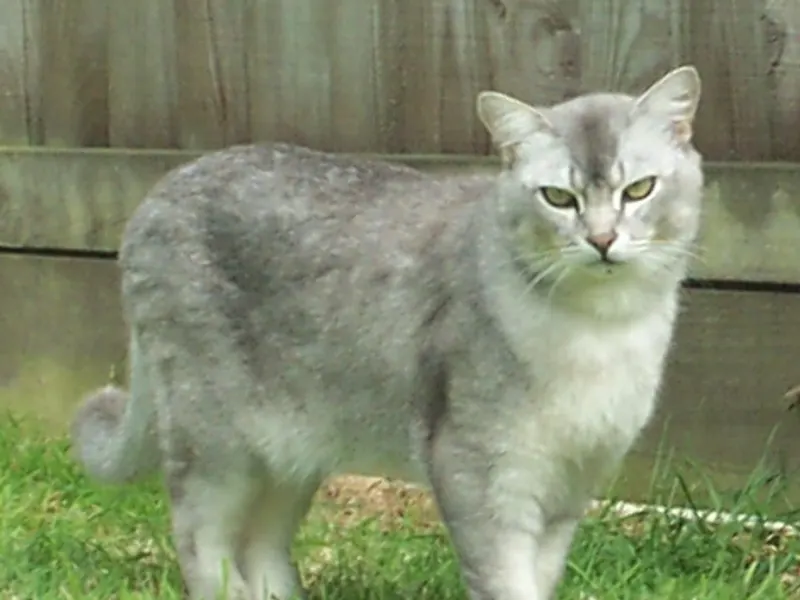
Burmilla
Semi-cobby
6–12 lbs · 10–15 yrs
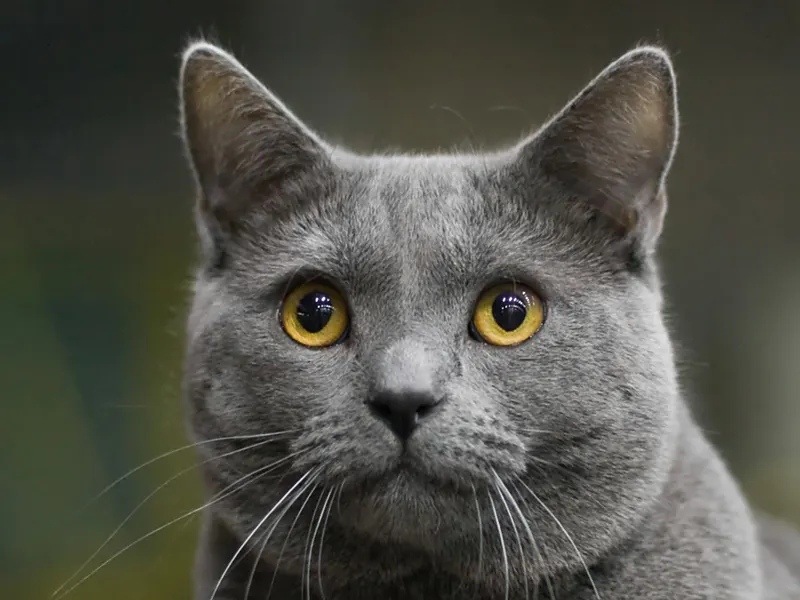
Chartreux
Semi-cobby
7–16 lbs · 12–15 yrs
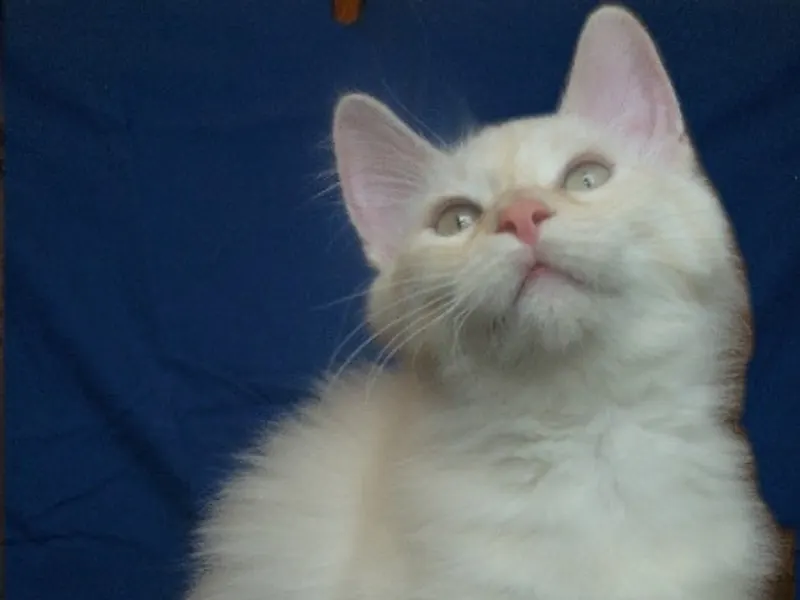
Munchkin
Semi-cobby
5–9 lbs · 12–15 yrs
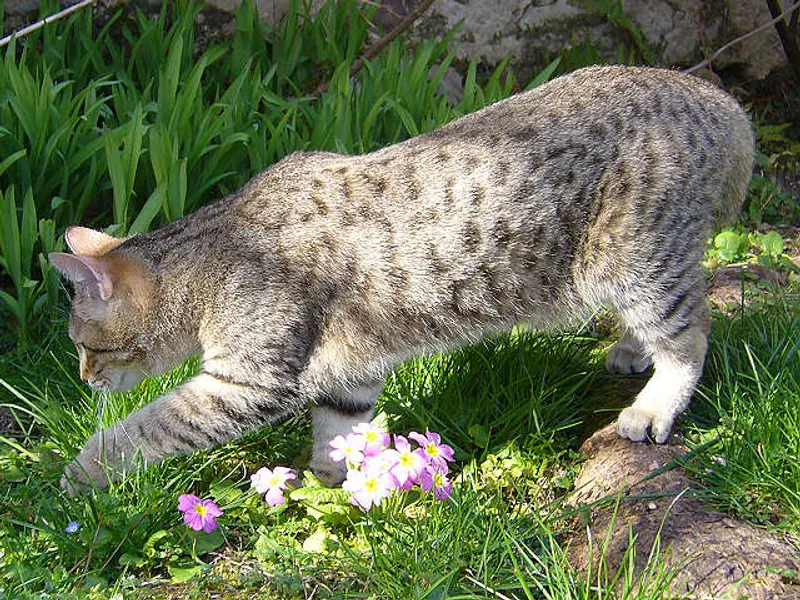
Pixie-bob
Semi-cobby
8–17 lbs · 13–16 yrs
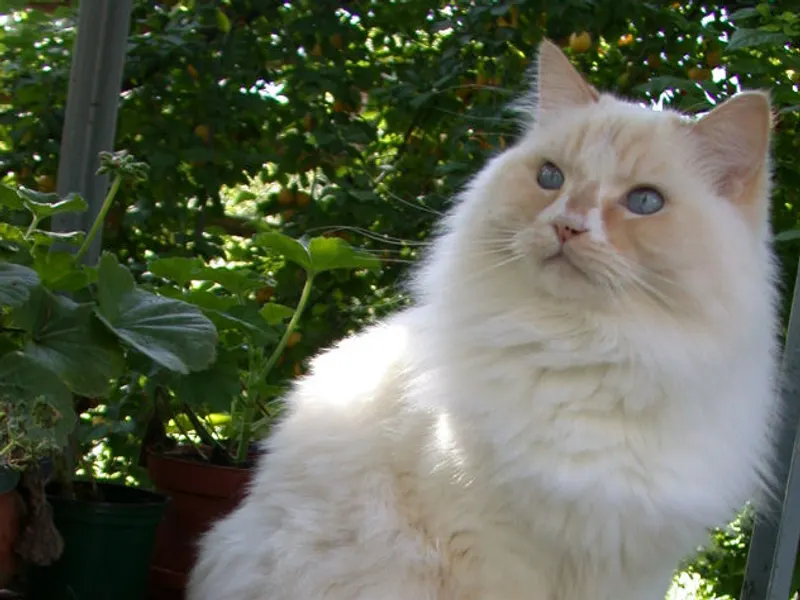
Ragamuffin
Semi-cobby
8–20 lbs · 12–16 yrs
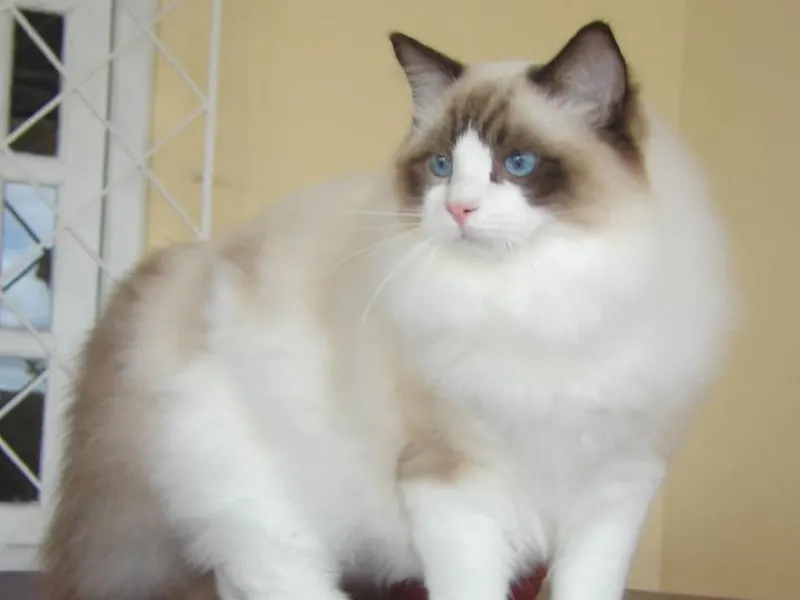
Ragdoll
Semi-cobby
10–20 lbs · 12–17 yrs
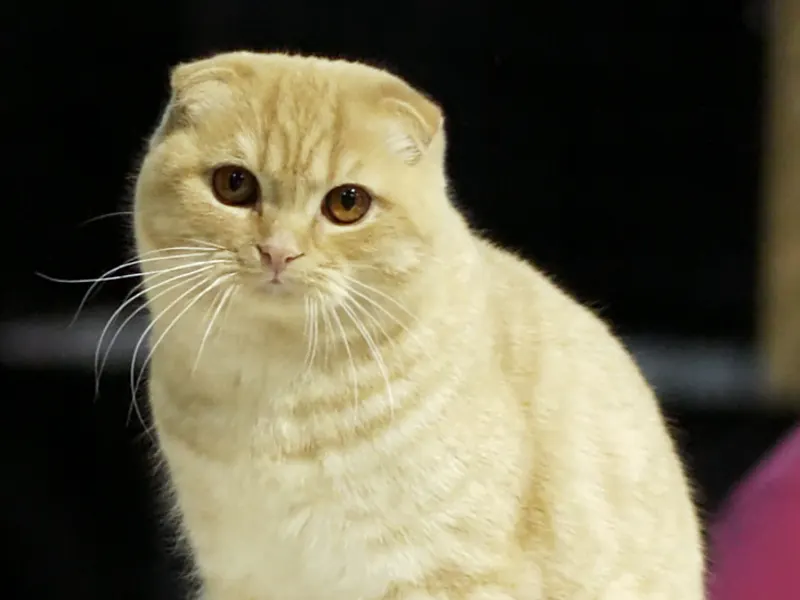
Scottish Fold
Semi-cobby
6–13 lbs · 11–15 yrs
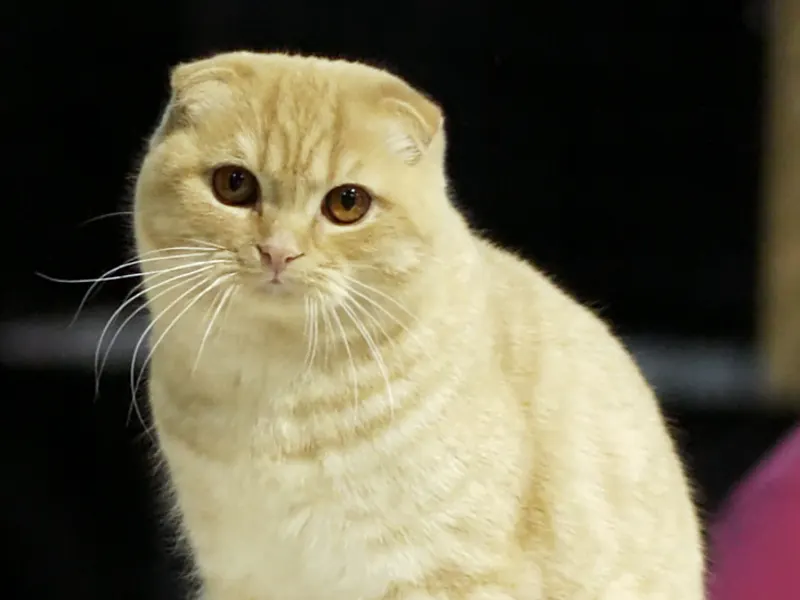
Scottish Straight
Semi-cobby
6–13 lbs · 11–15 yrs
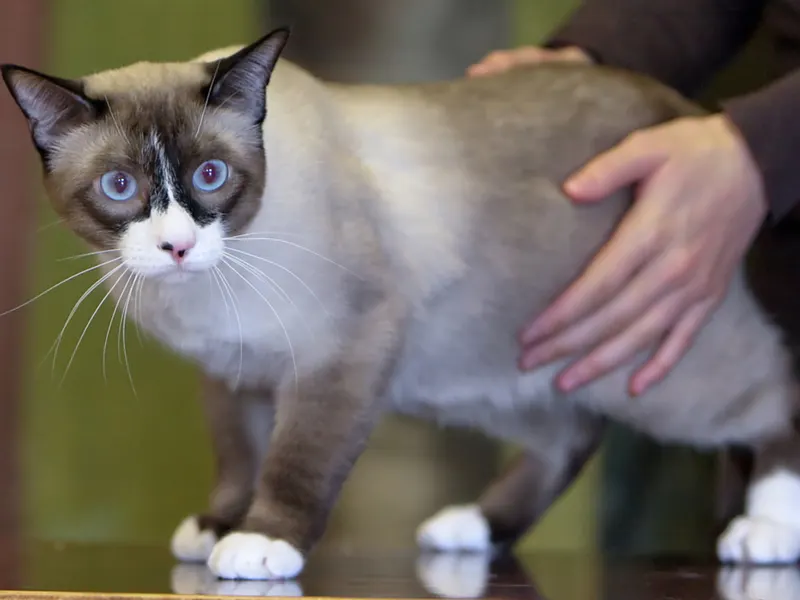
Snowshoe
Semi-cobby
7–12 lbs · 12–15 yrs
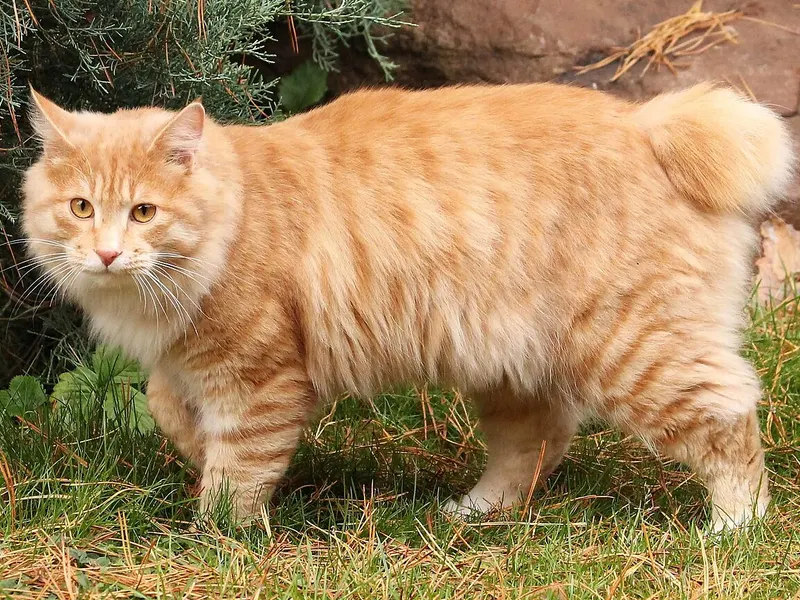
Kurilian Bobtail
Semi-cobby
7–15 lbs · 12–15 yrs
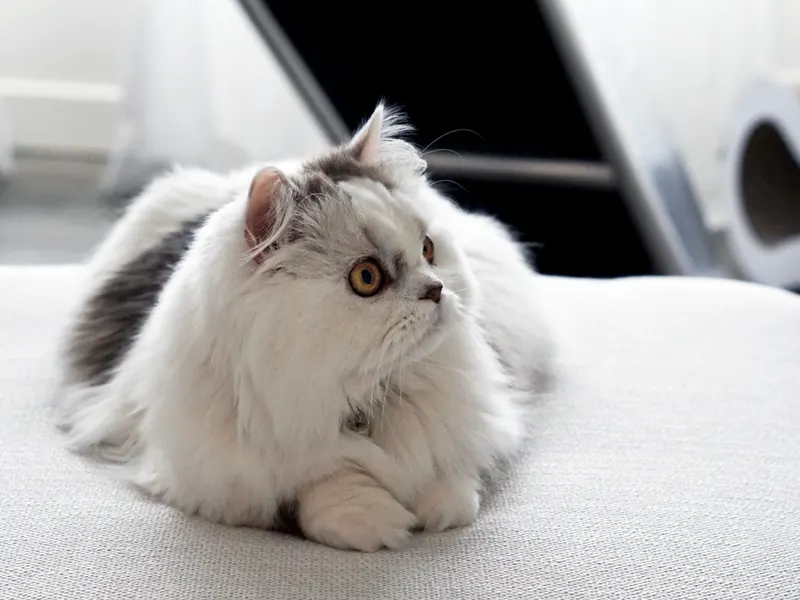
Napoleon (Minuet)
Semi-cobby
5–9 lbs · 12–14 yrs
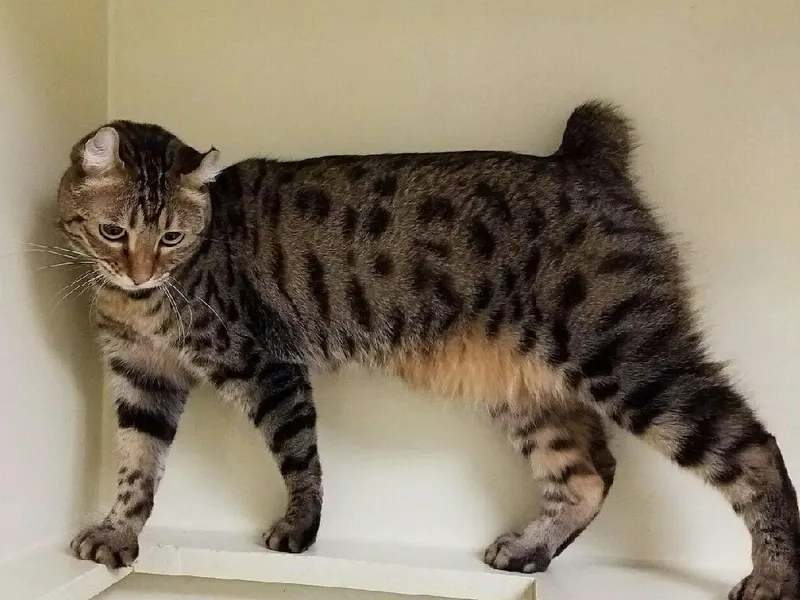
Highlander
Semi-cobby
10–20 lbs · 12–15 yrs