Most Vocal Cat Breeds
Vocal cat breeds sit at the opposite end of the same spectrum covered on this site's quietest-cats list, and understanding why certain breeds land here matters for setting accurate expectations rather than being caught off guard by a chatty cat's genuinely demanding communication style after adoption: vocal tendency in these breeds is a well-documented, heritable trait rather than something an owner can simply train away, since it traces to temperament and, in some breeds, specific lineage rather than incidental habit. The Siamese is the clearest and most extreme example on this list, and arguably the breed most responsible for the "talkative cat" reputation in popular culture generally: Siamese cats are widely documented, across breed-club descriptions and decades of consistent owner reporting, as unusually loud, frequent, almost conversational vocalizers, often described as demanding a kind of ongoing dialogue with their owner rather than occasional meowing for specific needs — a trait that traces to the breed's historical development and appears to be genuinely heritable, since related Oriental breeds sharing lineage with the Siamese tend to carry a similar, if sometimes slightly less extreme, vocal tendency. Bengals round out this list for a somewhat different reason worth distinguishing from the Siamese's conversational style: Bengal vocalization tends to be tied more directly to the breed's notably high energy and assertive, sometimes demanding personality — Bengals are documented as a genuinely active, engaged breed that vocalizes readily to express wants (play, attention, food) rather than simply "chatting," meaning a Bengal's vocalization often functions as a direct request rather than the more free-form conversational style associated with Siamese cats specifically. It's worth being honest that high vocalization is a genuine tradeoff rather than a flaw to be trained out, and prospective owners should weigh it seriously rather than assuming they can simply ignore or suppress it: these breeds are frequently among the most emotionally engaged, interactive, and — by most owner accounts — rewarding companions specifically because that vocal communication reflects a genuinely social, people-oriented temperament, and owners who actively enjoy a chatty, expressive companion tend to report high satisfaction with these breeds, while owners hoping for a quiet background presence often find the mismatch genuinely frustrating regardless of how much they otherwise like the breed's personality and looks. Living situation matters more for this list than almost any other trait category on this site: an apartment or shared-wall household should weigh vocal-breed adoption carefully against realistic neighbor tolerance, since a Siamese or Bengal's normal, breed-typical vocalization level can be genuinely disruptive in thin-walled housing even when the cat itself is perfectly happy and healthy. Breeds here qualify based on documented, consistent breed-club and owner-survey reporting of high vocalization frequency, and anyone drawn to this list should go in expecting a genuinely talkative companion as a defining, non-negotiable feature of the breed rather than a quirk that fades with maturity or training. Rounding out the chatty-breed picture: the Tonkinese, carrying much of its Siamese and Burmese parent breeds' vocal tendency into its own hybrid temperament; the Balinese, a long-haired relative of the Siamese, is documented as similarly talkative despite its different coat; and the Sphynx, alongside its documented affection-seeking behavior covered elsewhere on this site, is also frequently reported by owners as a notably vocal breed, often described as having a distinctive, somewhat raspy voice. For owners who love a vocal breed's personality but want to dial back excessive attention-seeking meowing specifically, one technique helps reliably: rewarding quiet moments deliberately (offering attention, treats, or play when the cat is calm and not vocalizing, rather than only responding once it starts meowing insistently) gradually shifts what behavior actually earns the cat attention, since a cat that learns loud vocalizing reliably summons a response will keep using that strategy, while a cat whose calm behavior gets rewarded just as consistently often moderates its baseline vocal insistence over time, even within a breed genetically inclined toward frequent talking. It's worth naming a genuinely positive framing for owners drawn to this list specifically: many owners of vocal breeds describe the constant "conversation" as one of the most rewarding parts of living with these cats, since the breed's vocal engagement often signals — and reinforces — an unusually communicative, interactive bond, meaning the same trait that risks becoming a noise concern in the wrong living situation can be a genuine relationship asset in a household actually built around and welcoming that level of engagement. Providing enough daily interactive engagement — play, conversation, physical affection — tends to channel a vocal breed's communicative energy toward positive interaction rather than the more insistent, demanding vocalizing that can develop when a naturally talkative cat feels genuinely under-engaged.
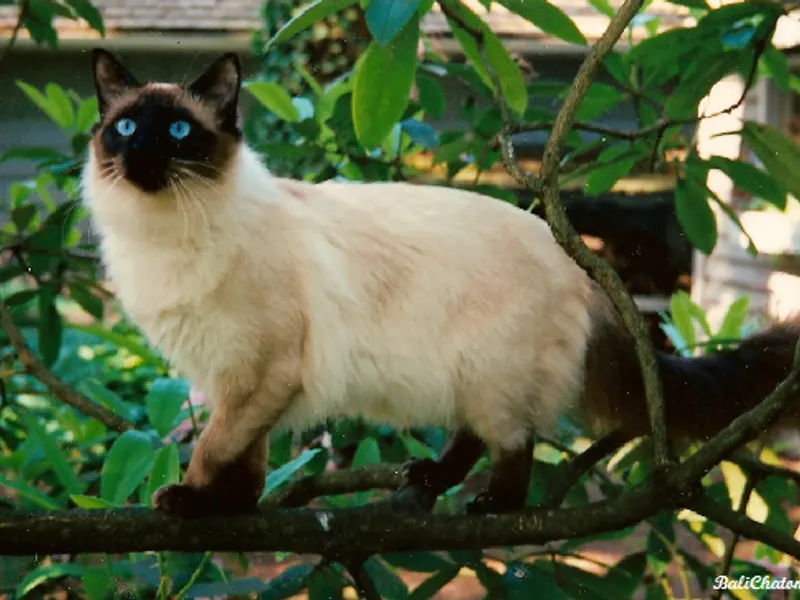
Balinese
Oriental
6–10 lbs · 12–18 yrs
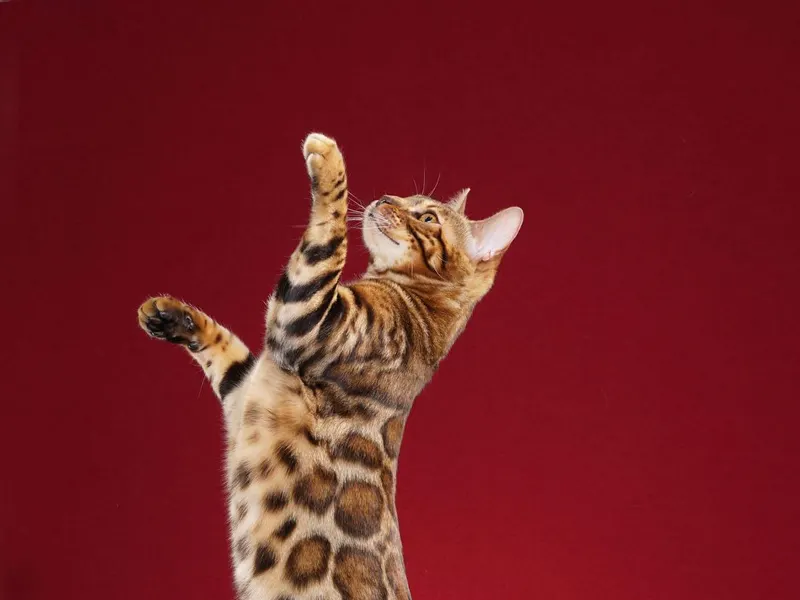
Bengal
Foreign
8–15 lbs · 12–16 yrs
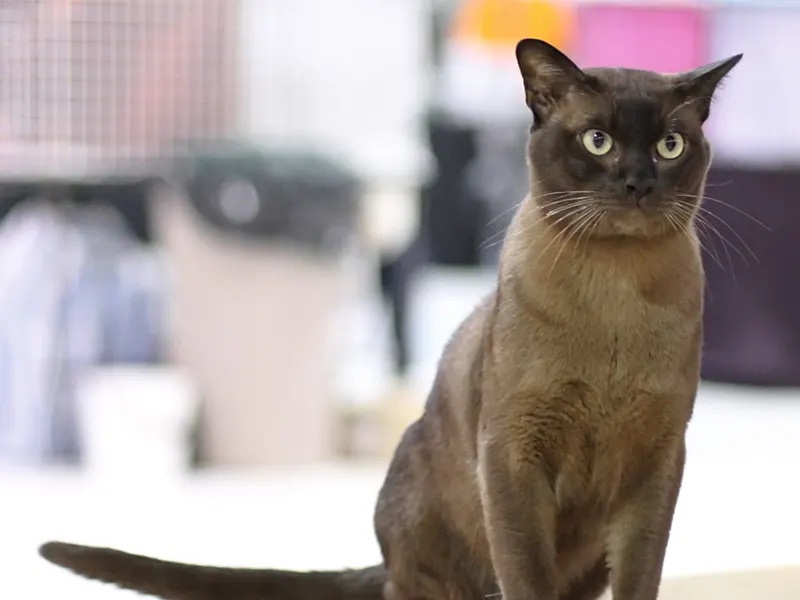
Burmese
Cobby
6–12 lbs · 10–16 yrs
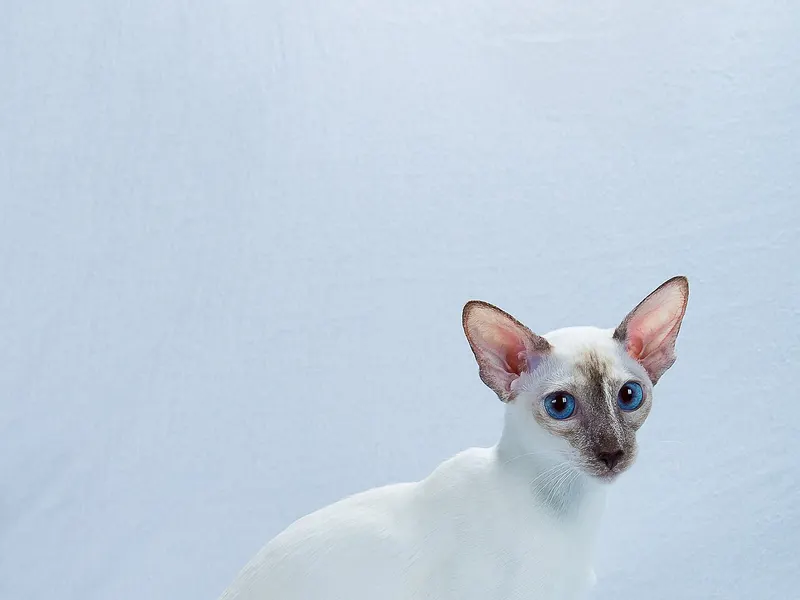
Colorpoint Shorthair
Oriental
6–10 lbs · 12–16 yrs
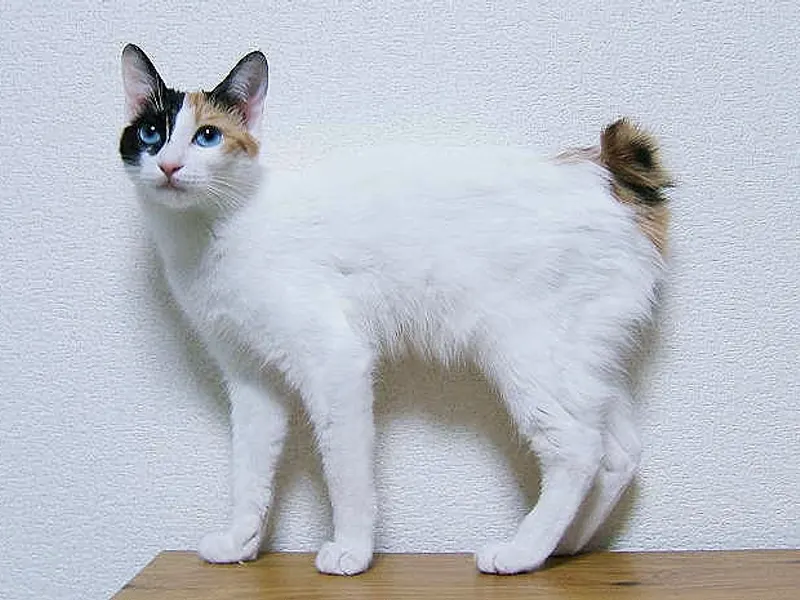
Japanese Bobtail
Semi-foreign
6–10 lbs · 12–16 yrs
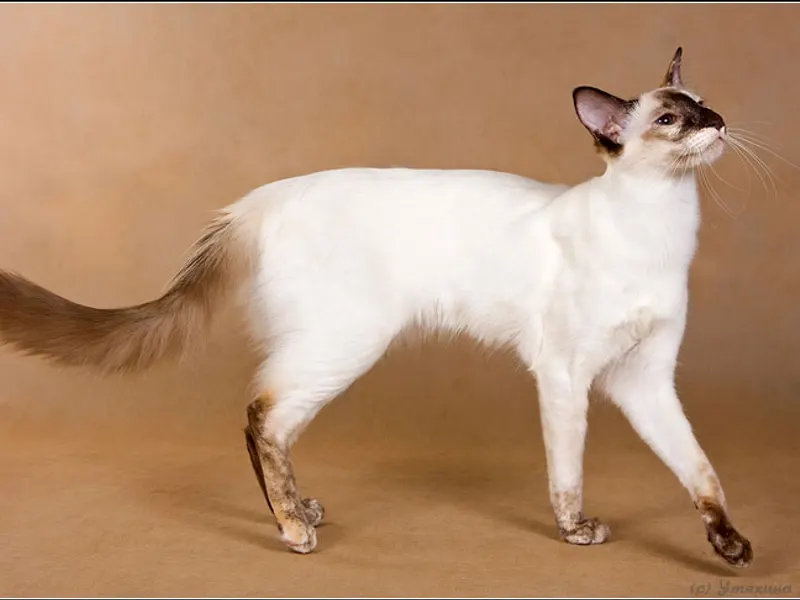
Javanese
Oriental
6–10 lbs · 12–18 yrs
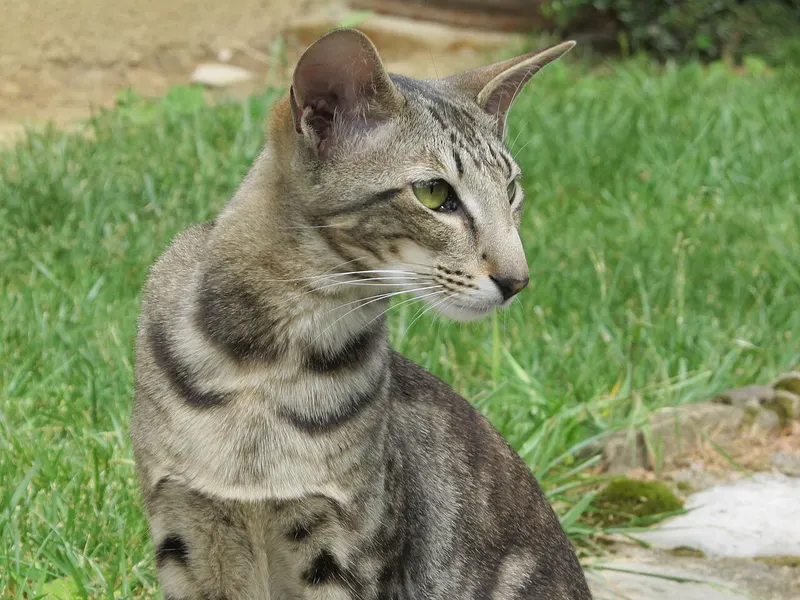
Oriental Shorthair
Oriental
6–10 lbs · 12–15 yrs
Oriental Longhair
Oriental
6–10 lbs · 12–15 yrs
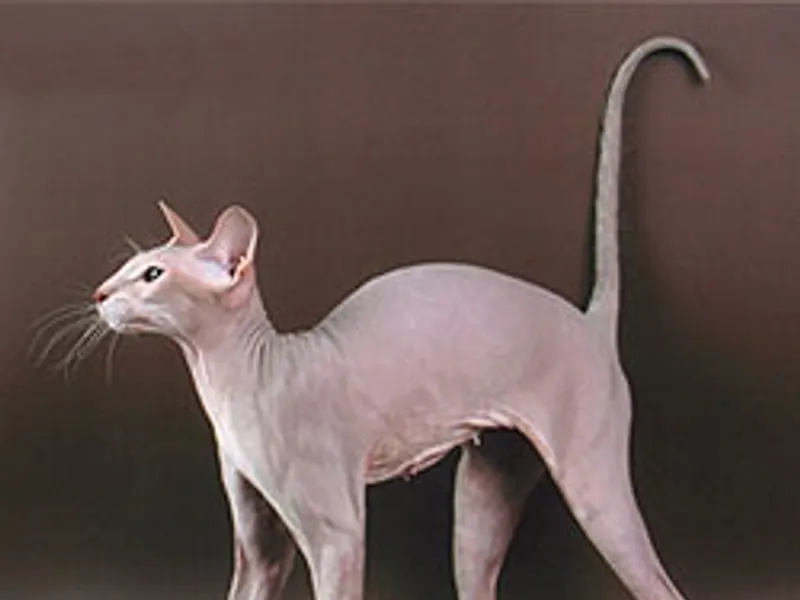
Peterbald
Rex
6–10 lbs · 12–15 yrs
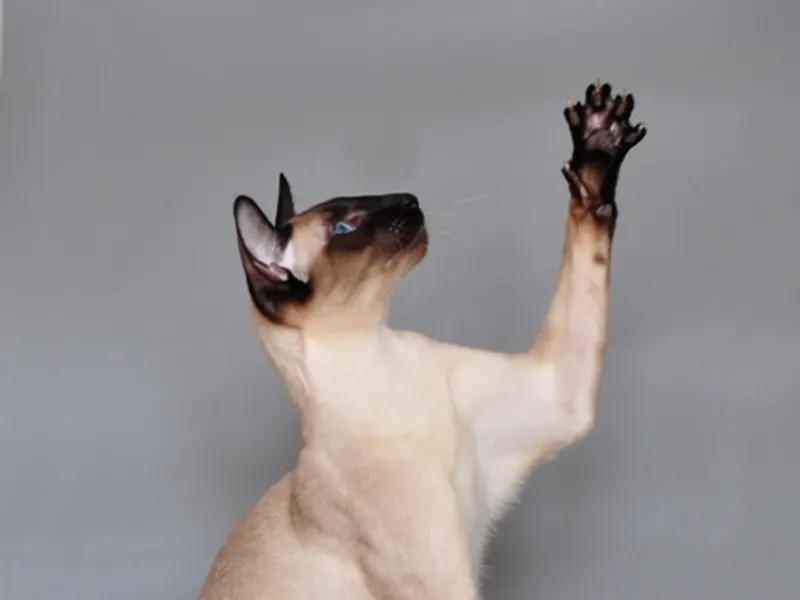
Siamese
Oriental
6–14 lbs · 12–20 yrs
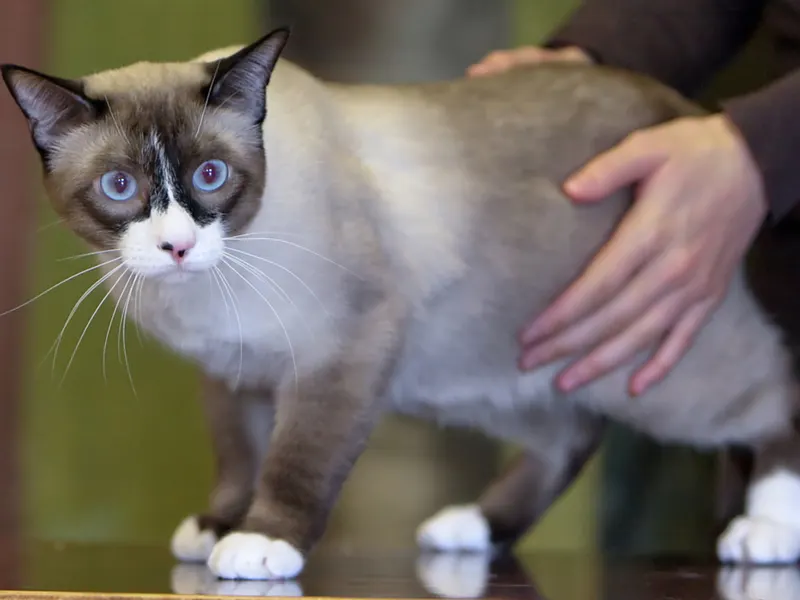
Snowshoe
Semi-cobby
7–12 lbs · 12–15 yrs
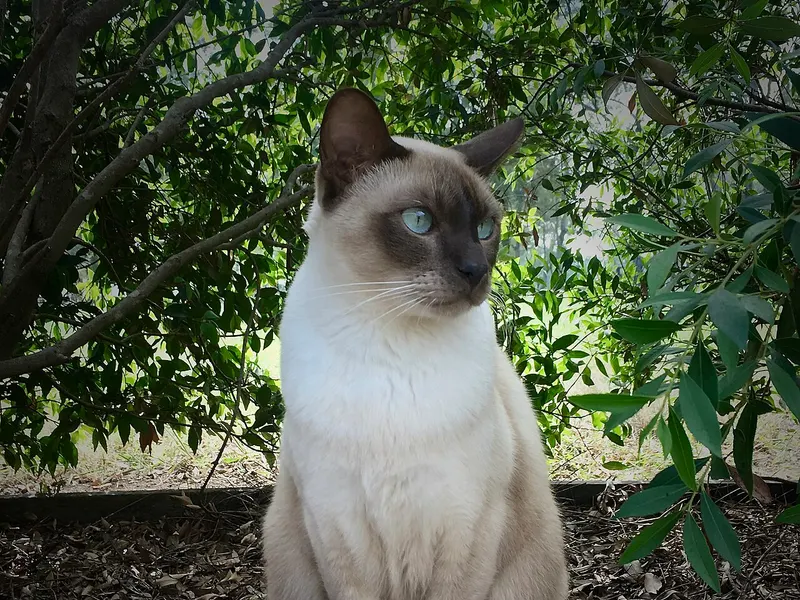
Tonkinese
Semi-foreign
6–12 lbs · 12–16 yrs
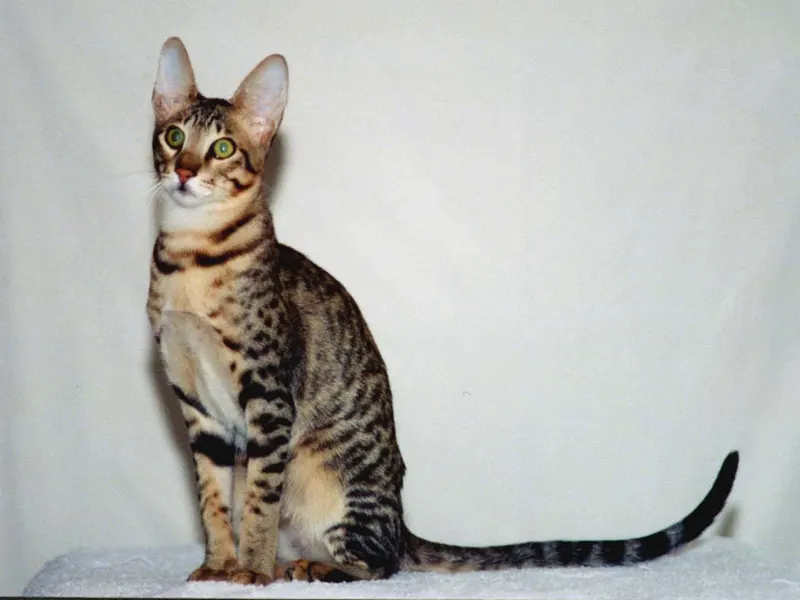
Serengeti
Foreign
8–15 lbs · 12–15 yrs