Large Cat Breeds
11 breeds in this group.
Large cat breeds — generally those regularly exceeding 12 to 13 pounds at maturity, with some individual males in the largest breeds documented well past 20 pounds — represent a genuine minority within the domestic cat world, and unlike the large end of the dog size spectrum, which spans dozens of breeds bred deliberately for size across multiple working traditions, most large cat breeds trace their size to one of two distinct sources: cold-climate landrace adaptation or deliberate crossing with a wild feline species, two genuinely different paths worth distinguishing clearly rather than lumping together under "big cat" branding. The cold-climate landrace breeds — Maine Coon, Norwegian Forest Cat, Siberian — are discussed at length on this site's Long and Substantial body-type hub, and their size reflects generations of natural selection favoring larger, more heavily insulated cats able to survive harsh northern winters as working farm and barn cats, a genuinely functional origin distinct from any deliberate show-ring size breeding program. The Maine Coon in particular is frequently cited as the largest generally recognized domestic breed, and its size is paired with an unusually slow maturation timeline — many individuals of the breed keep filling out well past their second birthday, often not settling into final adult proportions for another year or two beyond that, so a two-year-old shouldn't be mistaken for its eventual full-grown size. The wild-hybrid breeds in this bracket — Savannah, Chausie, and to a lesser extent the Bengal (which, depending on generation, ranges from genuinely large in early crosses to closer to medium size in later, more fully domesticated generations) — achieve their size through deliberate crossing with a wild feline species considerably larger than a typical domestic cat: the African serval for the Savannah, the jungle cat for the Chausie. The Savannah in particular is commonly the largest of the wild-hybrid breeds given the serval's own substantial size relative to the Asian leopard cat crossed into the Bengal, and early-generation Savannahs (F1 and F2, meaning one or two generations removed from the serval parent) can retain both a meaningfully larger frame and more wild-cat-typical behavior and exercise needs than later generations, alongside the same legal ownership restrictions in several U.S. states documented on this site's Foreign body-type hub — a genuinely important practical consideration for anyone drawn to this bracket specifically for the largest, most striking-looking cats. The Ragdoll and RagaMuffin round out this bracket without either cold-climate or wild-hybrid ancestry behind their size — both were bred deliberately in twentieth-century America for a large, substantial frame paired with a notably placid, easygoing temperament, and male Ragdolls in particular commonly reach 15 to 20 pounds, among the heaviest weights documented for any non-hybrid domestic breed, achieved through straightforward selective breeding for size and calm disposition rather than through any wild ancestry or cold-climate functional adaptation. The Highlander and Pixie-Bob, both developed to evoke a wildcat-like bobtailed appearance despite lacking genuine wild ancestry (the Pixie-Bob's early marketing claims of bobcat lineage have not held up under genetic testing), also land toward the larger end of the domestic size range, contributing to their intentionally wild, substantial look through selective breeding of purely domestic stock. Because this bracket splits so clearly between functional cold-climate landraces and deliberate wild-hybrid or size-selected breeding programs, prospective owners should weigh the two paths very differently: the landrace breeds generally carry a well-documented, decades-deep health and temperament track record with no unusual legal considerations, while the wild-hybrid breeds require real homework on state and local ownership laws, generation number, and realistic behavioral expectations before committing, since a large, striking-looking cat with recent wild ancestry is a genuinely different day-to-day commitment than an equally large but purely domestic Maine Coon or Ragdoll, however similar the two might look side by side in a photo. Because large cat breeds cost meaningfully more to keep than an average-sized cat in several concrete ways, it's worth naming those costs directly rather than assuming "cat-sized" expenses apply uniformly regardless of breed. Food costs scale with body mass just as they do in dogs, though less dramatically given the smaller overall size range in cats; a Maine Coon or Ragdoll eating proportionally more than an average domestic cat adds up over years of ownership. Litter box, scratching post, and cat tree sizing matters more here than for an average cat, since standard-sized equipment can feel genuinely cramped for a 15-to-20-pound Ragdoll or Maine Coon, and owners of these breeds commonly invest in oversized or reinforced furniture and litter boxes specifically sized for a larger cat's comfort and to prevent equipment failure under the extra weight. Veterinary considerations also shift somewhat with size, particularly for the cold-climate landrace breeds. Hypertrophic cardiomyopathy, discussed on this site's Long and Substantial body-type hub, is documented at elevated rates specifically in Maine Coons, and genetic screening for the responsible gene mutation is now standard practice among reputable breeders. Hip dysplasia, while rare in cats generally, shows up at higher-than-average rates in the largest, heaviest breeds given the same mechanical-load logic that applies to large dog breeds, making weight management over a cat's lifetime a genuinely more consequential factor in this bracket than in the smaller size categories. For the wild-hybrid breeds specifically, size and legal restriction are closely linked in a way worth reiterating directly in this context: a larger, more visually striking early-generation Savannah or Bengal is often exactly the individual most restricted or banned under state and local exotic-hybrid ownership laws, since regulations frequently key off generation number, which correlates loosely with both size and retained wild-cat behavioral traits — meaning the largest, most dramatic-looking cats within these hybrid breeds are also, in many jurisdictions, the hardest to legally own, a genuine tension for anyone drawn to this bracket specifically for its most striking, largest individual cats. Kitten-to-adult size prediction deserves a direct practical note for this bracket specifically, since a large-breed kitten can look deceptively similar to an average kitten for its first several months, and requesting the documented adult weights of both a kitten's parents typically predicts that individual kitten's eventual size far better than judging from its appearance alone at eight or twelve weeks old. Health insurance premiums for the largest cat breeds, particularly the wild-hybrid breeds and the cold-climate landrace breeds with documented cardiac risk, sometimes run modestly higher than for an average domestic cat given the specific, named conditions insurers track for these breeds, a detail worth factoring into total cost-of-ownership planning alongside the food, litter, and equipment costs already discussed. Furniture and home setup for the largest breeds in this bracket deserves the same practical planning discussed for large dog breeds elsewhere on this site — reinforced cat trees, wider litter boxes, and sturdier scratching posts sized specifically for a 15-to-20-pound cat rather than an average-sized one make a genuine, if easy-to-overlook, difference in daily comfort and equipment longevity for both the Ragdoll and Maine Coon end of this bracket. A handful of unofficial "world's largest cat" title claims circulate periodically in general media coverage, nearly always involving an individual Maine Coon, though these informal records aren't maintained by any single governing body and should be read as interesting anecdotes about individual cats rather than as representative breed-average figures. Genuine breed-average weight ranges, published by CFA and TICA breed standards documents, offer a considerably more reliable picture of what a typical large-bracket cat actually weighs than any individual record-setting cat's widely shared photo, and prospective owners are better served consulting those official standard ranges directly than extrapolating expectations from viral media coverage of a single unusually large individual animal, however impressive that particular cat's size might genuinely be. Because several breeds in this bracket carry either cold-climate landrace ancestry or recent wild-hybrid heritage, it's worth treating this size category as a genuine crossroads between two very different kinds of "large cat" appeal — the cozy, substantial companion look of a Maine Coon or Ragdoll, and the striking, exotic appearance of a Bengal or Savannah — and being honest with oneself about which appeal is actually driving the search before diving into breeder research, since the practical ownership considerations for each path diverge considerably despite both landing a prospective owner in the same size bracket. Community and breed-club support also differs meaningfully between the two paths: landrace-breed owners can generally tap into decades-old, well-established national breed clubs, while wild-hybrid breed owners often rely more heavily on newer, smaller specialist communities and forums built specifically around navigating the generation-number and legal-restriction questions unique to that side of the bracket. Because kittens of these breeds are typically sold well before reaching anything close to adult size, reputable breeders generally provide realistic adult-weight expectations in writing as part of the sale, and a buyer should treat the absence of that information as a reasonable prompt to ask directly rather than assume any given kitten will simply "grow into" the breed's largest documented individuals. Because breed standards for this bracket's largest members continue to be periodically revised by CFA and TICA committees, checking a current published standard directly, rather than relying on older secondhand summaries, remains the most reliable way to confirm exactly what an official large-breed weight range looks like today. A large-breed kitten still growing into its eventual frame often shows notably oversized paws relative to its current body size, a visual cue some breeders point to informally as an early hint of eventual adult scale.
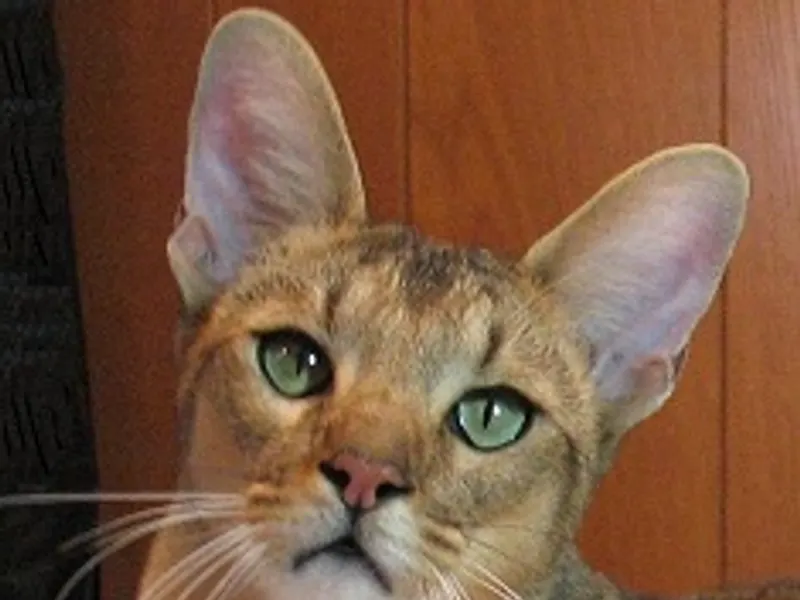
Chausie
Foreign
15–25 lbs · 12–15 yrs
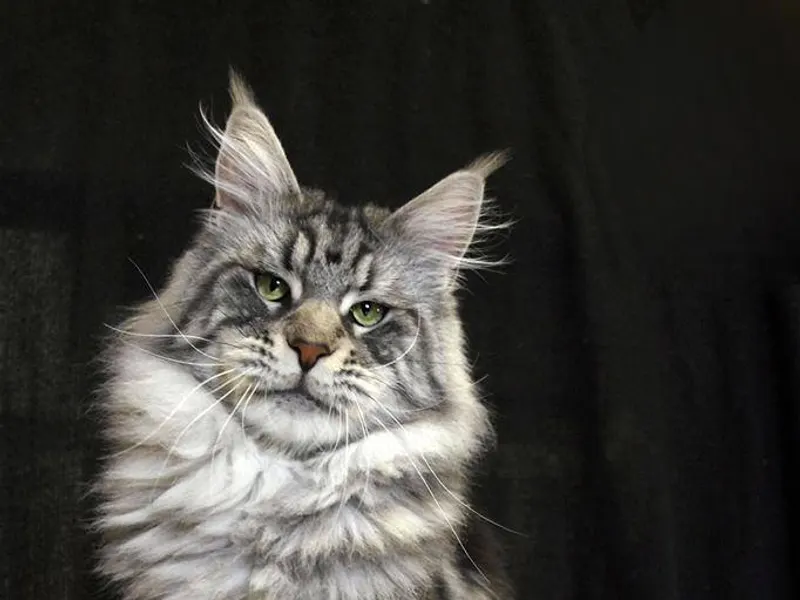
Maine Coon
Long & Substantial
10–25 lbs · 12–15 yrs
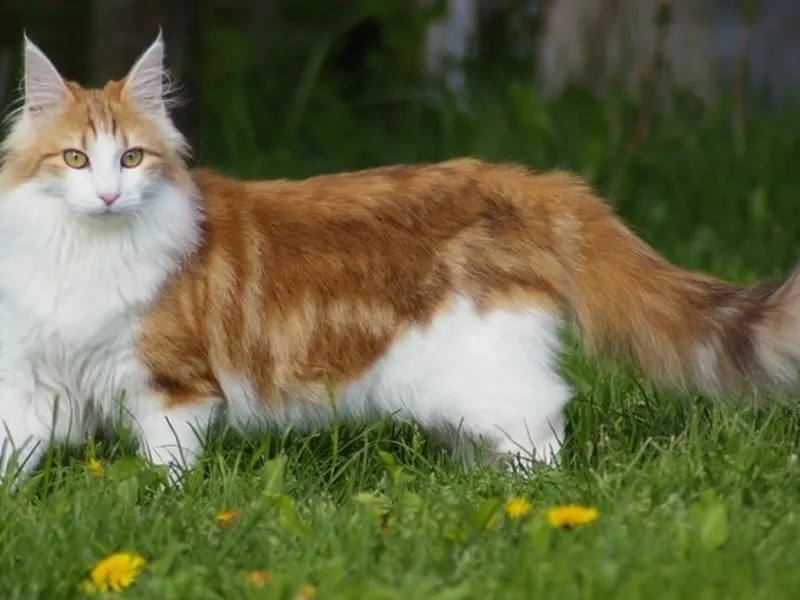
Norwegian Forest Cat
Long & Substantial
10–22 lbs · 14–16 yrs
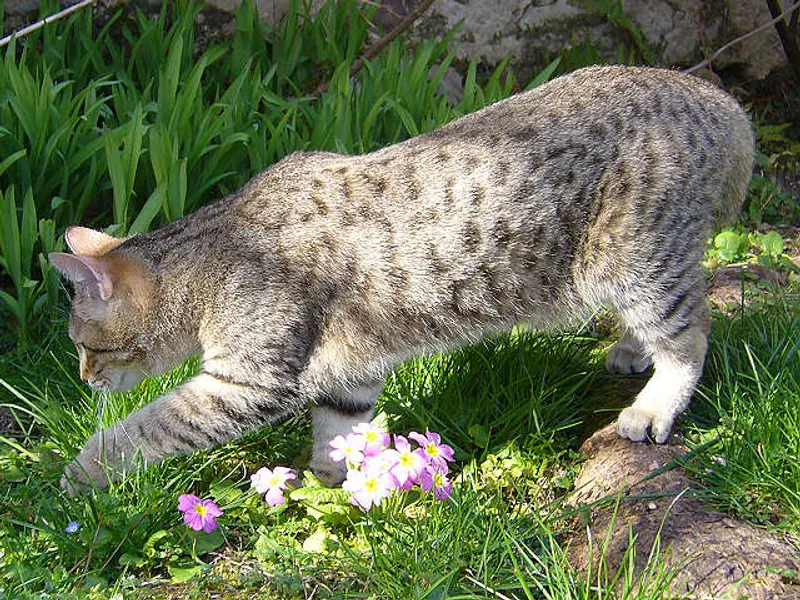
Pixie-bob
Semi-cobby
8–17 lbs · 13–16 yrs
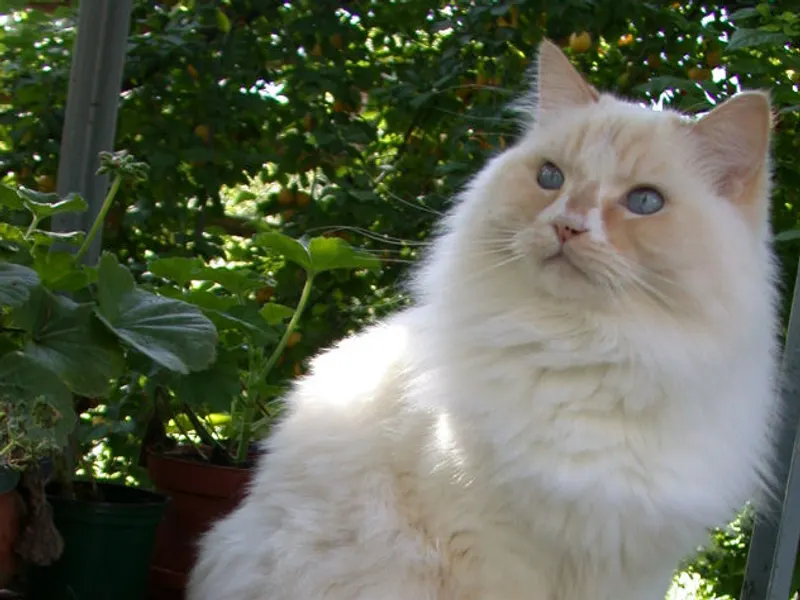
Ragamuffin
Semi-cobby
8–20 lbs · 12–16 yrs
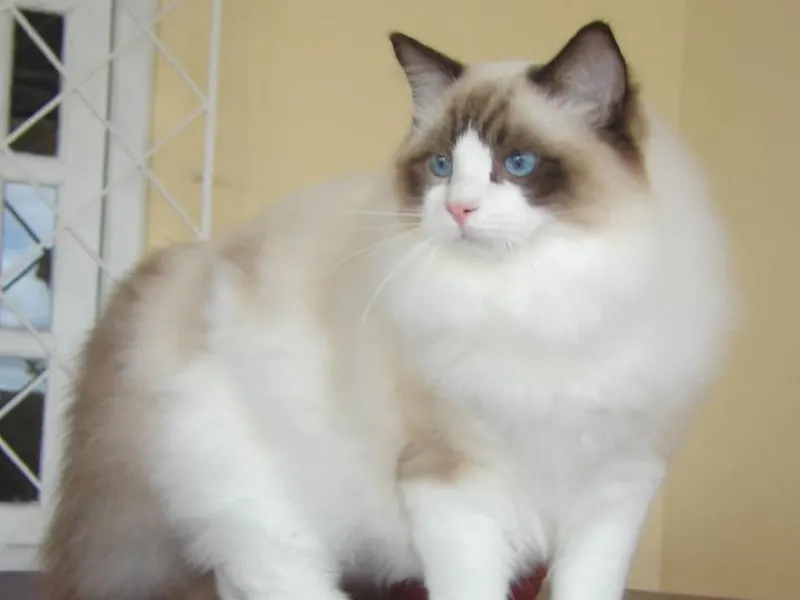
Ragdoll
Semi-cobby
10–20 lbs · 12–17 yrs
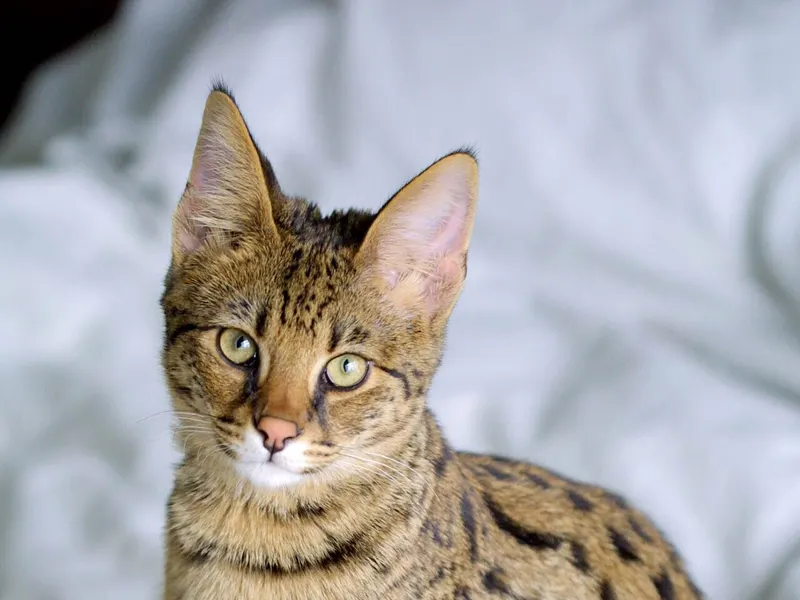
Savannah
Foreign
12–25 lbs · 12–20 yrs
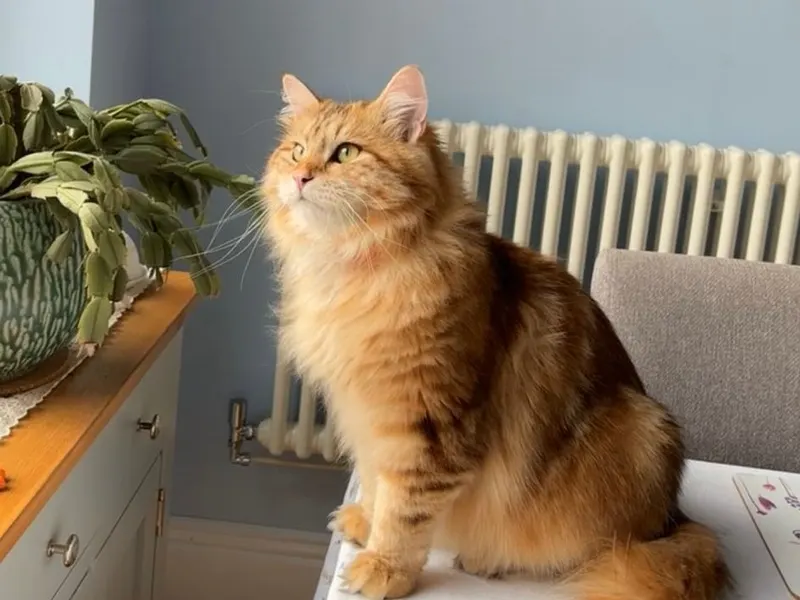
Siberian
Long & Substantial
8–17 lbs · 11–18 yrs
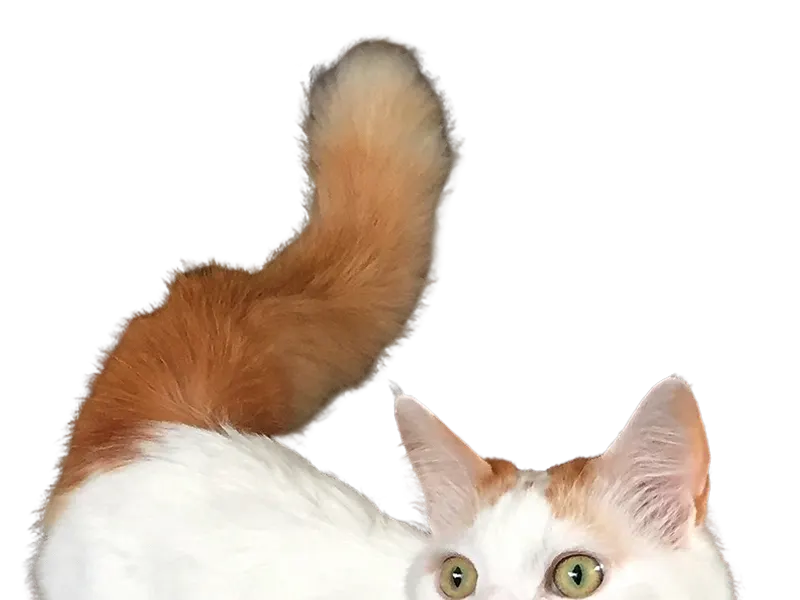
Turkish Van
Semi-foreign
7–19 lbs · 12–17 yrs
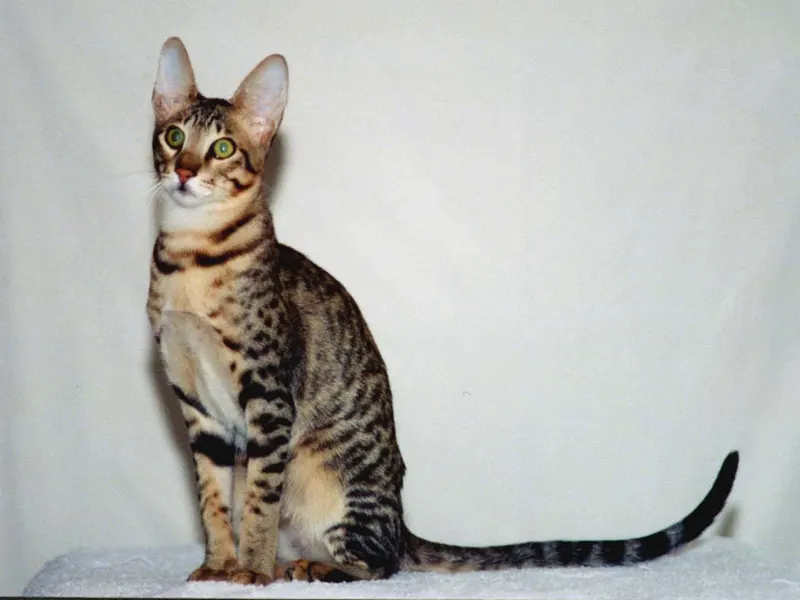
Serengeti
Foreign
8–15 lbs · 12–15 yrs
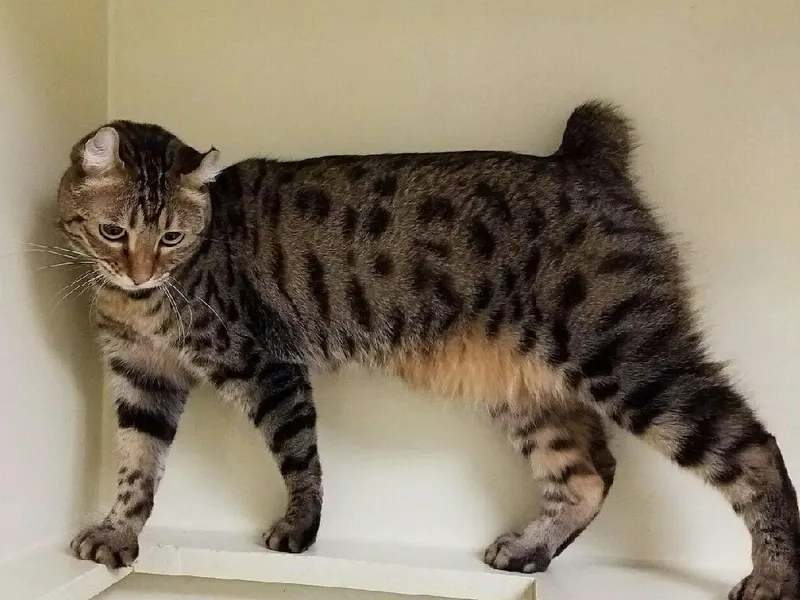
Highlander
Semi-cobby
10–20 lbs · 12–15 yrs