Cobby Cats
11 breeds in this group.
Cobby is the cat fancy's term for the most compact, rounded body type in the domestic cat world: a short, broad torso set on short, thick legs, a round head, and a short, thick tail, the physical opposite of the lean, elongated foreign and Oriental builds. It's the body type most people picture when they imagine a "classic" fluffy show cat, largely because its most famous member, the Persian, has been one of the most consistently popular pedigreed breeds for well over a century and has shaped a lot of the general public's mental image of what a purebred cat looks like. The Persian's documented history in the West stretches back to the seventeenth century, when long-haired cats were reportedly brought to Italy from Persia (modern Iran) and to France from Turkey around the same period, though the extremely flat-faced, "peke-faced" Persian familiar today is a substantially more recent development — twentieth-century breeders progressively selected for a shorter, flatter muzzle than the original imported cats had, and the modern extreme-type Persian's face is dramatically different from photographs of early-1900s show Persians, which had noticeably longer noses. That flattening carries real, well-documented welfare costs: brachycephalic Persians commonly experience chronic tear-duct blockage requiring regular facial cleaning, breathing difficulty, and dental crowding, and a meaningful portion of the modern breeding community, along with several veterinary organizations, has pushed in recent years for a return toward the more moderate "doll-face" or traditional Persian type, which retains the breed's plush coat and cobby body without the most extreme facial flattening. The British Shorthair and its long-haired counterpart, the British Longhair, developed from ordinary domestic cats brought to Britain by Roman occupiers roughly two thousand years ago and refined into a distinct show breed starting in the Victorian era — it's often cited as one of the oldest identifiable English cat breeds, prized in its modern form for a dense, plush "teddy bear" coat texture and calm, undemanding temperament that's made it consistently popular as a low-maintenance companion breed relative to its cobby cousin the Persian, since the British Shorthair's coat, while dense, doesn't mat as readily or require the daily grooming a Persian's longer coat demands. The Exotic Shorthair is essentially a short-haired Persian, created deliberately in the mid-twentieth century by crossing Persians with American Shorthairs to bring a shorter, lower-maintenance coat onto the same cobby body and flat face, and it inherits the same brachycephalic health considerations as the Persian despite the coat difference. The Manx brings a genuinely distinct genetic story tied to its geographic isolation on the Isle of Man: its taillessness results from a dominant mutation affecting spinal development, and — similar to the concern with the Scottish Fold gene — breeding two tailless Manx together is associated with a higher rate of serious spinal defects in kittens, which is why responsible breeding programs pair tailless cats with "stumpy" or fully tailed Manx from the same gene pool rather than tailless-to-tailless. The Cymric is simply the long-haired variant of the same Manx breed and gene pool, carrying identical considerations. The Himalayan (in some registries classified as a Persian color-point division rather than a fully separate breed) was created by crossing Persian and Siamese specifically to bring the Siamese's color-point pattern onto a Persian's cobby body and coat, another deliberate mid-twentieth-century cross rather than a naturally occurring type. The American Shorthair and American Wirehair round out the category with a more working-cat origin than the deliberately bred show types above: the American Shorthair descends from ordinary domestic cats brought to North America by early European settlers, valued and bred for generations primarily as practical mousers and farm cats rather than for a specific extreme look, and only formalized into a distinct show standard in the early twentieth century — its build is genuinely more moderate than the extreme-type Persian, closer to a naturally occurring, health-favorable cobby proportion. The American Wirehair is a spontaneous mutation breed, tracing to a single kitten born on a farm in upstate New York in 1966 with an unusually crimped, wiry coat texture, since bred selectively to maintain that texture. The Burmese and Selkirk Rex (the latter, despite the "rex" name shared with the true short-coated rex breeds elsewhere in the fancy, carries a curly coat mutation on a cobby rather than a slender body, distinguishing it from the Cornish and Devon Rex) fill out a category where, taken together, the recurring theme is real: cobby's rounded compactness reads as cozy and appealing, but several of its most extreme expressions — the flattest Persian faces, tailless-to-tailless Manx breeding — carry genuine, documented welfare tradeoffs worth understanding honestly before choosing a breed on looks alone. Because several breeds in this category carry documented brachycephalic or spinal health considerations, it's worth spelling out what responsible buyers and breeders should look for. For the Persian and Exotic Shorthair, the "traditional" or "doll-face" type — retaining a moderate nose length rather than the extremely flattened modern show standard — is increasingly available from breeders specifically prioritizing function and breathing ease alongside appearance, and several veterinary and welfare organizations have publicly encouraged this shift; a prospective Persian owner concerned about brachycephalic health issues can specifically seek out breeders working with this more moderate type. For the Manx and Cymric, responsible breeding pairs a tailless cat with a tailed or "stumpy" littermate from the same lines rather than tailless-to-tailless, mirroring the same genetic-safety logic applied to the Scottish Fold elsewhere in the fancy, since the tailless gene is similarly linked to a higher rate of serious spinal defects when inherited from both parents. Grooming demands vary considerably within this seemingly uniform "compact" category. The Persian's extremely long, dense coat needs daily brushing without exception to prevent painful matting, plus regular facial cleaning around the tear ducts given the breed's flattened face. The British Shorthair and American Shorthair, despite sharing the cobby body type, carry a much more manageable dense-but-short coat needing only weekly brushing, making them genuinely lower-maintenance choices for anyone drawn to the cobby silhouette without wanting the Persian's grooming commitment. The Exotic Shorthair was created explicitly to split this difference — the Persian's face and body on a much shorter, Persian-times-American-Shorthair coat — though it still requires more frequent brushing than a true shorthair given the coat's plush density. Temperamentally, cobby breeds as a group lean toward calm, undemanding companionship more consistently than almost any other body-type category on this site, a pattern plausible given how many of these breeds were developed specifically as quiet indoor or lap companions (Persian, Himalayan) or as low-key farm and household cats bred more for practicality than for an extreme, high-energy show presence (British Shorthair, American Shorthair, Chartreux). This makes the category a reasonable starting point for households specifically seeking a lower-activity, undemanding cat, provided the buyer weighs each breed's specific coat-care or genetic-health considerations honestly against that appeal rather than choosing purely on looks. Breed clubs specific to the Persian and its related types have become an increasingly useful resource for prospective owners trying to navigate the traditional-versus-extreme-type divide discussed above, often maintaining breeder directories that specifically flag which lines prioritize the more moderate facial structure, a genuinely useful starting point for anyone wanting the cobby Persian look without the most pronounced brachycephalic health tradeoffs. International variation in breed standards is worth a direct mention for the Persian specifically, since European and British standards for the breed have generally trended toward retaining a more moderate face than some American show lines, meaning a Persian imported from certain European breeding programs may show a noticeably less extreme facial structure than one bred purely to the most competitive American show standard, a genuinely useful data point for anyone specifically seeking the more traditional type discussed earlier. Historical photographs and early breed-club records remain a genuinely useful resource for anyone specifically interested in how dramatically the Persian's standard has shifted over the past century, and several breed-history archives maintained by long-running cat clubs make earlier-twentieth-century show photographs publicly available, offering a clear visual record of the moderate-to-extreme drift discussed above for anyone wanting to see the change firsthand rather than take it purely on description. Cat show judging standards for cobby breeds typically evaluate the ratio of body length to leg length quite precisely, with judges trained to assess proportion against a detailed written standard rather than relying on general visual impression alone, a level of technical precision worth knowing about for anyone considering showing a cobby breed competitively. Judges also typically assess head shape, ear set, and eye placement against the same detailed written standard, meaning a show-quality cobby cat is being evaluated against dozens of specific measurable criteria rather than a single impressionistic sense of "roundness" alone. The word "Persian" itself reflects the breed's presumed geographic origin in historical Persia, though, similar to several other breed names discussed across this site, the modern breed's actual development happened substantially later and in different countries than the name alone might suggest, with much of the defining nineteenth- and twentieth-century refinement occurring in Britain and later America rather than in the Middle East. Because the cobby body type has remained a consistently popular show and pet aesthetic for well over a century, several long-established specialty publications and breed-history archives focused specifically on Persians and related cobby breeds exist, offering considerably deeper historical documentation than is typically available for many of the more recently developed breeds discussed elsewhere on this site.
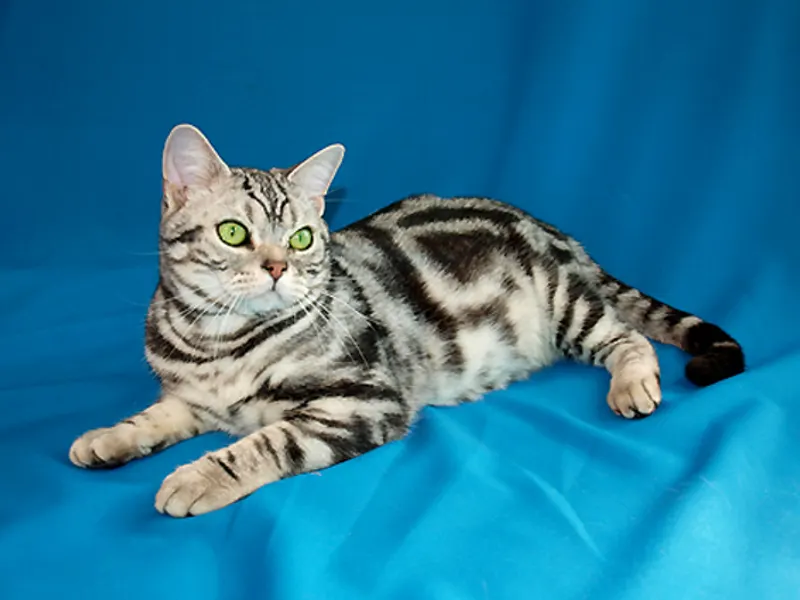
American Shorthair
Cobby
8–15 lbs · 15–20 yrs
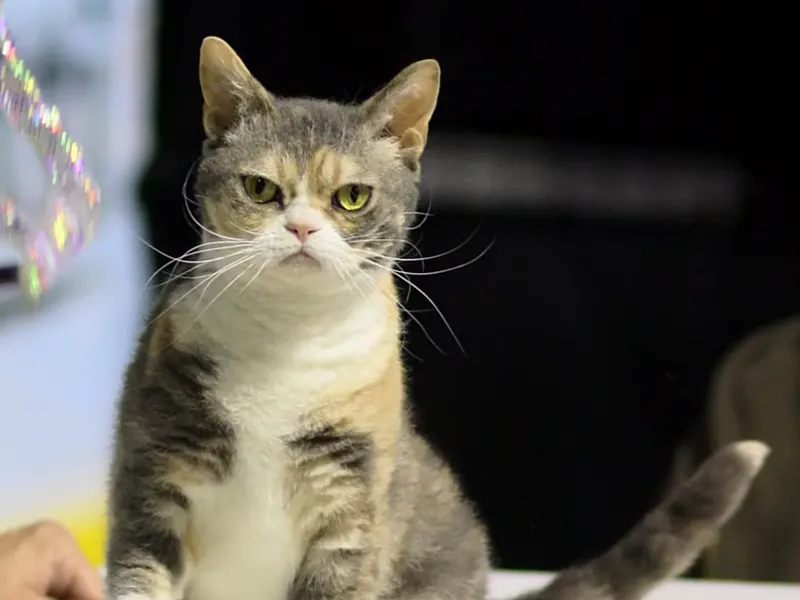
American Wirehair
Cobby
8–15 lbs · 14–18 yrs
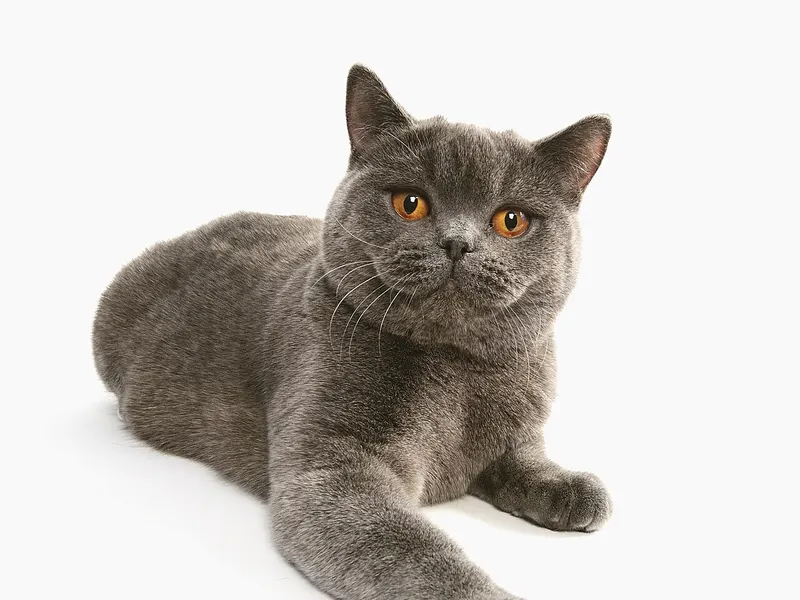
British Shorthair
Cobby
9–18 lbs · 12–17 yrs
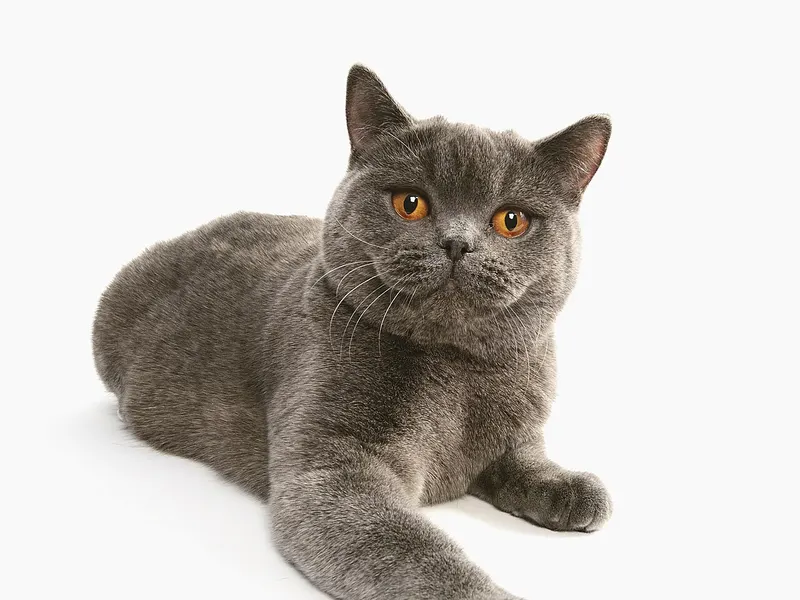
British Longhair
Cobby
9–17 lbs · 12–17 yrs
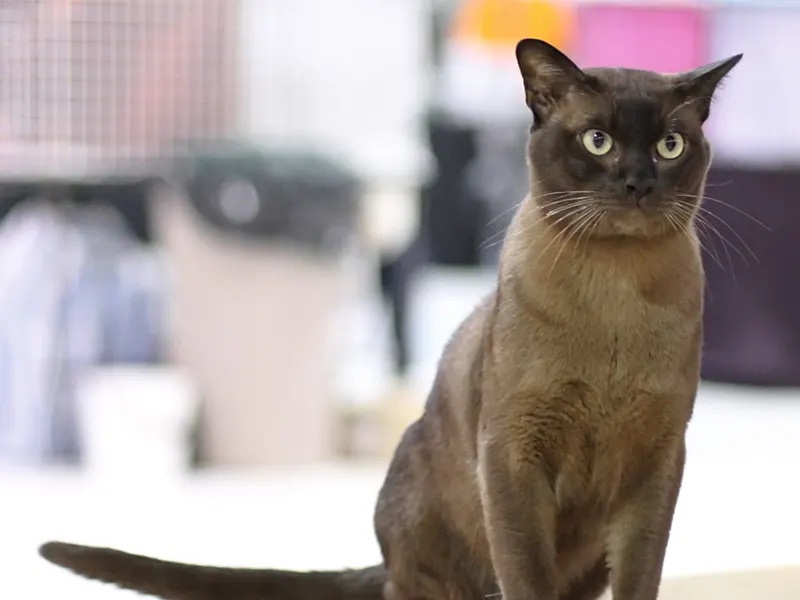
Burmese
Cobby
6–12 lbs · 10–16 yrs
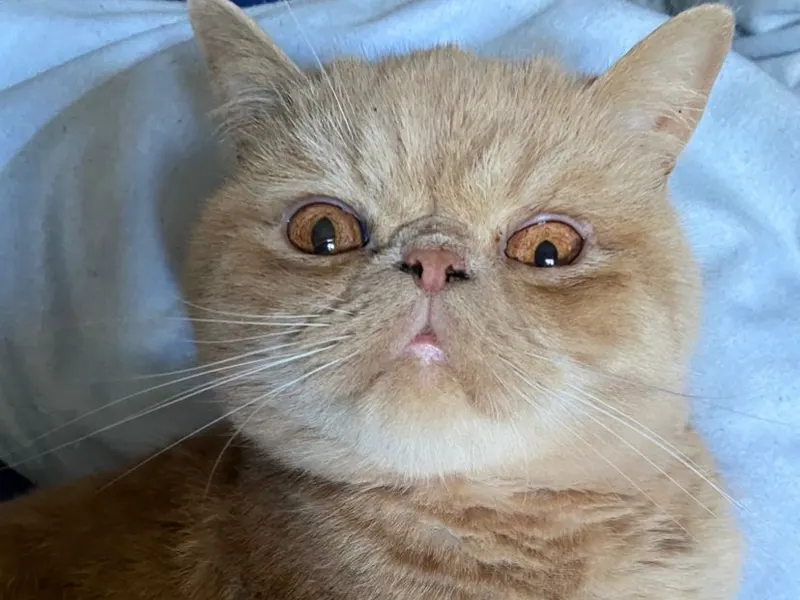
Exotic Shorthair
Cobby
7–14 lbs · 12–15 yrs
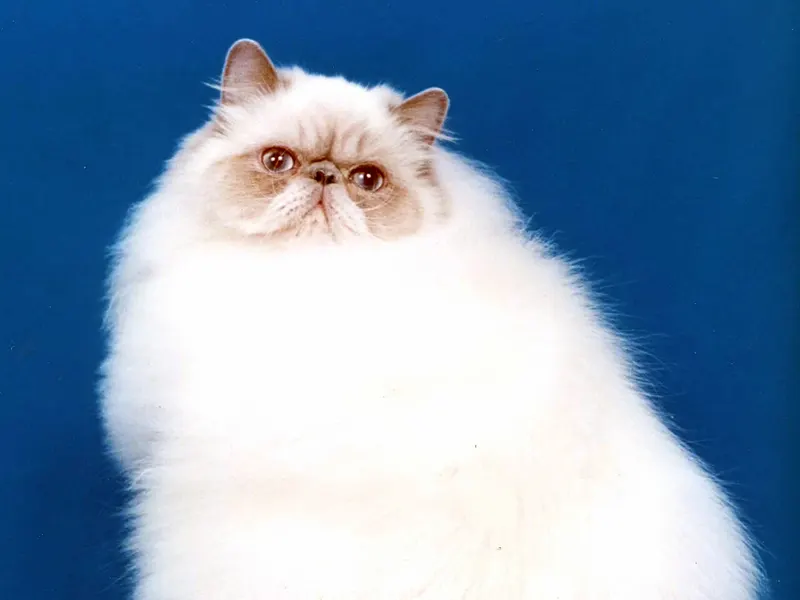
Himalayan
Cobby
7–12 lbs · 9–15 yrs
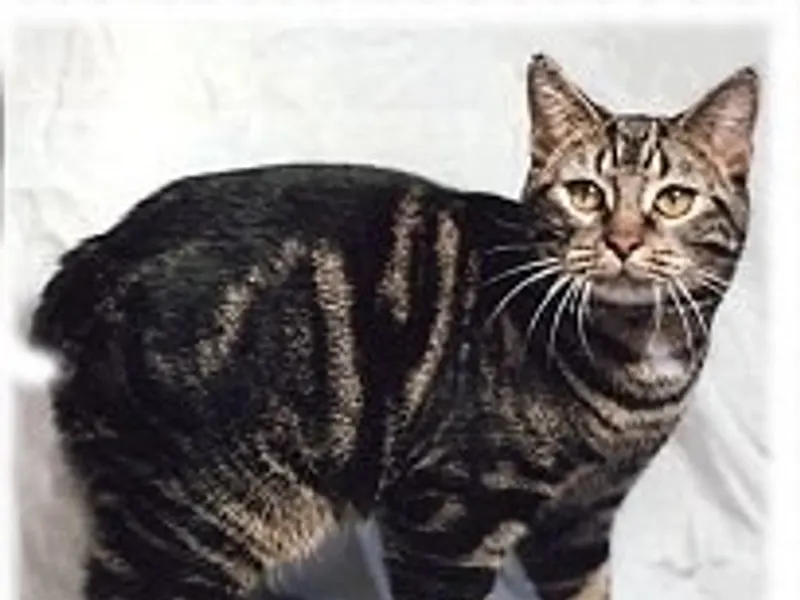
Manx
Cobby
8–12 lbs · 8–14 yrs
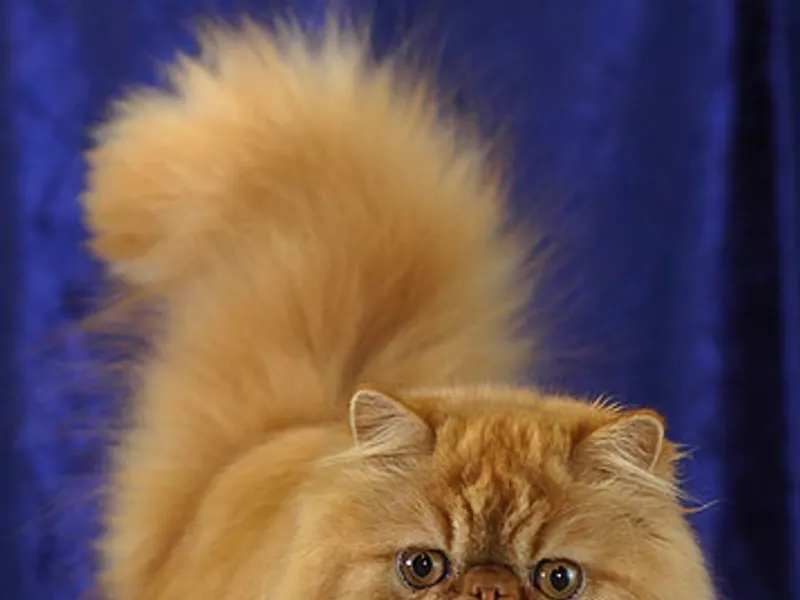
Persian
Cobby
7–12 lbs · 10–17 yrs
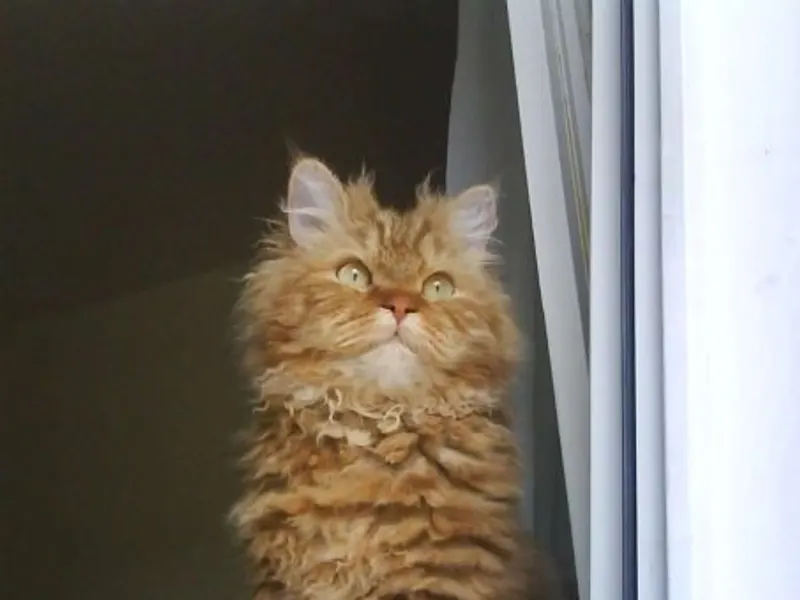
Selkirk Rex
Cobby
7–15 lbs · 10–15 yrs
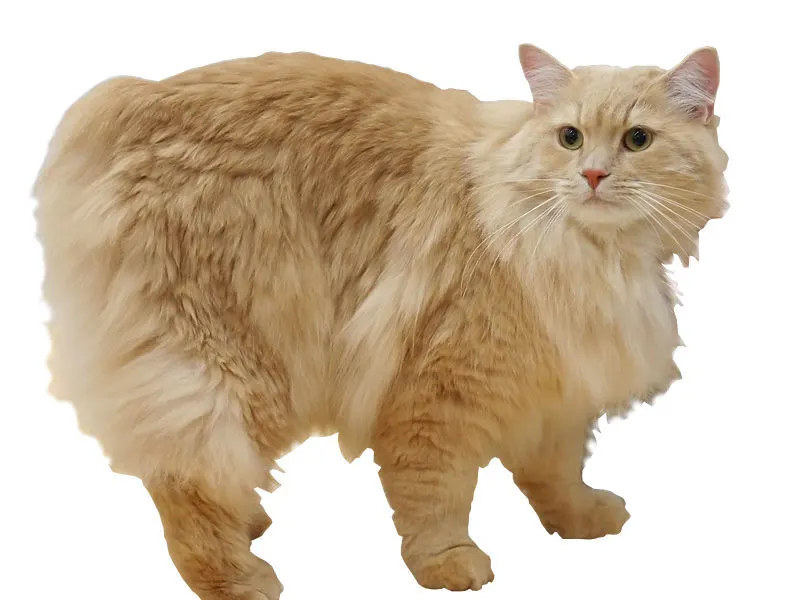
Cymric
Cobby
8–12 lbs · 8–14 yrs