Toy Dog Breeds
14 breeds in this group.
Toy-sized dogs — roughly those topping out under about 12 pounds at maturity — sit at the small end of a genuine biological tradeoff worth understanding before choosing one: smaller dogs consistently live longer on average than larger ones, with many toy breeds routinely reaching 14 to 18 years compared with the 8-to-10-year average of a giant breed, but that longevity comes paired with its own specific set of health vulnerabilities tied directly to small skull and body proportions rather than to age alone. This size category cuts across several different AKC groups — it includes true Toy Group members like the Chihuahua, Pomeranian, and Yorkshire Terrier, but also the smallest members of the Terrier Group (Toy Fox Terrier, Silky Terrier), the smallest spitz breeds, and a cluster of popular Poodle-mix crossbreeds bred down specifically for this size range. Dental disease is close to universal across this size bracket for a straightforward mechanical reason: a toy breed's jaw is proportionally shrunk from a body plan originally built for a larger dog, but the tooth count and, to a real extent, tooth size haven't shrunk at the same rate, which means teeth are more crowded in a smaller jaw than in a mid-sized dog, trapping plaque and food debris more readily and accelerating periodontal disease — veterinary dentists commonly note that a toy breed can show meaningful gum recession and tooth loss by middle age without a consistent home dental-care routine, far earlier than a similar lapse would show consequences in a Labrador. Hypoglycemia (low blood sugar) is a well-documented risk specifically in toy-breed puppies, whose tiny bodies have proportionally less capacity to store glycogen and can crash after skipping a meal or during a stressful transition like a new home, which is why breeders and vets typically recommend more frequent, smaller meals for toy puppies than the twice-daily schedule that suits a larger breed. Tracheal collapse, a progressive weakening of the cartilage rings supporting the windpipe that produces a characteristic honking cough, shows up at meaningfully higher rates in several toy breeds, notably the Yorkshire Terrier and Chihuahua, and is one of several reasons vets commonly recommend a harness over a neck collar for daily walks in this size range, since repeated pressure on the trachea from collar pulling is a documented aggravating factor. The category's breed diversity is genuinely wide despite the shared small size. The Chihuahua, the smallest breed in the AKC registry, has a documented pre-Columbian Mexican history, with archaeological evidence and Aztec-era artwork suggesting small dog breeds resembling the modern Chihuahua were kept in Mesoamerica for centuries before European contact, though the exact line from those ancient dogs to the modern breed involves some genuine uncertainty. The Pomeranian and the various small spitz-type toy breeds carry cold-climate sled-and-herding-dog ancestry dramatically miniaturized over generations, a size reduction accelerated notably by Queen Victoria's personal breeding preferences in the late 1800s. The Chinese Crested and Papillon both trace to centuries-old European and Asian court companion traditions, while newer entries like the Toy Poodle, Chihuahua-mix crossbreeds, and the deliberately bred hybrid toy dogs (Shorkie, Morkie) represent much more recent, purpose-driven breeding aimed specifically at this size bracket rather than centuries of gradual size reduction. Living with a toy-sized dog carries practical considerations distinct from simply "a smaller version" of larger-breed ownership. These dogs are genuinely more physically vulnerable to injury from falls, from being stepped on, or from rough handling by young children than their confident, often surprisingly bold personalities suggest, and many breeders and trainers specifically caution against unsupervised interaction between toy breeds and children under about six or seven for this reason — not because of the dog's temperament, but because of simple physical fragility relative to a bigger, more forgiving breed. Exercise needs, despite the small size, aren't always minimal: many toy breeds retain real terrier or spitz-derived energy and benefit from genuine daily play and short walks rather than assuming size alone determines activity level, though their small stride and low overall calorie burn mean a toy breed's exercise needs can usually be met within a smaller living space than a larger dog would require. This size category is generally the best-suited in the entire registry for apartment or small-home living, frequent travel, and owners with more limited physical mobility, provided the specific breed's temperament — some toy breeds are notably more independent or vocal than others — matches the household's actual day-to-day expectations rather than assuming small size alone guarantees an easy dog. Choosing among toy breeds is worth approaching by temperament family rather than by size alone, since an inch or two and a pound or two of difference between breeds in this bracket matters far less day to day than whether a given breed tends toward independent terrier-like confidence, silky-coated companion stillness, or alert, vocal watchfulness. The terrier-descended toy breeds — Toy Fox Terrier, Silky Terrier — retain real earth-dog intensity and prey drive in a genuinely small package, often surprising owners expecting a purely decorative lapdog temperament. The court-companion breeds — Maltese, Papillon, Cavalier King Charles Spaniel, Japanese Chin — were bred over centuries specifically to be calm, agreeable companions and generally show it, tending toward more consistently gentle temperaments suited to quieter households or first-time small-dog owners. The spitz-descended breeds — Pomeranian, and to a lesser extent some of the smallest mixed spitz-type crosses — often carry more alertness and vocal tendency than their small size suggests, a legacy of their working sled-and-guard-dog ancestry only recently and dramatically miniaturized. Socialization matters as much as it does for any larger breed, and arguably more given how easily a toy breed's small size lets an owner inadvertently avoid normal exposure to other dogs, unfamiliar people, and everyday environments simply by carrying the dog rather than walking it through them. Behaviorists commonly note that small dogs are disproportionately under-socialized relative to large breeds for exactly this reason — it's physically easier to pick up and remove a small dog from a stressful situation than to manage a large dog through it, which paradoxically means small dogs often get less practice handling everyday stress and can develop more pronounced fear or reactivity issues as adults if that pattern isn't actively counteracted from puppyhood with genuine on-the-ground exposure rather than being carried past challenges. Cost of ownership in this bracket runs lower than for any larger size category in most respects — smaller food portions, smaller and cheaper medication doses, less wear on furniture and yards — but dental care costs can run surprisingly high given how universal periodontal disease is across the group, and professional dental cleanings, sometimes needed annually starting relatively young, are a real, recurring expense worth budgeting for rather than treating as an occasional surprise cost. Travel considerations are worth a direct mention given how well this bracket suits it: most toy breeds fit comfortably in an airline-approved carrier for in-cabin travel, a genuine practical advantage over any larger size bracket where a dog must generally fly as cargo, and this portability is a real, often underappreciated factor behind the bracket's popularity among frequent travelers and owners without a car. Breed-specific toy clubs frequently run rescue and rehoming networks worth checking directly for anyone open to adopting rather than buying a puppy, since small breeds' longer average lifespans mean adult and senior toy dogs needing rehoming are a meaningful presence in rescue, often for reasons entirely unrelated to the dog's temperament (an owner's changed housing situation or health, for instance) rather than any behavioral problem, making adoption a genuinely strong option within this bracket specifically. Puppy mill and backyard-breeder risk runs disproportionately high for several of the most in-demand Toy breeds specifically because of strong consumer demand for small, portable, photogenic puppies, and the same due-diligence steps recommended throughout this site — health testing verification, in-person visits, direct questions about the breeder's practices — matter especially for this bracket given how much low-quality breeding the group's popularity has historically attracted. Several Toy breeds also compete successfully in AKC Earthdog and Barn Hunt trials despite not being terriers by classification, since small size combined with genuine curiosity and drive translates well to these instinct-based sports regardless of a breed's formal group assignment. Toy-breed agility competition has also grown substantially in recent years, with dedicated smaller-scale course heights and jump measurements specifically designed to let toy dogs compete fairly against their own size class rather than being scaled against larger breeds' standard course dimensions. Because toy breeds mature both physically and behaviorally faster on average than larger dogs, many reach behavioral adulthood and complete their training foundation considerably sooner than a giant-breed puppy would, a genuine practical advantage for owners who want a settled adult temperament without waiting through the extended adolescent phase common in larger size brackets. Because toy breeds are so consistently portable and low-cost to feed and house relative to every larger size bracket on this site, this category also remains one of the most consistently popular choices among first-time dog owners specifically, and toy-breed-focused puppy classes and training resources have grown correspondingly common in most urban and suburban areas as a result of that sustained demand. Because toy breeds are frequently chosen specifically as a first dog for children under adult supervision, many breed clubs within this bracket publish direct, breed-specific guidance on safe handling practices for young children, a genuinely useful resource worth reviewing given the fragility considerations already discussed.
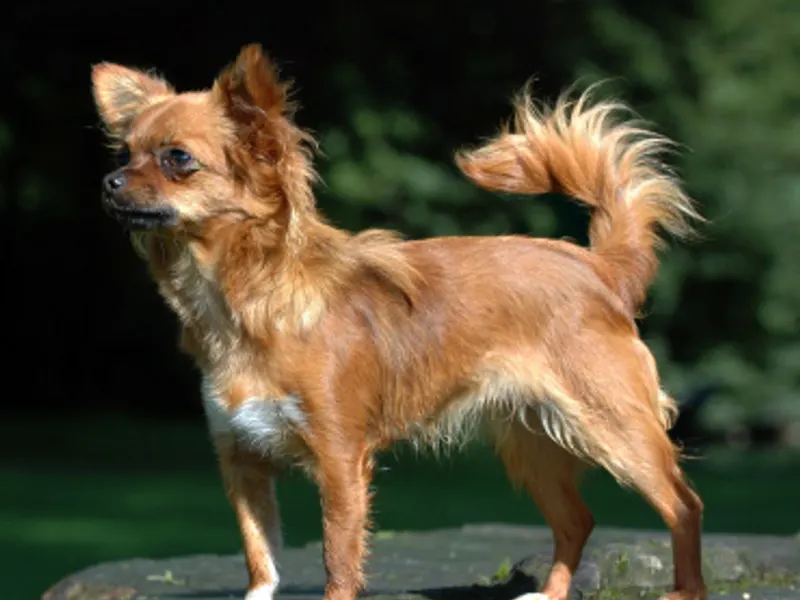
Chihuahua
Toy
2–6 lbs · 14–16 yrs
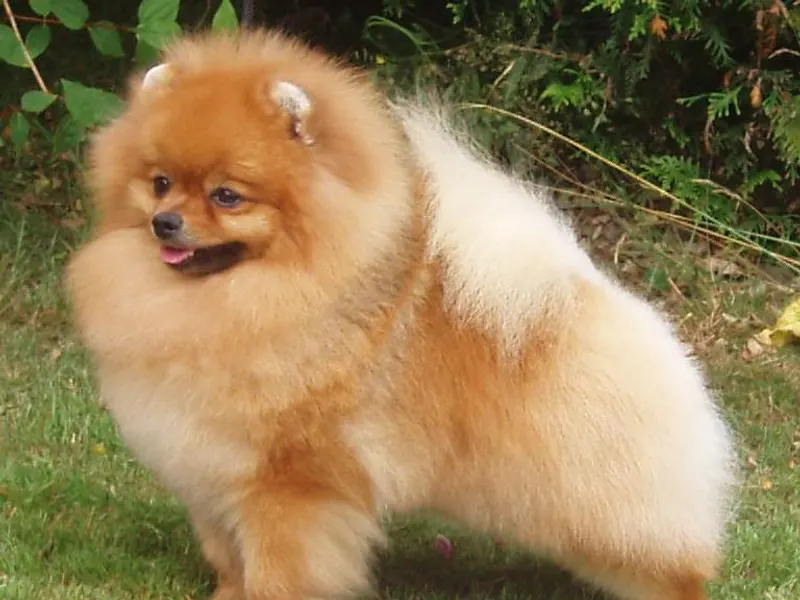
Pomeranian
Toy
3–7 lbs · 12–16 yrs
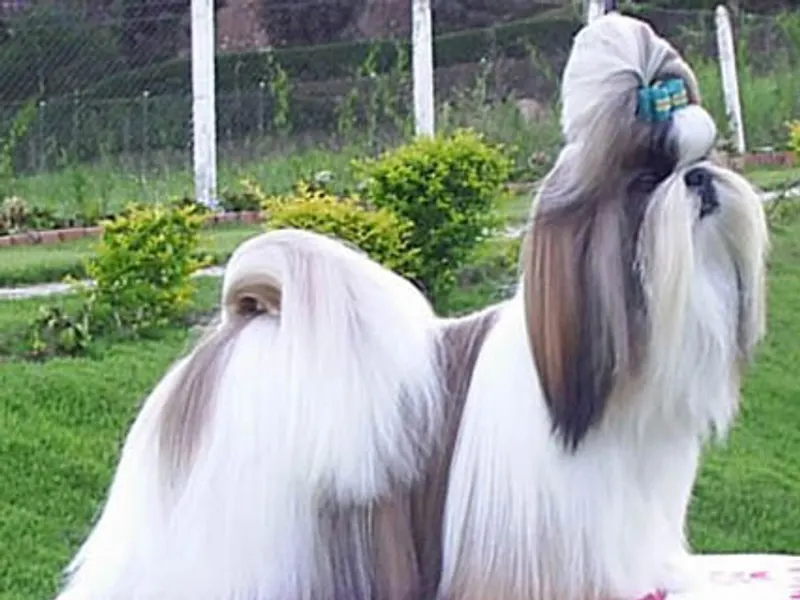
Shih Tzu
Toy
9–16 lbs · 10–16 yrs
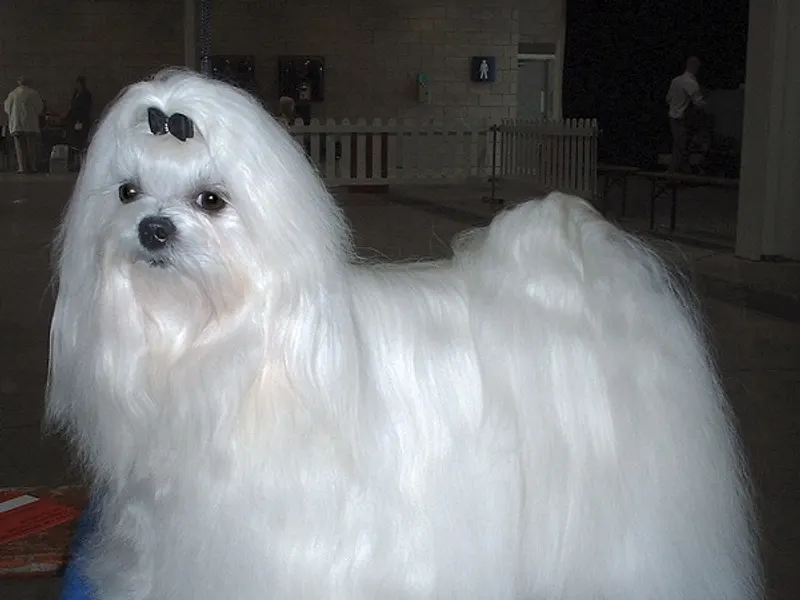
Maltese
Toy
4–7 lbs · 12–15 yrs
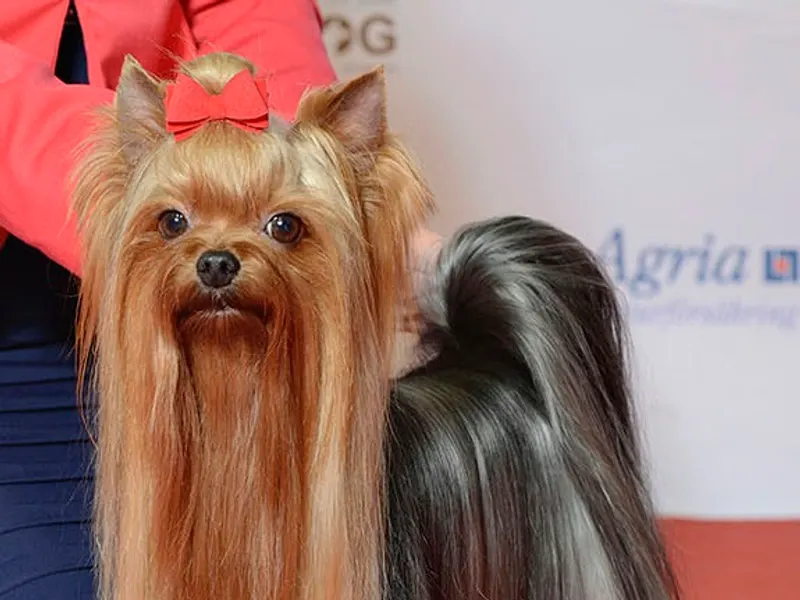
Yorkshire Terrier
Toy
4–7 lbs · 11–15 yrs
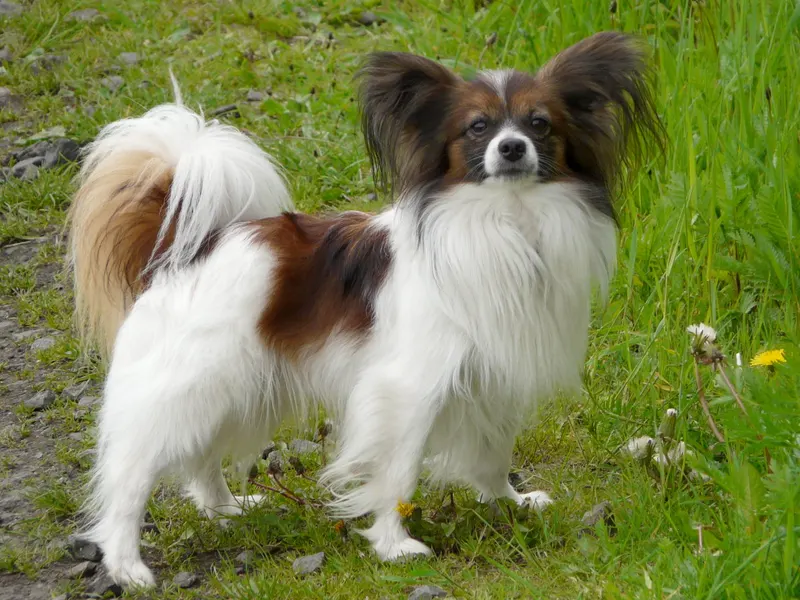
Papillon
Toy
5–10 lbs · 14–16 yrs
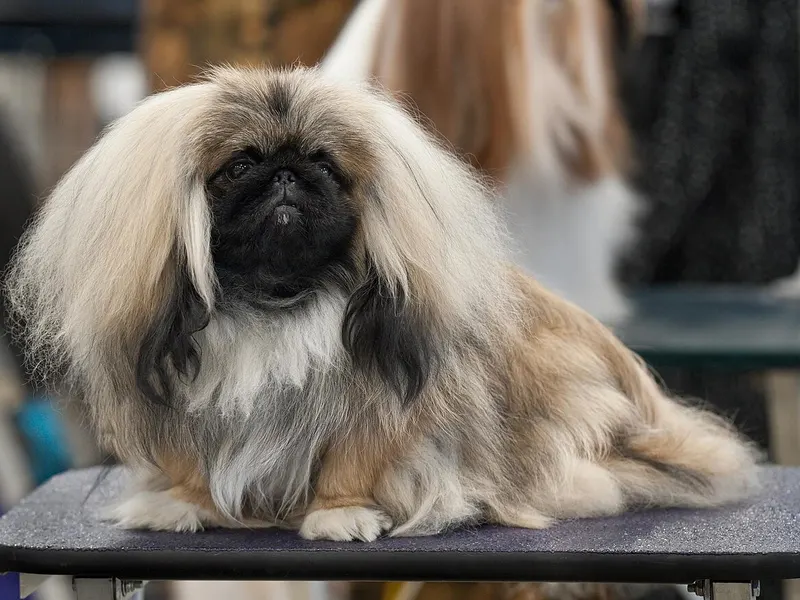
Pekingese
Toy
7–14 lbs · 12–14 yrs
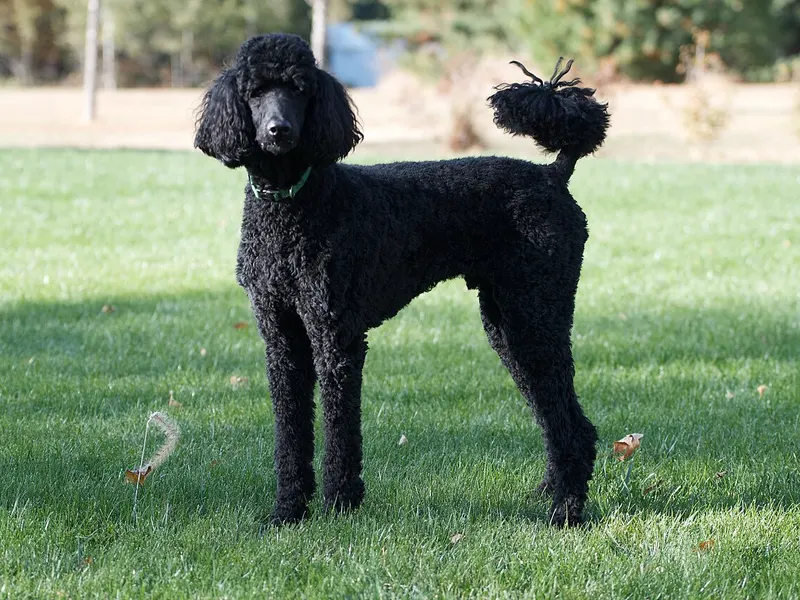
Toy Poodle
Toy
4–6 lbs · 12–15 yrs
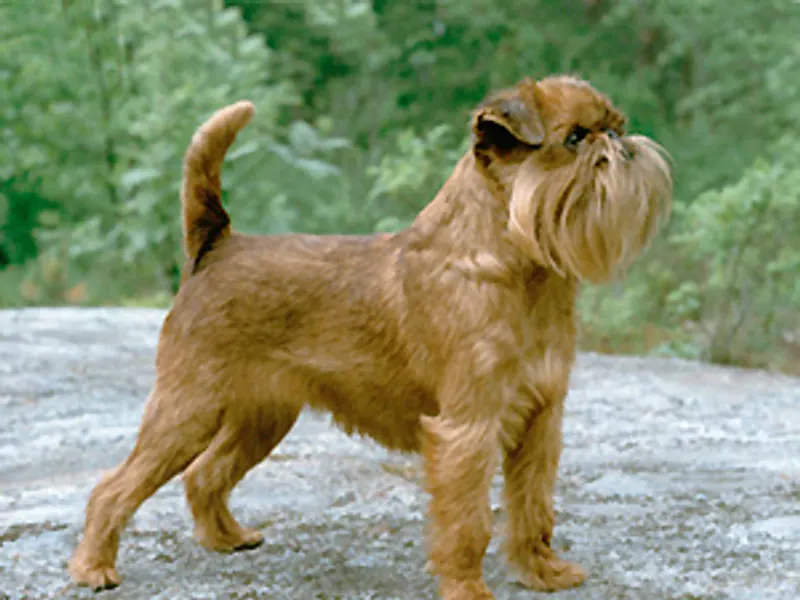
Brussels Griffon
Toy
6–12 lbs · 12–15 yrs
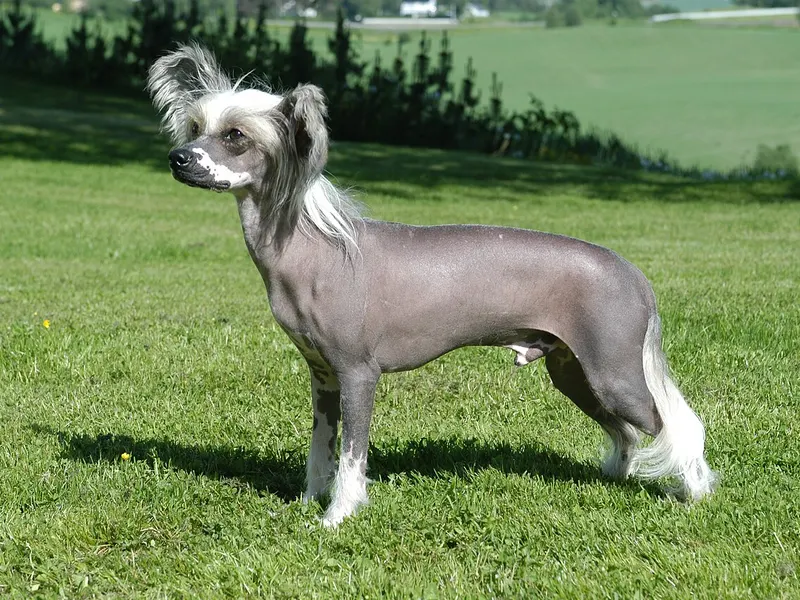
Chinese Crested
Toy
8–12 lbs · 13–15 yrs
Shorkie
Crossbreed
8–16 lbs · 11–16 yrs
Morkie
Crossbreed
4–8 lbs · 10–13 yrs
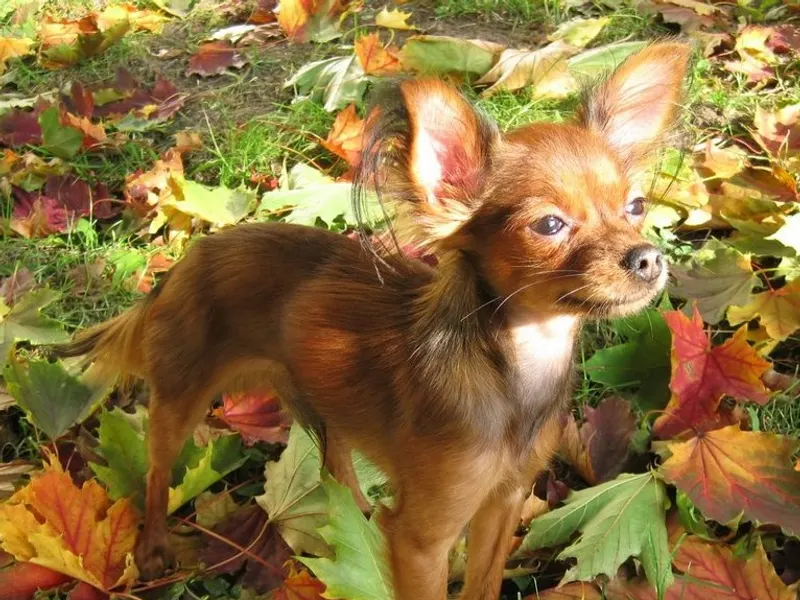
Russian Toy
Toy
3–6 lbs · 10–14 yrs
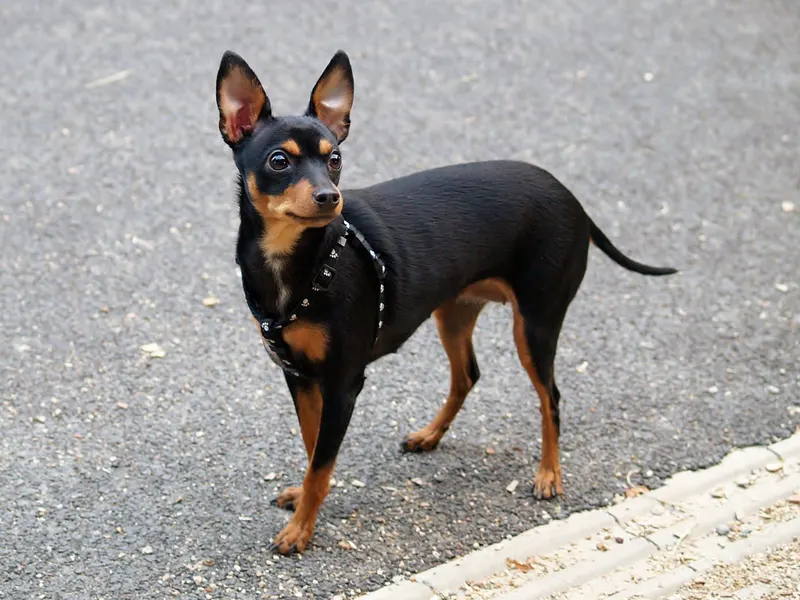
Prague Ratter
Toy
2–6 lbs · 12–15 yrs