Semi-foreign Cats
9 breeds in this group.
Semi-foreign is one of the body-type categories cat fancy organizations like the Cat Fanciers' Association and The International Cat Association use to classify breeds by skeletal build and proportion rather than by coat, color, or origin story, and it sits in the middle of the fancy's body-type spectrum — less extreme and elongated than the true "foreign" build of an Abyssinian or Siamese, but leaner and more athletic than the compact "cobby" build of a Persian or British Shorthair. In practice, a semi-foreign cat has a moderately long body on legs proportionate to that length, a wedge-shaped but not extremely narrow head, and ears that are upright and moderately large without being the dramatically oversized, wide-set ears of a true Oriental or Siamese. It's a useful middle category precisely because most of the world's cat breeds, left to develop through natural regional selection rather than deliberate extreme-type breeding programs, land somewhere in this moderate range rather than at either stylistic extreme. The group's members arrived at that moderate build through genuinely different regional paths, which is worth understanding breed by breed rather than assuming a shared origin. The Turkish Angora and Turkish Van both descend from landrace cat populations that developed with minimal human intervention in central and eastern Anatolia over many centuries, and both carry genuine cultural weight in Turkey — the Turkish Van in particular is prized in its home region for an unusual trait among cats generally: many individuals genuinely enjoy swimming, a behavior documented enough around Lake Van in eastern Turkey that the breed picked up a folk reputation as "the swimming cat," and its single-layer, water-resistant coat texture supports that reputation functionally rather than just anecdotally. The Turkish Angora is separately notable as one of the source breeds behind the Persian — Angoras were exported to Europe as early as the sixteenth and seventeenth centuries and used in early long-haired breeding programs, though the modern Turkish Angora as a distinct recognized breed was substantially rebuilt from Ankara Zoo conservation stock in Turkey in the twentieth century after the original export population had become diluted into the broader Persian gene pool. The Japanese Bobtail brings an entirely separate regional history and a genuinely unusual genetic trait: its short, pom-pom-like tail is caused by a naturally occurring recessive gene, distinct from the different tail-shortening mutations found in Manx or American Bobtail cats, and the breed has been documented in Japanese art and writing for over a thousand years, frequently depicted in the "beckoning cat" pose that became the basis for the now globally familiar maneki-neko figurine sold widely as a good-luck charm in shops and restaurants. The American Curl, by contrast, has an extremely well-documented and recent origin: every American Curl alive today descends from a single stray cat named Shulamith, found in Lakewood, California in 1981, whose unusual backward-curling ears turned out to be caused by a spontaneous dominant genetic mutation, meaning the entire breed's genetic diversity traces to that one founding cat and the small number of offspring selected for breeding afterward. The LaPerm tells a similarly recent and specific origin story: it emerged from a single curly-coated kitten born on an Oregon cherry farm in 1982 to otherwise straight-coated barn cats, again a spontaneous dominant mutation, and the breed's soft, loosely curled coat is now maintained through selective breeding from that original founder line. The Tonkinese represents a deliberate cross rather than a spontaneous mutation or landrace survival — it's a purpose-bred hybrid of the Siamese and Burmese, developed in the mid-twentieth century specifically to combine the Siamese's build and vocal, engaged temperament with the Burmese's slightly more moderate proportions and rounder head, landing the resulting breed's body type in this semi-foreign middle ground almost by design. The Chantilly-Tiffany, a rarer breed with a genuinely murky and disputed early history involving conflicting breeder claims from the 1960s and 70s, is now generally understood as a distinct semi-longhair breed built on a similar moderate body frame, most notable for its silky, semi-long coat and a temperament often described as unusually quiet and reserved compared to more vocal semi-foreign relatives. The Domestic Shorthair and Domestic Longhair — not formally recognized "breeds" by most cat fancy organizations at all, but rather the catch-all classification for cats of mixed or unknown ancestry, the actual majority of pet cats in North America — are included in the semi-foreign category here on build grounds, since most random-bred cats without deliberate selection toward either the extreme cobby or extreme foreign body types naturally land in this moderate middle range, reflecting the genuinely mixed and largely un-engineered ancestry most household cats carry. Because this category spans landrace breeds, spontaneous-mutation breeds, and deliberate hybrids alike, temperament and care needs vary meaningfully across it — the semi-foreign classification describes body shape, not personality or grooming demands, so it's worth treating this hub as a useful way to compare builds across otherwise very different breeds rather than as a shortcut to shared temperament expectations. What does genuinely unite most members is a moderate, adaptable physical build without the extreme health tradeoffs sometimes associated with either very compact, flat-faced cobby breeds or the narrowest, most exaggerated Oriental builds — a practical middle ground that, not coincidentally, is also where nature tends to land a cat population absent deliberate extreme-type selection pressure. Grooming and general care needs across this category track more with coat length than with the shared moderate body type, since semi-foreign includes both short-haired breeds like the Turkish Angora's shorthaired relatives and semi-longhaired breeds like the Turkish Van and Chantilly-Tiffany. The Turkish Van in particular carries a genuinely unusual single-layer coat that's more water-resistant and less prone to matting than a typical double-coated longhair, a trait that lines up neatly with the breed's documented enjoyment of water and swimming. The Turkish Angora's coat, by contrast, is fine and silky and does mat without regular brushing despite its moderate semi-foreign build, a reminder that body-type classification alone doesn't predict grooming demand reliably across this particular group. Temperament also varies more across this category than the shared moderate body type might suggest, since the breeds arrived at that build through such different paths. The Japanese Bobtail is frequently described as unusually vocal and interactive even by cat standards, a trait some breeders attribute to its long companionship history in Japanese households and temples. The American Curl, despite its very recent and narrow genetic founding from a single cat, is generally considered an easygoing, adaptable breed well suited to multi-pet households. The Tonkinese, being a deliberate Siamese-Burmese cross, inherits real vocal intensity from its Siamese half, closer to the Oriental body-type category's temperament profile than to the quieter Chantilly-Tiffany despite both sharing this semi-foreign build classification. The category's genetic founding stories are also worth flagging as a group, since three of its members — the American Curl, LaPerm, and to a lesser extent the modern Turkish Angora breeding program — trace to remarkably narrow genetic bottlenecks: a single founding cat with a spontaneous mutation, in the Curl and LaPerm's cases, meaning breed-wide genetic diversity is inherently more limited than in an older landrace breed like the Turkish Van, a factor responsible breeders actively manage through careful outcrossing programs and one worth asking about directly when researching a breeder for either of these particular breeds. Because several breeds in this category remain genuinely uncommon outside dedicated breed-fancier circles, prospective owners should expect a longer search and likely a waitlist with a reputable breeder rather than the readier local availability of a more mainstream breed like the Domestic Shorthair or Maine Coon, and it's worth budgeting real patience into a search for breeds like the Chantilly-Tiffany or LaPerm specifically, where the total number of active, health-conscious breeders in the U.S. can be genuinely small. Registry recognition status varies meaningfully across this category and is worth checking directly, since not every breed here holds full recognition from every major registry — CFA, TICA, and international bodies like FIFe don't always agree on a given breed's status, and a breed fully championship-eligible in one registry may hold only provisional or miscellaneous status in another, a detail that matters mainly to anyone planning to show a cat competitively but worth knowing even for a purely pet-focused buyer trying to understand how established a specific breed's infrastructure actually is. Founder-population genetics deserve one further note for the American Curl and LaPerm specifically: because both breeds trace to a single spontaneous mutation, responsible breed clubs have actively worked to broaden genetic diversity through carefully managed outcrossing to unrelated domestic cats over subsequent generations, a deliberate genetic-health strategy worth asking a breeder about directly when considering either breed. The maneki-neko "beckoning cat" figurine associated with the Japanese Bobtail's traditional pose remains one of the most globally recognizable pieces of cat-related folk iconography, commonly displayed in shop windows across East Asia and increasingly worldwide as a symbol of good fortune for visiting customers. The figurine's raised paw gesture is traditionally read differently depending on which paw is raised — a raised left paw is said to invite customers, while a raised right paw is said to invite money or good fortune more generally — a folk distinction that predates the modern Japanese Bobtail breed standard by centuries but is closely tied to it in popular culture regardless.
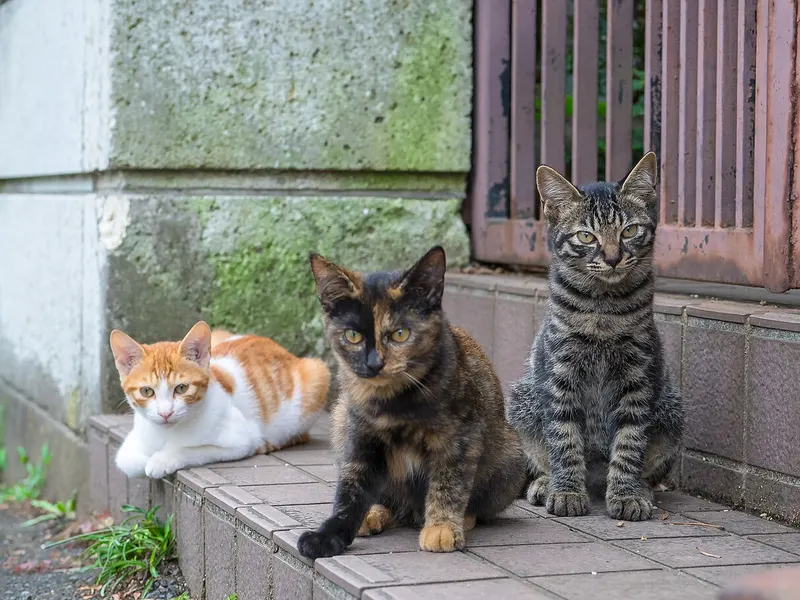
Domestic Shorthair
Semi-foreign
8–12 lbs · 12–18 yrs
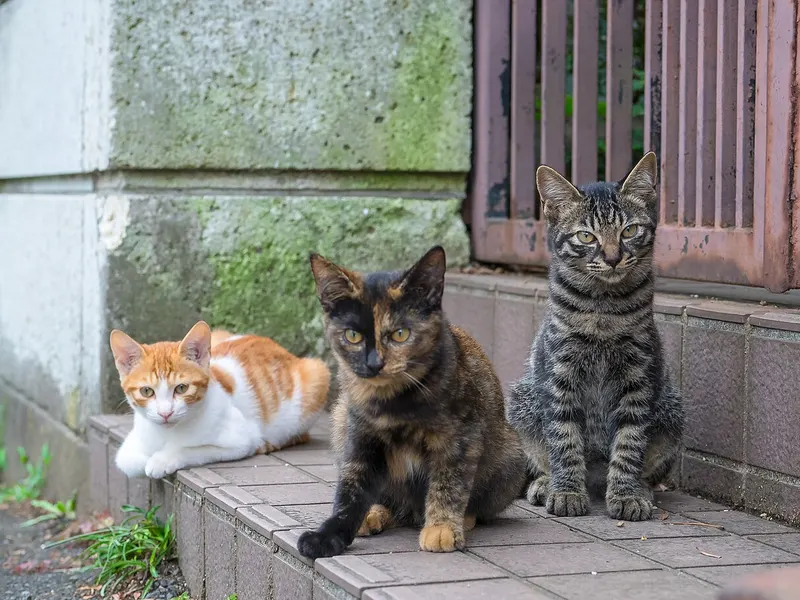
Domestic Longhair
Semi-foreign
8–15 lbs · 12–18 yrs
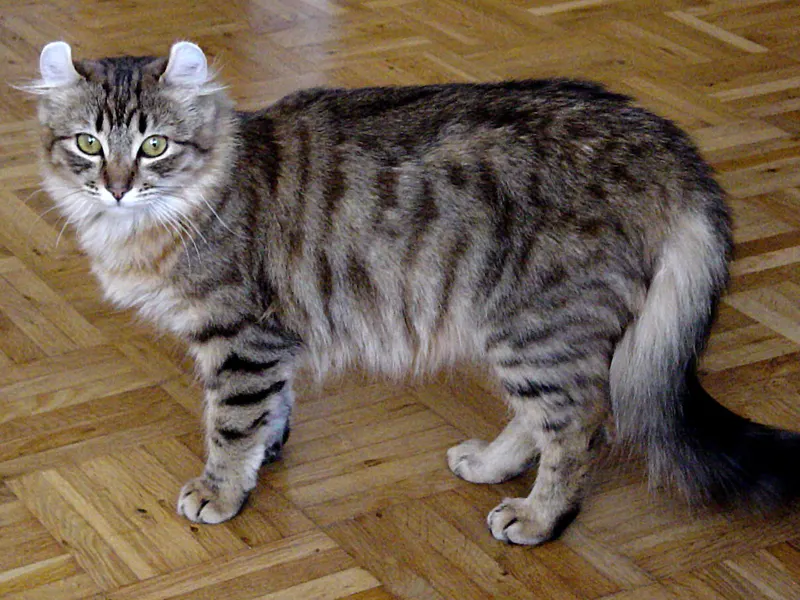
American Curl
Semi-foreign
5–10 lbs · 12–16 yrs
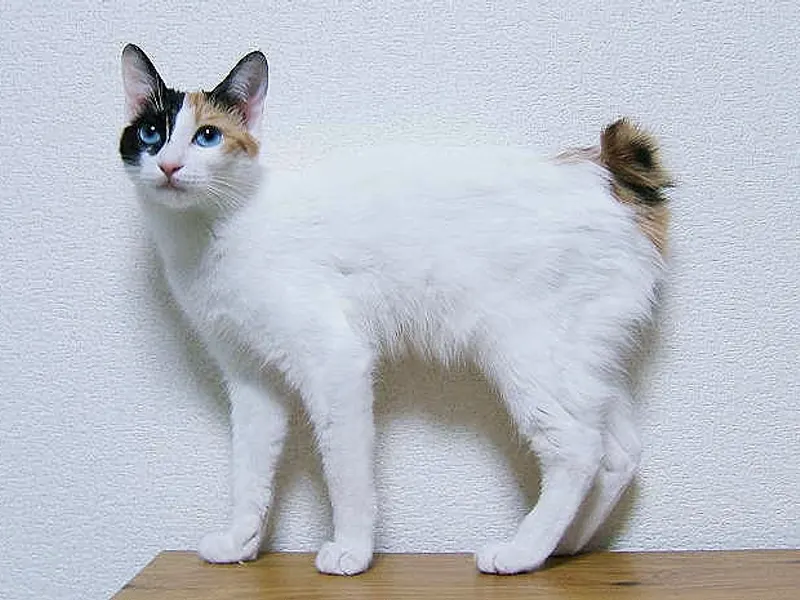
Japanese Bobtail
Semi-foreign
6–10 lbs · 12–16 yrs
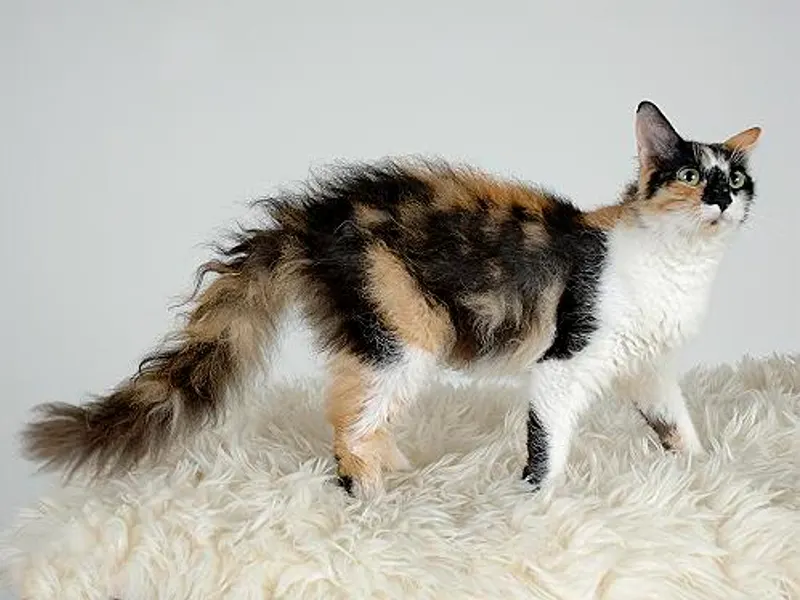
LaPerm
Semi-foreign
6–10 lbs · 10–15 yrs
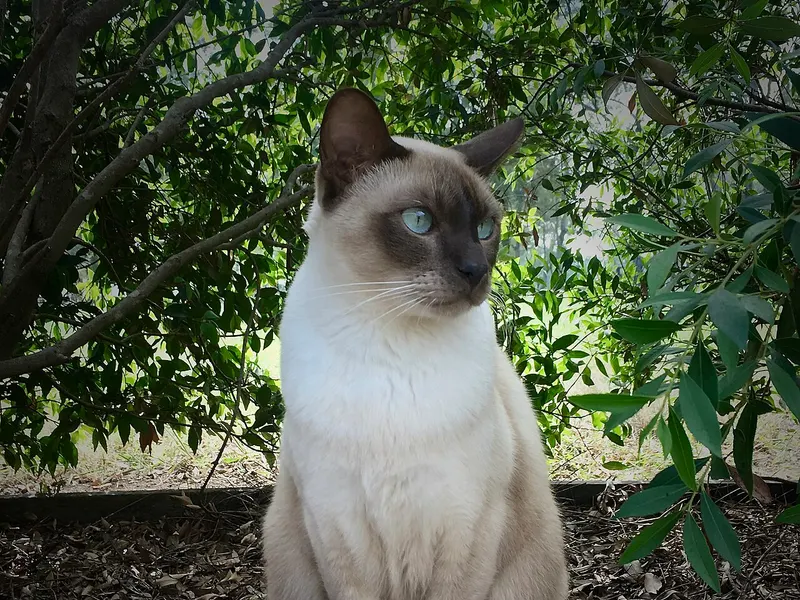
Tonkinese
Semi-foreign
6–12 lbs · 12–16 yrs
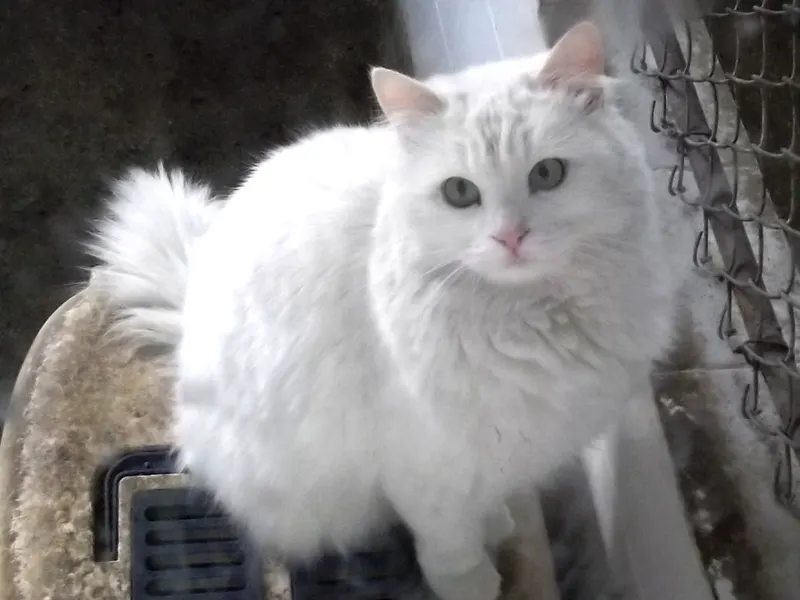
Turkish Angora
Semi-foreign
5–9 lbs · 12–18 yrs
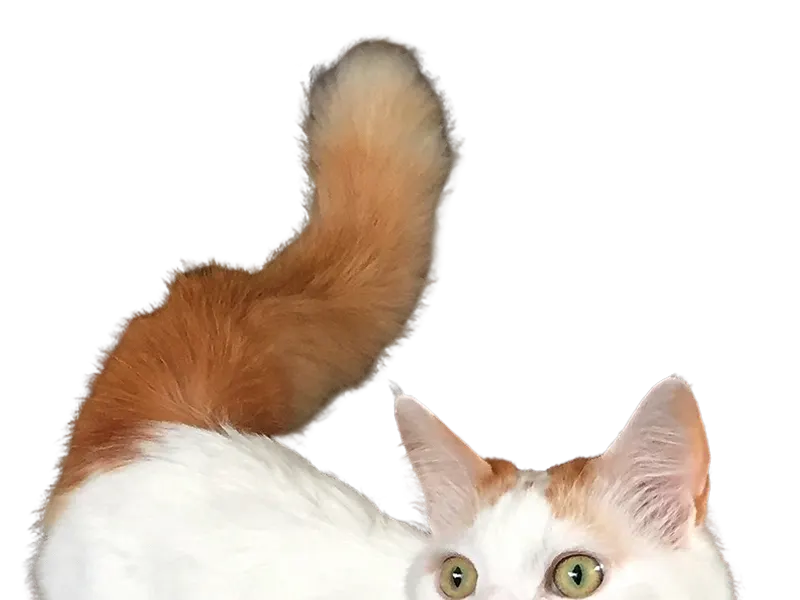
Turkish Van
Semi-foreign
7–19 lbs · 12–17 yrs
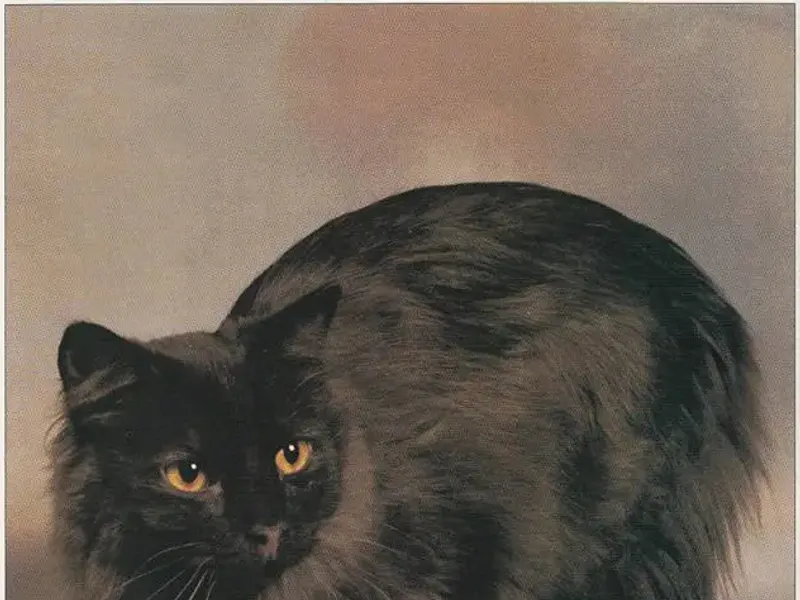
Chantilly-Tiffany
Semi-foreign
7–12 lbs · 12–16 yrs