Small Cat Breeds
7 breeds in this group.
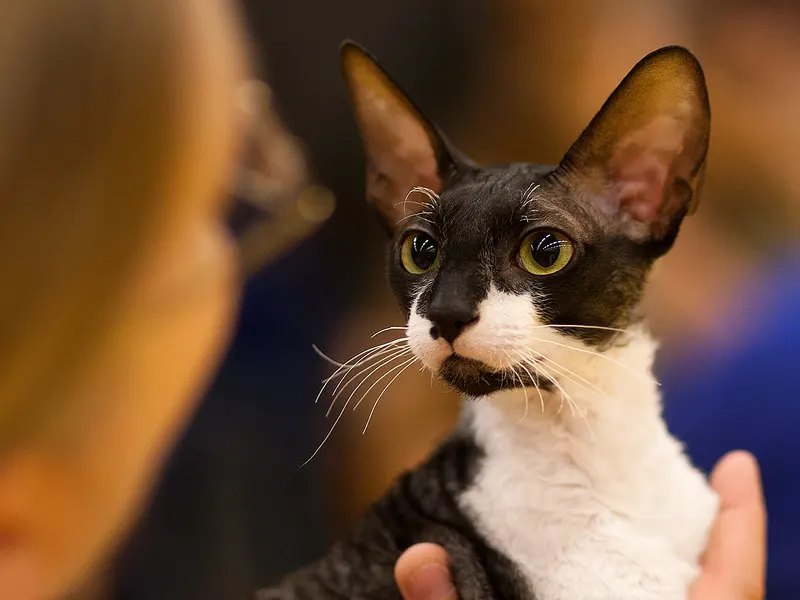
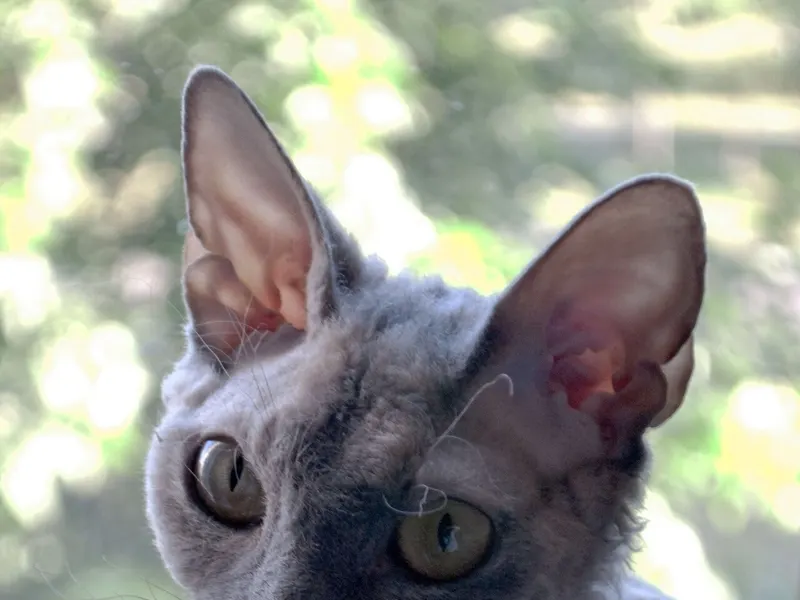
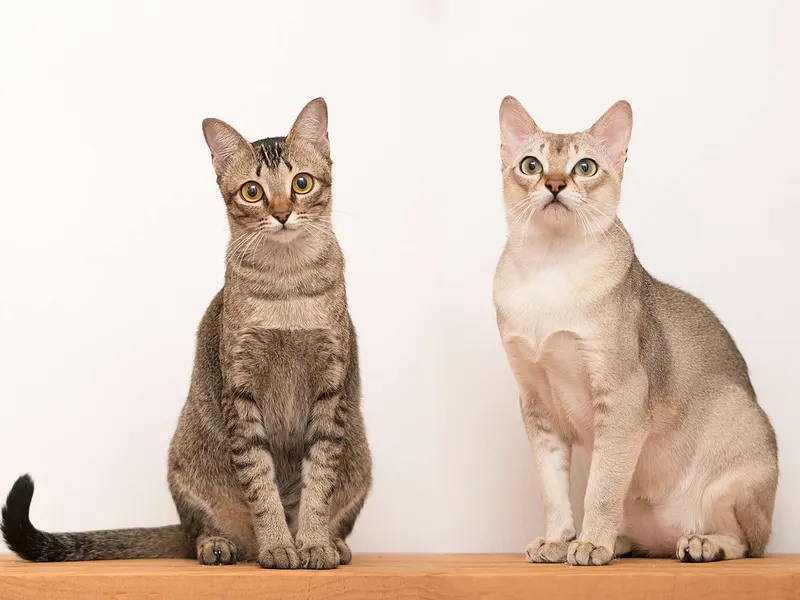
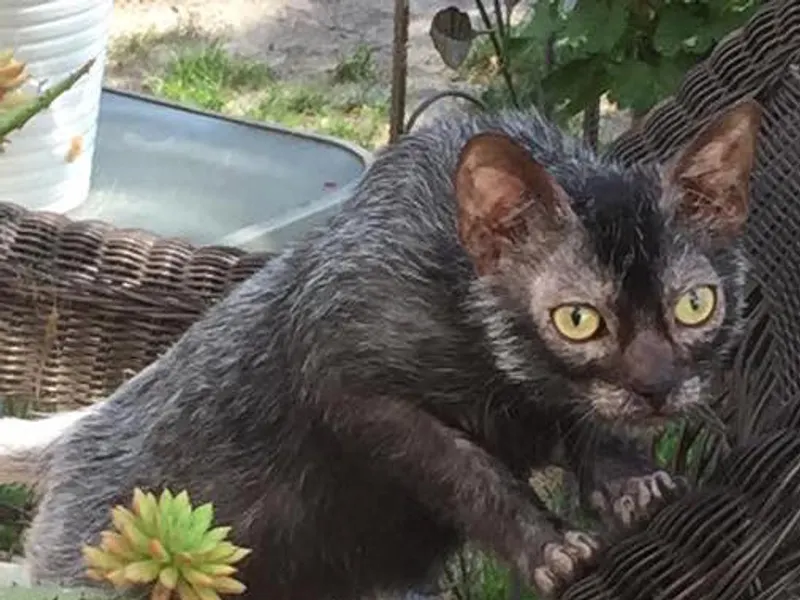
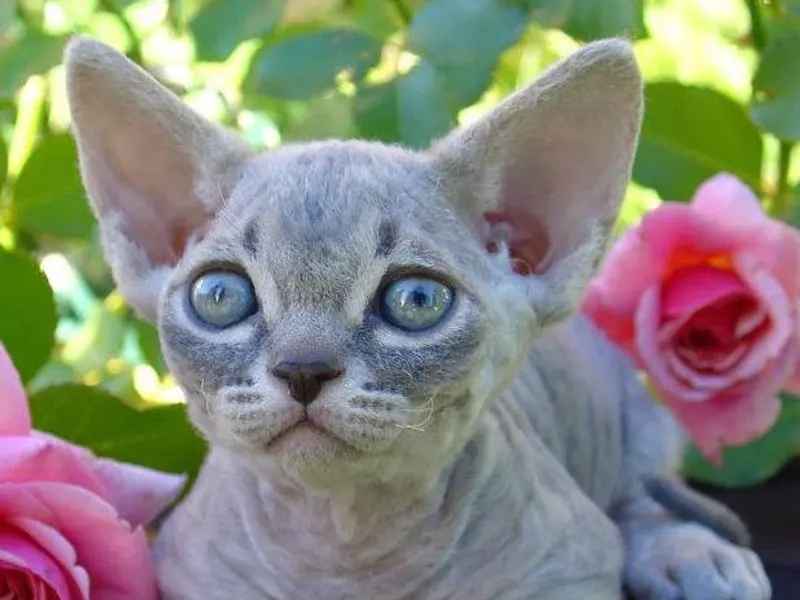
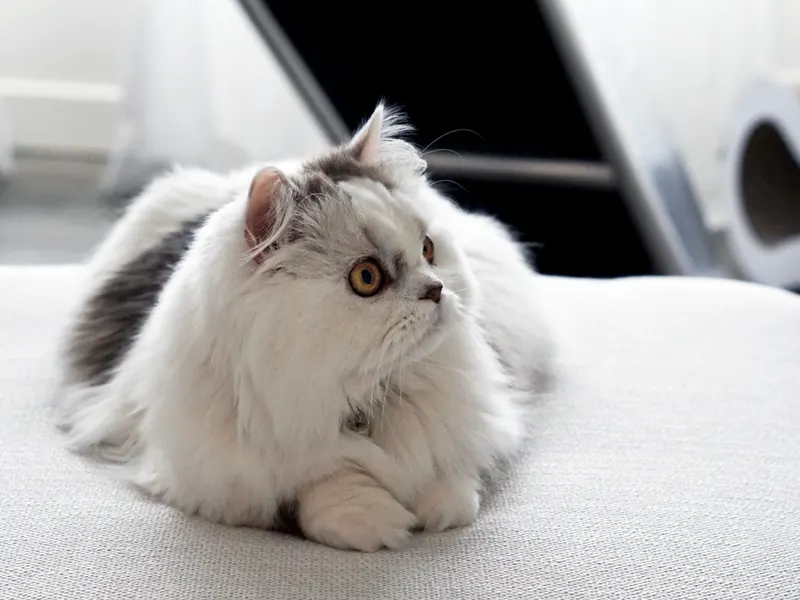
Small cat breeds — generally those topping out under about eight pounds at maturity — represent a genuinely mixed group of origins rather than a single shared type, since "small" in the cat fancy results from at least three distinct biological pathways: naturally petite landrace breeds, deliberate dwarfism mutations, and simply the smaller end of otherwise moderately sized breeds' normal weight range. Unlike the dog world, where toy breeds were deliberately miniaturized over centuries specifically for portability and companion status, most small cat breeds arrived at their size through a single genetic mutation or through natural regional development rather than sustained, deliberate size-reduction breeding programs, which makes the "why is this breed small" question genuinely worth asking individually rather than assuming a shared history. The Singapura holds a strong claim to the smallest generally recognized domestic cat breed, and its origin carries real documented uncertainty worth being honest about: breed lore describes it as descended from Singapore's street cats (the name derives from the Malay word for Singapore), and some early breeding stock was reportedly brought to the U.S. directly from Singapore's feral cat population in the 1970s, but genetic studies since then have raised real questions about whether the breed's actual foundation was quite that straightforward, with some researchers suggesting a more mixed development involving American breeding stock alongside the imported cats, a genuine point of unresolved dispute within the breed's history rather than a settled fact. The Munchkin achieves its small stature through an entirely different, well-understood mechanism: a dominant genetic mutation causing a form of dwarfism that shortens the legs specifically while leaving the torso close to typical size, a trait that remains genuinely controversial within the cat fancy — TICA recognizes the Munchkin while CFA does not, reflecting real, unresolved disagreement about whether deliberately breeding for this mutation is appropriate even though available evidence suggests Munchkins generally move and jump normally without the mobility complications seen in some short-legged dog breeds. The Cornish Rex and Devon Rex, discussed at greater length on this site's Rex body-type hub, both run smaller than average partly because of their fine bone structure and partly because their unusually thin, curled coats mean less visual bulk than a typical cat's coat provides, though their actual skeletal frame is closer to moderate than to a true dwarf mutation like the Munchkin's. The Lykoi and Minskin represent two more recent and more deliberately engineered small breeds: the Lykoi's naturally small size combines with its patchy, partially-haired "werewolf" coat pattern from a spontaneous mutation first bred deliberately around 2010, while the Minskin was created specifically by crossing Munchkin and Sphynx lines, deliberately layering the Munchkin's short-leg dwarfism onto a minimally coated body to produce one of the smallest deliberately engineered cat breeds in the modern fancy. The Napoleon (also called the Minuet), similarly, crosses Munchkin ancestry with Persian-type breeds specifically to combine short stature with a plush, rounder coat and face. Because several breeds in this category carry a dwarfism-linked mutation rather than simply representing the small end of a normal size range, prospective owners should treat this hub with a bit more research diligence than a straightforward "small cat" preference might suggest — the Munchkin and Minskin's short-leg trait, while generally well-tolerated by the cats themselves according to available veterinary literature, remains a genuinely disputed welfare topic within the fancy, and it's worth reading a breed's specific genetic story rather than assuming small size alone tells you everything relevant about a cat's underlying health profile. Small cat breeds as a practical matter suit apartment living and households wanting a genuinely petite companion, and most (setting aside the specific coat-care considerations of the Rex and hairless-adjacent breeds discussed on their own body-type hubs) carry no meaningfully elevated health burden purely from their small size the way, say, a giant dog breed's size correlates with shortened lifespan — cats as a species show far less size-linked lifespan variation than dogs do, so choosing a small cat breed is much more a matter of personal preference for a petite, portable companion than a health or longevity consideration the way breed size functions in the dog world. Because most small cat breeds arrived at their size through one of a few distinct genetic mechanisms rather than a single shared history, it's worth being precise about what each specific mechanism means practically for a prospective owner. A naturally petite landrace breed like the historical Singapura foundation stock carries no particular structural health tradeoff tied to its size — it's simply a smaller-framed cat overall, proportioned normally throughout. A dwarfism mutation like the Munchkin's, by contrast, produces a disproportionate body plan (short legs, standard-length torso), and while available veterinary literature doesn't document the same severity of complications seen in some short-legged dog breeds, it remains a genuinely different category of "small" worth understanding as such rather than assuming it's mechanically equivalent to a naturally petite breed. Kitten development and adult-size prediction also work a bit differently across this category depending on the underlying mechanism. A Munchkin or Minskin kitten's short-legged trait is typically visible quite early, since it's a structural skeletal difference rather than simply slower overall growth, while a naturally small breed like the Singapura may take slightly longer for a new owner to judge final adult size confidently, since a small-breed kitten and a small individual kitten from a larger breed can look similar at a young age before growth patterns diverge. It's worth asking a breeder directly about expected adult weight ranges for parents specifically, rather than assuming a particular kitten's current small size alone predicts its eventual adult size reliably. Because cats generally show far less size-linked lifespan variation than dogs do, choosing a small cat breed carries none of the longevity tradeoff that choosing a small versus large dog breed does — small cat breeds don't reliably outlive large ones the dramatic way small dog breeds outlive giant ones, since a cat's overall size range is compressed enough that this size-lifespan correlation, well documented in dogs, doesn't hold nearly as strongly across the cat world. This makes small cat breed selection much more a matter of personal preference for a compact companion and the specific coat, temperament, and genetic considerations discussed above than a health or longevity calculation the way it functions for dog breed size. Because several small breeds discussed here remain genuinely uncommon, prospective owners should expect the same longer search timeline and smaller pool of active breeders documented for other rare categories on this site, and it's worth budgeting real patience, alongside careful vetting of any breeder's specific health-testing practices for whichever underlying genetic mechanism (dwarfism mutation, spontaneous coat mutation, or naturally small landrace) produced that particular breed's characteristic small size. Multi-pet household compatibility for small cat breeds is generally favorable given how few of these breeds carry any notable size-driven behavioral difference from an average cat, and most integrate into existing households of cats, dogs, and other pets using the same gradual-introduction principles that apply across cat ownership generally, without any small-size-specific complication beyond simple physical vulnerability around larger, boisterous dogs during the introduction period. Breeder waitlists for several small breeds discussed here run genuinely longer than for more mainstream medium-sized breeds, given the smaller total number of active breeding programs, and prospective owners specifically drawn to one of the rarer small breeds should expect to plan and budget real time into a search rather than assuming ready local availability the way a Domestic Shorthair or common medium breed typically offers. Because several small breeds trace to a single founding cat or a small founding population, genetic diversity tracking has become an active area of interest for conscientious breed clubs, some of which now publish coefficient-of-inbreeding data for prospective buyers specifically concerned about genetic diversity within a chosen line. Requesting this figure directly from a breeder, where available, offers a more concrete, evidence-based way to evaluate a specific breeding program's genetic-health practices than relying on general reassurances about a breed's overall health reputation alone. Because coat and skin-care needs vary so widely across the specific genetic mechanisms represented in this bracket, it's worth treating grooming research as breed-specific rather than assuming small size alone implies any particular coat-care routine, since a small, dense-coated breed and a small, minimally coated breed within this same bracket require genuinely different day-to-day maintenance despite their comparable overall size. Because several small breeds carry genuinely recent, well-documented founding stories rather than centuries-old landrace histories, prospective owners researching this bracket often find themselves reading breed-club newsletters and founder interviews from within living memory rather than relying on older historical records the way research into an ancient breed like the Turkish Van or Persian typically requires, a genuinely different and in some ways more directly verifiable kind of research task. Because several breeds in this bracket remain small enough in total population that individual catteries sometimes represent a meaningful share of the entire breed's active breeding stock in the U.S., a prospective owner researching pedigree and genetic diversity for one of the rarer breeds here may find it useful to ask a breeder directly how their specific line relates to the broader national breeding population. Because kitten mortality and litter size can run smaller in some of these breeds given the underlying genetic mechanisms involved, prospective buyers should expect a somewhat longer wait for an available kitten from a conscientious breeder than a more common medium-sized breed typically requires.