Hypoallergenic Cats
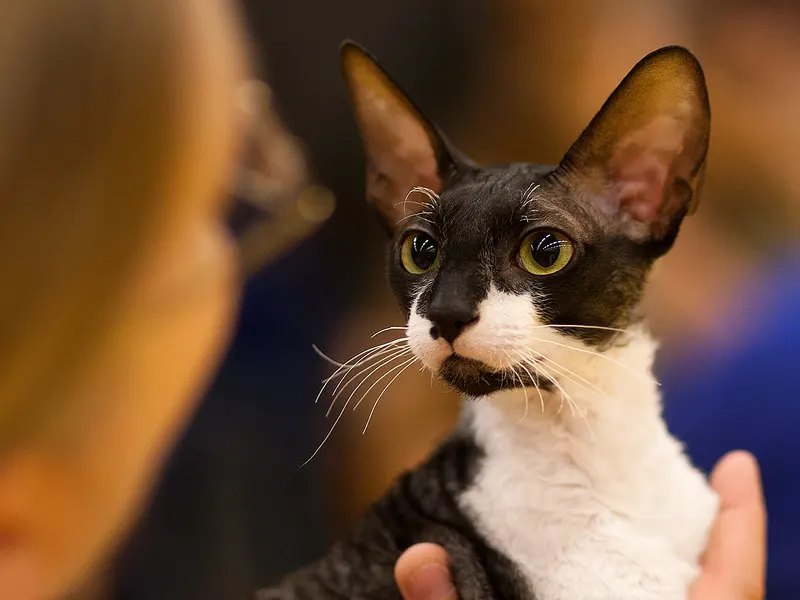
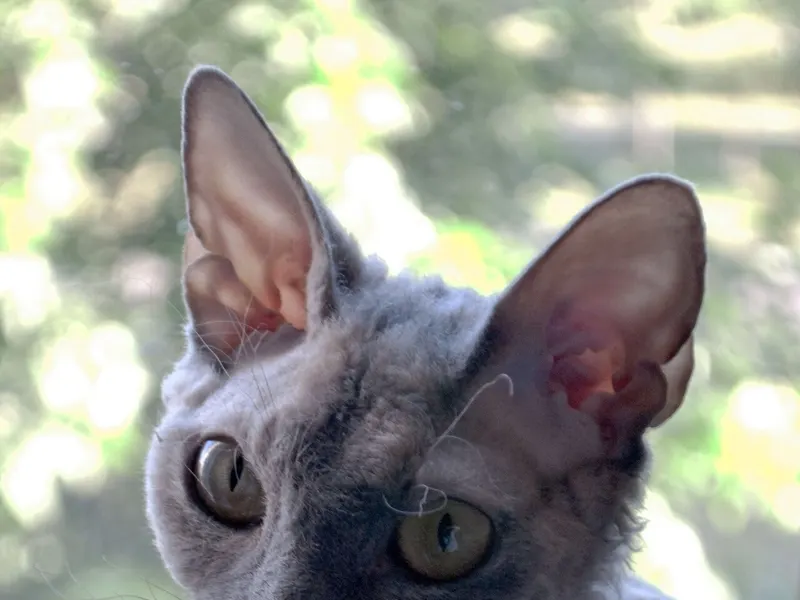
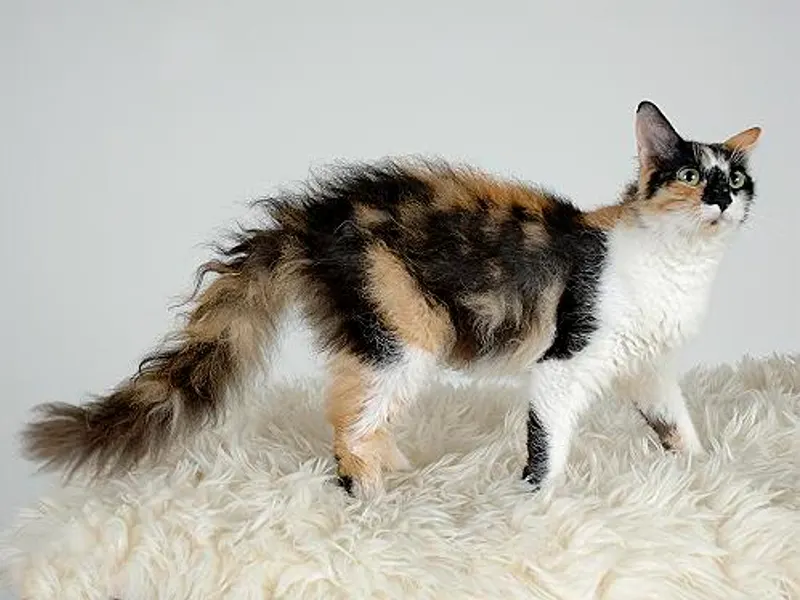
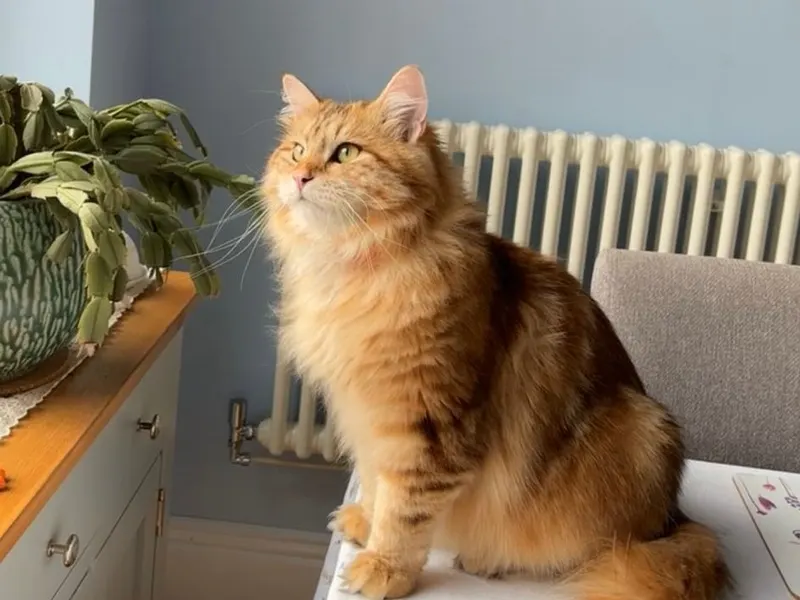
Cat allergies are driven overwhelmingly by a single protein, Fel d 1, produced in a cat's saliva and sebaceous (skin) glands and spread onto fur during self-grooming, then shed into the environment as dander — which means the "hypoallergenic cat" conversation is really a conversation about which breeds happen to produce measurably less Fel d 1 or distribute less of it, not about coat length or shedding volume the way people often assume, even though those two things get conflated constantly in casual breed shopping. No cat breed produces zero Fel d 1, and no major veterinary allergy body has confirmed a genuinely non-allergenic breed exists, so every entry on this list is a matter of documented degree rather than an absolute guarantee. The Siberian is the breed most frequently cited with actual measured data behind the claim: several small independent studies have found Siberians producing notably lower average Fel d 1 levels than other breeds tested, though sample sizes in this research remain small and individual cats within the breed still vary meaningfully, so "lower on average" shouldn't be read as "safe for every allergic person." The Balinese, sometimes described as a long-haired Siamese, is also frequently mentioned as a lower-Fel-d-1 breed, and — somewhat counterintuitively given its long coat — several sources suggest it may produce less of the allergen despite not being a low-shedding breed at all, which is a useful illustration of why coat length and allergen output are genuinely separate variables. Hairless breeds like the Sphynx present a different, more complicated case worth understanding rather than assuming hairless automatically means better for allergies: without fur to trap and hold dander in place until grooming or brushing removes it, a Sphynx's skin oils and dander can actually transfer more directly and readily onto furniture, skin, and hands during contact, and some allergic owners report Sphynx cats being harder to live with specifically because of this direct-contact effect, even though the breed is commonly assumed to be an easy allergy choice due to lacking a coat — it's a case where intuition about "less fur equals less allergen" doesn't hold up consistently against real owner experience. Male cats, and especially intact (unneutered) males, are documented to produce measurably more Fel d 1 than females and neutered males, meaning that within any breed, a spayed female or neutered male is a meaningfully lower-allergen individual choice than an intact cat of the same breed — a factor that matters more, practically, for many allergic households than the breed choice itself, and one that's fully within an adopter's control regardless of which breed from this list they choose. The honest, allergist-backed approach for anyone browsing this list: treat breed as one input among several rather than a guarantee, since individual cat-to-cat variation in Fel d 1 production is well documented even within low-shedding or lower-Fel-d-1 breeds. Spending real supervised time with a specific cat before adoption, keeping litter boxes and grooming areas away from bedrooms, bathing cats periodically (which measurably reduces surface allergen, though most cats tolerate this poorly and it needs gentle introduction), using a HEPA air purifier, and washing hands after handling all meaningfully reduce allergen exposure regardless of which breed ultimately gets chosen. For anyone building a genuine shortlist, a couple more names belong on it: the Devon Rex and Cornish Rex — covered at greater length on this site's low-shedding-cats page for their unusual curly, sparse coats — are also frequently mentioned in allergy-focused breed discussions, though — much like the Sphynx — the research specifically measuring their Fel d 1 output remains limited compared with the Siberian's more studied case. The Oriental Shorthair, a close relative of the Siamese with a similarly fine, short coat, is sometimes mentioned anecdotally by owners as producing a milder reaction, though this claim rests more on scattered owner reporting than the kind of controlled study behind the Siberian's reputation. Beyond breed and sex selection, allergists frequently point to one further practical step: allergen immunotherapy (allergy shots or sublingual drops, administered under a physician's care over months to years) can meaningfully reduce sensitivity to cat allergens for some patients, offering a path to living with a cat that doesn't depend entirely on finding the "right" breed or individual animal — worth discussing directly with an allergist for anyone whose heart is set on cat ownership despite a confirmed allergy, particularly if breed research and household management measures alone don't feel like enough of a safety margin. Carpet and soft furnishings deserve a specific mention beyond the general household-management steps already covered: allergen tends to accumulate more persistently in carpet fibers and upholstery than on hard flooring, and households with a severely allergic member sometimes find that switching high-contact soft furnishings (a favorite reading chair, bedroom carpet specifically) to washable covers or hard flooring where feasible provides a meaningfully larger allergen reduction than the same cleaning effort applied to a room with fewer soft, allergen-trapping surfaces to begin with.