Crossbreed Group Dogs
15 breeds in this group.
Crossbreeds — commonly called "designer dogs," a marketing term coined in the 1980s and 90s once breeders began deliberately crossing two purebred breeds and giving the result a portmanteau name — occupy a genuinely different category from every other group on this site, because none of them is a recognized breed by the AKC or most major kennel clubs, and none has a fixed, predictable standard the way a Labrador or Poodle does. A litter of Goldendoodles from the same two parents can range from wavy-coated and shedding to tightly curled and low-shedding, from 30 to 90 pounds, and from a Golden Retriever's laid-back temperament to a Poodle's higher-strung intensity, because a first-generation cross inherits a genuinely random assortment of genes from two different breeds rather than the narrowed, predictable gene pool that generations of purebred selection produce. This unpredictability is the single most important thing to understand before choosing a crossbreed, and it cuts both ways: it can produce a wonderfully balanced individual dog, and it can just as easily produce one that inherited the more challenging traits of both parent breeds rather than the best of each. The Poodle shows up as a parent breed in the majority of popular crosses — Goldendoodle, Labradoodle, Cockapoo, Maltipoo, Schnoodle, Cavapoo, Yorkipoo, Sheepadoodle, Bernedoodle, Aussiedoodle — almost entirely because of its low-shedding, curly coat and its reputation, deserved or not, for producing hypoallergenic offspring. That reputation deserves real scrutiny: allergen production in dogs comes primarily from dander, saliva, and urine proteins, not hair itself, and while a curly, low-shedding coat traps loose dander closer to the skin rather than distributing it around a house the way a shedding coat does, no crossbred dog is guaranteed hypoallergenic, and coat type in a first-generation cross is inherited unpredictably enough that even littermates can vary from curly-and-low-shedding to straight-and-shedding. The Labradoodle's own origin is well documented and slightly ironic given how the story played out: it was created in Australia in 1989 by Wally Conron, a breeding manager for Royal Guide Dogs Victoria, specifically to produce a hypoallergenic guide dog for a blind woman whose husband had allergies — and Conron has since spoken publicly and with evident regret about how the breed's runaway popularity led to widespread irresponsible breeding of a type he originally created to solve one family's specific problem. Northern-breed and small-dog crosses fill out the rest of the popular list with less Poodle involvement. The Pomsky (Pomeranian x Siberian Husky) and Puggle (Pug x Beagle) are both deliberately bred for a specific look — a miniaturized husky appearance in the Pomsky's case, a wrinkled, compact hound in the Puggle's — but both crosses also combine breed-specific health risks from each parent rather than diluting them: a Puggle can inherit the Pug's brachycephalic airway issues alongside the Beagle's tendency toward obesity and ear infections, and a Pomsky can inherit the Husky's high exercise needs in a body too small to comfortably meet them through the kind of running a full-sized Husky would get. The Chiweenie (Chihuahua x Dachshund), Shorkie (Shih Tzu x Yorkshire Terrier), and Morkie (Maltese x Yorkshire Terrier) are all small-breed combinations bred essentially for companion size and appearance, generally healthier as a category than the giant-versus-toy or brachycephalic combinations, though a Chiweenie in particular can inherit the Dachshund's elongated-spine disc disease risk in an even smaller frame. The genuine scientific argument in favor of crossbreeding is hybrid vigor, or heterosis — the observed tendency for first-generation crosses between two distinct, unrelated purebred lines to show reduced incidence of the specific recessive genetic conditions concentrated in either parent breed's narrower gene pool, since a puppy would need to inherit the same recessive allele from both parents' breeds independently rather than from an already-concentrated single-breed population. This is real and measurable for single-gene recessive conditions, but it's frequently overstated as blanket protection: polygenic conditions like hip dysplasia, which involve many genes plus environmental factors, aren't reliably diluted by a first-generation cross the way single-recessive-gene conditions are, and a Goldendoodle can absolutely inherit the hip dysplasia risk load of a poorly-bred Golden Retriever or Poodle parent just as easily as a purebred dog can. Because there's no breed standard, no long-established health-testing infrastructure comparable to breed clubs with decades of data, and enormous variation in what any individual breeder is actually crossing (a "Goldendoodle" breeder might be working from health-tested, multi-generation lines with real quality control, or simply crossing two unrelated dogs of convenience and marketing the litter at a premium), due diligence on the specific breeder matters more here than for almost any recognized breed on this site. Ask what health testing was done on both parents specifically, ask to see both parents in person if possible to get a realistic sense of size and temperament range, and go in expecting genuine variation within a litter rather than the predictability a purebred pedigree offers — that variation is the honest tradeoff of choosing a crossbreed, not a defect in any individual dog that falls somewhere unexpected within it. It's worth naming clearly what "hybrid vigor" does and doesn't guarantee, since marketing around designer breeds frequently overstates the science. The effect is real and measurable specifically for single-gene recessive conditions — a puppy needs to inherit the same problematic recessive allele from both parents to be affected, and crossing two genetically distinct purebred lines statistically lowers the odds both parents happen to carry the identical rare recessive gene compared with breeding within an already-narrow single-breed population. But most of the serious health conditions prospective owners actually worry about — hip and elbow dysplasia, many heart conditions, several cancers — are polygenic, meaning many genes plus environmental factors like growth rate and weight management all contribute, and a first-generation cross doesn't reliably dilute polygenic risk the same predictable way it dilutes single-recessive-gene risk. A Labradoodle bred from a Labrador with poor hip conformation and a Poodle with a family history of hip dysplasia can still inherit a real, elevated hip dysplasia risk despite being a cross rather than a purebred. Multi-generation breeding programs have emerged specifically to try to standardize crossbreed traits the way a purebred standard does, with varying success. Some breeders now work toward "F1B" generations (crossing a first-generation hybrid back to one of the original purebred lines) or even later multi-generation lines specifically to stabilize coat type, size, and temperament more predictably than a simple first-generation cross allows, and the Australian Labradoodle in particular has developed something close to an informal breed standard through several generations of deliberate multi-breed foundation crossing (typically Labrador, Poodle, and Cocker Spaniel) tracked by dedicated breed clubs, even though it remains unrecognized by the AKC. This is worth knowing when comparing breeders: a program working from several generations of documented, health-tested lines is offering something genuinely more predictable than a breeder simply crossing two unrelated purebred dogs for a single litter. Cost is also worth addressing honestly, since crossbreeds are frequently priced at a premium comparable to or exceeding many purebred dogs from health-tested breeders, despite lacking a registered pedigree, breed-club oversight, or a fixed standard — a price point driven by demand and marketing rather than by any inherent rarity or guaranteed quality, and prospective buyers should apply the same breeder-vetting standards (health testing on both parents, in-person visits, questions about the specific cross's generation) regardless of what premium a seller is asking, rather than assuming a higher price reflects better breeding practices by default. Rescue and adoption are worth considering seriously alongside breeder-sourced puppies for this category specifically, since the popularity surge behind many designer crosses has produced a real secondary population of adult doodles and other crosses surrendered to shelters and breed-specific rescues, often for exactly the mismatch reasons discussed above (unexpected size, unexpected coat maintenance, unexpected energy level) — adopting an adult cross sidesteps the first-generation unpredictability problem entirely, since the dog's actual adult size, coat, and temperament are already fully visible rather than still a genetic unknown. Terminology across this category is worth clarifying directly, since terms like "hybrid," "designer dog," and "crossbreed" are sometimes used interchangeably but carry slightly different implications — a true first-generation cross between two purebred parents is genetically distinct from a multi-generation line bred cross-to-cross for several generations, and asking a breeder specifically which generation a puppy represents (F1, F1B, multi-generation) gives a prospective owner considerably more useful information than the marketing name of the cross alone. Weight and size prediction for a crossbred puppy is genuinely harder than for a purebred one, and asking a breeder for the actual adult weights of both parent dogs, rather than relying on a general breed-average estimate, gives a considerably more reliable prediction for that specific litter, since a cross's eventual size depends heavily on which individual parents were used rather than on the parent breeds' published averages alone. Because no governing body certifies a "Goldendoodle" or "Labradoodle" breeder the way AKC parent clubs oversee purebred breeding standards, independent groups like the International Designer Canine Registry have emerged specifically to track pedigrees and health testing within popular crosses, offering a partial, voluntary substitute for the oversight infrastructure purebred buyers take for granted. These registries remain optional and far less universally adopted than AKC registration is for purebred dogs, meaning a prospective buyer still bears more of the verification burden personally than they would sourcing an AKC-registered purebred puppy from an established parent club's breeder referral network. Because demand for popular crosses has stayed consistently high for over two decades now since the Labradoodle's 1989 origin, several universities and veterinary research groups have begun publishing more rigorous, peer-reviewed studies specifically comparing crossbred and purebred health outcomes, offering a genuinely more evidence-based picture than the largely anecdotal claims that dominated earlier discussion of hybrid vigor in dogs, though the research base remains considerably thinner than the many decades of breed-specific health data available for most purebred lines.
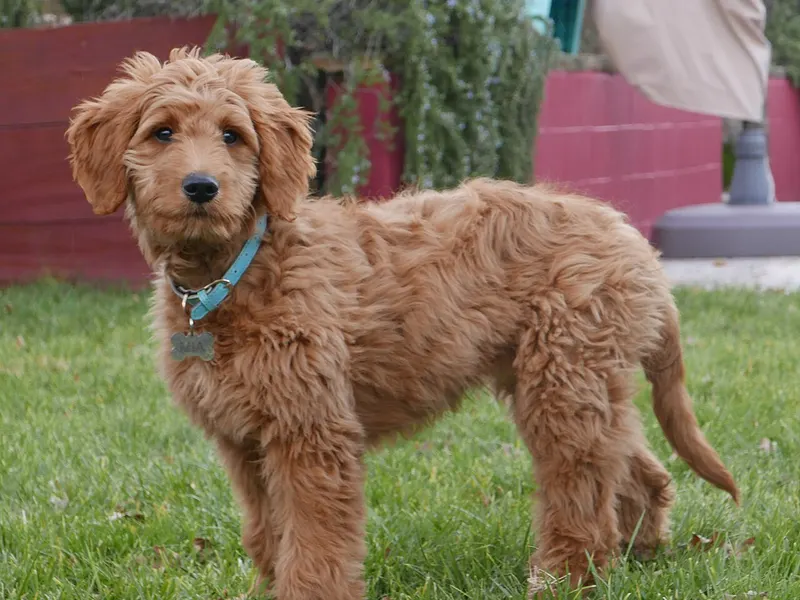
Goldendoodle
Crossbreed
50–90 lbs · 10–15 yrs
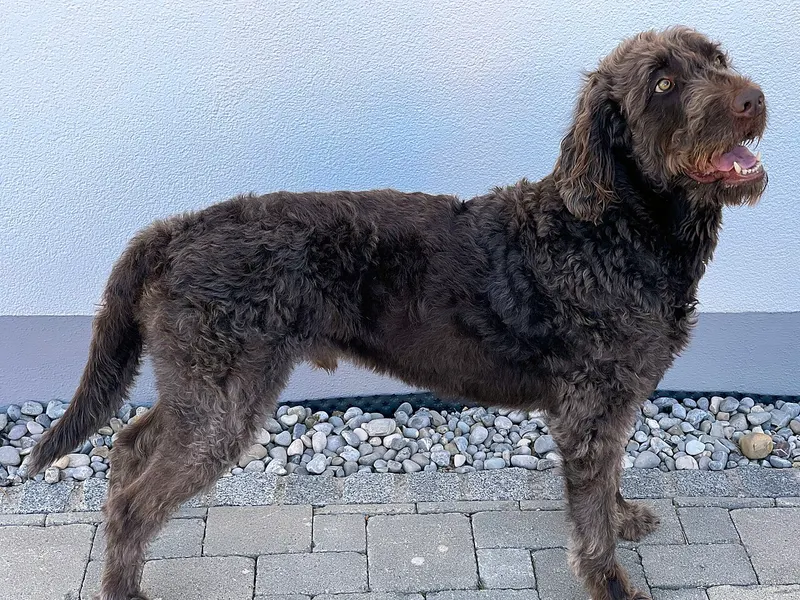
Labradoodle
Crossbreed
45–80 lbs · 12–14 yrs
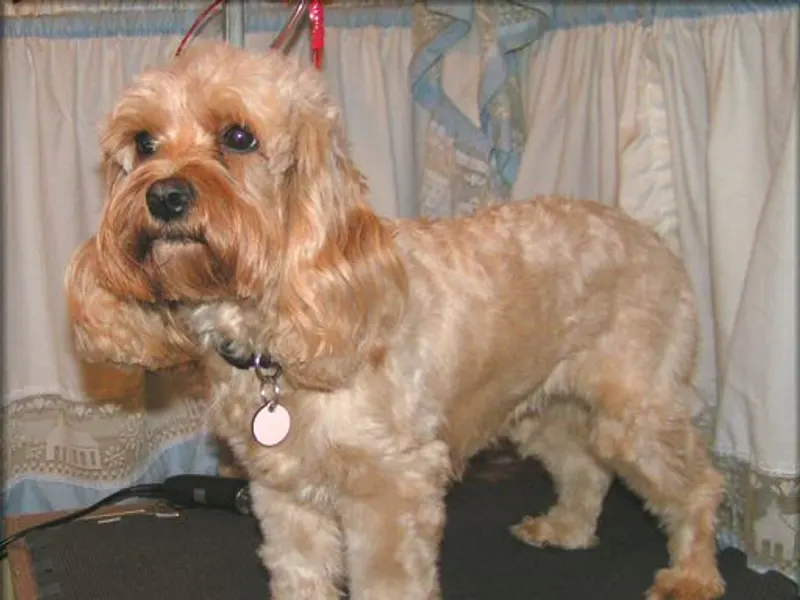
Cockapoo
Crossbreed
12–24 lbs · 13–15 yrs
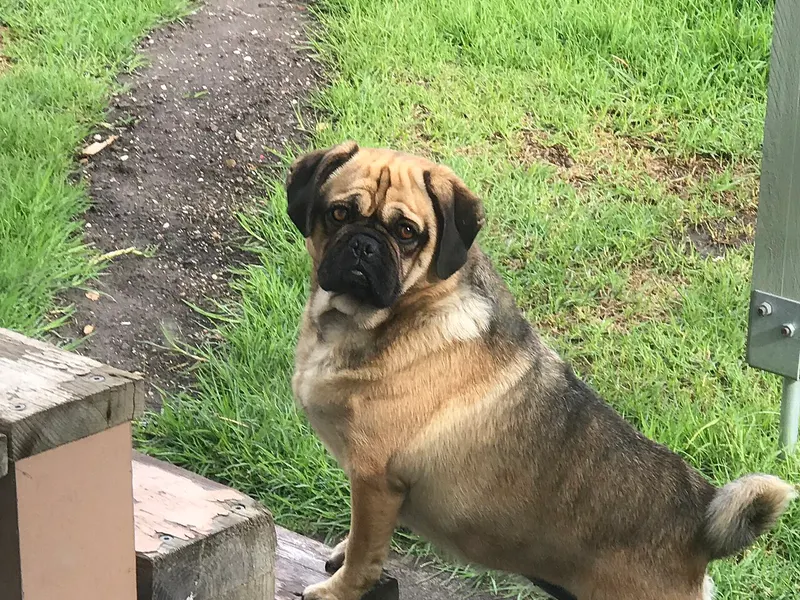
Puggle
Crossbreed
18–30 lbs · 10–13 yrs
Maltipoo
Crossbreed
5–20 lbs · 12–15 yrs
Schnoodle
Crossbreed
6–75 lbs · 10–16 yrs
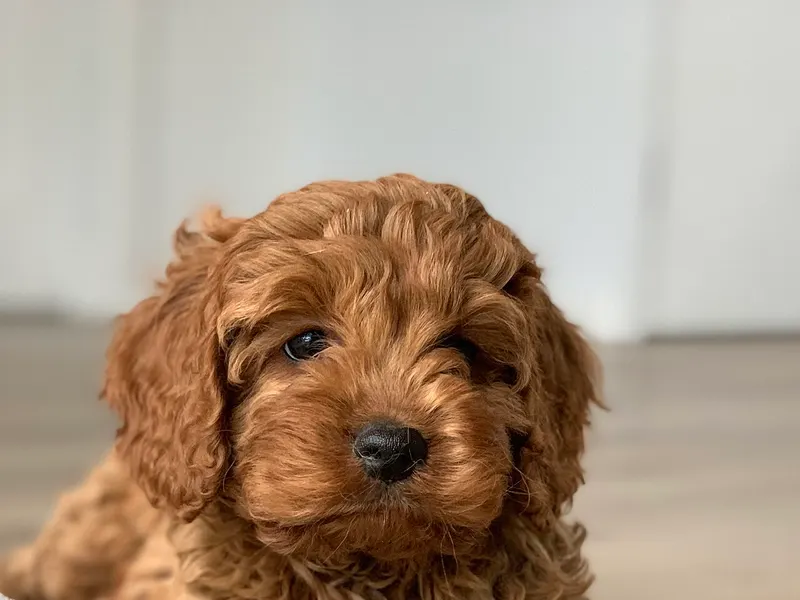
Cavapoo
Crossbreed
9–25 lbs · 12–15 yrs
Yorkipoo
Crossbreed
3–14 lbs · 12–15 yrs
Sheepadoodle
Crossbreed
45–80 lbs · 12–15 yrs
Bernedoodle
Crossbreed
50–90 lbs · 12–15 yrs
Aussiedoodle
Crossbreed
25–70 lbs · 12–15 yrs
Pomsky
Crossbreed
15–30 lbs · 13–15 yrs
Chiweenie
Crossbreed
5–12 lbs · 13–16 yrs
Shorkie
Crossbreed
8–16 lbs · 11–16 yrs
Morkie
Crossbreed
4–8 lbs · 10–13 yrs